
If you have ever walked through Marikiti Market in Nairobi or Kibuye Market in Kisumu, you have seen them bunches of vibrant green spring onions (locally known as kitunguu ya majani) selling for KSh 20 to KSh 50 per bunch, every single day of the year. Yet despite this constant demand, spring onion farming remains one of the most overlooked agribusiness opportunities in the country.In this comprehensive guide to spring onion farming in Kenya, we will walk you through everything: the best varieties, ideal growing conditions, step-by-step planting, pest management, harvesting, and most importantly how to turn spring onion farming into a steady income stream. Whether you are a smallholder in Kiambu or a youth agripreneur in Nakuru, this guide is for you.

What Are Spring Onions? A Quick Overview:
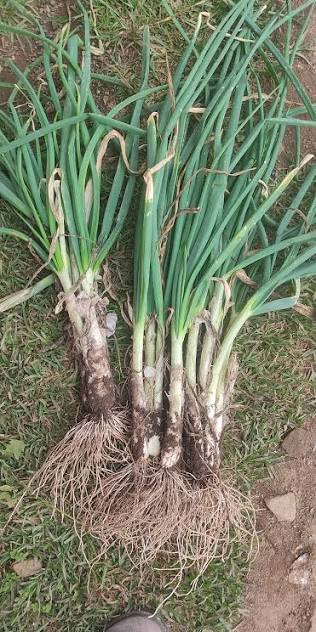
Spring onions , sometimes called scallions or green onions, are harvested before the bulb fully develops. Unlike bulb onions, the entire plant green stalk and white base is eaten fresh, used to garnish ugali, sukuma wiki, stews, and mukimo, or added raw to salads and kachumbari. This is precisely why spring onion farming is so lucrative: Kenyans consume them fresh, in small quantities, but daily. That translates to consistent, repeat customers.
The Economics: Why Spring Onion Farming Makes Financial Sense:
Before we dig into the how-to, let us talk numbers because the business case for this crop is genuinely compelling:
- Low startup capital: Seeds cost as little as KSh 300–500 for a quarter-acre nursery.
- Fast turnaround: Spring onions mature in just 60–90 days, meaning you can harvest 4–5 times per year.
- Small land requirement: You can start spring onion farming on a plot as small as an eighth of an acre or even in containers and raised beds in urban Nairobi.
- Steady demand: Hotels, restaurants, mama mbogas, and supermarkets buy weekly.
- Intercropping potential:Spring onion farming pairs beautifully with tomatoes, sukuma wiki, and carrots, maximizing your land use.

Soil Requirements and Land Preparation:
The foundation of successful spring onion farming is soil. Spring onions prefer:
- Soil type: Well-drained loamy or sandy loam soil
- pH: 6.0–7.0 (slightly acidic to neutral)
- Organic matter: Rich, fertile soil amended with well-rotted manure

Land preparation steps:
- Clear the land of weeds and debris.
- Till to a fine tilth (15–20 cm deep).
- Incorporate well-decomposed manure (about 10–15 tonnes per acre) avoid fresh manure, which encourages diseases.
- Prepare raised beds or ridges, especially in areas prone to waterlogging.
Pro tip: A simple soil test at Onion Doctor or a local agrovet can dramatically improve your spring onion farming yields by telling you exactly what amendments your soil needs.
Step-by-Step: How to Plant Spring Onions:
Here is the complete planting process that successful growers follow:
1. Nursery Preparation:
- Prepare a raised nursery bed about 1 metre wide.
- Mix soil with compost and sow seeds in shallow furrows, 10 cm apart.
- Cover lightly with soil and mulch with dry grass.
2. Germination:
- Keep the nursery moist but not waterlogged.
- Germination typically occurs within one to two weeks.
3. Transplanting:
- Transplant seedlings when they are pencil-thick (about 15–20 cm tall).
- Space plants 2–3 cm apart within rows, and 20–30 cm between rows.
- Plant in the evening to reduce transplant shock, and water immediately after.
4. Irrigation:
- The crop requires consistent moisture especially in the first month after transplanting.
- Drip irrigation is ideal; overhead watering should be done early in the day to prevent fungal diseases.
5. Fertilization:
- Apply NPK 17:17:17 at planting.
- Top-dress with CAN (Calcium Ammonium Nitrate) 3–4 weeks after transplanting to boost leafy growth.
6. Weeding:
- Weed carefully by hand; spring onion roots are shallow and easily damaged.
Pest and Disease Management in Spring Onion Farming:
Every guide to this crop must cover the enemies of your harvest. The most common problems:
Pests:
- Onion thrips: Tiny insects causing silvery streaks on leaves. Control with neem oil or approved insecticides.
- Cutworms: Attack young seedlings at the base. Use collar barriers or appropriate pesticides.
- Aphids: Cluster on leaves; control with soapy water or biological sprays.
Diseases:
- Downy mildew: Purple patches on leaves in humid conditions. Improve airflow and avoid overhead watering.
- Purple blotch : Brown lesions with purple borders. Remove infected plants and use copper-based fungicides.
- Damping-off (nursery stage): Caused by fungi in overly wet soil. Use sterile nursery media and avoid overwatering.
Integrated Pest Management (IPM): combining cultural practices, resistant varieties, and minimal chemical use is the modern gold standard for vegetable growers. It also protects your market access, as many supermarkets and export buyers demand produce with low chemical residues.
Harvesting and Post-Harvest Handling:
Timing is everything in spring onion farming:
- When to harvest: 60–90 days after transplanting, when plants are 30–40 cm tall and pencil-thick at the base.
- How to harvest: Loosen the soil with a fork and pull gently to keep roots intact customers pay more for clean, intact bunches.
- Bunching: Tie 10–20 stems per bunch with a rubber band or sisal fibre.
- Washing: Rinse off soil, then shade-dry before packaging. Never sun-dry wilting destroys market value.
Are you in need of in-depth knowledge on onion and garlic production? If yes, we are a call away. Contact us for: Onion seedlings, Garlic seedlings, Germinated garlic cloves, Farm planning services, Soil testing, training on onion and garlic growing, Drip irrigation installation and maintenance, Agronomic support, Onion and Garlic value pack and Farm management. For free consultation, placing orders or booking a visit with an agronomist, please contact us via Call or what’s app +254703982228, Email: info@oniondoctor.co.ke You can also check out our social media handles for daily updates on TikTok: https://www.tiktok.com/@oniondoctorke0706252490?_r=1&_t=ZS-96UPUyx6ESL Instagram:https://www.instagram.com/oniondoctorke?igsh=MW5sZzJ6c3BnZ3Z0dw==Facebook:https://www.facebook.com/share/1HouRgLCwS/Twitter:https://x.com/OnionDoctorKe?s=20