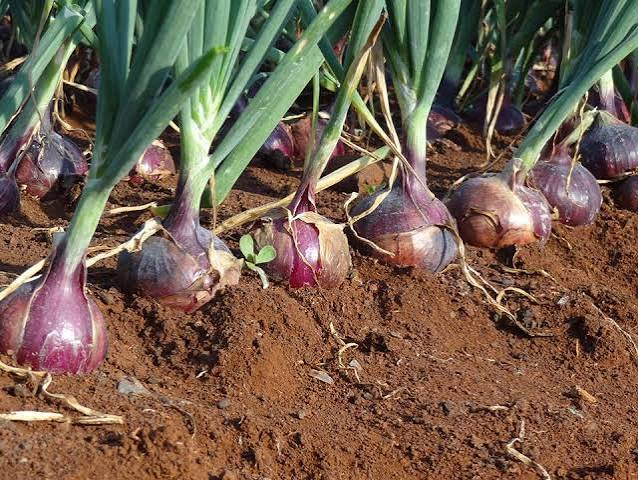
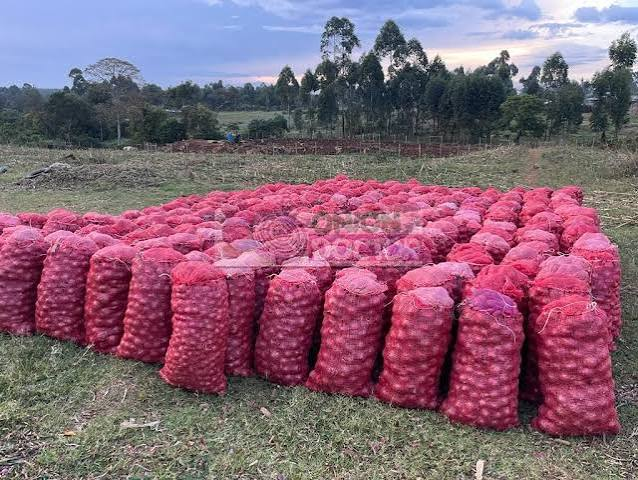
Ask any Kenyan market vendor which vegetable sells itself, and they’ll likely point to the red onion. In 2026, red onions — known locally as Vitunguu remain one of the most consistently profitable horticultural crops in Kenya, fetching between KSh 80 and KSh 150 per kilogram depending on season and location.Yet for every farmer smiling all the way to the market, there’s another who lost an entire season to poor seed selection, fusarium wilt, or flooding the market at harvest time. The difference isn’t luck. It’s knowledge.This guide covers everything you need: climate requirements, the best varieties, a month-by-month planting calendar, cost breakdowns, and the marketing tricks that separate profitable farmers from the rest.
Why Red Onions? The Case for the Crop:
Red onions aren’t just a kitchen staple they’re a business case:
High demand, year-round: Every Kenyan household and restaurant uses onions daily. Supply gaps occur especially between March and July, when prices spike.
Long shelf life: Properly cured onions store for 4–6 months, letting you sell when prices peak.
Small land footprint: A single acre can yield 15–20 tonnes with good agronomy one of the highest value-per-square-meter ratios in horticulture.
Export potential: Kenya exports dried onions to the Middle East and East Africa, and the regional demand keeps growing.
Key fact: Kenya produces over 200,000 tonnes of onions annually, yet still imports from Tanzania and China during shortages meaning the local market is far from saturated.
Best Red Onion Varieties for Kenya:
Variety choice is the single biggest determinant of your harvest. Avoid generic seeds from unverified vendors.
Variety
Maturity
Best Suited For
Notes
Bombay Red
90–100 days
Rainfed & irrigated
High yield, good bulb size, widely grown
Neptune
100–110 days
Irrigated
Large bulbs, strong storage life
Texas Early Grano
90–100 days
Warm lowlands
Heat tolerant, early maturing
Red Coach
100–120 days
Arid & semi-arid (ASALs)
Drought tolerant, excellent shelf life
African Red
90–100 days
Warm regions
Popular in Kenyan markets, pinkish-red bulbs
Chui
95–105 days
Dry areas
Very pungent, preferred for export processing
Tip:Buy certified seeds and seedlings from reputable suppliers like Onion Doctor.
Climate & Soil Requirements:
Red onions are forgiving but only up to a point.
Temperature: Optimal range is 15–25°C. Temperatures above 30°C during bulb formation reduce yields.
Rainfall: 600–800mm annually, well distributed. Too much rain during maturity causes rotting and foliar diseases.
Altitude: From sea level up to 1,900m. Lowlands like Kajiado, Machakos, and the Coast do well; highlands around Nyahururu and Kinangop suit cooler varieties.
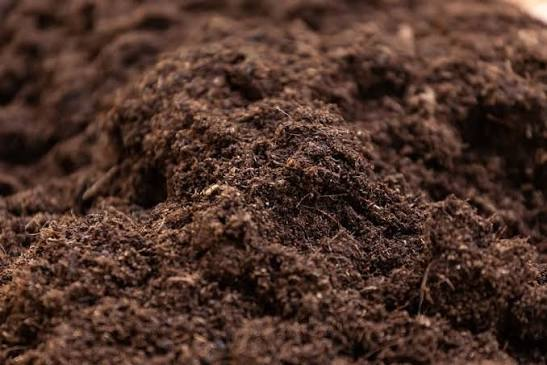
Soil: Well-drained sandy loam or loam, pH 5.8–6.8. Onions hate waterlogged soils raised beds are essential in heavy clay.
Sunlight: Full sun, minimum 6 hours daily.
Well drained Sandy Loam soil
Step-by-Step: From Seed to Harvest:
1. Land Preparation:
Plough and harrow to a fine tilth, 2–3 weeks before planting.
Incorporate well-rotted manure and a basal fertilizer onions are heavy feeders.
Land Preparation Tutorial
2. Nursery Management:
Direct seeding is rare in Kenya; most farmers use transplants:
Prepare raised nursery beds (1m wide).
Sow seed shallowly (1cm deep), at 30g per bed.
Germination takes 7–14 days.
Water lightly and frequently; shade the nursery during hot afternoons.
Nursery Establishment Tutorial
3. Transplanting:
Transplant seedlings at 4–6 weeks old (pencil-thick, 4–5 leaves).
Spacing: 30cm between rows, 8–10cm between plants (250,000 plants per acre).
Transplant in the late afternoon to reduce transplant shock.
Water immediately after transplanting.
4. Fertilizer Program (per acre):
Stage
Input
Rate
Planting
DAP or NPK 17:17:17
100kg
3 weeks after transplanting
CAN or urea (top-dress)
75kg
6 weeks
CAN (final top-dress)
50kg
5. Watering:
Onions have shallow roots. Keep soil moist but never soggy:
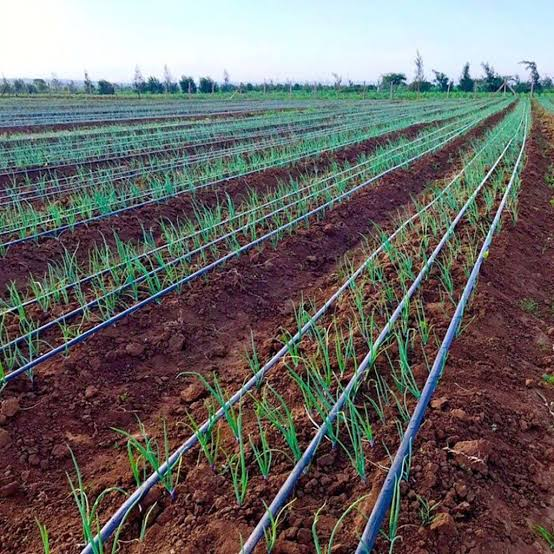
Drip irrigation is ideal and increasingly affordable.
Reduce watering 3 weeks before harvest to help bulbs cure and improve storage.
Drip Irrigation in an Onion Farming
6. Weeding & Pest/Disease Control:
Weed early and often onions compete poorly. Mulching with dry grass suppresses weeds and retains moisture.
Major pests: Thrips (the #1 enemy look for silvery streaks on leaves), cutworms, onion flies. Control thrips with insecticidal soap, neem oil, or recommended insecticides.
Major diseases: Purple blotch, downy mildew, white rot, fusarium basal rot. Practice crop rotation (avoid planting onions where onions, garlic, or tomatoes grew in the last 3 years), and use certified disease-free seed.
Purple Blotch
7. Harvesting & Curing:
Harvest when 50–70% of tops have fallen over and necks feel soft usually 90–120 days after transplanting.
Pull bulbs carefully, don’t bruise them.
Cure in the field or under shade for 7–14 days this is the step most farmers skip, and it costs them months of shelf life.
Trim roots and tops only after curing, then store in a cool, dry, well-ventilated room (mesh bags or open-weave sacks work best).