
If you have spent any time in a Kenyan open-air market lately, you already know the story: garlic prices are high, local supply is scarce, and most of what you see on the shelf was imported from China or India. Kenya still imports roughly 80% of its garlic supply, even though local demand grows every single year. That gap between what Kenyans eat and what Kenyan farmers grow is precisely why garlic farming in Kenya has quietly become one of the most talked-about high-value agribusiness opportunities in 2026. Whether you are a smallholder with half an acre or an investor scouting horticultural ventures, garlic farming in Kenya deserves a serious look this season.This guide is the most complete resource you will find on garlic farming in Kenya: the varieties, the climate, the step-by-step agronomy, the real costs, the pests that ruin crops, the post-harvest tricks that double your profit, and the market channels that pay the most.
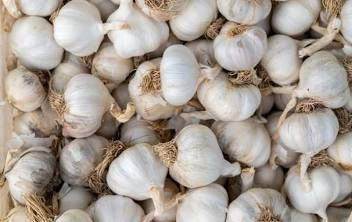
Why Garlic Farming in Kenya Is Booming Right Now:
Three forces are converging at once:
- A structural import gap:Domestic production covers only about 20% of national demand. The rest arrives as imports from China and India, which keeps wholesale prices elevated.
- Rising prices: Farm-gate prices for quality local garlic range from KSh 150 to KSh 250 per kg on the low end, and from KSh 150 to KSh 300 per kg sometimes more during peak demand months. Retail prices at supermarkets routinely hit KSh 250–500 per kg.
- Small acreage, high value: Garlic rewards precision, not scale. A quarter-acre plot can generate over KSh 100,000 in a single cycle, and a well-run acre can produce 4,000–7,000 kg of bulbs, with gross revenues of KSh 500,000 or more.
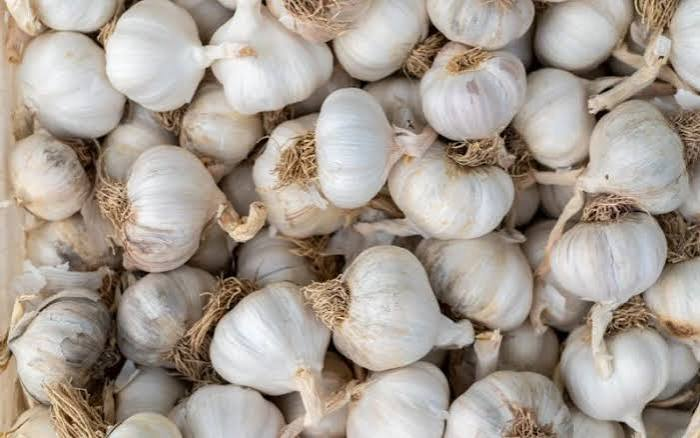
For anyone asking whether garlic farming in Kenya is profitable, the honest answer is yes — but only for farmers who master seed quality, disease management, and post-harvest handling. Most failures in garlic farming in Kenya happen before the first bulb is even lifted, usually because of poor or counterfeit planting material.
The Best Varieties for Garlic Farming in Kenya:
Garlic varieties fall into three broad groups, all of which are grown in Kenya:
- Softneck garlic: the most popular for commercial garlic farming in Kenya. It stores the longest (6–12 months when cured properly) and suits the local market. Common varieties include Africa Giant (African Giant), Arusha Giant, Rwandan Giant, California Early, California Late, and Creole.
- Hardneck garlic: larger, more pungent cloves with fewer but bigger cloves per bulb, favoured by restaurants and serious home cooks. Varieties include Spanish Roja, Rocambole, and Purple Stripe. Hardneck stores for less time (around 4–6 months), so plan your marketing accordingly.
- Elephant garlic: huge bulbs and a mild, subtle flavour. It commands a premium novelty price but yields differently and stores less reliably.
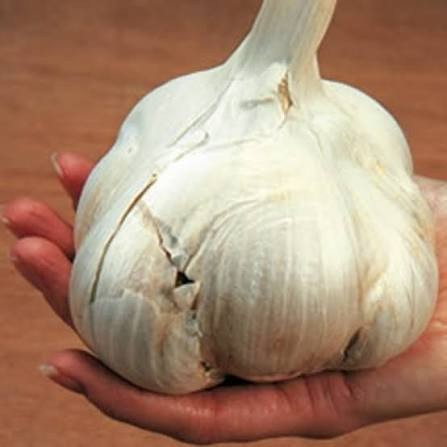
For a first venture into garlic farming in Kenya, most agronomists recommend starting with a proven softneck like Africa Giant or Arusha Giant: they are forgiving, store well, and match what Kenyan buyers expect.
Where Garlic Grows Best: Climate and Counties:
Garlic is a cool-season crop, and climate matching is the first discipline of successful garlic farming in Kenya. The sweet spots for garlic farming in Kenya are the highland counties: Nyandarua, Nyeri, Murang’a, Kiambu, Meru, Embu, Kirinyaga, plus suitable parts of Bomet and Nakuru.
Optimal conditions:
- Altitude: 1,500–2,400 metres above sea level (some sources say 500–2,000 m works with variety choice)
- Temperature: 12–30 °C, ideally 15–22 °C with cool nights
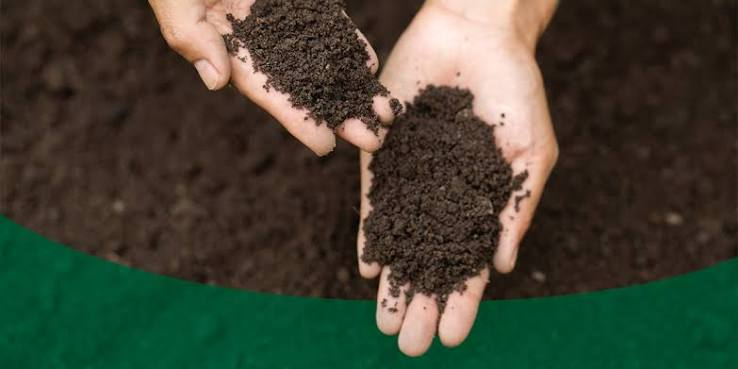
- Soil: deep, well-drained loam, pH 5.5–7.5, rich in organic matter
- Rainfall: 500–1,200 mm, with dry conditions essential during bulb maturation
Step-by-Step: How to Grow Garlic in Kenya:
1. Land preparation:
Plough to 25–30 cm, harrow, and form raised beds with good drainage. Incorporate well-composted manure. Garlic hates waterlogged soil more than almost anything else.
2. Planting material:
Plant certified seed cloves from Onion Doctor. Choose the largest, healthiest outer cloves clove size directly determines bulb size. Avoid cheap, uncertified “seed” from open markets; it is the single biggest cause of failed garlic farming in Kenya and the easiest mistake to avoid.
3. Planting:
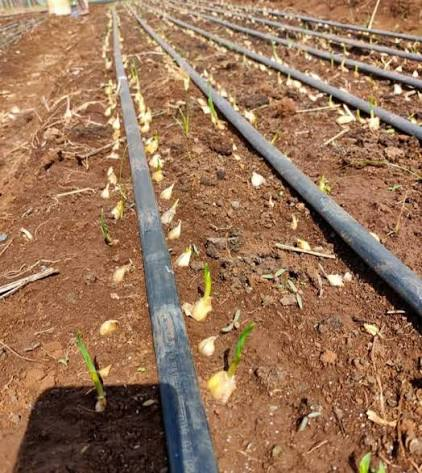
- Spacing: 10–15 cm between cloves, rows 20–30 cm apart.
- Depth: 3–4 cm, pointed end up
- Basal fertilizer: DAP plus compost; side-dress with CAN or NPK at bulb formation
- Rate: roughly 300 kg of cloves plants an acre
4.Irrigation in Garlic Farming:
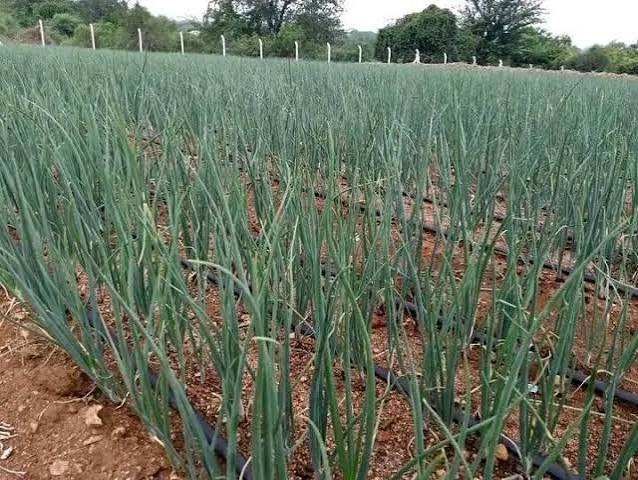
Garlic needs consistent moisture but does not tolerate waterlogging. Good irrigation is especially important during bulb formation because water stress at this stage can significantly reduce bulb size and yield.
Pests and Diseases: The Real Enemy of Garlic Farming in Kenya:
- Onion thrips: the most damaging pest; cause silvery, curled leaves and yield loss
- Aphids, cutworms, onion maggots: secondary but significant
- Purple blotch (Alternaria porri): the signature garlic disease in Kenya, producing purple lesions on leaves
- Downy mildew, white rot (Sclerotium cepivorum), viral diseases white rot is soil-borne and devastating

Across garlic farming in Kenya, the winning formula is integrated management: certified clean seed, three-year rotation away from alliums (onion, leek, chives), sanitation of crop debris, and calibrated, rotated use of registered fungicides and insecticides through PCPB-approved products.
Post-Harvest: Where the Money Is Actually Made:
Here is the secret that separates average farmers from wealthy ones in garlic farming in Kenya: curing and storage.
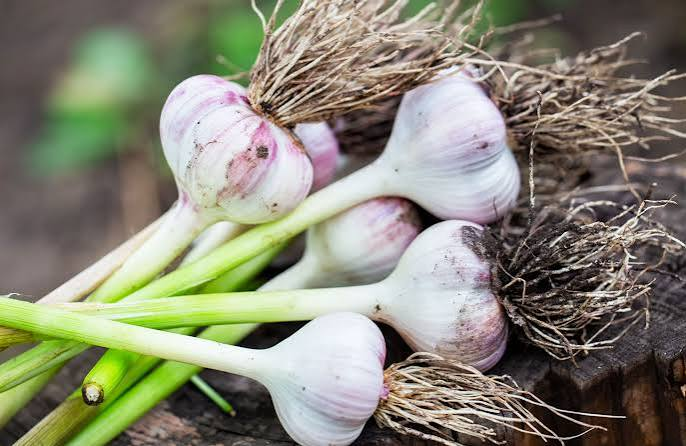
- Lift bulbs carefully bruised bulbs rot in storage.
- Field-cure in windrows for 2–3 days.
- Move to a shaded, ventilated space for 2–3 weeks of full curing.
- Store properly cured garlic 6–9 months under ambient conditions, up to 12 months under cool storage.
In garlic farming in Kenya, prices swing from KSh 150–200/kg in the December–January glut to KSh 300–400/kg (sometimes 500+) between May and September. A farmer who harvests in April and sells in July-January effectively sells the same crop twice. Strategic storage is the highest-return “input” in all of garlic farming in Kenya.
Are you in need of in-depth knowledge on onion and garlic production? If yes, we are a call away. Contact us for: Onion seedlings, Garlic seedlings, Germinated garlic cloves, Farm planning services, Soil testing, training on onion and garlic growing, Drip irrigation installation and maintenance, Agronomic support, Onion and Garlic value pack and Farm management. For free consultation, placing orders or booking a visit with an agronomist, please contact us via Call or what’s app +254703982228, Email: info@oniondoctor.co.ke You can also check out our social media handles for daily updates on TikTok: https://www.tiktok.com/@oniondoctorke0706252490?_r=1&_t=ZS-96UPUyx6ESL Instagram:https://www.instagram.com/oniondoctorke?igsh=MW5sZzJ6c3BnZ3Z0dw==Facebook:https://www.facebook.com/share/1HouRgLCwS/Twitter:https://x.com/OnionDoctorKe?s=20