
Onion farming in Kenya has grown from a smallholder side activity into one of the most profitable horticultural ventures in the country. With onions retailing at KSh 80–150 per kilogram depending on the season, onion farming in Kenya offers farmers faster returns than maize, potatoes, or coffee. A single acre of well-managed onions can yield 15,000–20,000 kg and generate KSh 400,000 to over KSh 1 million in revenue.The demand for onions in Kenya is insatiable. Every household, hotel, restaurant, and street food vendor uses onions daily, yet Kenya still imports onions from Tanzania, Ethiopia, and China to bridge the supply gap. This deficit means that anyone who takes onion farming in Kenya seriously is stepping into a guaranteed market. Whether you are a beginner in Kitui or an experienced farmer in Kajiado, onion farming in Kenya rewards knowledge, consistency, and good timing.

Why You Should Consider Onion Farming in Kenya:
- High demand, year-round market :Onions are a staple in Kenyan cuisine, from suya to pilau to mchuzi.
- Short production cycle: Onions mature in 3–5 months, allowing 2–3 crops per year.
- High value per acre: Few crops match the revenue density of onion farming in Kenya.
- Low entry barrier: You can start with a quarter acre and scale up.
- Export potential: Fresh and dried onions from Kenya find buyers in Uganda, Tanzania, and the Gulf region.
Climate and Soil Requirements for Onion Farming in Kenya:
Onions thrive in altitudes of 0–1,900 metres above sea level, with the ideal range being 600–1,300 m. The best temperatures for onion farming in Kenya are 15–30°C, with bulb formation favouring warm days and cool nights. Excessive rainfall or humidity encourages fungal diseases, so irrigation-based onion farming in Kenya during dry seasons often outperforms rain-fed production.
Soil requirements for successful onion farming in Kenya:
- Well-drained, fertile loam or sandy loam soils
- Soil pH of 5.8–6.8 (slightly acidic to neutral)
- Deep soil, at least 30 cm, free of hard pans
- Organic matter content above 2%
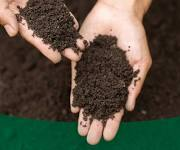
Avoid waterlogged or clay-heavy soils they cause bulb rot and poor sizing, two of the biggest setbacks in onion farming in Kenya.
Best Onion Varieties for Onion Farming in Kenya:
Variety selection can make or break your onion farming in Kenya venture. The most popular and proven varieties include:
| Variety | Maturity (days) | Key Traits |
|---|---|---|
| Red Coach | 90–110 | Most popular, pink-red, good storage, wide market acceptance |
| Bombay Red | 90–110 | Deep red, pungent, excellent for dry areas |
| Chui F1 | 90–100 | Hybrid, uniform bulbs, strong disease resistance |
| African Red | 95–105 | High yield, good bulb size, preferred by brokers |
| Texas Grano | 110–120 | Large bulbs, sweeter, lower pungency |
| Neptune F1 | 95–105 | Hybrid, tolerant to downy mildew and purple blotch |
For beginners in onion farming in Kenya, Red Coach and Neptune are the safest choices because every market in Kenya knows and accepts them.
Land Preparation and Planting:
Good land preparation is the foundation of profitable onion farming in Kenya:
- Plough and harrow the land to a fine tilth 3–4 weeks before planting.
- Incorporate well-rotted manure (about 10 tons per acre) during the final harrowing.
- Level and form raised beds or ridges to improve drainage.
- Plant on the ridge top using the dibbling method at a spacing of 30 cm between rows and 8–10 cm between plants.
Onion farming in Kenya can use direct seeding, transplanting, or bulb sets, but transplanting is the most common method. Raise seedlings in a nursery for 6–8 weeks, then transplant when they have 3–4 true leaves and a pencil-thick stem. Transplant in the evening or on a cloudy day to reduce transplant shock, and irrigate immediately after transplanting.
Fertilizer and Nutrient Management:
Onions are heavy feeders, and proper nutrition separates average harvests from bumper ones in onion farming in Kenya. A typical fertilizer programme per acre:
- Basal: 200 kg DAP (or equivalent) at planting
- Top dressing: 100 kg CAN at 3 weeks, another 100 kg at 6 weeks
- Alternative: Use blended fertilizers like NPK 17:17:17 followed by CAN top dress
- Foliar feeds: Calcium and potassium-rich foliar sprays improve bulb firmness and storage life
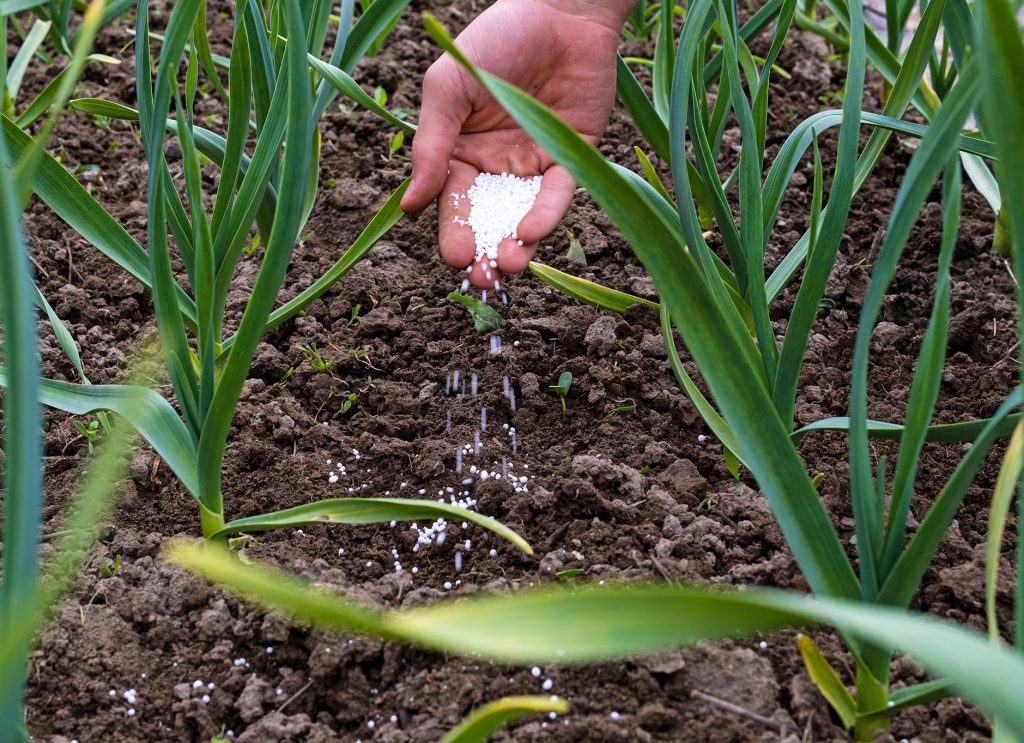
Deficiency symptoms to watch for in onion farming in Kenya: yellowing tips (nitrogen deficiency), purple leaves (phosphorus), and soft bulbs (potassium deficiency).
Pest and Disease Management in Onion Farming in Kenya:
The most common threats you will face in onion farming in Kenya:
Pests:
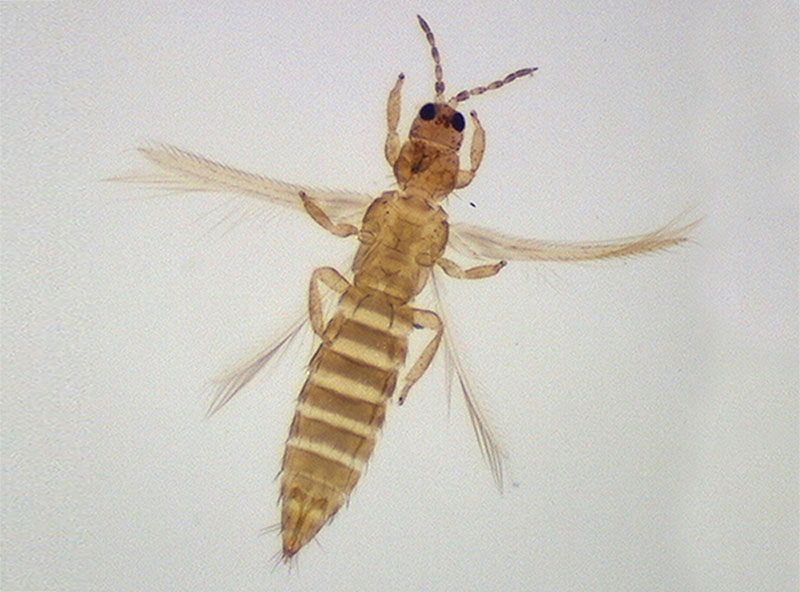
- Onion thrips – cause silvery leaves and stunted growth; control with insecticides and weed removal
- Cutworms – attack young transplants; use soil-applied insecticides
- Onion maggots – attack bulbs; practise crop rotation
- Aphids and leaf miners – vector viral diseases
Diseases:
- Downy mildew – purple-grey fuzzy growth on leaves; improve airflow, apply copper-based fungicides
- Purple blotch – the number one disease in onion farming in Kenya; manage with fungicides like Mancozeb
- White rot – devastating soil-borne disease; rotate with non-allium crops for 4+ years
- Bacterial soft rot – avoid mechanical damage and waterlogged soils

Integrated pest management (IPM) clean seed, rotation, resistant varieties, and timely sprays is the modern standard for onion farming in Kenya.
Weed Control:
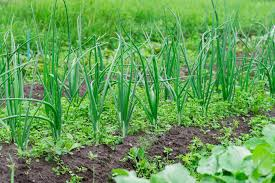
Onions grow slowly and cannot compete with weeds. Early weeding is essential in onion farming in Kenya weed within the first 6 weeks of transplanting. Hand weeding, shallow hoeing, or approved herbicides all work. Avoid deep cultivation, as onion roots are shallow.
Harvesting and Post-Harvest Handling:
Harvest time depends on the variety, typically 90–150 days after transplanting. Signs of maturity in onion farming in Kenya include:
- Tops falling over and turning yellow/brown
- Neck softening
- Bulb skin taking on the variety’s mature colour
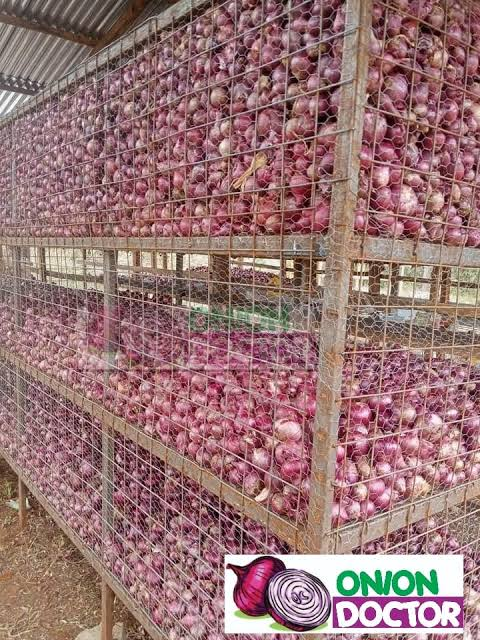
Harvest during dry weather, cure the bulbs under shade for 7–14 days until the necks are completely dry, then trim roots and tops. Properly cured onions from onion farming in Kenya can store for 3–6 months in a cool, dry, well-ventilated room. Poor curing and storage are why many farmers lose 20–40% of their harvest a costly mistake in onion farming in Kenya.
Are you in need of in-depth knowledge on onion and garlic production? If yes, we are a call away. Contact us for: Onion seedlings, Garlic seedlings, Germinated garlic cloves, Farm planning services, Soil testing, training on onion and garlic growing, Drip irrigation installation and maintenance, Agronomic support, Onion and Garlic value pack and Farm management. For free consultation, placing orders or booking a visit with an agronomist, please contact us via Call or what’s app +254703982228, Email: info@oniondoctor.co.ke You can also check out our social media handles for daily updates on TikTok: https://www.tiktok.com/@oniondoctorke0706252490?_r=1&_t=ZS-96UPUyx6ESL Instagram:https://www.instagram.com/oniondoctorke?igsh=MW5sZzJ6c3BnZ3Z0dw==Facebook:https://www.facebook.com/share/1HouRgLCwS/Twitter:https://x.com/OnionDoctorKe?s=20