
If you have been searching for a high-value, low-competition agribusiness, garlic farming in Kenya deserves your full attention. Kenya imports the vast majority of the garlic consumed locally a market gap that ambitious farmers are rushing to fill. One acre of well-managed garlic can generate more profit than five acres of maize, which is exactly why interest in garlic farming in Kenya has exploded over the last five years. This guide covers everything about garlic farming in Kenya: from choosing seed cloves and preparing your soil, to harvesting, curing, storing, and selling your bulbs at premium prices. Whether you are a beginner in Kajiado or a seasoned horticulturist in Nyandarua, this is the most complete resource on garlic farming in Kenya you will find anywhere online.

1. Why Garlic Farming in Kenya Is One of the Most Profitable Ventures Right Now:
Kenya consumes an estimated 30,000+ tonnes of garlic every year, yet local production meets only a fraction of that demand. The rest arrives as cheap imports often bleached, low-quality bulbs from Asia. Consumers, supermarkets, and restaurants are actively searching for fresh, locally grown garlic, and they are willing to pay for it.
Here is why thousands of smart farmers are pivoting to garlic farming in Kenya:
- High farm-gate prices: Local garlic sells at KSh 250–350 per kg at farm gate, and up to KSh 500+ per kg in retail markets.
- High yield per acre: A well-managed acre produces 4,000–7,000 kg of bulbs.
- Long shelf life: Properly cured garlic stores for 6–12 months, unlike tomatoes or leafy greens that spoil in days.
- Low perishability risk: You can wait for the best price instead of panic-selling at harvest.
- Rising health awareness: Garlic’s medicinal reputation keeps demand growing year after year.
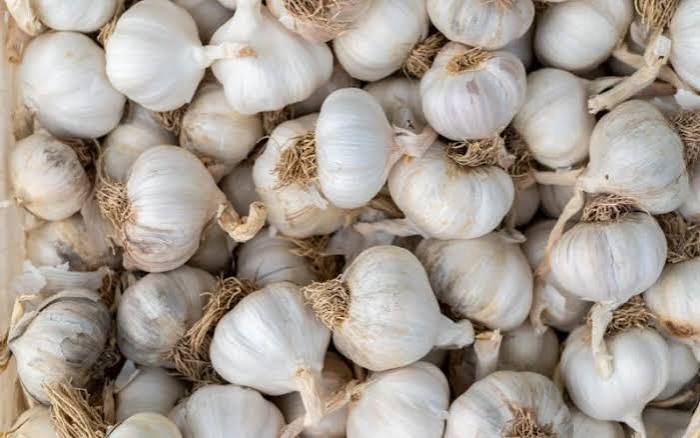
2. Climatic Conditions for Garlic Farming in Kenya:
Garlic is a forgiving crop, but it rewards precision. Understanding climate is the first step in garlic farming in Kenya. The ideal conditions include:
| Factor | Ideal Range |
|---|---|
| Altitude | 500–2,200 metres above sea level |
| Temperature | 12°C–30°C (cool at establishment, warm for bulb formation) |
| Rainfall | 500–1,200 mm annually, or irrigation |
| Day length | Full sun, at least 6 hours daily |
Cooler temperatures of 12–24°C during early vegetative growth followed by warmer conditions of around 25–30°C trigger proper bulb development. Excess humidity and waterlogging are garlic’s biggest enemies a point we will return to when discussing soil.
3. Soil Requirements: Get This Wrong and Nothing Else Matters:
Garlic hates wet feet. The single most common reason garlic farming in Kenya fails is poor drainage leading to rotting bulbs.
Ideal soil profile:
- Well-drained, fertile loam or sandy loam
- Soil pH of 5.5–6.8
- Rich in organic matter incorporate well-decomposed manure
- Free of rocks and compacted layers bulbs need loose soil to expand
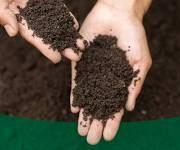
Avoid: heavy clay soils at all costs. If your land is clay-heavy, build raised beds 15–20 cm high to improve drainage.
Pro tip for garlic farming in Kenya: Always do a soil test before planting. It costs Ksh 5,000 at Onion Doctor and can save you an entire season. Adjust acidic soils with agricultural lime.
4. Choosing the Best Garlic Varieties in Kenya:
Not all garlic is equal, and variety choice can make or break garlic farming in Kenya. The variety you plant determines your yield, bulb size, shelf life, and market price.
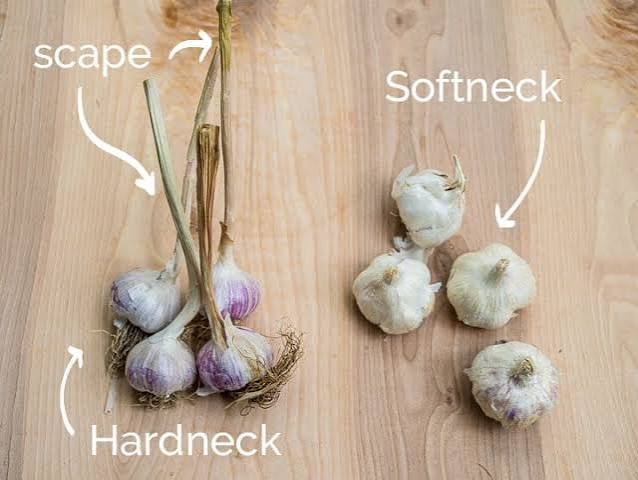
Softneck Varieties (Most Popular):
- Africa Giant — the market favourite; large bulbs, long shelf life
- Arusha Giant — vigorous, high-yielding
- Rwanda Giant — excellent for warmer lowland areas
Softnecks store longest and suit most Kenyan climates, which is why most commercial garlic farming in Kenya uses them.
Hardneck Varieties:
Better flavour and easy-to-peel cloves, but shorter shelf life (3–5 months). Ideal for cooler highlands like Nyandarua and parts of Meru.
Elephant Garlic:
Not true garlic (it’s closer to a leek), but it produces massive bulbs that command premium prices in niche markets and restaurants. A smart add-on for anyone serious about garlic farming in Kenya.
Seed Cloves: The Foundation of Your Crop:
Never plant supermarket garlic as seed for garlic farming in Kenya it may carry disease and is often treated to prevent sprouting. Source certified, disease-free seed cloves from reputable suppliers such as Onion Doctor.
5. Land Preparation and Planting: Step-by-Step:
Step 1: Site selection: Choose land that has NOT grown onions, garlic, leeks, or chives for the past 2–3 years. This breaks disease cycles.
Step 2 : Land preparation for garlic farming in Kenya:
- Clear all weeds and debris
- Deep plough to 30 cm to break hard pans
- Harrow to a fine tilth
- Incorporate well-decomposed manure 2–3 weeks before planting
Step 3: Bed formation: Create raised beds 1 m wide, 15–20 cm high, with 50 cm paths between them.
Step 4 :Planting:
- Split bulbs into individual cloves just before planting (do not split days ahead)
- Plant cloves 5–7 cm deep, pointed end up
- Space cloves 10–15 cm apart within rows
- Keep 30–40 cm between rows
- Seed rate: roughly 150–200 kg of cloves per acre
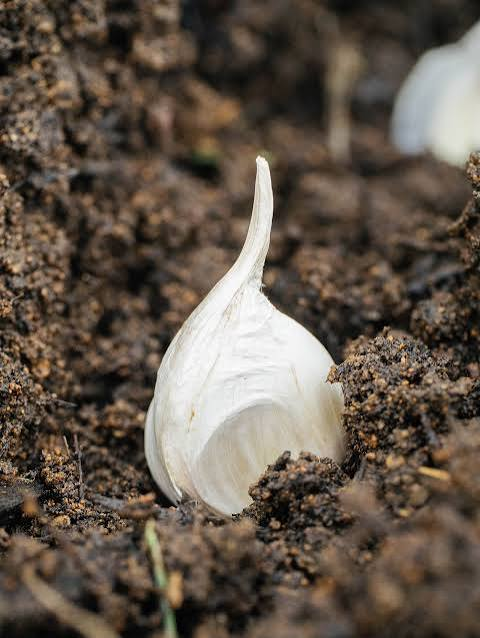
Step 5: Mulching: Apply a 5 cm layer of dry grass or straw to retain moisture, suppress weeds, and regulate soil temperature.
6. Watering and Irrigation:
Garlic has shallow roots, so in garlic farming in Kenya consistent moisture matters but never waterlog it.
- Water deeply but infrequently; about 2.5 cm per week
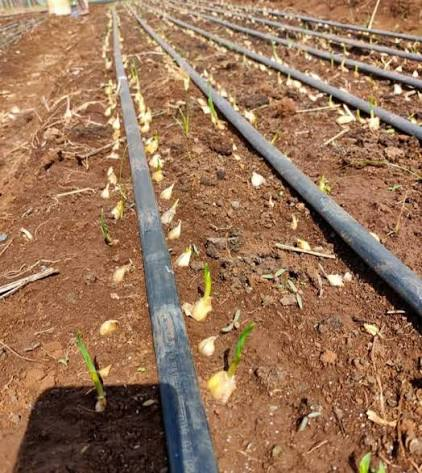
- Drip irrigation is the gold standard for commercial garlic farming in Kenya
- Reduce watering as bulbs mature
- Stop irrigation 2–4 weeks before harvest to allow skins to dry and prevent rot
7. Fertilization Programme:
Garlic is a heavy feeder. A solid programme for garlic farming in Kenya:
| Stage | Input |
|---|---|
| Basal (planting) | Well-decomposed manure + DSP or DAP |
| 3–4 weeks after emergence | Top-dress with CAN or urea |
| Bulb initiation | Top-dress with potassium-rich fertilizer (e.g., NPK 17:17:17 or foliar feed) |
Always base rates on your soil test results rather than guesswork.
8. Weed, Pest and Disease Management:
Weeds are the number-one yield robber in garlic farming in Kenya. Early weeding is critical because garlic competes poorly in its early stages, so keep your garlic farm weed-free for the first two months. Use hand hoeing, mulching, or registered herbicides.
Common pests:
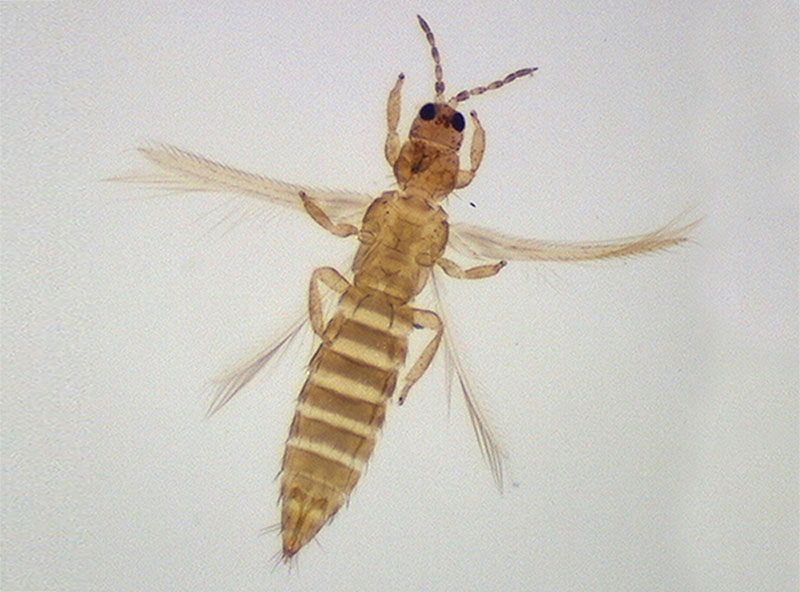
- Thrips: cause silvery, streaked leaves; control with approved insecticides or neem-based products
- Nematodes: use crop rotation and soil fumigation where severe
- Onion fly / maggots: practice field hygiene
Common diseases in garlic farming in Kenya:
- White rot: the most devastating; strict rotation is the only real defence
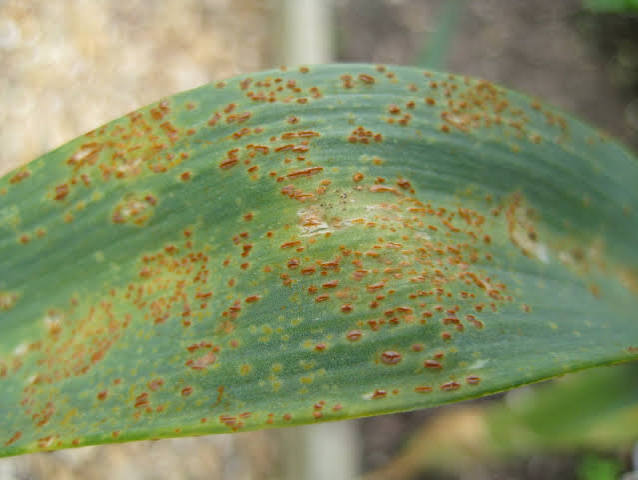
- Rust :orange pustules on leaves; use copper-based fungicides
- Downy mildew: improve airflow, avoid overhead irrigation
- Bulb rot: caused by waterlogging; fix your drainage
Integrated Pest Management (IPM) combining rotation, hygiene, resistant varieties, and targeted sprays is the sustainable backbone of modern garlic farming in Kenya and protects both your crop and your margins.
9. Harvesting, Curing and Storage:
When to Harvest:
For garlic farming in Kenya, harvest when 50–70% of the lower leaves have browned while the upper leaves remain green. This is usually 4–6 months after planting, depending on variety and altitude.
How to Harvest:
- Loosen soil with a fork never yank bulbs out by the stem
- Lift gently and keep the foliage attached
- Handle carefully; bruised bulbs rot in storage
- Harvest in dry weather
Curing (Non-Negotiable for Quality):
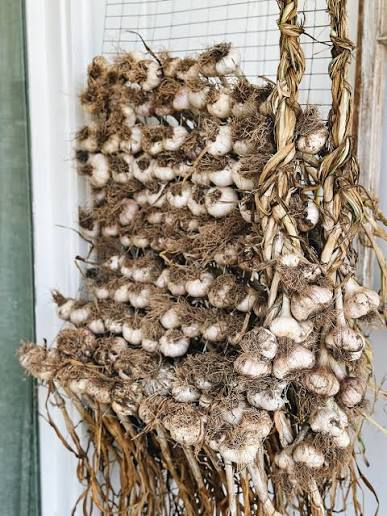
- Tie plants in bundles of 10–15
- Hang in a shaded, well-ventilated area for 2–3 weeks
- Cured bulbs have dry, papery skins this is what buyers pay for
Storage:
Store cured bulbs at 0–4°C with 60–70% humidity in mesh bags or wooden crates, in darkness with good airflow.Properly stored garlic lasts 6–12 months, letting you sell when prices peak.
Are you in need of in-depth knowledge on onion and garlic production? If yes, we are a call away. Contact us for: Onion seedlings, Garlic seedlings, Germinated garlic cloves, Farm planning services, Soil testing, training on onion and garlic growing, Drip irrigation installation and maintenance, Agronomic support, Onion and Garlic value pack and Farm management. For free consultation, placing orders or booking a visit with an agronomist, please contact us via Call or what’s app +254703982228, Email: info@oniondoctor.co.ke You can also check out our social media handles for daily updates on TikTok: https://www.tiktok.com/@oniondoctorke0706252490?_r=1&_t=ZS-96UPUyx6ESL Instagram:https://www.instagram.com/oniondoctorke?igsh=MW5sZzJ6c3BnZ3Z0dw==Facebook:https://www.facebook.com/share/1HouRgLCwS/Twitter:https://x.com/OnionDoctorKe?s=20