
Picture this: it’s mid-February, the rains have failed for the third season running, and your neighbour’s onion crop is wilting under the Kajiado sun. But your farm? Your farm is green, your onions are bulbing, and your water bill is a fraction of what it used to be. That’s the power of drip irrigation.In a country where only about 20% of the land receives adequate rainfall and the rest depends on the mercy of increasingly erratic weather, drip irrigation has quietly become the single most transformative technology in Kenyan agriculture. This guide breaks down everything you need to know.

Why Drip Irrigation Is a Game-Changer in Kenya:
Kenya’s farmers lose billions of shillings every year to drought, unpredictable rains, and water wastage. Traditional furrow and overhead irrigation guzzle water and spread diseases, but drip irrigation delivers water drop by drop, directly to the root zone where plants actually need it.
Here’s why it matters:
- Up to 60% water savings compared to conventional irrigation methods critical when every drop counts
- Weed suppression: water goes to your crops, not the weeds between the rows
- Disease reduction: dry leaves mean less fungal infection, fewer pesticides, lower costs
- Labour savings: no more hours spent moving pipes and sprinklers by hand
- Fertilizer efficiency: fertigation lets you feed crops through the system itself

How Drip Irrigation Works:
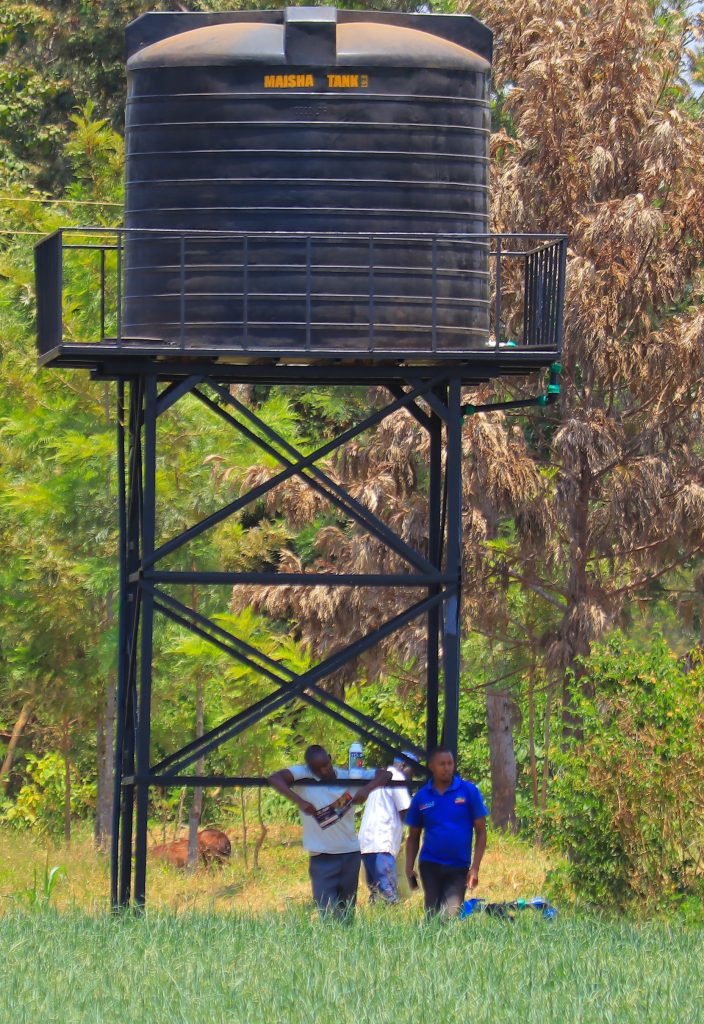
At its core, the system is beautifully simple. Water flows from a source (a tank, well, borehole, or river) through a filter the most important component in Kenya, given our often-murky water then into mainlines, sub-mainlines, and finally into drip tapes or emitters laid along each crop row. The beauty of drip irrigation is that once installed, it does the work while you focus on other things. Pressure is low, energy costs are minimal, and a small tank elevated just two metres high can irrigate an entire quarter-acre.
Best Crops for Drip Irrigation in Kenya:
Drip irrigation shines brightest with high-value horticultural crops:
- Tomatoes: the undisputed king; farmers consistently report doubled yields
- Capsicum and chilli: premium export crops that demand precise watering
- Onions: notoriously sensitive to water stress at bulb stage
- French beans and peas: a staple of the export market
- Passion fruit, mango, and avocado orchards: ideal for young trees
- Watermelon and vegetables: from kale to cabbages
What Does Drip Irrigation Cost in Kenya?
| Farm Size | Approximate Cost (KES) |
| 1/8 acre | 15,000 – 35,000 |
| 1/4 acre | 40,000 – 70,000 |
| 1/2 acre | 80,000 – 150,000 |
| 1 acre | 170,000 – 200,000 |
| 5+ acres | Custom quotation |
Step-by-Step: Setting Up Your Drip Irrigation System:
Step 1: Water Source Assessment:
Every successful drip irrigation system starts with a reliable water source. This could be a borehole, river, dam, or rainwater harvesting tank. Ensure your source can supply sufficient water for your drip irrigation needs.
Step 2: Water Quality Testing:
Drip irrigation emitters can clog if water contains high levels of sediment or minerals. Test your water and install appropriate filters this is critical for maintaining your drip irrigation system long-term.
Step 3: System Design:
Map your farm and design the drip irrigation layout. Consider crop spacing, topography, and water pressure. Many drip irrigation suppliers in Kenya offer free design services with purchase.
Step 4: Installation:
Lay your mainlines, sub-mainlines, and lateral drip irrigation lines. Install filters, pressure regulators, and valves. If you’re new to drip irrigation, consider hiring a professional installer for the first setup.
Step 5: Testing and Calibration:
Before planting, run your drip irrigation system and check every emitter. Adjust pressure and flow rates to ensure uniform water distribution across the entire farm
Step 6: Operation and Monitoring:
Once crops are established, monitor soil moisture regularly. The best drip irrigation farmers in Kenya use simple soil moisture sensors or even just their finger to test to ensure plants receive adequate water.
Maintenance Tips for Long-Lasting Drip Irrigation:
To maximize the lifespan of your drip irrigation investment:
- Flush the system weekly to prevent sediment buildup in drip irrigation lines.
- Clean filters regularly clogged filters are the number one cause of drip irrigation failure.
- Check emitters monthly for blockages and replace any that are malfunctioning.
- Store components properly during off-seasons; UV exposure degrades drip irrigation tubing over time.
- Winterize if applicable though Kenya’s climate is generally favorable, protect your drip irrigation system during unusually cold periods.
- Use quality fertilizers that are compatible with drip irrigation to prevent chemical precipitation and clogging.
Are you in need of in-depth knowledge on onion and garlic production? If yes, we are a call away. Contact us for: Onion seedlings, Garlic seedlings, Germinated garlic cloves, Farm planning services, Soil testing, training on onion and garlic growing, Drip irrigation installation and maintenance, Agronomic support, Onion and Garlic value pack and Farm management. For free consultation, placing orders or booking a visit with an agronomist, please contact us via Call or what’s app +254703982228, Email: info@oniondoctor.co.ke You can also check out our social media handles for daily updates on TikTok: https://www.tiktok.com/@oniondoctorke0706252490?_r=1&_t=ZS-96UPUyx6ESL Instagram:https://www.instagram.com/oniondoctorke?igsh=MW5sZzJ6c3BnZ3Z0dw==Facebook:https://www.facebook.com/share/1HouRgLCwS/Twitter:https://x.com/OnionDoctorKe?s=20