
Soil testing is the single most powerful (and underused) tool in onion farming. Onions have shallow, sparse root systems concentrated mostly in the top 15–40 cm of soil. They are notoriously sensitive to pH imbalances, nutrient deficiencies, salinity, and poor structure. Get the soil right, and you unlock larger bulbs, better storage quality, higher marketable yields, and lower input costs. Get it wrong, and you fight stunted growth, soft bulbs, disease, and disappointing harvests.This is the most practical, science-backed, guide you’ll find on soil testing for onions. It covers why it matters, how to sample correctly, what the numbers mean, ideal ranges, and how to act on results so you can grow the best onions of your life.
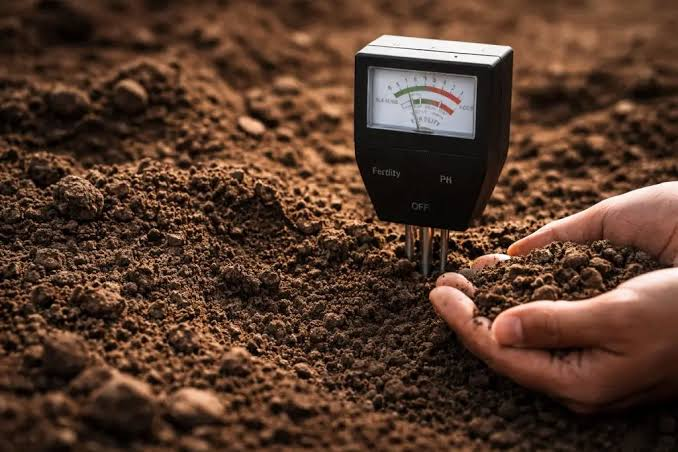
Why Soil Testing Is Non-Negotiable for Onion Success:
Onions demand precise nutrition in a narrow root zone. Without testing, you’re guessing. Over-applying nitrogen delays maturity and creates soft, poor-storing bulbs. Phosphorus deficiency shrinks bulbs and slows growth. Wrong pH locks up nutrients or triggers toxicities.Regular soil testing (every 2–3 years, or before each major planting cycle if amending heavily) lets you:
- Match fertilizer to actual needs (4R stewardship: right source, rate, time, place).
- Raise pH or correct deficiencies months ahead of planting.
- Build organic matter and structure for better water and nutrient holding.
- Avoid waste and environmental runoff. Maximize yield potential and bulb quality.
Farmers who soil-test consistently report higher marketable yields, better uniformity, and fewer mid-season crises.
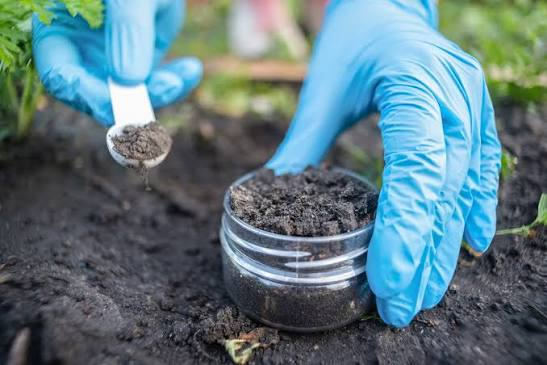
Ideal Soil Conditions for Onions:
- Texture & Structure Best: well-drained sandy loam, loam, or silt loam with good aeration. Avoid heavy clays (poor drainage, bulb deformation) unless heavily amended. Onions hate compaction and waterlogging.
- pH Optimal range: 6.0–7.0:
- Below 5.5–6.0: reduced availability of Phosphorous, Calcium, Magnesium; possible Aluminum toxicity.
- Above 6.5–7.0: reduced availability of Zinc, iron, boron and Manganese
- Organic Matter: Aim for 2–5%+ (higher is generally better for structure, water holding, and slow-release nutrients). Onions benefit greatly from compost or well-rotted manure incorporated ahead of planting.
Salinity: Keep as low as practical. Onions are moderately sensitive.
Key Nutrients (general guidance always follow your lab’s interpretation and local recommendations):
- Phosphorus: critical for early root growth and bulb size.
- Potassium: important for bulb firmness, quality, and size.
- Nitrogen: high demand, but apply in splits; excess late is harmful.
- Sulfur: essential for flavor compounds and quality; don’t ignore it.
- Micronutrients: Zinc ,boron, copper onions are responsive, especially on high-pH or sandy soils. Boron is needed in small amounts but toxic if overdone.
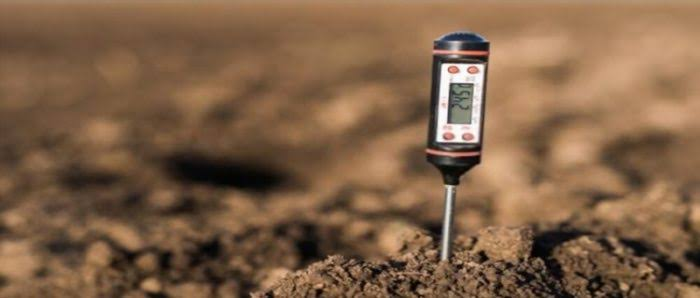
How to Collect a Proper Soil Sample (The Foundation of Accurate Results):
A bad sample = useless recommendations. Follow these steps:
- Timing: Sample several weeks to months before planting (especially if liming). Avoid right after heavy fertilizer or manure applications.
- Tools: Clean plastic bucket + panga, jembe, or clean shovel/spade. Avoid galvanized, brass, or rusty tools (contamination risk for micronutrients).
- Pattern: Walk a zigzag or W/Z pattern across the field or management zone. Take 15–20 cores/subsamples per uniform area.
- Depth: 0–15 cm (or to tillage depth / main root zone — often 0–20–30 cm for onions). Sample in the future bed/row area, not inter-rows if beds are raised.
- Avoid: Odd spots (wet areas, old manure piles, fence lines, eroded patches, previous burn piles).
- Mixing & Packaging: Mix cores thoroughly in the bucket. Air-dry if required by the lab. Send ~1–2 cups in a clean plastic bag or lab kit. Label clearly with field ID, depth, crop history, and intended crop (onion).
- Request: Standard fertility package + pH, organic matter, salinity, and micronutrients.
Are you in need of in-depth knowledge on onion and garlic production? If yes, we are a call away. Contact us for: Onion seedlings, Garlic seedlings, Germinated garlic cloves, Farm planning services, Soil testing, training on onion and garlic growing, Drip irrigation installation and maintenance, Agronomic support, Onion and Garlic value pack and Farm management. For free consultation, placing orders or booking a visit with an agronomist, please contact us via Call or what’s app +254703982228, Email: info@oniondoctor.co.ke You can also check out our social media handles for daily updates on TikTok: https://www.tiktok.com/@oniondoctorke0706252490?_r=1&_t=ZS-96UPUyx6ESL Instagram:https://www.instagram.com/oniondoctorke?igsh=MW5sZzJ6c3BnZ3Z0dw==Facebook:https://www.facebook.com/share/1HouRgLCwS/Twitter:https://x.com/OnionDoctorKe?s=20