
Onions are one of Kenya’s most profitable horticultural crops, yet the choice between sunken and raised beds remains one of the most debated topics among growers. If you’re serious about onion farming in Kenya, understanding how bed design affects drainage, root development, bulb formation, and ultimately your profit margin is absolutely critical. This comprehensive guide breaks down everything you need to know about sunken versus raised beds for onion farming in Kenya, helping you make a data-driven decision that matches your farm’s unique conditions.
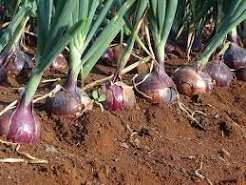
Why Bed Selection Matters for Onion Farming in Kenya:
Before diving into the two systems, it’s important to understand why this decision carries so much weight. Onion farming in Kenya operates across diverse agro-ecological zones from the hot, dry lowlands of Kajiado and Machakos to the high-altitude, high-rainfall regions of Nyandarua and Meru. Onions are shallow-rooted, moisture-sensitive crops. Too much water causes bulb rot and fungal diseases; too little stunts growth and reduces bulb size. This delicate balance is why your bed choice can make or break onion farming in Kenya.
What Are Sunken Beds?
Sunken beds are planting surfaces that sit below the natural ground level. Soil is excavated from the planting area and piled onto the walkways, creating a depression where crops grow.
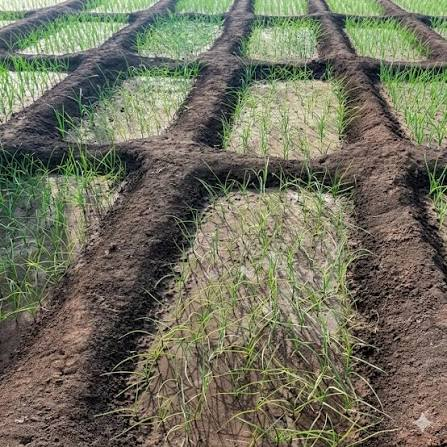
How Sunken Beds Work:
In onion farming in Kenya, sunken beds function as natural water harvesting structures. When it rains, water flows from the surrounding pathways into the bed, concentrating moisture directly at the root zone. This makes sunken beds particularly attractive in arid and semi-arid regions where every drop of water counts.
Advantages of Sunken Beds for Onion Farming in Kenya:
1. Superior Water Conservation:
For farmers practicing onion farming in Kenya in water-scarce areas like Kitui, Makueni, or parts of Baringo, sunken beds can reduce irrigation frequency by 30–40%. The depressed structure minimizes evaporation and captures runoff effectively.
2. Root Zone Cooling:
During Kenya’s hot seasons, soil temperatures in sunken beds remain lower than in raised beds. Cooler roots translate to less stress and better nutrient uptake an underrated advantage in onion farming in Kenya.
3. Protection from Wind:
In windy regions such as Naivasha or Kinangop, sunken beds shield young onion seedlings from desiccating winds, reducing transplant shock and improving establishment rates.
4. Lower Initial Labor and Cost:
Building sunken beds requires less soil movement than constructing raised beds. For smallholder farmers entering onion farming in Kenya with limited capital, this lower barrier to entry is significant.
Disadvantages of Sunken Beds for Onion Farming in Kenya:
1. Poor Drainage During Heavy Rains:
This is the biggest risk. Kenya experiences intense, short rainy seasons. In onion farming in Kenya, waterlogged sunken beds create perfect conditions for Fusarium basal rot, downy mildew, and pink root diseases that can wipe out entire fields.
2. Slower Soil Warming in Cool Highlands:
In high-altitude areas like Timau or Molo, sunken beds warm up slowly after cold nights. Delayed soil warming can push back planting dates and extend the crop cycle.
3. Compaction Risk:
The depression structure encourages foot traffic directly on the growing area during maintenance, leading to soil compaction. Compacted soil restricts onion root expansion, directly reducing yield in onion farming in Kenya.
4. Weed Pressure:
Sunken beds tend to accumulate weed seeds washed in by runoff. More weeding labor means higher production costs for onion farming in Kenya.
What Are Raised Beds?
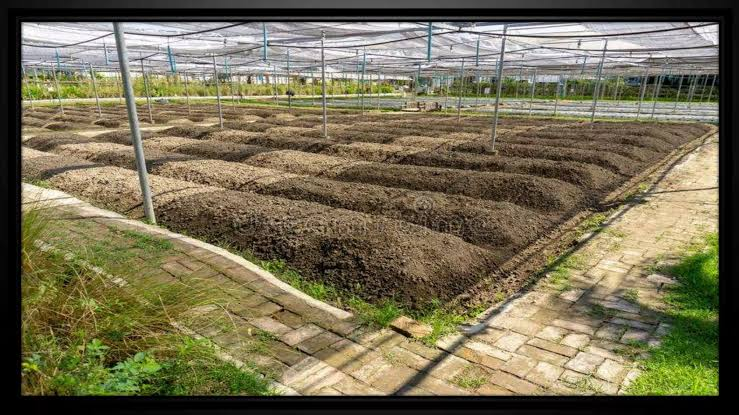
Raised beds are elevated planting surfaces where soil is mounded above the natural ground level, often framed by wooden planks, stones, or simply shaped into ridges.
How Raised Beds Work:
In onion farming in Kenya, raised beds improve drainage by gravity excess water flows away from the root zone into the surrounding furrows. The elevated structure also warms faster in sunlight and allows for deeper, looser soil preparation.
Advantages of Raised Beds for Onion Farming in Kenya:
1. Excellent Drainage:
For onion farming in Kenya in high-rainfall regions like Kakamega, Bungoma, or Kericho, raised beds are a lifesaver. They prevent waterlogging, reduce fungal disease pressure by up to 60%, and keep bulbs firm and marketable.
2. Faster Soil Warming:
The exposed sides and tops of raised beds absorb more solar radiation. Earlier soil warming means you can plant sooner and achieve earlier harvests critical for catching premium market prices in onion farming in Kenya.
3. Reduced Soil Compaction:
Because farmers walk in the furrows between beds, the growing area remains uncompacted. Loose, friable soil allows onion roots to penetrate deeply and access more nutrients, directly boosting yield in onion farming in Kenya.
4. Better Weed Management:
Weeds are easier to spot and remove in raised beds. The defined structure also makes mechanical weeding and mulching more efficient, saving labor hours in onion farming in Kenya.
5. Extended Growing Seasons:
Raised beds drain faster after rain, allowing you to return to the field sooner for planting, weeding, or harvesting. This operational flexibility is valuable for commercial-scale onion farming in Kenya.
Disadvantages of Raised Beds for Onion Farming in Kenya:
1. Higher Water Demand:
Raised beds dry out faster, especially in hot, windy conditions. For onion farming in Kenya in arid zones, this means more frequent irrigation sometimes daily which increases water and labor costs.
2. Greater Initial Labor Investment:
Constructing raised beds requires significant soil movement, especially in heavy clay soils common in parts of Kisumu and Siaya. The upfront labor can be prohibitive for farmers with limited labor resources.
3. Erosion Risk on Slopes:
If not properly terraced, raised beds on sloping land can accelerate soil erosion during heavy rains. Proper design is essential for sustainable onion farming in Kenya.
4. Higher Input Costs:
Many commercial raised bed systems use plastic mulch, drip lines, and framing materials. While these improve yields, they raise the capital requirement for onion farming in Kenya.
Climate-Based Decision Matrix for Onion Farming in Kenya:
| Factor | Sunken Beds | Raised Beds |
|---|---|---|
| Annual Rainfall | <600 mm (Arid/ASAL) | >900 mm (High rainfall) |
| Soil Type | Sandy, well-draining | Clay, poorly-draining |
| Temperature | Hot, dry lowlands | Cool, wet highlands |
| Irrigation Access | Limited/supplemental | Reliable/drip systems |
| Disease Pressure | Low humidity areas | High humidity, fungal risk |
| Best Regions | Kajiado, Machakos, Kitui, Tana River | Nyandarua, Meru, Bungoma, Kakamega |
This matrix should guide every farmer’s decision in onion farming in Kenya. Matching your bed system to your agro-zone is not optional it’s the foundation of profitability.
Step-by-Step: Building Sunken Beds for Onion Farming in Kenya:
- Step 1: Site Selection: Choose a gently sloping area to allow some drainage. Completely flat sites with clay soil are risky for sunken beds in onion farming in Kenya.
- Step 2: Mark Bed Dimensions: Standard beds should be 1 meter wide with 30–40 cm wide pathways. Keep bed length under 20 meters to prevent water pooling at the lower end.
- Step 3: Excavate: Dig out soil to a depth of 15–20 cm. Pile this soil onto the pathways to create raised walkways.
- Step 4: Soil Amendment: Mix in well-decomposed manure at 5–10 tons per hectare. Onions are heavy feeders, and soil fertility directly determines success in onion farming in Kenya
- Step 5: Level the Bed Bottom: Ensure the bed bottom is flat and level so water distributes evenly. Uneven bottoms create dry spots and waterlogged pockets.
- Step 6: Install Drainage if Needed: In moderately wet areas, place perforated pipes at the bed bottom before backfilling with soil. This hybrid approach is gaining popularity in onion farming in Kenya.
Step-by-Step: Building Raised Beds for Onion Farming in Kenya:
- Step 1: Site Selection: Select a site with good sun exposure. Avoid waterlogged bottomlands unless you have excellent drainage infrastructure.
- Step 2: Mark and Till: Mark beds 1–1.2 meters wide with 40–50 cm furrows. Deep till the entire area to 30 cm to break any hardpan.
- Step 3: Shape the Beds: Pile soil from the furrows onto the bed area, creating a raised surface 20–30 cm above the walkway. Crown the bed slightly so water sheds to the sides.
- Step 4: Amend the Soil: Incorporate compost or manure and adjust pH to 6.0–6.8. Soil testing is an investment that pays dividends in onion farming in Kenya.
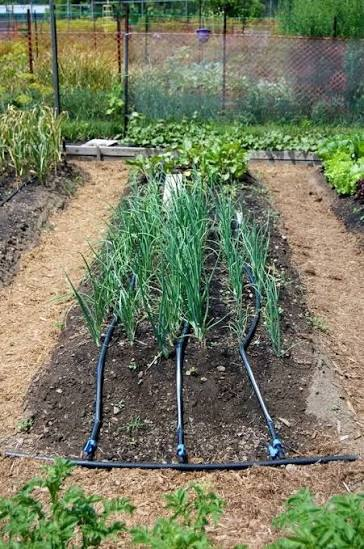
- Step 5: Mulch or Install Drip: Apply straw mulch or lay drip irrigation lines. Drip irrigation on raised beds is the gold standard for commercial onion farming in Kenya.
- Step 6: Firm the Sides: Lightly firm the bed sides to prevent collapse during rains, but keep the top loose for root penetration.
Common Mistakes in Bed Preparation for Onion Farming in Kenya:
- Mistake 1: Ignoring Soil Texture: Building sunken beds on heavy clay without drainage modifications is a recipe for disaster. Always test your soil before deciding on bed type for onion farming in Kenya.
- Mistake 2: Beds That Are Too Wide: Beds wider than 1.2 meters make it impossible to reach the center for weeding and scouting. Keep beds manageable.
- Mistake 3: Skipping pH Adjustment: Onions prefer slightly acidic to neutral soil. Many farmers in onion farming in Kenya overlook lime application, locking up nutrients in acidic highland soils.
- Mistake 4: Poor Furrow Maintenance Whether sunken or raised, clogged or eroded furrows destroy the bed’s functionality. Regular furrow maintenance is non-negotiable in onion farming in Kenya.
Integrated Practices That Boost Either System:
Regardless of your bed choice, these practices elevate onion farming in Kenya:
1. Certified Seedlings: Always use certified seed and seedling varieties suited to your region Red Coach, Bombay Red, or Texas Early Grano. Quality seed is the foundation of profitable onion farming in Kenya.
2. Precision Spacing: Plant at 10 cm by 15 cm spacing for bulb onions. Overcrowding reduces bulb size; undercrowding wastes land.
3. Fertigation: Combine fertilizer application with irrigation for precise nutrient delivery. This is especially effective on raised beds with drip systems in onion farming in Kenya.
4. Crop Rotation: Never plant onions after tomatoes, peppers, or other alliums. Rotate with legumes or cereals to break disease cycles.
5. Timely Harvesting: Harvest when 50–80% of tops have fallen over. Delayed harvest in wet conditions causes sprouting and rotting major losses in onion farming in Kenya.
6. Proper Curing Cure bulbs for 2–3 weeks under shade with good ventilation. Proper curing extends shelf life from weeks to months, critical for market timing in onion farming in Kenya.
Are you in need of in-depth knowledge on onion and garlic production? If yes, we are a call away. Contact us for: Onion seedlings, Garlic seedlings, Germinated garlic cloves, Farm planning services, Soil testing, training on onion and garlic growing, Drip irrigation installation and maintenance, Agronomic support, Onion and Garlic value pack and Farm management. For free consultation, placing orders or booking a visit with an agronomist, please contact us via Call or what’s app +254703982228, Email: info@oniondoctor.co.ke You can also check out our social media handles for daily updates on TikTok: https://www.tiktok.com/@oniondoctorke0706252490?_r=1&_t=ZS-96UPUyx6ESL Instagram:https://www.instagram.com/oniondoctorke?igsh=MW5sZzJ6c3BnZ3Z0dw==Facebook:https://www.facebook.com/share/1HouRgLCwS/Twitter:https://x.com/OnionDoctorKe?s=20