
Garlic farming in Kenya has exploded in popularity over the past five years. From the highlands of Nyeri to the fertile soils of Nakuru, thousands of Kenyan farmers are discovering that garlic farming in Kenya offers remarkable profit potential. A single acre can produce 4-6 tonnes with farm-gate prices ranging from KES 150-250 per kilogram. But here’s the reality that every successful garlic farmer in Kenya must face: pests don’t care about your profit margins. Whether you’re a smallholder with a backyard plot or a commercial operation scaling across multiple acres, pests can destroy months of careful work in weeks. At Onion Doctor, we’ve worked with over 1,000 farmers across Kenya, transforming arid lands into thriving garlic farms . We’ve seen firsthand how pest management makes the difference between a bumper harvest and total crop failure. This guide is your definitive resource for understanding, identifying, and eliminating every major pest that threatens garlic farming in Kenya. Let’s dive deep into the world of garlic pests and arm you with the knowledge to protect your investment.
Understanding the Garlic Pest Landscape in Kenya:
The Unique Challenges of Garlic Farming in Kenya:
Garlic farming in Kenya operates within a specific agro-ecological context that creates unique pest pressures. Kenya’s diverse climate zones from the humid highlands to semi-arid lowlands mean that pest profiles vary significantly by region.
Key factors affecting pest pressure in garlic farming in Kenya:
- Climate variability: Kenya’s changing rainfall patterns create unpredictable pest outbreaks
- Soil diversity: From volcanic soils in the Rift Valley to red soils in Central Kenya, different soils harbor different pest populations.
- Altitude ranges: Garlic farming in Kenya occurs between 500-2,000 meters above sea level, each zone with distinct pest challenges.
- Limited extension services: Many farmers practicing garlic farming in Kenya lack access to timely expert advice.
Understanding these contextual factors is essential because pest management in garlic farming in Kenya isn’t just about spraying chemicals it’s about working with your environment.
The 5 Most Destructive Garlic Pests in Kenya:
1. Onion Thrips: The #1 Enemy of Garlic Farming in Kenya:
Threat Level: CRITICAL:
If there’s one pest that keeps garlic farming in Kenya experts awake at night, it’s the onion thrip. These microscopic insects are perhaps the most economically damaging pest affecting garlic farming in Kenya today.
What They Look Like:
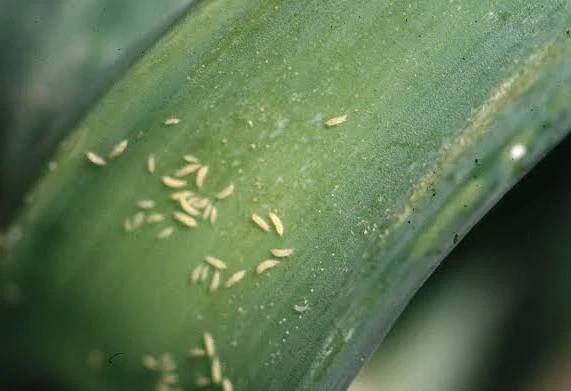
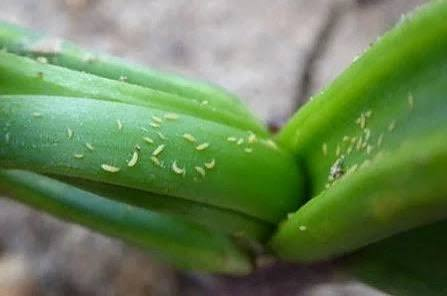
- Tiny, slender insects (1-2 mm long)
- Yellow to brown coloration.
- Fringed wings that appear as a silver line.
- Seven-segmented antennae.
The Damage They Cause:
- Thrips pierce garlic leaf cells and suck out the contents, leaving behind distinctive silvery-white streaks. Heavy infestations cause leaf curling, stunted growth, and dramatically reduced photosynthesis.
Why They’re Especially Dangerous for Garlic Farming in Kenya:
- Thrips thrive in warm, dry conditions exactly what many garlic-growing regions of Kenya experience during critical growing periods. In counties like Narok and parts of the Rift Valley, thrips populations can explode during dry spells.
Onion Doctor’s Management Strategy for Garlic Farming in Kenya:
- Preventive spray: use neem oil or insecticidal soap.
- Monitor with yellow sticky traps.
- If threshold exceeded, apply appropriate agrochemicals.
- Continue monitoring.
2. Bulb Mites: The Hidden Destroyer of Garlic Farming in Kenya:
Threat Level: HIGH
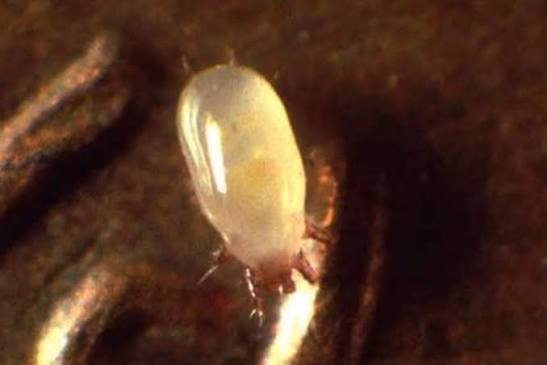
Bulb mites are microscopic pests that operate beneath the surface, making them particularly cunning for garlic farming in Kenya. These creamy-white mites cluster under bulb scales and at the base of roots, often going unnoticed until significant damage has occurred.
What They Look Like:
- Microscopic (0.5-1 mm), creamy-white mites
- Often found in dense clusters
- Visible as a “wool-like” mass between bulb scales in heavy infestations
The Damage They Cause:
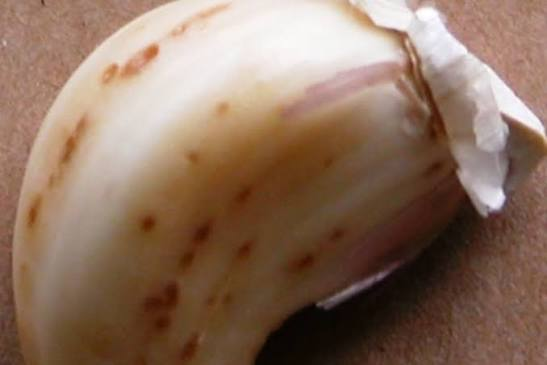
- Bulb mites chew through garlic bulb tissue, creating soft, rotten spots. They open pathways for secondary bacterial and fungal infections. Infested bulbs may appear normal above ground while rotting internally a nightmare scenario for garlic farming in Kenya where post-harvest losses are already a major concern.
Economic Impact on Garlic Farming in Kenya:
- Mite-damaged bulbs have zero market value. In severe infestations, entire harvests can be lost, this represents catastrophic financial damage.
Onion Doctor’s Prevention Protocol for Garlic Farming in Kenya:
- Hot Water Treatment: Soak seed cloves in warm water for 20 minutes before planting. This kills mites without damaging the clove.
- Use Certified Seed: Always plant disease-free, certified garlic cloves from Onion Doctor.
- Soil Solarization: Cover moist beds with clear polyethylene for 20-30 days before planting to kill soil-borne mites and pathogens.
- Crop Rotation: Never plant garlic or other Alliums in the same field for consecutive seasons.
3. Onion Maggot: The Underground Killer:
Threat Level: HIGH
The onion maggot is a devastating pest that has recently emerged as a major threat to garlic farming in Kenya.
What They Look Like:
- Adults: Small, slender gray flies resembling houseflies (about 6 mm long)
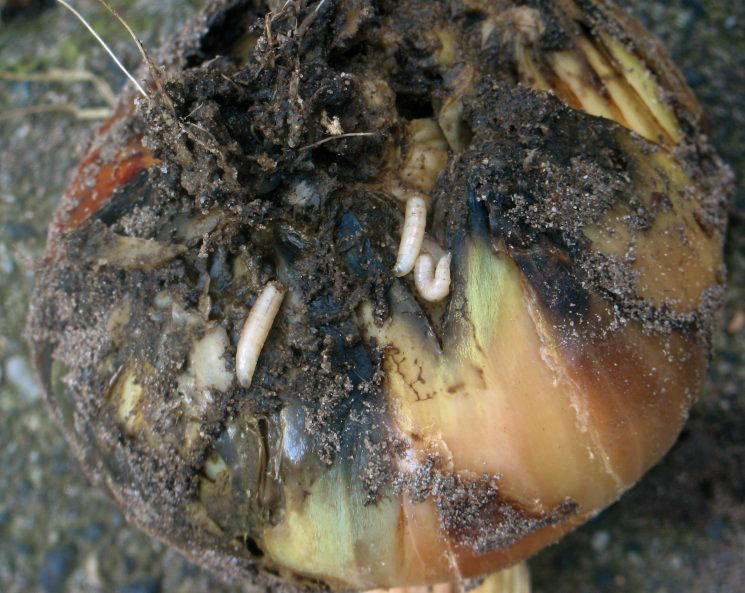
- Larvae: Creamy-white, legless maggots (about 8 mm long), tapered at one end
The Damage They Cause:
- Larvae feed on garlic roots and bulbs underground, causing wilting, yellowing, and eventual plant death. They create entry points for rot pathogens. Infected plants may suddenly collapse with no visible above-ground warning signs.
Regional Impact on Garlic Farming in Kenya:
- Onion maggot damage is particularly severe in Kenya’s upper highland agro-ecological zones and lower highland zones. Farmers in Nyeri, Nyandarua, and parts of Kiambu practicing garlic farming in Kenya should be especially vigilant.
Onion Doctor’s Integrated Management for Garlic Farming in Kenya:
- Cultural Control: Practice strict crop rotation (3-4 years away from Alliums)
- Physical Barriers: Use row covers during peak fly activity periods
- Biological Control: Apply beneficial nematodes to soil
- Chemical Control: As last resort, use targeted insecticides at planting.
4. Leaf Miners: The Photosynthesis Thief:
Threat Level: MODERATE-HIGH
Leaf miners are tiny flies whose larvae create distinctive white, winding tunnels inside garlic leaves. While less discussed than thrips, they pose a genuine threat to garlic farming in Kenya, particularly in humid regions.
What They Look Like:
- Adults: Small black-and-yellow flies (2-3 mm)
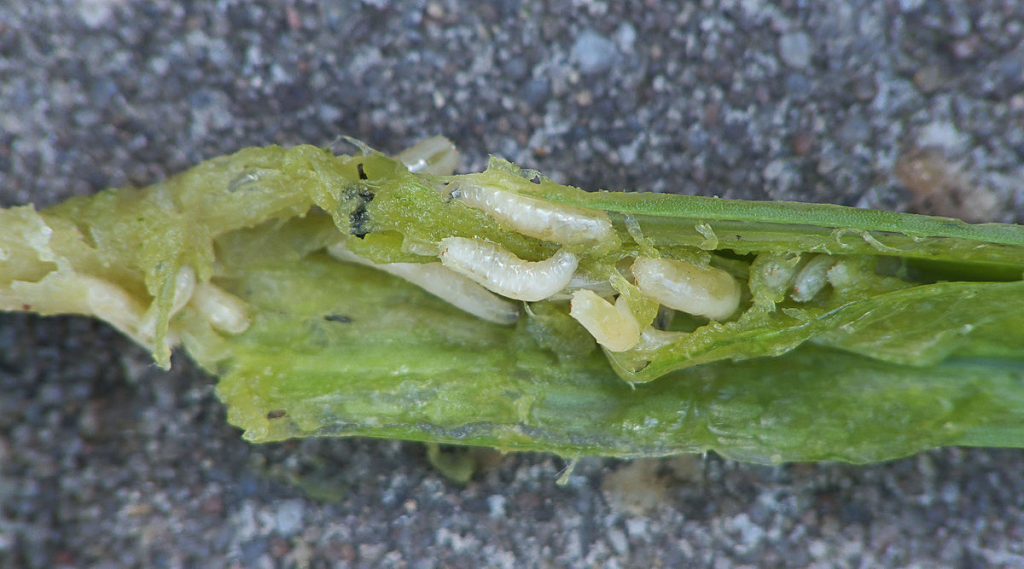
- Larvae: White, legless maggots visible inside leaf tunnels
- Damage Signs: White, serpentine trails on leaves; eventual leaf browning and death
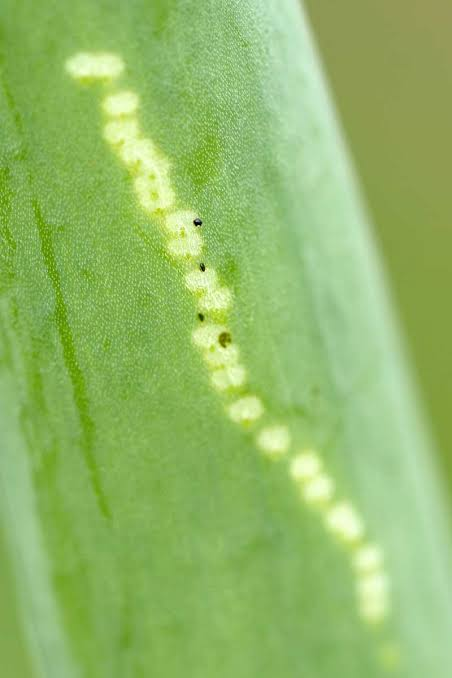
The Damage They Cause:
- By tunneling through leaf tissue, leaf miners destroy the photosynthetic machinery of the plant. Heavy infestations can reduce yields by 30-40%. In humid areas of Kenya like Narok and parts of Western Kenya, leaf miners can be particularly problematic for garlic farming in Kenya.
Why They Matter for Garlic Farming in Kenya:
- Damaged leaf tissue creates entry points for fungal pathogens. In Kenya’s climate, where humidity can spike during rainy seasons, this secondary infection pathway is especially dangerous.
Onion Doctor’s Management Approach for Garlic Farming in Kenya:
- Monitor Early: Inspect leaves weekly for the first signs of tunneling
- Remove Infested Leaves: Prune and destroy (burn) heavily infested leaves immediately
- Biological Control: Release parasitic wasps which are natural enemies of leaf miners
- Avoid Broad-Spectrum Insecticides: These kill the natural enemies that keep leaf miners in check.
5. Nematodes: The Silent Soil Contaminator:
Threat Level: HIGH
Stem and bulb nematodes are microscopic worms that represent one of the most challenging pests for garlic farming in Kenya. Once established in soil, they can persist for years, making field recovery extremely difficult.
What They Look Like:
- Microscopic, worm-like (0.8-1.2 mm long)
- Visible between bulb scales as “wool-like” masses in heavy infestations
- Often detected by symptoms rather than visual identification
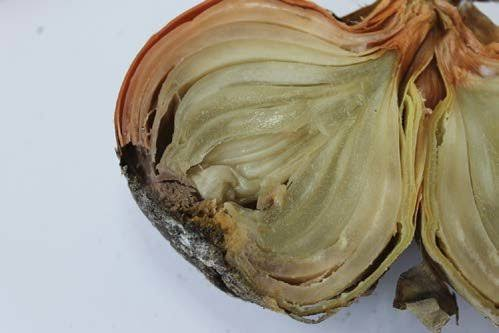
The Damage They Cause:
- Nematodes cause “bloat” or swelling of garlic cloves, yellowing, stunted growth, and bulb softening. The basal plate may crack, and roots may be severely damaged or absent. Infected bulbs rot quickly in storage.
Long-Term Impact on Garlic Farming in Kenya:
- Nematodes are soil-borne and can survive in soil for years without a host. A single infested field can compromise garlic farming in Kenya for an entire farm for multiple seasons. This makes prevention absolutely critical.
Onion Doctor’s Nematode Management Protocol for Garlic Farming in Kenya:
| Strategy | Implementation | Effectiveness |
|---|---|---|
| Hot water treatment | 49°C for 20-30 minutes before planting | High |
| Use certified nematode-free seed | Source from reputable suppliers like Onion Doctor | High |
| Soil solarization | 4-6 weeks with clear plastic during hot season | Moderate-High |
| Crop rotation | 4+ years away from Alliums | Moderate |
| Soil fumigation | Professional application | High (but costly) |
Onion Doctor’s Integrated Pest Management (IPM) Framework for Garlic Farming in Kenya:
After working with hundreds of farmers practicing garlic farming in Kenya, we’ve developed a comprehensive IPM framework that minimizes chemical inputs while maximizing yields.
Phase 1: Prevention (Before Planting):
Soil Health Management:
- Conduct professional soil testing (Onion Doctor offers this service)
- Adjust pH to 5.5-7.0 optimal range for garlic
- Incorporate well-decomposed organic matter to boost beneficial soil biology.
- Practice soil solarization for 20-30 days to kill soil-borne pests.
Seed Quality Assurance:
- Use only certified, disease-free seed cloves from Onion Doctor.
- Perform hot water treatment (49°C for 20 minutes) for nematode and mite control
- Inspect every clove before planting reject any showing discoloration, softness, or damage
Field Selection:
- Choose fields with no history of Allium crops for at least 3 years
- Ensure good drainage waterlogged soils promote rot diseases
- Plan for proper spacing (30 cm between rows, 15 cm between plants).
Phase 2: Monitoring (During Growing Season):
Weekly Scouting Protocol for Garlic Farming in Kenya:
- Inspect 20 random plants per acre
- Check undersides of leaves for thrips and eggs
- Look for mining trails, yellowing, or wilting
- Examine soil around plant bases for maggot activity
- Record findings in a pest diary
Economic Thresholds for Action:
- Thrips: 1-2 thrips per leaf before bulbing; 3-5 per leaf during bulbing
- Leaf miners: 5% of leaves showing active mines
- Maggots: Any presence in soil samples
- Mites: Any visible damage on sampled cloves
Phase 3: Intervention (When Thresholds Are Exceeded):
Biological Control First:
- Neem oil (0.4% solution): Effective against thrips, aphids, and mites
- Beneficial nematodes: For soil-dwelling maggots
- Parasitic wasps: For leaf miner control
Chemical Control (Last Resort):
When biological methods fail and economic thresholds are exceeded, Onion Doctor recommends chemical control.
Critical Rules for Chemical Use in Garlic Farming in Kenya:
- Never apply within 14 days of harvest
- Rotate chemical classes to prevent resistance
- Always wear protective equipment
- Follow manufacturer rates exactly overdosing doesn’t improve control and increases residues
Phase 4: Post-Harvest Protection:
Proper Curing:
- Cure harvested bulbs in well-ventilated, shaded areas for 2-4 weeks
- Maintain air circulation to prevent moisture buildup
- Inspect regularly and remove any bulbs showing rot or pest damage
Storage Conditions:
- Store cured garlic at 0-4°C with 60-70% humidity for maximum shelf life (up to 6 months) [id: web_search:3#3]
- For small-scale garlic farming in Kenya, traditional storage in well-ventilated racks works wel
Common Mistakes in Pest Management for Garlic Farming in Kenya:
After consulting with hundreds of farmers, we’ve identified these critical errors:
1. “Spray and Pray” Approach:
Applying broad-spectrum insecticides weekly without monitoring kills beneficial insects, creates resistance, and wastes money. Over 95% of Kenyan farmers over-rely on synthetic insecticides with limited success.
2. Ignoring Preventive Measures:
Waiting for pests to appear before acting is too late. Prevention through soil health, certified seed, and crop rotation is 10x more cost-effective than curative treatments.
3. Using Wrong Products:
Many farmers use products labeled for “onions” without checking if they’re approved for garlic. Active ingredients, rates, and PHI (pre-harvest intervals) may differ.
4. Poor Timing:
Applying pesticides during peak sunlight causes rapid degradation. Spraying when pollinators are active harms beneficial insects. Timing matters as much as product choice
5. Inadequate Record Keeping:
Without records of what was applied, when, and results, farmers can’t learn from experience or comply with market requirements.
Are you in need of in-depth knowledge on onion and garlic production? If yes, we are a call away. Contact us for: Onion seedlings, Garlic seedlings, Germinated garlic cloves, Farm planning services, Soil testing, training on onion and garlic growing, Drip irrigation installation and maintenance, Agronomic support, Onion and Garlic value pack and Farm management. For free consultation, placing orders or booking a visit with an agronomist, please contact us via Call or what’s app +254703982228, Email: info@oniondoctor.co.ke You can also check out our social media handles for daily updates on TikTok: https://www.tiktok.com/@oniondoctorke0706252490?_r=1&_t=ZS-96UPUyx6ESL Instagram:https://www.instagram.com/oniondoctorke?igsh=MW5sZzJ6c3BnZ3Z0dw==Facebook:https://www.facebook.com/share/1HouRgLCwS/Twitter:https://x.com/OnionDoctorKe?s=20