
Garlic farming in Kenya has emerged as one of the most lucrative agribusiness opportunities for smallholder and commercial farmers alike. As we move into 2026, demand for both local consumption and export markets continues to rise, making garlic farming in Kenya an attractive investment. Whether you are a beginner exploring horticultural crops or an experienced farmer diversifying your portfolio, this comprehensive guide covers every aspect of garlic farming in Kenya to help you maximize profitability. At Onion Doctor, we have supported thousands of farmers across the country
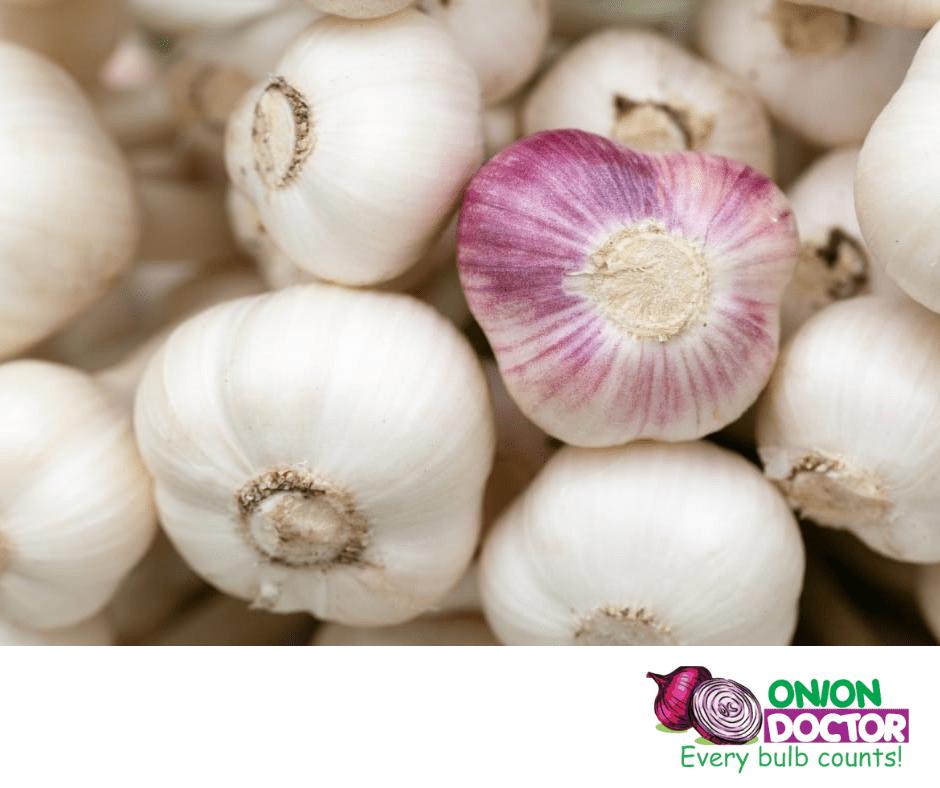
Why Garlic Farming in Kenya Is Highly Profitable:
Garlic farming in Kenya offers exceptional returns compared to many traditional crops. Here is why smart farmers are switching to this high-value crop:
- High Market Demand: Both fresh and dried garlic command premium prices in local markets, supermarkets, and export channels.
- Low Post-Harvest Losses: When cured and stored properly, garlic can last for months, reducing the urgency to sell immediately.
- Small Land Requirements: You can start garlic farming in Kenya on as little as an eighth of an acre and still generate significant income.
- Repeat Customers: Restaurants, hotels, and households require garlic consistently, creating reliable market streams.
Farmers practicing garlic farming in Kenya on one acre can potentially earn between KSh 400,000 and KSh 800,000 per season, depending on variety and management practices.
Climate and Soil Requirements for Garlic Farming in Kenya:
Successful garlic farming in Kenya depends heavily on selecting the right location and understanding your soil profile.
Ideal Climate Conditions:
- Altitude: 0 to 1,900 meters above sea level
- Temperature: 15°C to 25°C for optimal bulb development
- Rainfall: 500 to 700 mm annually, though supplemental irrigation is recommended for uniform growth
Regions such as Meru, Nakuru, Narok, Laikipia, and parts of Kiambu have proven excellent for garlic farming in Kenya due to their favorable climatic conditions.
Soil Requirements:
- Well-drained loamy soils with a pH of 5.5 to 6.8
- Heavy clay soils should be avoided or heavily amended with organic matter
- Conduct a soil test before starting garlic farming in Kenya to determine nutrient deficiencies
Best Garlic Varieties for Garlic Farming in Kenya:
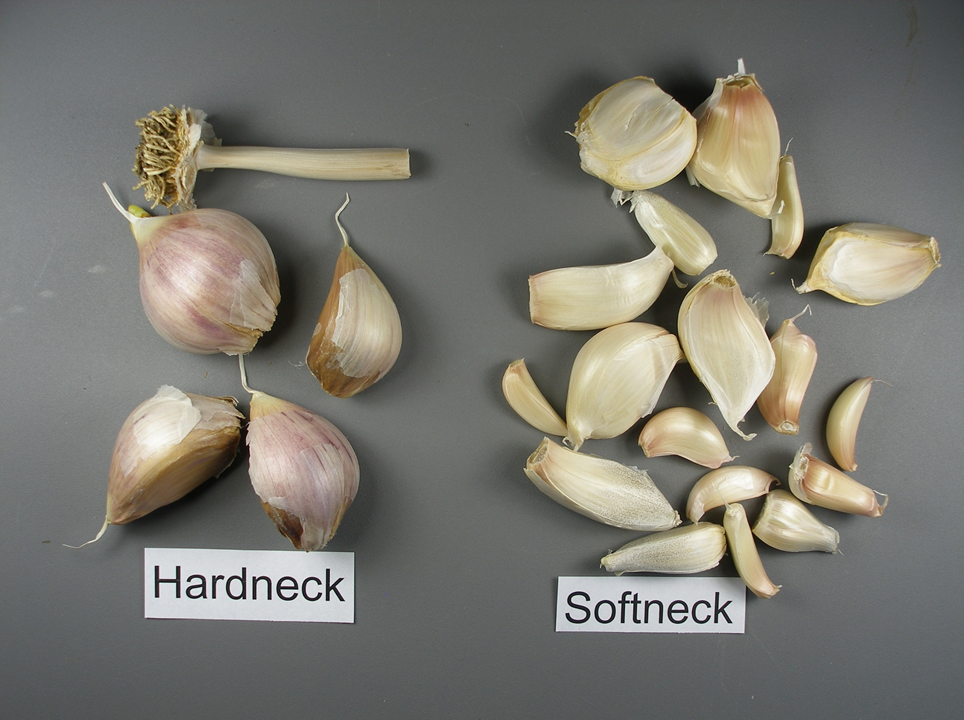
Choosing the right variety is critical for success in garlic farming in Kenya. The two main categories are:
| Variety Type | Characteristics | Best For |
|---|---|---|
| Softneck Garlic | No flower stalks, longer shelf life, more cloves per bulb | Warm regions, commercial export |
| Hardneck Garlic | Produces scapes, fewer but larger cloves, cold-hardy | High-altitude areas, specialty markets |
Land Preparation for Garlic Farming in Kenya:
Proper land preparation sets the foundation for profitable garlic farming in Kenya. Follow these steps:
- Clear the Field: Remove all weeds, previous crop residues, and debris.
- Plough and Harrow: Till the soil to a fine tilth, approximately 15 to 20 cm deep.
- Add Organic Matter: Incorporate well-decomposed manure at 10 to 15 tons per acre.
- Level the Field: Ensure uniform drainage to prevent waterlogging, which is detrimental to garlic farming in Kenya.
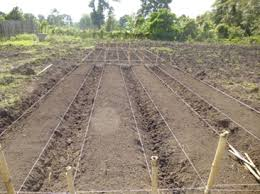
- Prepare Raised Beds: Beds should be 1.2 meters wide and 20 to 30 cm high to improve drainage and root penetration.
Planting Guide: Step-by-Step Garlic Farming in Kenya:
Timing and technique determine your yield in garlic farming in Kenya. Here is the recommended process:
When to Plant:
The best planting seasons for garlic farming in Kenya are:
- Short Rains: October to November
- Long Rains: March to April
However, with irrigation, garlic farming in Kenya can be practiced year-round, giving farmers multiple harvest cycles.
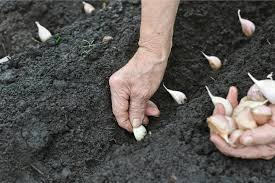
Spacing and Depth:
- Clove Spacing: 10 to 15 cm between cloves
- Row Spacing: 30 cm between rows
- Planting Depth: 2 to 5 cm with the pointed end facing upward
For commercial garlic farming in Kenya, plant population should target 300,000 to 400,000 plants per acre for maximum bulb size and yield.
Seed Rate:
You will need approximately 300 kg of garlic cloves per acre. Using high-quality cloves from Onion Doctor is non-negotiable in professional garlic farming in Kenya.
Irrigation and Water Management in Garlic Farming in Kenya:
Water stress is the leading cause of poor bulb formation in garlic farming in Kenya. Consider these guidelines:
- Germination Phase: Keep soil consistently moist for the first 2 to 3 weeks.
- Bulb Formation: This is the most critical stage; never allow the soil to dry completely.
- Pre-Harvest: Reduce irrigation 2 to 3 weeks before harvesting to promote curing and reduce rotting.
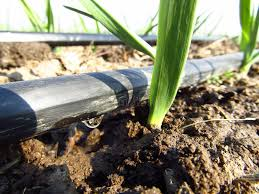
Drip irrigation is highly recommended for garlic farming in Kenya because it:
- Delivers water directly to the root zone
- Reduces fungal diseases caused by wet foliage
- Saves up to 40% of water compared to overhead systems
Fertilization and Nutrition for Garlic Farming in Kenya:
Balanced nutrition is essential for high yields in garlic farming in Kenya. Apply fertilizers based on soil test results, but generally:
| Growth Stage | Fertilizer Recommendation |
|---|---|
| Basal (Planting) | DAP or organic |
| Top Dressing (3-4 weeks) | CAN or urea |
| Bulb Swelling (6-8 weeks) | NPK |
Pest and Disease Management in Garlic Farming in Kenya:
Protecting your crop is crucial for profitable garlic farming in Kenya. Common threats include:
Major Pests:
- Thrips: Cause silvery streaks on leaves; use insecticidal soap or recommended pesticides.
- Nematodes: Attack roots and bulbs; practice crop rotation and use certified seed.
- Onion Fly: Maggots bore into bulbs; maintain field hygiene.
Common Diseases:
- White Rot: The most devastating disease in garlic farming in Kenya; there is no cure, so prevention through certified seed and crop rotation is essential.
- Rust: Orange pustules on leaves; apply fungicides early.
- Downy Mildew: Yellow patches on leaves; improve air circulation and avoid overhead irrigation.
Integrated Pest Management (IPM) is the best approach for sustainable garlic farming in Kenya.
Harvesting and Post-Harvest Handling in Garlic Farming in Kenya:
Knowing when to harvest determines your final profit in garlic farming in Kenya. Watch for these signs:
- Leaves begin to yellow and dry from the tips downward
- Approximately 50% of the leaves have turned brown
- Bulbs are well-formed with tight, dry outer skins
Harvesting Technique:
- Loosen the soil with a fork to avoid damaging bulbs.
- Pull the bulbs gently and brush off excess soil.
- Do not wash bulbs unless processing immediately; moisture invites rot.
Curing and Storage:
Curing is a critical step in garlic farming in Kenya that many farmers overlook:
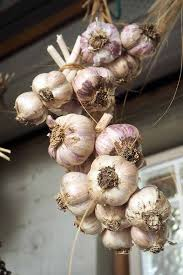
- Hang bulbs in bundles or spread on racks in a well-ventilated, shaded area.
- Cure for 2 to 4 weeks until outer skins are papery and necks are completely dry.
- Store in a cool, dry place with good air circulation.
Properly cured garlic from garlic farming in Kenya can store for 6 to 8 months, allowing you to sell when prices peak.
Marketing and Profitability of Garlic Farming in Kenya:
Understanding your market is as important as production in garlic farming in Kenya.
Market Channels:
- Local Markets: Wakulima Market, Muthurwa, and county open-air markets
- Supermarkets and Retail Chains: Naivas, Carrefour, and local grocery stores
- Hotels and Restaurants: High-volume, consistent buyers
- Export Markets: Middle East and European markets pay premium prices for certified organic garlic
2026 Price Outlook:
As of 2026, a kilogram of garlic retails between KSh 150 and KSh 300, depending on quality and point of sale. Farmers practicing good garlic farming in Kenya techniques can achieve yields of 4 to 6 tons per acre.
Sample Profit Calculation (Per Acre):
- Gross Revenue: 5,000 kg × KSh 200 = KSh 1,000,000
- Production Costs: KSh 350,000 (seed, labor, inputs, irrigation)
- Net Profit: KSh 650,000
This makes garlic farming in Kenya one of the highest-return-per-acre enterprises available to Kenyan farmers today.
Challenges in Garlic Farming in Kenya:
While highly profitable, garlic farming in Kenya comes with challenges that farmers must anticipate:
- High Initial Seed Cost: Quality seed garlic can be expensive, but it pays off in yield.
- Long Crop Duration: Garlic takes 4 to 5 months to mature, tying up capital.
- Disease Pressure: White rot can wipe out entire fields if prevention is neglected.
- Market Fluctuations: Prices vary seasonally; storage allows farmers to wait for better prices.
- Counterfeit Inputs: Fake seeds and fertilizers remain a problem in garlic farming in Kenya; buy only from trusted dealers like Onion Doctor.
Expert Tips for Successful Garlic Farming in Kenya:
To excel in garlic farming in Kenya, implement these proven strategies:
- Start Small, Scale Gradually: Test with a quarter acre before committing large capital.
- Keep Records: Track input costs, yields, and market prices to refine your model.
- Join Farmer Groups: Collective bargaining improves access to inputs and markets.
- Attend Training: Agricultural shows and extension services offer valuable updates on garlic farming in Kenya.
- Invest in Quality: Never compromise on seed quality, irrigation, or soil health.
Are you in need of in-depth knowledge on onion and garlic production? If yes, we are a call away. Contact us for: Onion seedlings, Garlic seedlings, Germinated garlic cloves, Farm planning services, Soil testing, training on onion and garlic growing, Drip irrigation installation and maintenance, Agronomic support, Onion and Garlic value pack and Farm management. For free consultation, placing orders or booking a visit with an agronomist, please contact us via Call or what’s app +254703982228, Email: info@oniondoctor.co.ke You can also check out our social media handles for daily updates on TikTok: https://www.tiktok.com/@oniondoctorke0706252490?_r=1&_t=ZS-96UPUyx6ESL Instagram:https://www.instagram.com/oniondoctorke?igsh=MW5sZzJ6c3BnZ3Z0dw==Facebook:https://www.facebook.com/share/1HouRgLCwS/Twitter:https://x.com/OnionDoctorKe?s=20