
Onion farming in Kenya has quietly transformed from a subsistence activity into one of the most lucrative agribusiness ventures in East Africa. If you’ve ever wondered, “How much can I really earn from one acre of onions?” the answer might surprise you. A well-managed onion farm in Kenya can generate net profits ranging from KES 350,000 to over KES 1,000,000 per acre per season, depending on your management practices, variety choice, and market timing. In this comprehensive guide by Onion Doctor, we break down every shilling from production costs to market returns so you can make informed decisions before planting your first seedling
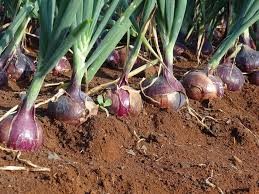
Why Onion Farming in Kenya Is a Goldmine in 2026:
Onion farming in Kenya is booming because demand never sleeps. Every Kenyan household, restaurant, hotel, and food processor uses onions daily. Unlike seasonal crops that face uncertain markets, onions enjoy inelastic demand people will always need them for cooking, whether the economy is up or down. The beauty of onion farming in Kenya lies in its short production cycle. Most hybrid varieties mature in just 90 to 120 days after transplanting, meaning you can complete two growing cycles per year on the same piece of land. This doubles your earning potential compared to crops like maize that take 6–8 months. Additionally, onion farming in Kenya benefits from favorable climatic conditions across multiple counties. From the high-altitude volcanic soils of Meru to the hot, dry plains of Kajiado, the crop adapts remarkably well provided you follow best practices.
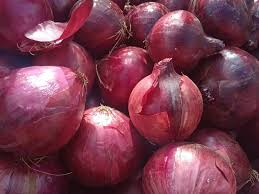
The Math: Revenue Potential from One Acre of Onions:
Let’s get straight to the numbers that matter. Here’s what the data tells us about onion farming in Kenya earnings:
Yield Potential:
With proper management using high-yielding F1 hybrid varieties, one acre of onions in Kenya can produce between 15 and 20 tonnes of bulbs.
| Yield Scenario | Production (kg) | Farm Gate Price (KES/kg) | Gross Revenue (KES) |
|---|---|---|---|
| Conservative | 15,000 kg | 40 | 600,000 |
| Moderate | 20,000 kg | 50 | 1,000,000 |
| Optimistic | 25,000 kg | 60 | 1,500,000 |
| Exceptional | 30,000 kg | 80 | 2,400,000 |
Market Price Reality:
Onion prices in Kenya fluctuate significantly based on seasonality and import volumes from Tanzania. As of 2026:
- Farm gate prices: KES 30–60 per kg during excessive periods
- Wholesale prices: KES 60–120 per kg during normal supply
- Peak season prices: KES 100–150 per kg during shortages
The key to maximizing earnings in onion farming in Kenya is timing your harvest to coincide with low-supply windows. Farmers who harvest in January–February or May–June when Tanzanian imports are minimal often command premium prices.
Complete Cost Breakdown: What It Takes to Farm One Acre of Onions in Kenya:
Understanding your costs is critical to calculating true profitability. Here’s a detailed breakdown of production expenses for onion farming in Kenya in 2026:
1. Land Preparation (KES 15,000):
- Ploughing, harrowing, and bed formation
- Deep ploughing is essential to break hard pans that restrict bulb expansion
2. Seeds & Nursery Management (KES 45,000):
- F1 Hybrid seeds (1 kg of Neptune F1 or Red Coach F1): KES 45,000–52,000
- Note: Seeds are your highest single investment, but F1 varieties deliver 2–3x the yield of open-pollinated types
3. Fertilizers & Soil Nutrition (KES 35,000):
- DAP (basal application): KES 12,000
- CAN (top-dressing for leaf growth): KES 10,000
- NPK (bulb formation stage): KES 8,000
- Micronutrients and foliar feeds: KES 5,000
4. Crop Protection (KES 20,000):
- Fungicides for downy mildew and purple blotch control
- Insecticides for thrips management (your #1 pest enemy)
- Stickers and spreaders for effective spray coverage
5. Irrigation (KES 170,000):
- Drip irrigation installation is the gold standard for onion farming in Kenya
- In arid areas like Kajiado, irrigation infrastructure is mandatory
6. Labor (KES 40,000):
- Transplanting: KES 10,000
- Weeding (3 times): KES 15,000
- Harvesting and curing: KES 15,000
7. Post-Harvest & Miscellaneous (KES 22,000):
- Transport to market: KES 10,000
- Red net bags (15kg or 20kg packs): KES 5,000
- Storage facility rental (optional): KES 5,000
- Contingencies: KES 2,000
TOTAL PRODUCTION COST: KES 347,000 PER ACRE
Net Profit Calculation: The Bottom Line:
Now let’s put it all together. Assuming a moderate yield of 20 tonnes (20,000 kg) and an average selling price of KES 50 per kg:
| Item | Amount (KES) |
|---|---|
| Gross Revenue | 1,000,000 |
| Total Production Cost | 347,000 |
| NET PROFIT | 653,000 |
And in optimal conditions (25 tonnes at KES 80/kg during peak season):
- Gross Revenue: KES 2,000,000
- Net Profit: KES 1,653,000
This makes onion farming in Kenya one of the highest-return-per-acre crops available to small and medium-scale farmers.
Critical Success Factors for Profitable Onion Farming in Kenya:
1. Variety Selection Matters Enormously:
Not all onions are created equal. For serious profits in onion farming in Kenya, invest in these proven F1 hybrids. Avoid cheap, open-pollinated varieties unless you are specifically targeting a niche market. The yield gap between F1 hybrids and traditional varieties is massive often 10 tonnes vs. 16 tonnes per acre
2. Master the Planting Calendar:
Timing is everything in onion farming in Kenya. The “Gold Mine” planting windows are:
- Nursery in September → Harvest in January–February (highest prices)
- Nursery in January → Harvest in May–June (good prices, low import competition)
Avoid harvesting during the long rains (March–May and October–November) because:
- Curing becomes impossible in humid conditions
- Post-harvest losses spike to 30–40%
- Market prices crash due to oversupply
3. Invest in Drip Irrigation:
You cannot achieve 20+ tonnes per acre without consistent water management. Drip irrigation:
- Delivers water directly to root zones
- Enables fertigation (fertilizer + water application)
- Reduces fungal diseases caused by overhead watering
- Saves 40–60% of water compared to flood irrigation
The initial cost of KES 170,000 for a drip system pays for itself in the first season.
4. Win the War Against Thrips:
Thrips are the silent killers of onion farming in Kenya profits. These tiny insects suck sap from leaves, causing stunted growth and yield losses of up to 30%.
Thrips Management Protocol:
- Scout your field weekly, especially during dry spells
- Rotate insecticides
- Always add a sticker to your spray onion leaves are waxy and repel water
- Spray in the early morning or late evening for maximum absorption
5. Perfect Your Curing and Storage:
Curing is the process of drying onions until the neck is tight and the outer skin is papery. Properly cured onions:
- Command 30–40% higher prices than “green” onions
- Store for 4–6 months without rotting
- Allow you to hold produce and sell when prices peak
Curing Steps:
- Harvest when 70–80% of tops have fallen over
- Lift bulbs carefully to avoid bruising
- Leave in the field for 2–3 days of initial drying
- Transfer to a shaded, well-ventilated area for 10–14 days
- Trim roots and tops to 2–3 cm
- Store in mesh bags or ventilated crates
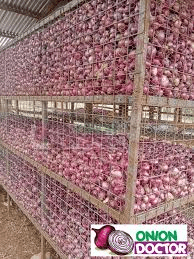
Farmers who master curing in onion farming in Kenya effectively turn their stores into “banks” where they can withdraw money when market conditions are favorable.
Risk Management: Protecting Your Investment:
Like any business, onion farming in Kenya carries risks. Here’s how to mitigate them:
| Risk | Mitigation Strategy |
|---|---|
| Price crashes during glut | Store cured onions; sell during shortage months |
| Tanzanian import competition | Time harvest for January–February window |
| Disease outbreaks (Purple Blotch, Downy Mildew) | Preventative spraying, crop rotation, proper spacing |
| Thrips infestation | Weekly scouting, insecticide rotation, sticky sprays |
| Post-harvest losses | Invest in proper curing and ventilated storage |
| Drought/water stress | Install drip irrigation, harvest rainwater |
Scaling Your Onion Farming in Kenya Business:
If one acre can net you KES 500,000–800,000, imagine the potential at scale:
| Farm Size | Estimated Net Profit (2 cycles/year) |
|---|---|
| 1 acre | KES 1,000,000–1,600,000 |
| 2 acres | KES 2,000,000–3,200,000 |
| 5 acres | KES 5,000,000–8,000,000 |
However, Onion Doctor recommends: Start with an acre. Master nursery management, build a relationship with a reliable buyer, and scale up after your first successful harvest. Many farmers who rush into large-scale onion farming in Kenya without experience face devastating losses from poor timing or pest management.
Are you in need of in-depth knowledge on onion and garlic production? If yes, we are a call away. Contact us for: Onion seedlings, Garlic seedlings, Germinated garlic cloves, Farm planning services, Soil testing, training on onion and garlic growing, Drip irrigation installation and maintenance, Agronomic support, Onion and Garlic value pack and Farm management. For free consultation, placing orders or booking a visit with an agronomist, please contact us via Call or what’s app +254703982228, Email: info@oniondoctor.co.ke You can also check out our social media handles for daily updates on TikTok: https://www.tiktok.com/@oniondoctorke0706252490?_r=1&_t=ZS-96UPUyx6ESL Instagram:https://www.instagram.com/oniondoctorke?igsh=MW5sZzJ6c3BnZ3Z0dw==Facebook:https://www.facebook.com/share/1HouRgLCwS/Twitter:https://x.com/OnionDoctorKe?s=20