
Onion farming in Kenya is one of the most profitable agribusiness ventures for smallholder and commercial farmers alike. With high demand in local markets across Nairobi, Mombasa, Eldoret, and Kisumu, and significant import gaps to fill, onion farming in Kenya presents a golden opportunity. However, many farmers unknowingly destroy their soil health and their profits by planting onions in the same field season after season. At Onion Doctor, we believe that sustainable onion farming in Kenya starts below the ground. Crop rotation is not just a good agricultural practice; it is the foundation of long-term profitability, soil fertility, and disease resistance. This comprehensive guide will walk you through everything you need to know about implementing effective crop rotation strategies specifically designed for onion farming in Kenya.
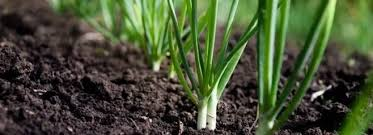
What Is Crop Rotation and Why Is It Critical for Onion Farming in Kenya?:
Crop rotation is the systematic practice of growing different types of crops in the same area across sequential seasons. For onion farming in Kenya, this practice is absolutely essential because onions belong to the Allium family a plant group that is highly susceptible to soil-borne diseases, nutrient depletion, and pest buildup. When you practice continuous onion farming in Kenya without rotation, you create the perfect environment for pathogens like white rot to multiply in the soil. These pathogens can survive in the soil for years, making your land increasingly unproductive. Crop rotation breaks this cycle, giving your farm a fighting chance.
The Science Behind Crop Rotation in Onion Farming in Kenya:
1. Breaking Disease Cycles:
The most compelling reason to adopt crop rotation in onion farming in Kenya is disease management. Diseases such as downy mildew, purple blotch, pink root, neck rot, and white rot are major threats to onion farming in Kenya. These diseases are caused by fungi and bacteria that persist in the soil and infect subsequent onion crops. According to agricultural research, crop rotation with non-Allium crops is the single most effective cultural practice for reducing soil-borne disease pressure in onion farming in Kenya. By introducing unrelated crops, you starve the pathogens of their host, causing their populations to decline significantly over time.
2. Improving Soil Structure and Fertility:
Onions are heavy feeders that extract substantial amounts of nitrogen, phosphorus, and potassium from the soil. Continuous onion farming in Kenya without replenishment leads to nutrient imbalances and declining yields. Strategic crop rotation introduces nitrogen-fixing legumes like beans, peas, and cowpeas, which naturally restore soil nitrogen levels, reducing your dependence on expensive synthetic fertilizers.
3. Controlling Pests Naturally:
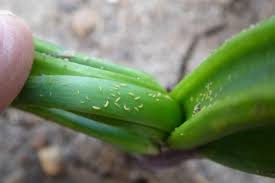
Pests such as onion thrips, onion flies, cutworms, and nematodes are relentless enemies of onion farming in Kenya. These pests overwinter in the soil and attack new onion plantings with devastating efficiency. Rotating with non-host crops disrupts their life cycles, reducing pest pressure without excessive pesticide use.
4. Enhancing Weed Management:
Different crops compete with different weed species. By diversifying your farm through crop rotation, you prevent specific weed populations from dominating your fields. This is particularly important in onion farming in Kenya, where onions are poor competitors against aggressive weeds during their early growth stages.
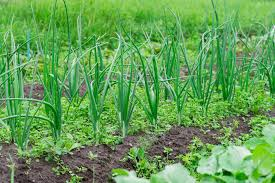
Recommended Crop Rotation Cycles for Onion Farming in Kenya:
At Onion Doctor, we recommend the following proven rotation cycles tailored for onion farming in Kenya:
Cycle 1: The Classic 4-Year Rotation:
| Year | Crop | Benefits for Onion Farming in Kenya |
|---|---|---|
| Year 1 | Onions | Primary cash crop |
| Year 2 | Legumes (Beans, Peas, Cowpeas, Green grams) | Fix atmospheric nitrogen; break disease cycles |
| Year 3 | Cereals/Grasses (Maize, Sorghum, Millet) | Improve soil structure; utilize residual nitrogen |
| Year 4 | Brassicas (Cabbage, Kale, Broccoli) | Different nutrient profile; suppress soil-borne pests |
Cycle 2: The 3-Year Intensive Rotation:
| Year | Crop | Role in Onion Farming in Kenya |
|---|---|---|
| Year 1 | Onions | Main production season |
| Year 2 | Legumes + Cover Crops | Nitrogen fixation and soil cover |
| Year 3 | Root Crops (Carrots, Beetroot)or Solanaceous Crops (Tomatoes, Capsicum) | Diversify income; different pest profile |
Best Crops to Rotate with Onions in Kenya:
Not all crops make good rotation partners for onion farming in Kenya. Here are the top recommended crops based on agricultural research and field experience:
Excellent Rotation Partners:
- Beans and Peas: Legumes are the best friends of onion farming in Kenya. They fix nitrogen, improve soil structure, and break pest cycles.
- Maize: A staple in Kenyan agriculture, maize provides good ground cover and utilizes different soil nutrients.
- Cabbage and Kale (Sukuma Wiki): These brassicas have different pest profiles and nutrient requirements, making them ideal rotation crops.
- Carrots: Root crops improve soil tilth and do not share major diseases with onions.
- Cowpeas and Green Grams: Drought-tolerant legumes perfect for arid regions practicing onion farming in Kenya.
Crops to Avoid in Rotation with Onions:
- Garlic, Leeks, Shallots, Chives: These are all Alliums and will preserve the same diseases.
- Tomatoes and Potatoes :Share soil-borne pathogens like Fusarium and nematodes.
- Wheat and Barley: Can host certain nematodes that also attack onions.
Economic Benefits of Crop Rotation for Onion Farmers in Kenya:
- Reduced Input Costs: Farmers practicing crop rotation in onion farming in Kenya report 30-50% reduction in fungicide and pesticide costs ,20-30% reduction in fertilizer expenses and lower irrigation costs due to improved soil water retention.
- Higher Onion Yields: Healthy, disease-free soil translates to better bulb formation and higher yields. Well-managed onion farming in Kenya with proper rotation can achieve 16,000–25,000 kg per acre, depending on the variety.
- Diversified Income Streams: Rotation crops like French beans, peas, and maize provide additional revenue, reducing financial risk. For commercial onion farming in Kenya, this diversification is crucial for business sustainability.
- Premium Market Access: Certified sustainable farming practices, including crop rotation, can open doors to premium markets and export opportunities for onion farming in Kenya.
Common Mistakes to Avoid in Crop Rotation for Onion Farming in Kenya:
- Returning Too Soon : Planting onions after only 1 year off is insufficient. Minimum 3 years is recommended.
- Poor Record Keeping: Without records, you lose track of what was planted where, undermining the rotation strategy.
- Ignoring Weed Hosts: Some weeds host onion diseases. Control weeds in rotation crops too.
- Using Contaminated Manure: Manure from animals fed on onion waste can reintroduce diseases.
- Neglecting Soil Testing :Rotation decisions should be data-driven, not guesswork
Are you in need of in-depth knowledge on onion and garlic production? If yes, we are a call away. Contact us for: Onion seedlings, Garlic seedlings, Germinated garlic cloves, Farm planning services, Soil testing, training on onion and garlic growing, Drip irrigation installation and maintenance, Agronomic support, Onion and Garlic value pack and Farm management. For free consultation, placing orders or booking a visit with an agronomist, please contact us via Call or what’s app +254703982228, Email: info@oniondoctor.co.ke You can also check out our social media handles for daily updates on TikTok: https://www.tiktok.com/@oniondoctorke0706252490?_r=1&_t=ZS-96UPUyx6ESL Instagram:https://www.instagram.com/oniondoctorke?igsh=MW5sZzJ6c3BnZ3Z0dw==Facebook:https://www.facebook.com/share/1HouRgLCwS/Twitter:https://x.com/OnionDoctorKe?s=20