
Onion farming in Kenya is one of the most profitable horticultural ventures for smallholder and large-scale farmers alike. With high demand in local markets and export potential to neighboring countries, onion farming in Kenya continues to attract thousands of growers every year. However, the success of any onion farming in Kenya operation depends heavily on how well farmers manage the numerous onion pests and diseases that can wipe out entire fields within weeks. If you are involved in onion farming in Kenya, you already know that the climate ranging from the cool highlands to the warm lowlands creates the perfect breeding ground for a wide range of fungal, bacterial, and viral pathogens, as well as destructive insect pests. This guide is designed to be the most comprehensive resource for anyone practicing onion farming in Kenya, covering everything from identification to integrated pest management (IPM) solutions. Whether you are a beginner just starting onion farming in Kenya or an experienced grower looking to refine your disease control strategy, this blog will give you the actionable insights you need to protect your crop and maximize your harvest
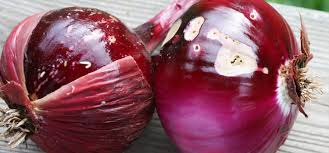
The Economic Importance of Onion Farming in Kenya:
Before diving into pests and diseases, it is important to understand why onion farming in Kenya matters so much. Onions are a staple in Kenyan cuisine, used in nearly every household daily. The horticultural sector contributes significantly to Kenya’s GDP, and onion farming in Kenya plays a vital role in food security and income generation for rural communities. Regions like Kajiado, Naivasha, Athi River, and parts of Nyeri and Nyandarua are well-known for large-scale onion farming in Kenya. The crop is favored because it has a relatively short growing cycle and high market value. However, the profitability of onion farming in Kenya is often undermined by poor pest and disease management, leading to post-harvest losses of up to 40% in some cases. To ensure sustainable onion farming in Kenya, farmers must adopt a proactive approach to crop health. This means understanding the enemy pests and diseases before they strike.
Major Fungal Diseases in Onion Farming in Kenya:
Fungal diseases are the most devastating group of pathogens affecting onion farming in Kenya. The warm days, cool nights, and frequent rainfall in many onion-growing regions create ideal conditions for fungal spores to germinate and spread.
1. Downy Mildew:
Downy mildew is arguably the most feared disease in onion farming in Kenya. It thrives in cool, humid conditions exactly what many highland areas experience during the rainy season.
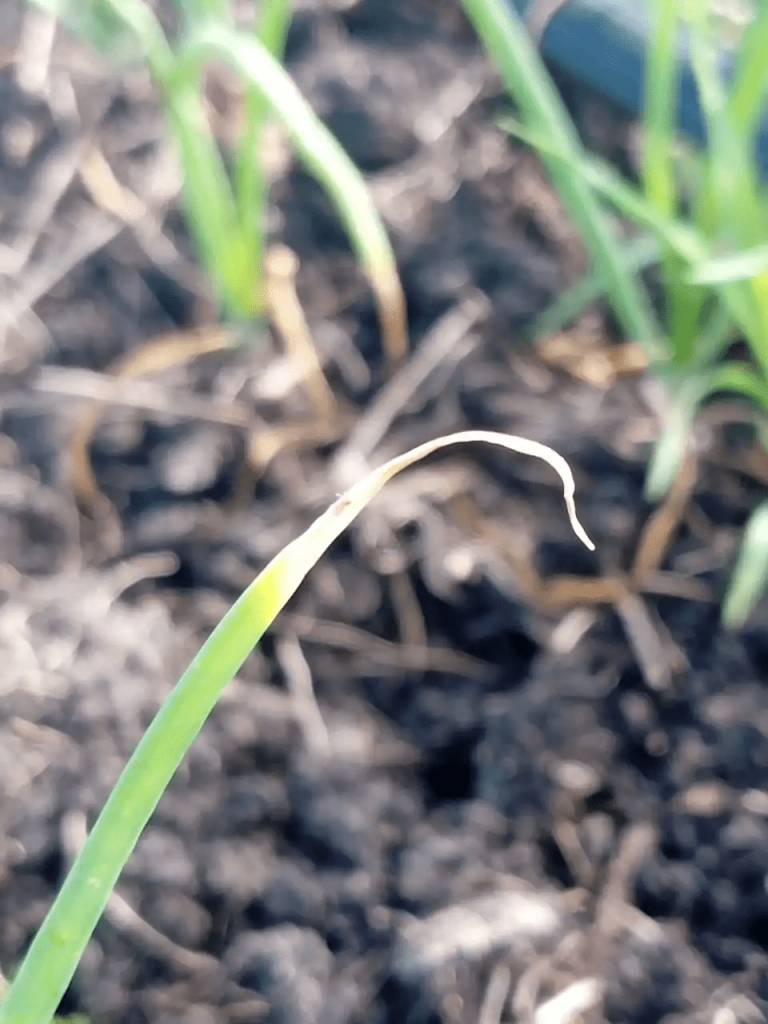
Symptoms:
- Pale green to yellow oval patches on leaves
- Violet-gray fuzzy growth on the undersides of leaves, especially in the morning
- Leaves eventually turn brown, wilt, and die prematurely
- Infected bulbs may rot in storage
Prevention and Control:
- Practice crop rotation (avoid planting onions in the same field for at least 3-4 years)
- Use certified, disease-free seeds or seedlings
- Ensure proper spacing for air circulation
- Avoid overhead irrigation; use drip irrigation instead
- Apply preventative fungicides l during the early growth stages.
- Remove and destroy infected plant debris immediately
2 Purple Blotch:
Purple blotch is another major fungal threat to onion farming in Kenya, particularly in hot and humid conditions.
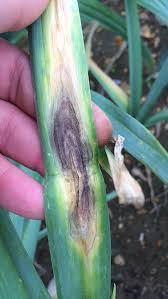
Symptoms:
- Small, water-soaked lesions with white centers on leaves
- Lesions enlarge and develop concentric brownish-purple rings
- Yellow halos surround the spots
- Severe infections cause leaves to snap and die
Prevention and Control:
- Practice strict crop rotation
- Ensure good drainage and avoid waterlogging
- Use fungicides from 21 days onwards.
- Remove crop residues after harvest to eliminate overwintering spores
3. White Rot:
White rot is one of the most destructive diseases in onion farming in Kenya and worldwide. Once it enters a field, it can persist for up to 20 years.
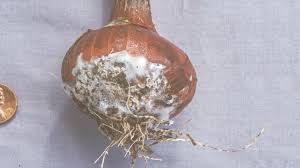
Symptoms:
- Yellowing and wilting of leaves
- Thick white fungal growth at the base of the bulb and on roots
- Numerous small black sclerotia (resting structures) visible on infected tissue
- Plants may die completely
Prevention and Control:
- Use strict farm hygiene clean tools, boots, and machinery before moving between fields
- Inspect seedlings and sets for signs of infection before planting
- Remove and destroy infected plants immediately
- Consider soil solarization in warm areas
- Use resistant varieties where available
4. Rust:
Rust is less common but still problematic for onion farming in Kenya, especially in cooler, wetter regions.
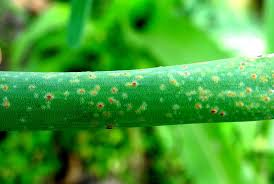
Symptoms:
- Rust-brown pustules (clusters of spores) on leaves
- Yellowing of surrounding leaf tissue
- Reduced plant vigor and bulb size
Prevention and Control:
- Plant resistant varieties
- Practice 4-6 year crop rotations with non-host crops
Major Pests in Onion Farming in Kenya:
Insects and nematodes cause direct damage to onion crops and often act as vectors for viral and bacterial diseases. Effective pest management is critical for successful onion farming in Kenya.
1.Onion Thrips:
Onion thrips are the most economically important pest in onion farming in Kenya. They are tiny, elusive, and reproduce rapidly.
Identification:
- Adults are 1.3-1.5 mm long, pale yellow to light brown
- Two pairs of fringed wings
- Nymphs are white or yellow
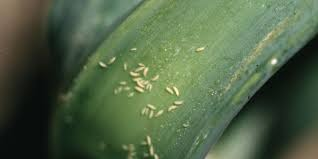
Damage:
- Feed at the base of leaves within leaf sheaths
- Cause silvery, sunken patches on leaves
- Black spots of thrips excreta visible on leaves
- Severe infestations cause leaves to wither, dry, and die
Control Measures:
- Keep plants well-irrigated; water-stressed plants attract thrips
- Maintain weed-free plots
- Remove heavily infested plants
- Use sticky traps to monitor populations
- Spray with recommended insecticides.
- Start control early in the season when soil temperatures reach approximately 11.5°C
- Apply treatments when temperatures are below 25°C and sunlight is low, as thrips avoid bright light.
2.Onion Fly / Onion Maggot:
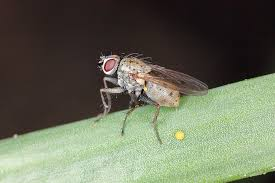
The onion fly is a destructive pest whose larvae (maggots) attack the roots and bulbs of onions.
Identification:
- Maggots are 8 mm long, white to cream-colored
- Adults resemble small houseflies
Damage:
- Maggots eat lateral roots and tunnel into the taproot
- Plants become shriveled, stunted, or die
- Maggots may enter developing bulbs, creating entry points for bacterial soft rot
Control Measures:
- Practice crop rotation
- Use only well-decomposed compost or manure
- Practice field sanitation remove and destroy infested plants
- Plough in crop residues immediately after harvest
- Use appropriate insecticides when necessary
3.Cutworms:
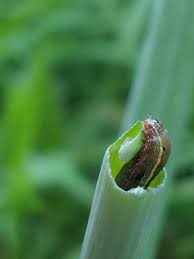
Cutworms are soil-dwelling caterpillars that cut young onion seedlings at the base.
Damage:
- Seedlings are severed at or below soil level
- Young plants wilt and die
- Stand establishment is poor in heavily infested fields
Control Measures:
- Practice field sanitation
- Hand-pick caterpillars during early morning or evening
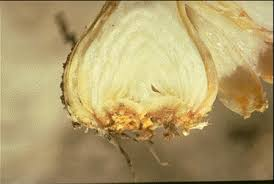
4. Nematodes:
Nematodes are microscopic worms that attack onion roots and stems.
Stem Nematode:
- Causes twisted, deformed leaves in young plants
- Infected plants are stunted and have a blue-gray color
- Bulbs become grayish, soft, and swollen
- Distinctive rotten smell
Root Lesion Nematode:
- Causes root lesions and rotting
- Reduces nutrient and water uptake
- Plants appear stunted and yellow
Control Measures:
- Practice long crop rotations
- Plant marigolds
- Use nematode-free planting material
- Consider soil solarization
Integrated Pest and Disease Management (IPM) for Onion Farming in Kenya:
Successful onion farming in Kenya requires an Integrated Pest Management (IPM) approach that combines cultural, biological, and chemical strategies. Relying solely on pesticides is expensive, environmentally harmful, and often ineffective in the long term.
Cultural Practices:
- Crop Rotation: Avoid planting onions or other Allium crops (garlic, leeks, shallots) in the same field for at least 3-4 years. This breaks disease and pest cycles.
- Proper Spacing: Overcrowded plants create humid microclimates that favor fungal diseases. Space plants according to variety recommendations.
- Good Drainage: Raised beds are recommended in areas with heavy rainfall to prevent waterlogging, which causes root rot and fungal diseases.
- Sanitation: Remove and destroy crop residues after harvest. Do not leave infected plant debris in the field.
- Weed Control: Weeds harbor pests like thrips and aphids.
- Certified Seeds: Always use certified, disease-free seeds or seedlings. Popular hybrid varieties for onion farming in Kenya include Red Coach F1 and Malbec F1, with Red Coach F1 being the most popular due to high yield and ideal bulb size and color for Kenyan markets .
- Proper Irrigation: Drip irrigation is the best method for onion farming in Kenya. Overhead irrigation should be avoided as it splashes water and spreads fungal spores .
Biological control:
- Encourage natural predators like Orius (a thrips predator)
- Use neem extracts for thrips and other soft-bodied insects
- Plant flowering plants around fields to attract beneficial insects
Chemical Control:
When cultural and biological methods are insufficient, chemical control becomes necessary. Always follow these principles:
- Use registered pesticides only
- Follow label instructions strictly
- Apply at the correct time (e.g., fungicides for downy mildew should be applied preventatively before symptoms appear)
- Rotate chemical classes to prevent resistance development
- Observe Pre-Harvest Intervals (PHI)
Monitoring and Early Detection:
Regular field scouting is essential for onion farming in Kenya. Inspect plants at least twice a week, paying attention to:
- Undersides of leaves for thrips and downy mildew
- Base of plants for maggot damage and fungal growth
- Overall plant vigor and color
- Presence of weeds that may harbor pests
Early detection allows for timely intervention before pests and diseases spread.
Challenges and Future of Onion Farming in Kenya:
Despite its profitability, onion farming in Kenya faces several challenges beyond pests and diseases:
- Climate Change: Unpredictable rainfall patterns increase disease pressure and make irrigation more critical.
- High Input Costs: Quality seeds, fertilizers, and pesticides are expensive for smallholder farmers.
- Limited Access to Credit: Many farmers cannot afford the initial investment required for proper pest and disease management.
- Poor Storage Infrastructure: Lack of cold storage leads to high post-harvest losses.
- Market Fluctuations: Prices can be volatile, making it difficult for farmers to plan.
Conclusion: Master Onion Pests and Diseases to Succeed in Onion Farming in Kenya:
Onion farming in Kenya offers tremendous opportunities for farmers who are willing to invest time and resources into proper pest and disease management. From the dreaded downy mildew to the persistent onion thrips, the threats are real but so are the solutions. By understanding the biology of these pests and diseases, implementing cultural practices like crop rotation and proper irrigation, using biological controls where possible, and applying chemicals strategically and responsibly, you can protect your crop and maximize your profits. Remember, the key to successful onion farming in Kenya is prevention, early detection, and integrated management. Do not wait for symptoms to appear before taking action. Scout your fields regularly, keep detailed records, and stay informed about new products and techniques.
Are you in need of in-depth knowledge on onion and garlic production? If yes, we are a call away. Contact us for: Onion seedlings, Garlic seedlings, Germinated garlic cloves, Farm planning services, Soil testing, training on onion and garlic growing, Drip irrigation installation and maintenance, Agronomic support, Onion and Garlic value pack and Farm management. For free consultation, placing orders or booking a visit with an agronomist, please contact us via Call or what’s app +254703982228, Email: info@oniondoctor.co.ke You can also check out our social media handles for daily updates on TikTok: https://www.tiktok.com/@oniondoctorke0706252490?_r=1&_t=ZS-96UPUyx6ESL Instagram:https://www.instagram.com/oniondoctorke?igsh=MW5sZzJ6c3BnZ3Z0dw==Facebook:https://www.facebook.com/share/1HouRgLCwS/Twitter:https://x.com/OnionDoctorKe?s=20