
Onion farming in Kenya has become one of the most profitable agricultural enterprises due to the increasing demand for onions throughout the year. However, many farmers struggle to achieve maximum yields because they do not apply the right fertilizer at the right time. Successful onion farming in Kenya depends heavily on proper nutrient management, soil fertility, irrigation, and disease control. One of the most common questions asked by farmers is: What is the best fertilizer for onion farming in Kenya? The answer depends on your soil fertility status, growth stage of the crop, and production goals. This comprehensive guide explains everything farmers need to know about fertilizer application in onion farming in Kenya, from land preparation to bulb formation and harvesting.
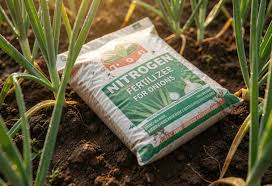
Understanding Onion Nutrient Requirements:
Before diving into specific fertilizers, it’s critical to understand what onions actually need. Onions have a relatively shallow root system with thick roots and very few root hairs. This means they have low nutrient uptake efficiency, making precise fertilization is essential for onion farming in Kenya.
The Big Three: NPK:
- Nitrogen (N): Drives leaf growth. More leaves = more rings = bigger bulbs. However, too much nitrogen delays maturity, softens bulbs, and causes storage rots.
- Phosphorus (P): Critical for root development, especially during the early establishment phase. Most phosphorus is needed early in the plant’s life.
- Potassium (K):Potassium maximizes onion bulb size, weight, and shelf-life by driving sugar transport and improving cell structure. It also boosts drought resilience and disease resistance, making it critical during the bulb enlargement phase.
Secondary & Micronutrients:
- Calcium & Boron: Essential for preventing bulb rots and extending shelf life.
- Sulfur: Improves bulb pungency and quality.
- Zinc: Supports enzyme function and overall plant health.
For onion farming in Kenya, a balanced approach that includes both macronutrients and micronutrients is non-negotiable.
The Best Fertilizer Regime for Onion Farming in Kenya:
Based on research Onion Doctor and leading agronomists, here is the proven fertilizer schedule for onion farming in Kenya:
Stage 1: Basal Application:
Goal: Strong root establishment
| Fertilizer | Purpose |
| DAP (Diammonium Phosphate) | Provides phosphorus for root growth + nitrogen for early vigor |
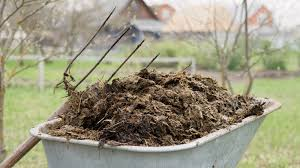
| Well-decomposed Manure | Improves soil structure and organic matter |
Pro Tip for Onion Farming in Kenya: Apply DAP in the planting furrow or band it near the root zone. Onions have shallow roots, so placing fertilizer close to where roots can access it is critical.
Alternative: If soil tests show adequate phosphorus, you can use NPK as a basal fertilizer for onion farming in Kenya.
Stage 2: First Top-Dressing:
Goal: Vigorous vegetative growth and leaf development:
| Fertilizer | Purpose |
| CAN (Calcium Ammonium Nitrate) | Supplies nitrogen in nitrate form (preferred by onions) + calcium |
| Urea | Alternative nitrogen source (cheaper but more prone to volatilization) |
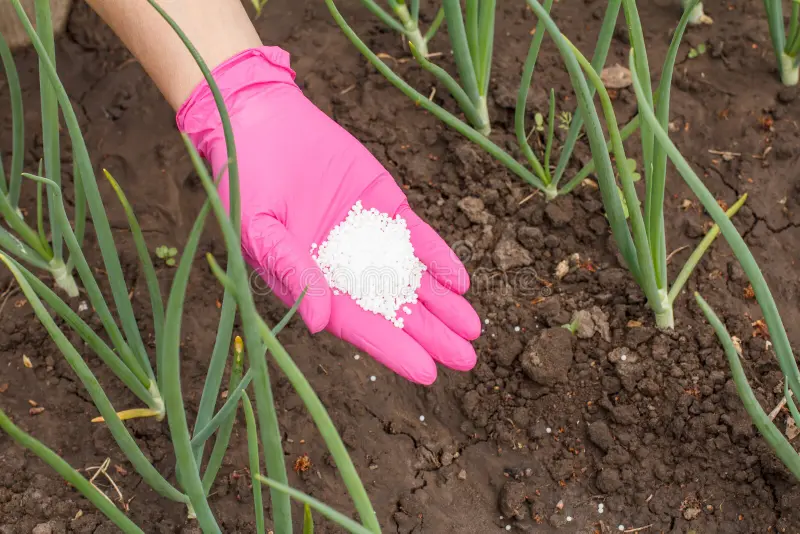
Important: Apply top-dressing when the soil is moist, and lightly incorporate it into the soil. Avoid placing fertilizer directly on the onion neck to prevent burning.
Stage 3: Second Top-Dressing:
Goal: Maximum bulb size, weight, and quality
| Fertilizer | Purpose |
| NPK | Balanced NPK for continued growth |
| Sulfur-rich fertilizers | Enhances bulb pungency and quality |
Critical Warning for Onion Farming in Kenya: Do NOT apply excessive nitrogen after 6 weeks. This is the most common mistake in onion farming in Kenya it delays maturity, produces soft bulbs, and drastically reduces storage life. Shift focus to potassium and micronutrients at this stage.
Stage 4: Micronutrient Supplementation (Throughout the Cycle):
| Nutrient | Benefit |
| Boron | Prevents bulb rots, extends shelf life |
| Calcium | Strengthens bulbs, prevents soft rot |
| Zinc | Corrects deficiencies, boosts enzyme activity |
Expert Recommendation: For onion farming in Kenya, consider using specialized fertilizers which are formulated with nitrate nitrogen and balanced micronutrients specifically for bulb crops.
Soil Testing: The Foundation of Successful Onion Farming in Kenya:
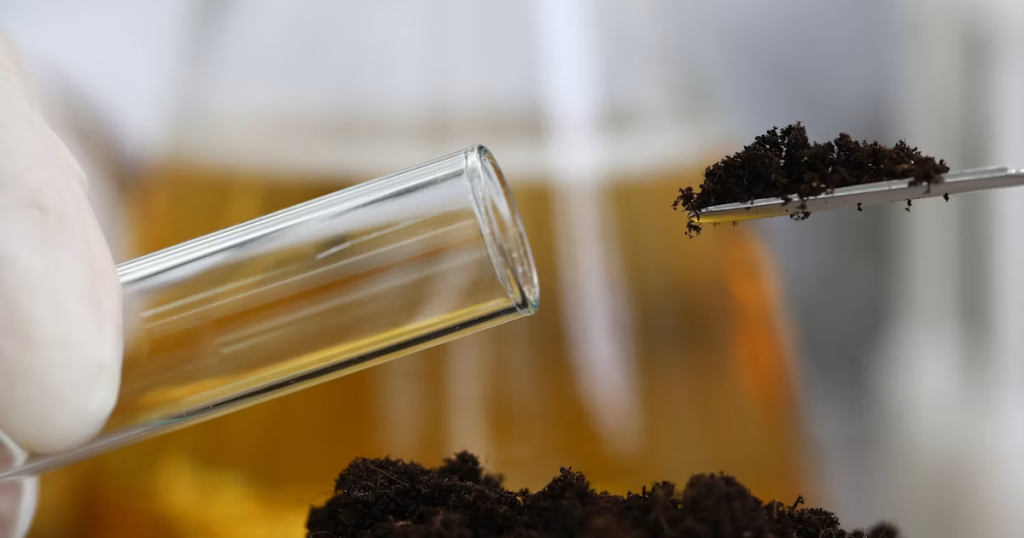
Before applying a single gram of fertilizer, get a soil test. This is the golden rule of onion farming in Kenya. A soil test tells you:
- Current pH (onions need pH 6.0–6.8)
- Available nutrient levels
- What fertilizers you actually need (saving you money!)
- Lime requirements if soil is too acidic
Cost: Onion Doctor charges KSh 5,000 for every soil sample a small investment that can save you KSh 20,000+ in unnecessary fertilizers.
Common Fertilizer Mistakes in Onion Farming in Kenya:
Even experienced farmers make these errors. Avoid them to maximize your onion farming in Kenya profits:
| Mistake | Consequence | Solution |
|---|---|---|
| Over-applying nitrogen | Soft bulbs, delayed maturity, storage rots | Stop N application after 6 weeks |
| Using ammonium-based N sources | Poor bulb development | Use nitrate-based fertilizers (CAN, calcium nitrate) |
| Ignoring micronutrients | Bulb rots, short shelf life | Apply boron and calcium regularly |
| Broadcasting fertilizer on surface | Nutrient loss, poor uptake | Band or incorporate into soil |
| Skipping soil tests | Wasted money, wrong fertilizer rates | Test soil before every season |
Irrigation & Fertilizer Synergy in Onion Farming in Kenya:
Fertilizer is only effective if water is properly managed. For onion farming in Kenya:
- Early stage: Light, frequent irrigation. Excess moisture causes root rot.
- Bulbing stage: Increase water substantially this is when bulbs swell.
- Maturity stage: Reduce or stop irrigation 2–3 weeks before harvest. Dry conditions improve bulb curing and storage quality.
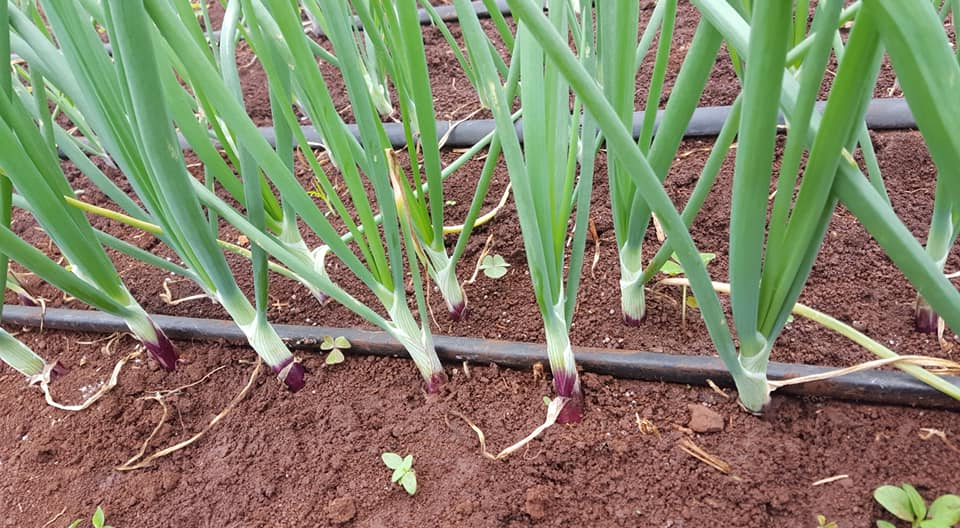
Best irrigation method: Drip irrigation. It delivers water and fertilizer (fertigation) directly to the root zone, maximizing efficiency in onion farming in Kenya.
Pest & Disease Management to Protect Your Fertilizer Investment:
Even perfect fertilization won’t help if pests and diseases destroy your crop. In onion farming in Kenya, watch for.
Final Thoughts: Mastering Onion Farming in Kenya:
Onion farming in Kenya is not just about planting seeds and hoping for rain. It’s a science that requires precision, especially in fertilization. The best fertilizer for onion farming in Kenya is not a single product it’s a strategic program that matches nutrient supply to the crop’s needs at each growth stage.
Key Takeaways for Successful Onion Farming in Kenya:
- Always start with a soil test know your soil before you fertilize.
- Use DAP at planting for strong root establishment.
- Top-dress with CAN at 3–4 weeks for vigorous leaf growth.
- Apply NPK or sulfur-rich fertilizers at bulbing for maximum bulb size.
- Never over-apply nitrogen after 6 weeks it ruins storage quality.
- Supplement with calcium and boron for longer shelf life.
- Use drip irrigation to maximize fertilizer efficiency.
- Choose high-yielding varieties that respond well to fertilization.
- Practice integrated pest management to protect your investment.
- Keep records track what works on your farm for continuous improvement.
Are you in need of in-depth knowledge on onion and garlic production? If yes, we are a call away. Contact us for: Onion seedlings, Garlic seedlings, Germinated garlic cloves, Farm planning services, Soil testing, training on onion and garlic growing, Drip irrigation installation and maintenance, Agronomic support, Onion and Garlic value pack and Farm management. For free consultation, placing orders or booking a visit with an agronomist, please contact us via Call or what’s app +254703982228, Email: info@oniondoctor.co.ke You can also check out our social media handles for daily updates on TikTok: https://www.tiktok.com/@oniondoctorke0706252490?_r=1&_t=ZS-96UPUyx6ESL Instagram:https://www.instagram.com/oniondoctorke?igsh=MW5sZzJ6c3BnZ3Z0dw==Facebook:https://www.facebook.com/share/1HouRgLCwS/Twitter:https://x.com/OnionDoctorKe?s=20