
Onion farming in Kenya has quietly transformed from a small-scale subsistence activity into one of the most lucrative agribusiness ventures in East Africa. With the right knowledge, a single acre of onions can generate profits exceeding KSh 500,000 in just one growing cycle. Whether you’re a young entrepreneur looking for a scalable business or an experienced farmer diversifying your crops, onion farming in Kenya offers an unmatched combination of high demand, short maturity periods, and impressive profit margins. In this comprehensive guide, we break down everything you need to know about onion farming in Kenya from cost analysis and yield expectations to best agronomic practices and market strategies. By the end, you’ll understand exactly why onion farming in Kenya is being called the “new goldmine” and how you can tap into this opportunity.
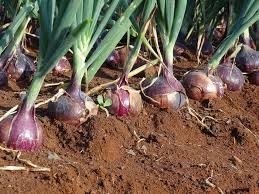
The Economics of Onion Farming in Kenya: Profitability Per Acre:
Understanding the Numbers:
Let’s start with what matters most: the money. Onion farming in Kenya can be incredibly profitable when managed professionally. Here’s a detailed breakdown of the financials per acre:
| Input | Cost (KSh) |
| Drip irrigation | 170,000 |
| Fertilizer | 30,000 |
| Certified seeds | 45,000 |
| Agrochemicals | 35,000 |
| Labor (90 man-days) | 45,000 |
| Miscellaneous | 10,000 |
| Expected Yield | 15-20 tonnes(15,000-20,000kg) |
| Farm Gate Price (Low Season) | KSh 30–50/kg |
| Farm Gate Price (High Season) | KSh 80–120/kg |
| Net Profit (Conservative) | Ksh 500,000 |
Why Onion Farming in Kenya Is So Profitable:
- 1.Unmatched Market Demand: Onions are a staple in every Kenyan household, hotel, restaurant, and food processing industry. From sukuma wiki to nyama choma, nearly every meal requires onions. This creates consistent, year-round demand that few other crops can match. The local market alone consumes approximately 500,000 tonnes annually, and demand continues to grow at about 8% per year.
- 2. Short Maturity Period: Unlike crops like coffee or tea that take years, onion farming in Kenya delivers returns in just 3.5 to 4 months. This rapid turnover means you can recover your investment quickly and reinvest for the next cycle.
- 3. Excellent Storage and Transport: Onions are far more resilient than tomatoes or leafy greens. Properly cured onions can be stored for weeks or even months, allowing farmers to wait for favorable prices rather than being forced to sell immediately after harvest.
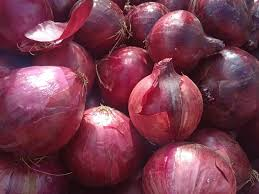
- 4. High-Yielding Hybrid Varieties: The shift from traditional open-pollinated varieties to hybrid F1 seeds has revolutionized onion farming in Kenya. Modern hybrids offer:
- Yields of 18–25 tonnes per acre (some reaching up to 25,000 kg/acre)
- Better bulb uniformity and color
- Improved disease resistance
- Longer storage life (up to 5–6 months)
Step-by-Step Guide to Successful Onion Farming in Kenya:
Step 1: Site Selection and Soil Preparation:
Onion farming in Kenya thrives in well-drained, fertile, sandy loam soils with a pH of 5.8–6.8. Key requirements include:
- Altitude: Below 1,900 meters above sea level
- Temperature: 12–23°C for optimal growth
- Rainfall: 500–700 mm well-distributed, though irrigation is recommended
- Soil: Well-drained, rich in organic matter, non-compacted
Land Preparation:
- Clear all weeds and debris
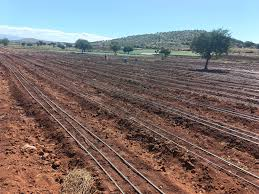
- Plough and disk to achieve fine tilth (about 30 cm deep)
- Incorporate well-decomposed manure or compost
- Prepare raised beds (1 meter wide, up to 100 meters long, 15 cm high)
- Conduct a soil test to guide fertilizer application
Step 2: Nursery Establishment:
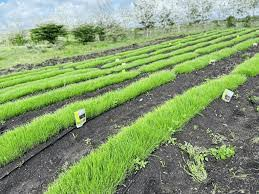
Onion farming in Kenya typically begins with a nursery:
- Prepare fine seedbeds free of stones and debris
- Apply well-decomposed manure
- Apply DAP fertilizer at 20 g/m² (or as per soil test)
- Sow seeds in rows 15 cm apart, 1–2 cm deep
- Cover lightly with fine soil and mulch with straw
- Water generously for the first 7–10 days, then reduce to prevent damping-off
- Seeds germinate in 6–10 days; remove mulch once germinated
- Seedlings are ready for transplanting in 6–8 weeks
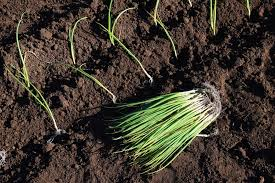
Step 3: Transplanting:
- Harden seedlings 10 days before transplanting (reduce water, expose to full sun)
- Transplant in the late afternoon or on cloudy days to reduce shock
- Spacing: 40 cm between ridges, 20 cm between rows, 5 cm between plants
- Irrigate immediately after transplanting to enhance establishment
Step 4: Irrigation Management:
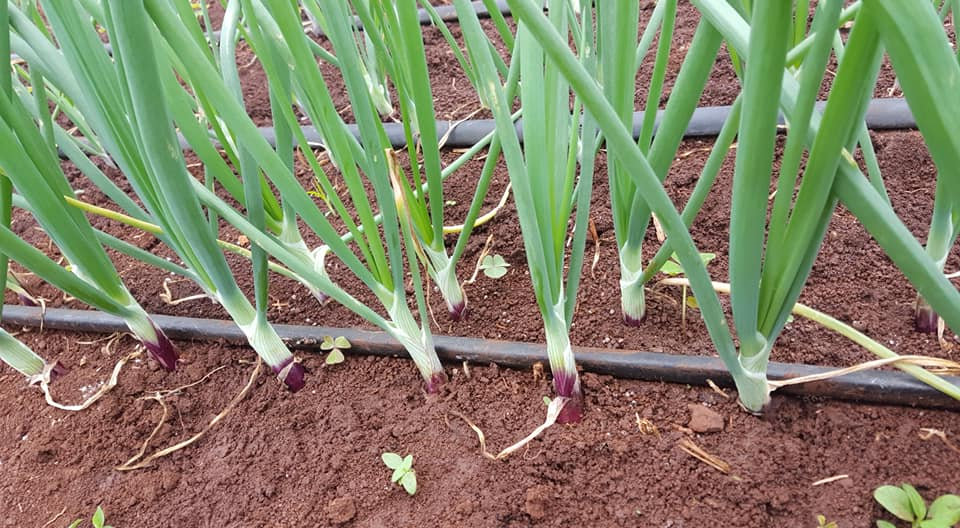
Water is the lifeline of onion farming in Kenya. Onions have shallow root systems (about 30 cm) and require:
- 1 inch of water per week (adjust for weather and soil type)
- Daily irrigation immediately after transplanting
- Increased frequency during bulb formation (weeks 6–8)
- Reduced/stopped watering 3–4 weeks before harvest to encourage curing
Best Irrigation Method: Drip irrigation is the gold standard for onion farming in Kenya because it:
- Delivers water precisely to root zones
- Prevents fungal diseases by keeping leaves dry
- Allows fertigation (fertilizer through irrigation)
- Conserves water and reduces labor.
Step 5: Fertilization and Nutrient Management:
- Apply DAP at planting (based on soil test recommendations)
- Top-dress with CAN or urea during vegetative growth
- Apply balanced NPK fertilizer during bulb formation
- Avoid excessive nitrogen near maturity (causes thick necks and poor storage)
Pro tip: Contact Onion Doctor for a spray and feeding program for Ksh 5,000
Step 6: Pest and Disease Control: Use certified seeds, practice crop rotation (3–4 years), apply appropriate fungicides and pesticides, and maintain good field hygiene.
Step 7: Weed Control:
Weeds compete aggressively with onions for nutrients and water. Maintain at least 2–3 weeding sessions per season. Pre-emergence herbicides can be used, but manual weeding is often preferred to avoid crop damage.
Step 8: Harvesting and Post-Harvest Handling:
When to Harvest:
- Onions are ready when 75% of tops have dried and fallen over
- Typically 90–150 days after transplanting (variety-dependent)
- Harvest during dry weather; the last 3 weeks should be rain-free
Harvesting Method:
- Dig out bulbs carefully to avoid bruising
- Cut roots and foliage (leave 2.5 cm of stem)
- Do NOT bend foliage to force drying this causes neck rot
Curing (Critical for Storage):
- Field curing: Place onions in rows with leaves partially covering bulbs; leave for 2–3 weeks until outer leaves and necks are completely dry
- Out-of-field curing: Lay in single layers in well-ventilated shade, or tie in bunches and hang
Storage:
- Sort out thick-necked, bolted, injured, or decayed bulbs
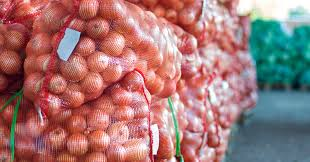
- Store in nets in a cool, dry, well-ventilated place
- Properly cured onions can store for 3–6 months, allowing price speculation
Success Stories: Real Farmers Winning with Onion Farming in Kenya
Across Kenya, farmers are transforming their lives through onion farming in Kenya. In Karatina, Mai Mahiu, Emali, Kieni, and Machakos, small-scale farmers have scaled from subsistence to commercial production. Some have expanded from one acre to five acres, earning millions annually. Youth entrepreneurs are particularly well-positioned, as onion farming in Kenya requires moderate capital compared to other agribusinesses and offers consistent demand throughout the year.
Are you in need of in-depth knowledge on onion and garlic production? If yes, we are a call away. Contact us for: Onion seedlings, Garlic seedlings, Germinated garlic cloves, Farm planning services, Soil testing, training on onion and garlic growing, Drip irrigation installation and maintenance, Agronomic support, Onion and Garlic value pack and Farm management. For free consultation, placing orders or booking a visit with an agronomist, please contact us via Call or what’s app +254703982228, Email: info@oniondoctor.co.ke You can also check out our social media handles for daily updates on TikTok: https://www.tiktok.com/@oniondoctorke0706252490?_r=1&_t=ZS-96UPUyx6ESL Instagram:https://www.instagram.com/oniondoctorke?igsh=MW5sZzJ6c3BnZ3Z0dw==Facebook:https://www.facebook.com/share/1HouRgLCwS/Twitter:https://x.com/OnionDoctorKe?s=20