
Onions are among the most widely cultivated vegetables globally, grown in over 170 countries and serving as a dietary staple for billions. Yet, beneath this global demand lies a volatile production environment where farmers face a complex web of biological, environmental, and economic threats. Research indicates that pests and diseases alone cause 30–50% of bulb yield losses during cultivation, while post-harvest losses can claim another 30–40% of total production before the crop ever reaches consumers.In developing countries, total crop losses can range from 20% to a devastating 95% due to inefficient handling and storage systems.This guide examines every major risk category in onion farming, providing actionable, research-backed strategies to safeguard your investment.
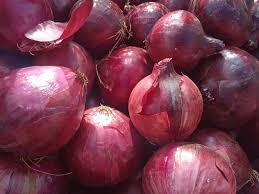
1.Environmental and Weather risk:
Onion farming faces major environmental risks like unseasonal rainfall, hail, temperature extremes, and prolonged humidity that damage crops and trigger diseases.
- Rainfall and flooding: Excessive water is a primary enemy of onion crops, especially because onions have shallow roots and are highly sensitive to waterlogging.
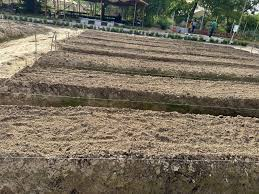
- Solution: Always plant on well-drained soils and construct raised beds (especially in the nursery phase) to allow excess water to run off.
- Temperature stress: Onions require specific temperature ranges 15°C-30 °C to grow optimally.
- Extreme Heat: Temperatures over 30 °C cause the plant to mature too early, resulting in small bulbs and significantly reduced yields. Extreme heat can also cause premature flowering (bolting), which ruins the bulb quality.
- Solution: Adjust your planting calendar to ensure the bulb stage falls during cooler months. Contact Onion Doctor to get advice on best time to plant onions from top notch agronomists. Use mulching to keep soil temperatures regulated during hot spells
- Drought: Drought is a critical environmental risk in onion farming, as the shallow-rooted onion plant requires consistent moisture. Water stress, especially during bulb formation, can reduce bulb sizes and total yields by up to 65%. It also alters biochemical parameters and compromises overall crop quality.
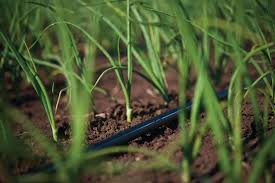
- Solution: Using drip irrigation helps maintain consistent soil moisture levels, especially during the crucial leaf growth stages when onion plants are most vulnerable to stress.
2.Market and Financial risks:
- Price Volatility: Onions are notorious for price fluctuations. When the market is flooded at harvest time, prices can drop rapidly , forcing farmers to sell at a loss.
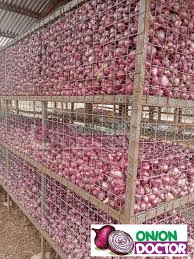
- Perishability: Onions rot quickly if not cured and stored correctly, severely limiting a farmer’s ability to wait for better market prices.
- Broker Exploitation: Farmers relying heavily on middlemen can face unfair pricing or delayed payments.
| Season | When | Price Range(KSH/kg) | Why? |
| Peak Season | May – June | KSh 130 – 195 | Scarce supply between harvests; heavy reliance on expensive imports from Tanzania |
| Low Season | Feb – Mar & Aug – Oct | KSh 25 – 60 | Local harvest floods markets; oversupply drives prices down |
Solution: Contact Onion Doctor to purchase their value packs that offer market linkages and reduce marketing risks.
3.Pest and Disease risk:
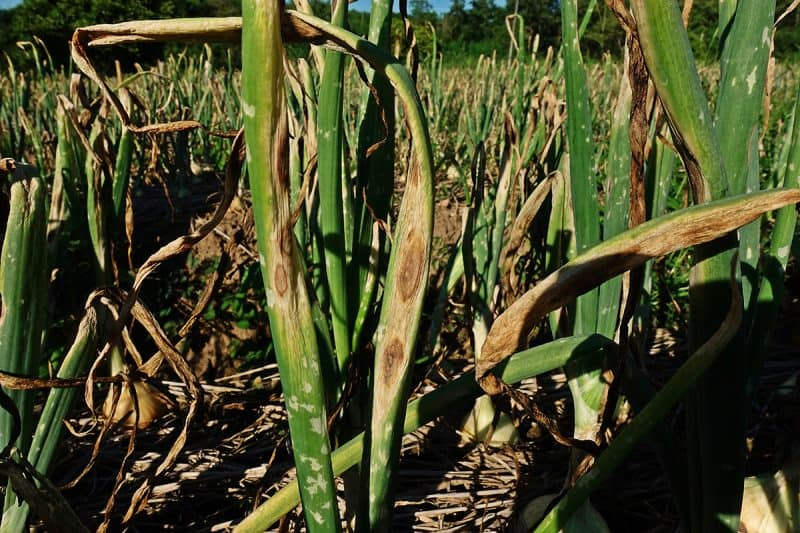
- Insect Infestations: Thrips are the most common and damaging pest; they suck sap, stunt growth, and reduce bulb size. Cutworms and onion maggots also frequently damage young roots and bulbs.
- Fungal & Bacterial Diseases: Excess moisture and poor drainage lead to deadly fungal issues like Downy Mildew, Purple Blotch, and Fusarium Basal Rot. Bacterial Soft Rot is also a major risk, particularly in storage.
- Solution: Contact Onion Doctor for a spray and feeding program that will help lower the risk of pests and diseases.
4.Management and Operation risk:
- Input Costs: High quality certified seeds ,seedlings, specialized fertilizers, and necessary agrochemicals are significant upfront costs that increase the financial burden if the crop fails.
- Weed Competition: Young onion plants are delicate and easily outcompeted by weeds, requiring time-intensive or costly manual weeding, as aggressive chemical herbicides can easily kill the crop.
- Poor Curing: If onions are not dried (cured) properly in the sun for 7 to 10 days after harvest, they are highly susceptible to neck rot and bacterial decay during storage or transport.
- Solution: Contact Onion Doctor for high quality onion seedlings that are budget friendly @ 1 bob per seedling, spray and feeding program for weed control and top notch advice on onion curing.
Contact us for: Onion seedlings, Garlic seedlings, Germinated garlic cloves, Farm planning services, Soil testing, training on onion and garlic growing, Drip irrigation installation and maintenance, Agronomic support, Onion and Garlic value pack and Farm management. For free consultation, placing orders or booking a visit with an agronomist, please contact us via Call or what’s app +254703982228, Email: Info@oniondoctor.co.ke. You can also check out our social media handles for daily updates on TikTok: https://www.tiktok.com/@oniondoctorke?_t=ZM-8wmsTu0qumO&_r=1 Instagram: https://www.instagram.com/oniondoctorke?igsh=MTVoaHF3aWUydTJzaQ==Facebook:https://www.facebook.com/share/16SwgYn2dG/ Youtube:https://youtube.com/@oniondoctorke?si=u5Jnd-r0qU9UDYqL and Twitter: https://x.com/OnionDoctorKe?t=FR3JXlS_oN1vjjUgAtfyzg&s=09.