
Onions (Allium cepa) are among the most widely grown vegetable crops in the world, but they are highly susceptible to numerous fungal, bacterial, and soilborne diseases. Common onion diseases such as downy mildew, purple blotch, Fusarium basal rot, and bacterial bulb rot can severely reduce yields, lower bulb quality, and cause major financial losses for farmers and gardeners alike. Early identification and proper disease management are essential for maintaining healthy onion crops and achieving maximum productivity. In this comprehensive guide, you will learn how to identify the most common onion diseases, recognize their symptoms, understand their causes, and apply effective prevention and control measures. Whether you are growing onions commercially or in a backyard garden, these proven onion disease management strategies will help protect your crop from seedling stage to harvest and storage.
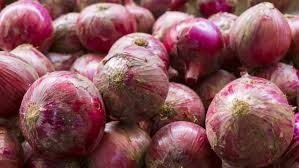
Common Onion Diseases:
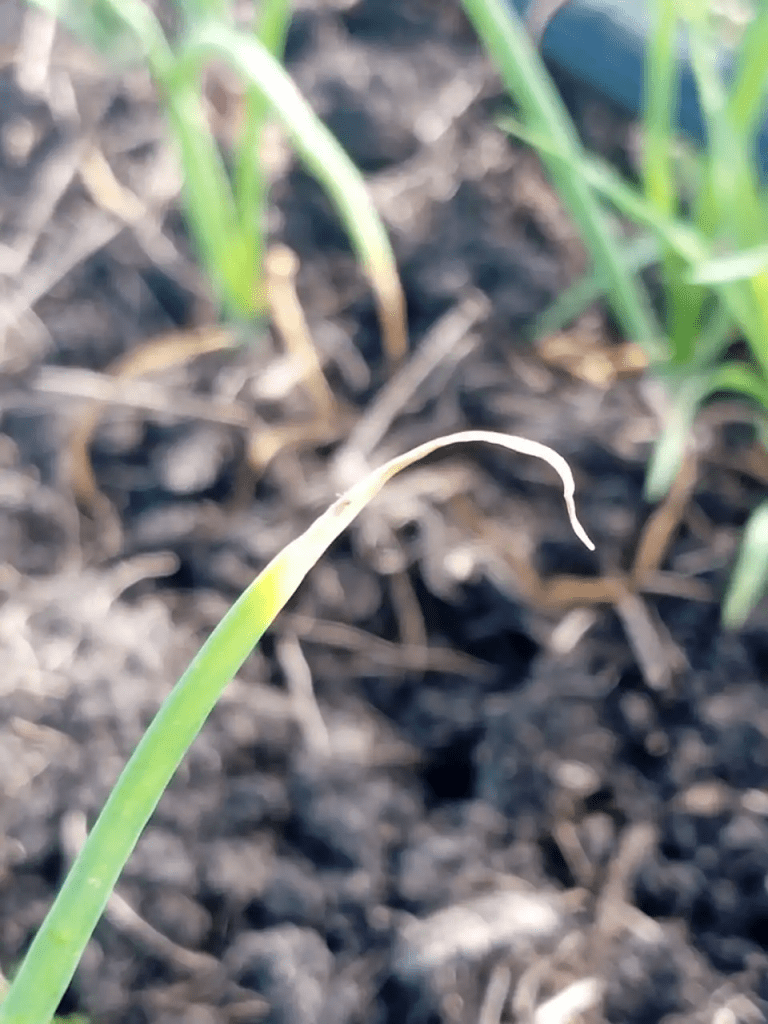
ONION DOWNEY MILDEW:
Downy mildew in onions is a serious fungal disease caused by Peronospora destructor. It thrives in cool, moist conditions and can lead to significant yield loss if not managed early
Symptoms:
- Pale or yellowish spots on leaves, which later turn brown and collapse.
- Leaf curling and tip dieback.
- Premature bulb ripening and reduced bulb size.
- Severely infected fields may show patchy stunted growth.
Conditions that favor downey mildew:
- Cool , moist environments.
- Prolonged leaf wetness from dew, rain, or overhead irrigation.
- Dense canopies that reduce airflow.
2.PURPLE BLOTCH:
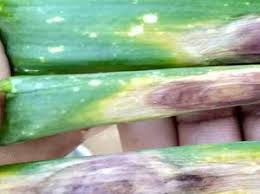
Purple blotch is a fungal disease caused by Alternaria porri that affects onions, garlic, and other allium crops. The disease can infect all above-ground parts of the plant, including the bulbs, leading to serious crop damage and significant yield losses.
Symptoms:
- Early signs: Small, water-soaked spots appear with pale white centers
- Common location: Symptoms first show on older, lower leaves
- Lesion development: Spots expand and turn purplish with light yellow rings around the edges
- Leaf damage: Infected leaves turn yellow-brown, droop, and wilt if untreated
- Timing shift: Younger leaves become vulnerable as the bulb matures
- Bulb infection risk: Pathogen can enter through neck wounds during harvest
- Final bulb damage: Infected bulbs dry out and become papery
3.RUST:
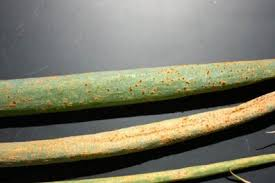
Onion rust is a fungal disease (Puccinia allii) that targets allium crops like onions, garlic, and leeks. It thrives in cool, humid conditions and can severely reduce bulb sizes by killing off leaf foliage prematurely.
Symptoms:
- Early Symptoms: Small white or pale yellow flecks appear along the leaf veins of onion plants.
- Pustule Development: The spots gradually enlarge into slightly raised, oval-shaped pustules with bright orange or reddish-orange coloration.
- Advanced Infection: As the disease matures, the lesions turn dark brown or black due to the formation of fungal resting spores.
- Leaf Damage: Severe infections cause leaves to yellow, dry out prematurely, and eventually die back.
- Impact on Yield: Heavy onion rust infestations weaken plant growth, reduce bulb quality, and can lead to significant yield losses.
4.PINK ROOT:
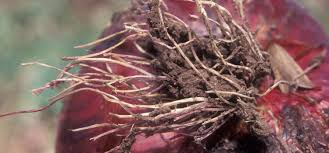
Pink root is a fungal disease caused by Phoma terrestris, which wreaks havoc on onion plants, destroying their root systems and resulting in leaf wilting and stunted growth. The disease is readily identified by the namesake pink roots exhibited by infected onions.
Symptoms:
- Light Pink Root Discoloration: The earliest symptom is a light pink coloration on onion roots, especially near the root tips.
- Darkening of Roots: As the disease progresses, the roots change from pink to deep red, purple, brown, and eventually black.
- Shriveled and Dead Roots: Infected roots become dry, shriveled, weak, and eventually die off completely.
- Poor Root Development: Diseased plants develop a weak and reduced root system, limiting water and nutrient absorption.
- Stunted Plant Growth: Onion plants appear smaller, weak, and less vigorous compared to healthy plants.
- Yellowing of Leaves: Older leaves may begin to yellow from the tips downward due to poor nutrient uptake.
- Wilting During Hot Weather: Plants may wilt during the hottest parts of the day, even when soil moisture is adequate.
- Reduced Bulb Size: Infected onions produce undersized bulbs with poor market quality and lower yields.
- Uneven Crop Growth: Fields affected by Pink Root often show patches of uneven growth and poor plant performance.
- Increased Stress Sensitivity: Diseased plants become more vulnerable to drought, heat stress, and other secondary infections.
5.WHITE ROT:
White rot is a highly destructive soil-borne fungal disease caused by Sclerotium cepivorum that severely affects onions. The disease develops rapidly in cool, wet soil conditions and is known for its long-term survival in the soil. White rot causes significant crop losses by attacking roots and bulbs, making it one of the most serious diseases in farming.
Above-Ground Symptoms:
- Yellowing and wilting: Leaves turn pale green to yellow, starting from the tips and progressing downward
- Stunted growth: Plants appear smaller and weaker than healthy ones
- Sudden collapse: Infected plants may wilt and die rapidly, especially in warm weather
- Premature death: The entire plant can die before bulb maturity
Below-Ground Symptoms:
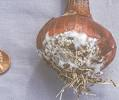
- White fluffy mycelium: A dense, cottony white fungal growth appears at the bulb base and on the roots
- Black sclerotia: Tiny, round, black resting structures form on and around the rotting bulb.
- Bulb decay: The bulb becomes soft, watery, and rots from the base upward
- Root destruction: Roots turn black and disintegrate
Best Onion Crop Management Practices for Healthy Growth and High Yields:
Soil Preparation and Field Management:
- Select fertile, well-drained soil to promote strong root development and prevent waterlogging
- Avoid planting onions in fields previously affected by onion diseases such as rot, blight, or mildew
- Deep plow the field before planting to bury infected crop debris and improve soil structure
- Practice crop rotation by avoiding onion cultivation in the same field for at least 2–4 years to reduce soil-borne diseases
Quality Seed and Planting Practices
- Use certified, disease-free onion seeds or healthy seedlings from Onion Doctor for better germination and vigorous growth
- Treat onion seeds with recommended fungicides before planting to protect against fungal infections
- Maintain proper plant spacing to improve airflow, reduce humidity, and minimize disease outbreaks
Irrigation and Water Management:
- Use drip irrigation from Onion Doctor to conserve water and reduce leaf diseases
- Avoid overhead watering since wet leaves encourage fungal and bacterial infections
- Reduce or stop irrigation once bulbs reach maturity to improve bulb quality and storage life
Fertilizer and Nutrient Management:
- Apply balanced fertilizers based on soil test recommendations for optimum onion growth
- Avoid excessive nitrogen application, as it promotes weak growth and increases disease susceptibility
- Incorporate organic matter or compost to improve soil fertility and moisture retention
- Contact Onion Doctor to obtain a spray and feeding program for proper chemical application in your onion farm.
Onion Disease Prevention and Control:
- Regularly inspect the crop and remove infected plants immediately to prevent disease spread
- Destroy all crop residues after harvest to eliminate disease sources and pests
- Start preventive fungicide sprays about one month after planting for effective disease management
- Apply fungicides at 10–14 day intervals during favorable disease conditions or rainy periods
Biological Disease Management:
- Apply beneficial fungi to the soil to suppress harmful pathogens naturally
- Improve soil microbial activity through organic farming practices and proper field hygiene
Proper Harvesting Practices:
- Harvest onions during dry weather conditions to reduce bulb rot and storage diseases
- Allow onion tops to dry naturally before harvesting to improve bulb curing
- Handle bulbs carefully during harvesting and transportation to avoid bruising and injuries
Onion Curing and Storage:
- Cure harvested onions in the field for about 2 days, then continue drying in a shaded, well-ventilated area for 10–15 days
- Sort and remove damaged, rotten, or diseased bulbs before storage
- Store onions in a cool, dry, and well-ventilated storage facility to extend shelf life and maintain quality
Pest Management in Onion Farming:
- Control major onion pests such as aphids and onion maggots that spread diseases and damage crops
- Monitor fields regularly and apply integrated pest management (IPM) practices for sustainable onion production
- Keep fields weed-free to reduce pest hiding areas and improve crop health
Are you in need of in-depth knowledge on onion and garlic production? If yes, we are a call away. Contact us for: Onion seedlings, Garlic seedlings, Germinated garlic cloves, Farm planning services, Soil testing, training on onion and garlic growing, Drip irrigation installation and maintenance, Agronomic support, Onion and Garlic value pack and Farm management. For free consultation, placing orders or booking a visit with an agronomist, please contact us via Call or what’s app +254703982228, Email: info@oniondoctor.co.ke You can also check out our social media handles for daily updates on TikTok: https://www.tiktok.com/@oniondoctorke0706252490?_r=1&_t=ZS-96UPUyx6ESL Instagram:https://www.instagram.com/oniondoctorke?igsh=MW5sZzJ6c3BnZ3Z0dw==Facebook:https://www.facebook.com/share/1HouRgLCwS/Twitter:https://x.com/OnionDoctorKe?s=20