
Onion farming in Kenya has emerged as one of the most lucrative agribusiness ventures, with potential earnings of Ksh 350,000–800,000 per acre per season. Yet, a staggering reality shadows this profitability: over 40% of harvested onions never reach the market due to post-harvest losses .For a farmer harvesting 10 tonnes per acre, this translates to losing Ksh 280,000 in potential earnings at farm-gate prices of Ksh 70/kg. The good news? Proper post-harvest handling can slash these losses from 40% to under 10%, transforming wasted produce into pure profit. This comprehensive guide reveals exactly how Kenyan onion farmers can protect their harvest, meet export standards, and maximize returns in 2026.
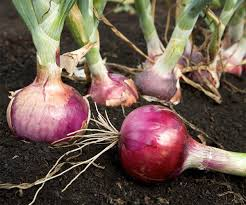
Understanding the Scale of Onion Post-Harvest Losses in Kenya:
The Financial Impact:
Post-harvest losses in Kenyan onion farming occur at multiple stages:
| Stage | Typical Loss Rate | Primary Causes |
| Farm-level handling | 5–30% | Poor curing, bruising, moisture damage |
| Transportation | 1–5% | Rough handling, heat buildup in plastic sacks |
| Storage | 3–20% | High humidity, poor ventilation, pest infestation |
| Market/Retail | 5–15% | Extended display, price speculation |
Why post harvest losses are so high:
- Seasonal Oversupply: Most Kenyan farmers harvest simultaneously during the short rains (October–December) and long rains (March–May), flooding the market and depressing prices.
- Lack of Storage Infrastructure: Less than 10% of smallholder farmers have access to proper storage facilities.
- Poor Handling Practices: Using plastic sacks, inadequate curing, and rough transport damage bulbs extensively
- Middlemen Pressure: Farmers often sell immediately at harvest to avoid perceived rain damage, missing price recovery opportunities
Step 1: Master the Art of Onion Curing:
Curing is the single most critical post-harvest practice. It involves drying the outer skins and sealing the neck to prevent moisture entry and disease
Phase 1: Field Drying (7–14 days):
- Stop irrigation 1–2 weeks before harvest to allow natural drying
- Undercut roots and gently lift bulbs when 50–80% of tops have fallen over
- Leave bulbs in the field for initial sun-drying if weather permits
Phase 2: Shade Curing (7–10 days):
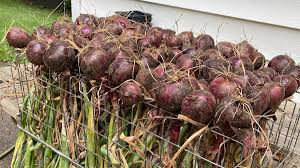
- Transfer bulbs to raised racks or mesh tables in a well-ventilated, shaded area
- Ensure good air circulation from all sides
- Turn bulbs periodically for even drying
- Target: Neck completely dry and shrunken, outer skins papery and firm.
Phase 3: Neck Bending:
- Gently bend onion necks to trigger the drying process and stop water uptake
- This accelerates the final ripening stage and prepares bulbs for long-term storage
Step 2: Implement proper storage solutions:
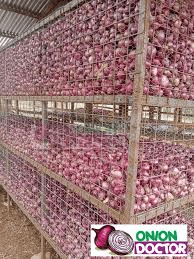
Recommended Storage Structures:
- Raised wooden racks
- Mesh bags
- Slatted crates
- Ventilated onion stores
- Wire mesh shelves
Key Features:
- Allow free air circulation
- Keep onions off the ground
- Reduce moisture buildup
- Minimize heat accumulation
Step 3: Perfect Your Harvesting and Handling Techniques:
Harvesting Best Practices:
- Timing: Harvest when 50–80% of tops have naturally fallen over
- Method: Gently pull or use tools to loosen soil; avoid cutting bulbs
- Weather: Choose dry days; never harvest during or immediately after rain
- Gentle Handling: Train workers to minimize bruising and skin damage
- Immediate Shade: Move harvested bulbs out of direct sun within 2 hours
Sorting and Grading:
Before storage, sort and remove damaged, diseased, or sprouted bulb. One rotten bulb can spoil an entire batch through ethylene production and fungal spread.
Quality Requirements:
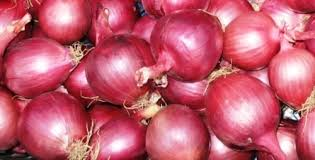
- Dry, firm, clean, and well-developed bulbs
- Free from insect damage, disease, and foreign matter
- Uniform color characteristic of the variety
- No thick necks
Step 4: Optimize Packaging and Transport:
Packaging materials:
- Mesh Bags: Breathable, affordable, good airflow.
- Wooden Crates: Protective, reusable, stackable.
- Cardboard Boxes: Lightweight, branded, protective.
- Plastic Crates: Durable, washable, ventilated.
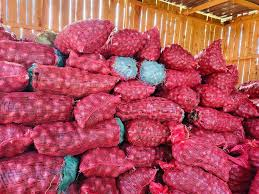
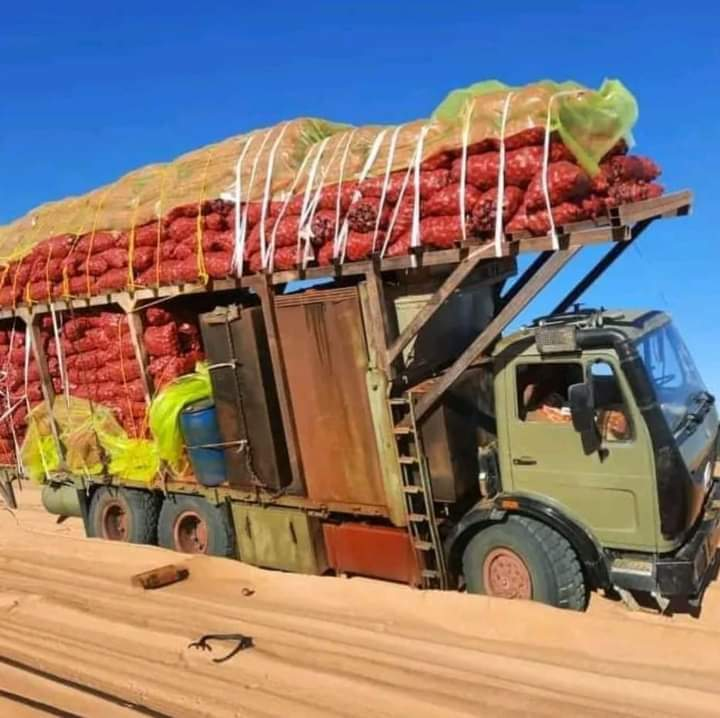
Transport Best Practices:
- Use padded crates to prevent bruising during loading and unloading.
- Stage transport move onions in phases rather than bulk shipments to reduce compression damage.
- Night transport when possible to avoid heat buildup.
- Cover trucks with breathable covers, not plastic sheeting.
- Minimize handling each transfer increases bruising risk by 5–10%
Step 5: Navigate Market Timing and Export Opportunities:
Understanding Price Cycles:
Onion prices in Kenya fluctuate dramatically:
- Harvest season (March–May, October–December): Prices drop to Ksh 25–40/kg
- Off-season (June–September, January–February): Prices surge to Ksh 80–150/kg
Farmers who store onions for 2–3 months can sell at 2–3x the harvest-season price.
Are you in need of in-depth knowledge on onion and garlic production? If yes, we are a call away. Contact us for: Onion seedlings, Garlic seedlings, Germinated garlic cloves, Farm planning services, Soil testing, training on onion and garlic growing, Drip irrigation installation and maintenance, Agronomic support, Onion and Garlic value pack and Farm management. For free consultation, placing orders or booking a visit with an agronomist, please contact us via Call or what’s app +254703982228, Email: info@oniondoctor.co.ke You can also check out our social media handles for daily updates on TikTok: https://www.tiktok.com/@oniondoctorke0706252490?_r=1&_t=ZS-96UPUyx6ESL Instagram:https://www.instagram.com/oniondoctorke?igsh=MW5sZzJ6c3BnZ3Z0dw==Facebook:https://www.facebook.com/share/1HouRgLCwS/Twitter:https://x.com/OnionDoctorKe?s=20