
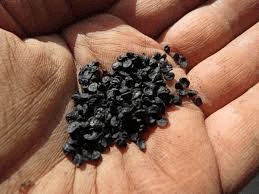
From the moment a tiny onion seed is sown into fertile soil, it begins a remarkable journey shaped by science, patience, and market insight. This path from careful seed selection and nurturing in the field, to harvesting, curing, and grading demands both agricultural skill and business acumen. Farmers increasingly turn to hybrid and high-quality open-pollinated seeds to ensure resilience, uniformity, and higher yields, while sustainable practices and controlled-environment farming boost consistency. Once harvested, onions undergo meticulous sorting and packaging to meet diverse market standards, from local stalls to international export hubs. In today’s competitive Agri-economy, understanding the full seed-to-market chain is not just about growing onions, it’s about cultivating value, reducing post-harvest losses, and aligning with consumer demand for freshness, flavor, and traceability. This holistic approach transforms a humble seed into a profitable, market-ready product that feeds communities and sustains livelihoods.
Are you in need of in-depth knowledge on onion and garlic production? If yes, we are a call away. Contact us for: Onion seedlings, Garlic seedlings, Germinated garlic cloves, Farm planning services, Soil testing, training on onion and garlic growing, Drip irrigation installation and maintenance, Agronomic support, Onion and Garlic value pack and Farm management. For free consultation, placing orders or booking a visit with an agronomist, please contact us via Call or what’s app +254703982228, Email: Info@oniondoctor.co.ke. You can also check out our social media handles for daily updates on TikTok: https://www.tiktok.com/@oniondoctorke?_t=ZM-8wmsTu0qumO&_r=1 Instagram: https://www.instagram.com/oniondoctorke?igsh=MTVoaHF3aWUydTJzaQ==Facebook:https://www.facebook.com/share/16SwgYn2dG/ Youtube:https://youtube.com/@oniondoctorke?si=u5Jnd-r0qU9UDYqL and Twitter: https://x.com/OnionDoctorKe?t=FR3JXlS_oN1vjjUgAtfyzg&s=09.

Seedling Propagation and Nursery Management in Onion Farming
Once your seeds have germinated, the real work begins. Managing your onion nursery requires regular attention to watering, weeding, and pest control. The seedlings should be watered regularly, preferably in the morning or late afternoon, to avoid the scorching midday sun, which can cause rapid evaporation.
Weeds can quickly overrun a nursery, competing with onion seedlings for nutrients and sunlight. Regular weeding is essential, but it should be done carefully to avoid disturbing the delicate seedlings. Hand-weeding is usually the best method during the early stages.
Pest and disease management is another critical aspect of nursery care. Common pests in onion nurseries include thrips and cutworms, while diseases such as damping-off, downy mildew, and purple blotch can affect seedlings. Regular inspection of the nursery for any signs of pests or disease is essential. If detected, appropriate measures should be taken, such as using organic or chemical pesticides, depending on the severity of the infestation and the stage of seedling development.
Transplanting and Fertilizer Application in Onion Farming in Kenya
In onion farming, successful transplanting and proper fertilizer application are key steps that determine both yield and bulb quality. Transplanting is usually done when seedlings are 6–8 weeks old, with 3–4 true leaves and a pencil-thick stem, ensuring they are strong enough to withstand field conditions. Before transplanting, seedlings should be hardened by gradually reducing water and exposing them to outdoor conditions for about a week, which helps them adapt and reduces transplant shock. The field should be well-prepared with fine tilth and proper drainage to avoid waterlogging, which can cause bulb rot. At planting, a basal application of well-decomposed manure or compost enriches the soil with organic matter, while a balanced NPK fertilizer often in the ratio of 20:20:20 or as recommended by a soil test provides essential nutrients for early growth. After establishment, split applications of nitrogen-rich fertilizer, such as CAN or urea, are applied at intervals to promote healthy leaf development, which directly influences bulb size. Care should be taken to avoid over-fertilization, as excessive nitrogen can delay maturity and reduce storage quality. Combining timely transplanting with a well-planned fertilizer regime ensures onions grow vigorously, mature uniformly, and achieve maximum market value.
Proper Curing To Boost Shelf Life And Market Value
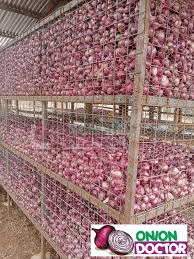
Curing is the silent hero of onion farming the crucial post-harvest process that transforms freshly pulled bulbs into long-lasting, market-ready produce. By allowing onions to dry in warm, well-ventilated conditions until their outer skins turn papery and necks seal completely, farmers can extend shelf life for months, reduce losses from rot and sprouting, and preserve that firm, flavorful crunch buyers love. In the marketplace, well-cured onions not only fetch higher prices but also open doors to distant markets, giving farmers a competitive edge and steady income even in off-season months. For growers aiming to turn their harvest into lasting profit, mastering the art of curing is as important as the planting itself.
At Onion Doctor, we believe every bulb counts, and so does every farmer’s success story. From providing high-quality seedlings and precise soil testing to connecting you with ready markets and offering hands-on agronomy support, we walk with you every step of the way. Whether you grow onions or garlic, our mission is to help you achieve bigger harvests, better quality, and brighter profits. Let’s grow together, because your farm’s potential is just the beginning.