
Are you in need of in-depth knowledge on onion and garlic production? If yes, we are a call away. Contact us for: Onion seedlings, Garlic seedlings, Germinated garlic cloves, Farm planning services, Soil testing, training on onion and garlic growing, Drip irrigation installation and maintenance, Agronomic support, Onion and Garlic value pack and Farm management. For free consultation, placing orders or booking a visit with an agronomist, please contact us via Call or what’s app +254703982228, Email: Info@oniondoctor.co.ke. You can also check out our social media handles for daily updates on TikTok: https://www.tiktok.com/@oniondoctorke?_t=ZM-8wmsTu0qumO&_r=1 Instagram: https://www.instagram.com/oniondoctorkeigsh=MTVoaHF3aWUydTJzaQ==Facebook:https://www.facebook.com/share/16SwgYn2dG/ Youtube:https://youtube.com/@oniondoctorke?si=u5Jnd-r0qU9UDYqL and Twitter:https://x.com/OnionDoctorKet=FR3JXlS_oN1vjjUgAtfyzg&s=09.
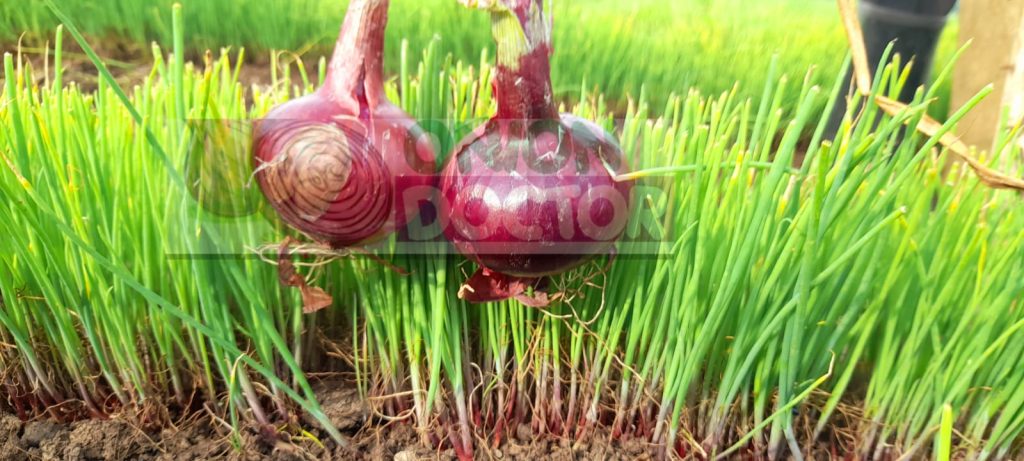
Onion farming is more than just planting seeds and waiting for harvest, it’s an art that blends timing, soil care, and smart farming techniques to produce those big, healthy bulbs that fetch premium prices in the market. The secret lies in starting with the right variety for your climate, preparing nutrient-rich, well-drained soil, and ensuring consistent watering without waterlogging. Strategic spacing allows each plant enough room to grow, while timely weeding and pest control keep the crop healthy. Adding organic matter boosts bulb size and harvesting at the right maturity ensures longer shelf life and better market value. With these simple but powerful practices, farmers can turn their onion fields into a steady source of bigger yields and higher profits season after season.
Planting Onion Seedlings
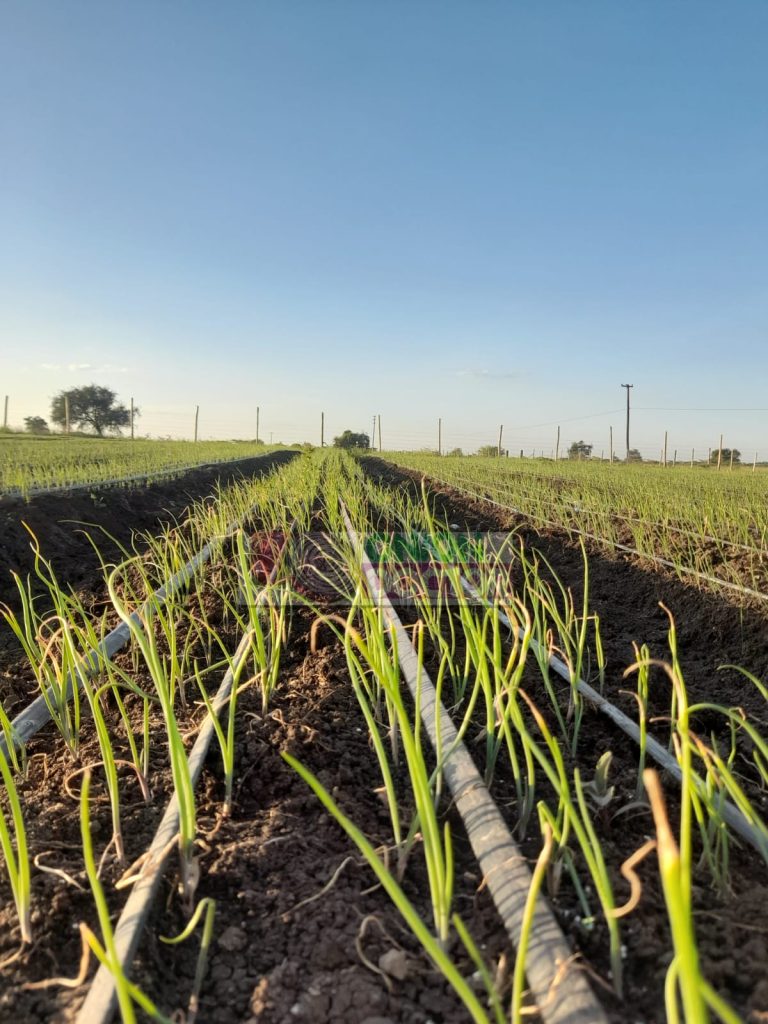
Onion seedlings can be planted at any point from this size up so long as the soil is workable and not overly wet. I’ve reserved a beautifully bright spot for my onions, because more sun means bigger bulbs.
If you’re buying ready-to-plant transplants or starts, then they will arrive as individual seedlings, so these will need to be planted at the same spacings as sets, so at least 10 cm apart, or use wider spacings to grow larger bulbs.
With your seedlings planted, give them a good drink. If Winter is still dragging on where you are, it’s a good idea to cover these early plantings with row cover fabric to help them transition, at least for the first couple of weeks, until it’s a bit warmer.
Watering and Feeding Onions
With your onions planted, it’s now a waiting game. Plants will put on plenty of leafy growth but won’t start swelling those bulbs until days are long enough.
Because onions have thin, strappy leaves they’re easily overpowered by weeds, so it’s essential to keep the soil around plants well-weeded. Another advantage of keeping the ground weed-free is improved airflow between plants. This, together with proper spacing , leaving enough space between plants or clusters or plants – should help to reduce the risk of disease. These are shallow-rooted plants, so be careful and hand-weed or manual weeding is recommended.
Onions love to sunbathe but they also need moist soil, especially when the time comes to swell those bulbs, so water regularly in dry weather. Plentiful moisture means bigger bulbs, it’s as simple as that!
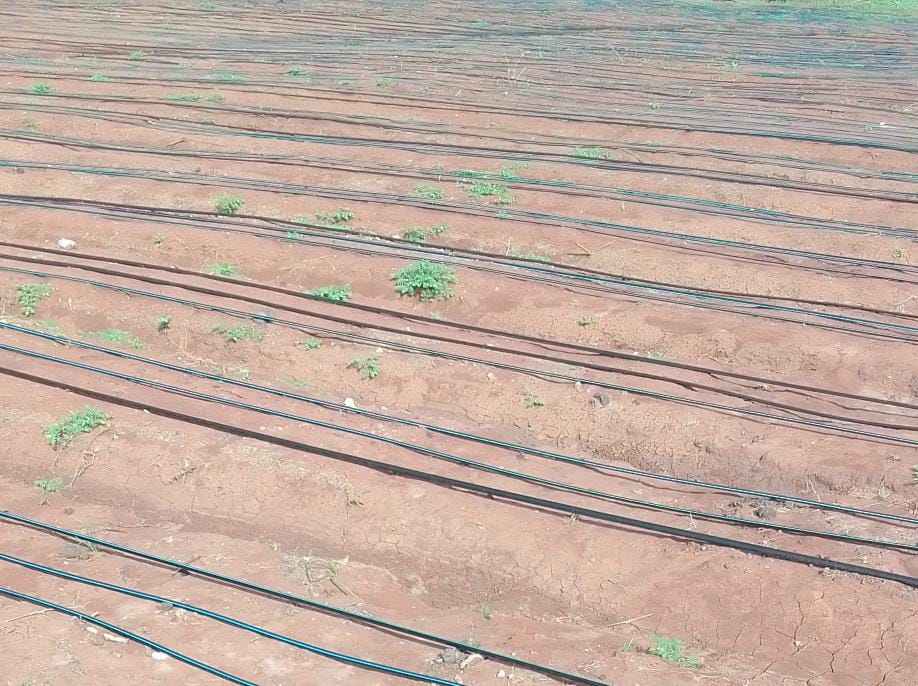
If you have it, drip irrigation can help to keep the soil moist while the leaves remain dry, which helps to minimize potential disease problems. Drip irrigation helps to minimize water loss and also water the onions uniformly.
If your soil isn’t especially rich there’s no harm in adding a relatively fast-acting nitrogen-rich organic fertilizer a month or two after planting – something like bloodmeal would be perfect for this, sprinkled around your onions then tickled into the soil with a hand fork.
Bigger onion bulbs don’t just happen by chance, they’re the result of smart farming practices, precise timing, and a deep understanding of your crop’s needs. From selecting the right high-yield varieties to mastering soil nutrition and irrigation schedules, every step plays a role in boosting both size and market value. When you combine these techniques with proper post-harvest handling, you’re not just growing onions — you’re cultivating a profitable agribusiness that can thrive season after season. The secret? Treat each bulb like an investment, and it will reward you with both abundance and income.