
Are you in need of in-depth knowledge on onion and garlic production? If yes, we are a call away. Contact us for: Onion seedlings, Garlic seedlings, Germinated garlic cloves, Farm planning services, Soil testing, training on onion and garlic growing, Drip irrigation installation and maintenance, Agronomic support, Onion and Garlic value pack and Farm management. For free consultation, placing orders or booking a visit with an agronomist, please contact us via Call or what’s app +254703982228, Email: Info@oniondoctor.co.ke. You can also check out our social media handles for daily updates on TikTok: https://www.tiktok.com/@oniondoctorke?_t=ZM-8wmsTu0qumO&_r=1 Instagram: https://www.instagram.com/oniondoctorke?igsh=MTVoaHF3aWUydTJzaQ==Facebook:https://www.facebook.com/share/16SwgYn2dG/ Youtube:https://youtube.com/@oniondoctorke?si=u5Jnd-r0qU9UDYqL and Twitter: https://x.com/OnionDoctorKe?t=FR3JXlS_oN1vjjUgAtfyzg&s=09.
Soil Health Challenges in Onion Farming in Kenya.
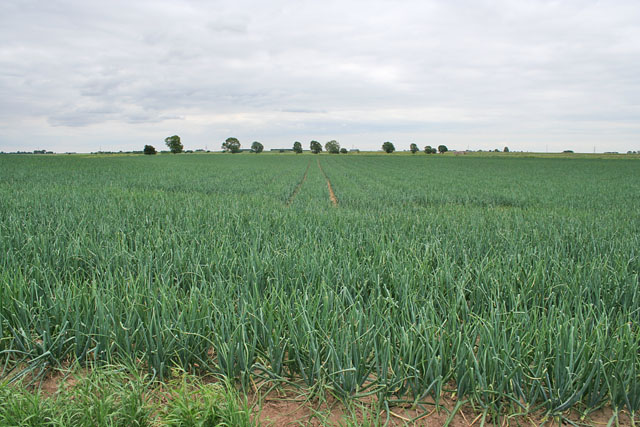
Onion farming in Kenya faces a silent but declining soil health. Many farmers struggle with depleted soils caused by continuous cultivation without proper replenishment of nutrients. Over-reliance on chemical fertilizers, while boosting short-term yields, often leads to soil acidification and reduced microbial activity, making the land less productive over time. Poor crop rotation practices also encourage the build-up of pests and diseases in the soil, further weakening plant growth.
In some regions, erosion and waterlogging strip away or compact the topsoil, depriving onions of the loose, well-drained conditions they need to thrive. Additionally, climate change has intensified droughts and unpredictable rainfall, making it harder to maintain soil moisture and fertility. Addressing these challenges requires a shift toward sustainable practices such as organic composting, cover cropping, and integrated soil management ensuring that the very foundation of onion farming remains healthy, fertile, and resilient for future harvests.
Healthy soil is the foundation of sustainable agriculture, but challenges like acidity and salinity threaten its productivity and long-term viability.
Soil acidity occurs when the pH drops too low, often due to excessive rainfall leaching away essential nutrients or the prolonged use of acid-forming fertilizers. This condition can limit the availability of key nutrients such as phosphorus, calcium, and magnesium, while increasing toxic elements like aluminum, which can stunt root growth.
On the other hand, soil salinity arises when soluble salts accumulate in the root zone, often as a result of poor drainage, over-irrigation, or the use of saline water sources. High salt concentrations disrupt plant water uptake, leading to reduced growth, lower yields, and in severe cases, plant death. Both acidity and salinity not only degrade soil structure and fertility but also make crops more vulnerable to pests, diseases, and climate stress. Addressing these issues requires integrated soil management practices such as liming acidic soils, improving drainage, adopting salt-tolerant crops, and using efficient irrigation methods to restore balance and ensure resilient, productive farmlands for the future.
How can I improve soil fertility for my onion farm in Kenya?
I am always looking for ways to improve the fertility of my soil. After all, healthy soil means healthy plants, which in turn leads to better yields and more profitable harvests. In this article, I will share some tips and techniques that I have found to be effective in improving soil fertility for my onion farm.
One of the most important things to keep in mind when it comes to soil fertility is the importance of maintaining a good balance of nutrients. This includes not only the major nutrients such as nitrogen, phosphorus, and potassium but also the secondary and micronutrients that are essential for plant growth.
Compost
One way to achieve this balance is through the use of compost. Compost is made by breaking down organic matter, such as leaves and grass clippings, into a rich, nutrient-dense material that can be added to the soil. Composting is easy to do and can be done on a small scale using simple methods like pit or trench composting.
Cover Crops
Another way to improve soil fertility is through the use of cover crops. Cover crops are plants that are grown specifically to improve soil health. They can be used to add organic matter to the soil, to fix nitrogen, suppress weeds, and reduce erosion. Cover crops can be grown in between rows of onions, and then plowed under to add organic matter and nutrients back into the soil.
Crop Rotation
Another technique that I have found to be effective is crop rotation. Crop rotation helps to break pest and disease cycles, as well as to improve soil fertility by rotating different crops through different fields. This can be done by rotating onions with other crops such as maize, beans, or peas. By rotating different crops, the soil is replenished with different nutrients and the soil is less likely to become depleted.
Organic Fertilizers
Another way to improve soil fertility is through the use of organic fertilizers. Organic fertilizers are made from natural materials such as bone meal, blood meal, and fish emulsion. They are a great alternative to synthetic fertilizers and can be used to provide plants with the nutrients they need to grow healthy and strong.
Beneficial Microorganisms
Finally, another way to improve soil fertility is through the use of beneficial microorganisms. Beneficial microorganisms are microorganisms that help to improve soil fertility by breaking down organic matter and making nutrients available to plants. These microorganisms can be added to the soil through the use of compost teas or by using products such as mycorrhizal fungi.
improving soil fertility is crucial for any onion farm. By using techniques such as composting, cover crops, crop rotation, organic fertilizers, and beneficial microorganisms, farmers can improve soil fertility and increase yields. These methods can be used in a sustainable and eco-friendly way, making them a great choice for farmers looking to improve their soil fertility
In conclusion, while soil health challenges such as nutrient depletion, erosion, and declining organic matter can threaten both yields and long-term farm sustainability, they are far from insurmountable. With the right agronomical guidance, regular soil testing, and tailored nutrient management, farmers can restore vitality to their land and secure better harvests year after year.
At Onion Doctor, we specialize in diagnosing soil problems, providing expert recommendations, and supporting you with practical, science-backed solutions. Let’s work together to turn your soil into a thriving foundation for healthier crops and higher profits because strong soil means a stronger future for your farm.

This is great! Keep the good work of educating farmers.
Thank you