If you’ve ever dreamed of growing healthy, high-yield onions, it all begins in one place the nursery. Think of your nursery as the “maternity ward” for your onions, where tiny seeds are nurtured into strong, vibrant seedlings ready to thrive in the field.
In onion farming, good nursery management is the foundation of success. This is where you give your crop the best possible start — ensuring uniform germination, healthy root development, and resilience against pests and diseases.
From selecting the right seeds and preparing a well-drained, fertile seedbed, to watering schedules and disease prevention, every step in nursery care directly impacts your final harvest. A well-managed nursery means stronger plants, reduced transplant shock, and ultimately, bigger, better bulbs.
Site Selection and Nursery Preparation.
Are you in need of in-depth knowledge on onion and garlic production? If yes, we are a call away. Contact us for: Onion seedlings, Garlic seedlings, Germinated garlic cloves, Farm planning services, Soil testing, training on onion and garlic growing, Drip irrigation installation and maintenance, Agronomic support, Onion and Garlic value pack and Farm management. For free consultation, placing orders or booking a visit with an agronomist, please contact us via Call or what’s app +254703982228, Email: Info@oniondoctor.co.ke. You can also check out our social media handles for daily updates on TikTok: https://www.tiktok.com/@oniondoctorke?_t=ZM-8wmsTu0qumO&_r=1 Instagram: https://www.instagram.com/oniondoctorke?igsh=MTVoaHF3aWUydTJzaQ==Facebook:https://www.facebook.com/share/16SwgYn2dG/ Youtube:https://youtube.com/@oniondoctorke?si=u5Jnd-r0qU9UDYqL and Twitter: https://x.com/OnionDoctorKe?t=FR3JXlS_oN1vjjUgAtfyzg&s=09.
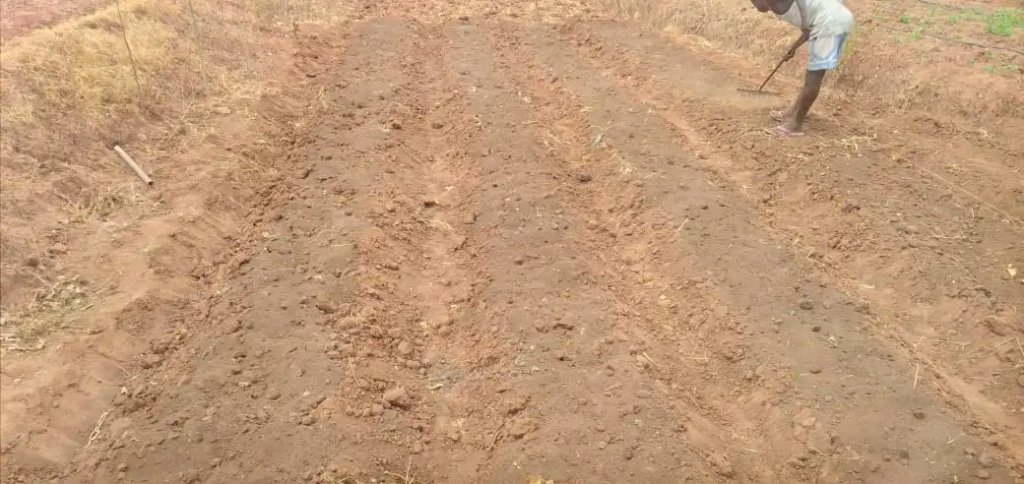
Choosing the right location for your onion nursery is paramount. The ideal site should be easily accessible and in proximity to a water source, as onions require consistent moisture levels for optimal growth. A site with well-draining soil is crucial, as onions are susceptible to waterlogging, which can lead to root rot and other fungal infections.
Once the site is selected, the next step is soil preparation. Start by clearing the area of any weeds, debris, or stones that could impede seedling growth. The soil should then be tilled to a fine texture, ensuring that it is loose enough to allow the delicate roots of onion seedlings to penetrate easily. A soil depth of about 15-20 cm is recommended. Adding well-rotted manure or compost to the soil will enrich it with the necessary nutrients, promoting healthy seedling growth. The soil pH should be between 6.0 and 7.0; a soil test can determine this, and any necessary adjustments should be made before sowing.
Seed Selection and Sowing
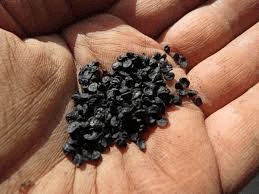
The quality of the seeds you select will significantly impact your onion nursery’s success. Opt for certified seeds from reputable suppliers to ensure they are disease-free and genetically pure. The variety of onion you choose should be suited to your region’s climate and the specific market demands you aim to meet.
Sow the seeds in rows that are about 15-20 cm apart, allowing sufficient space for the seedlings to grow without competition for nutrients and sunlight. The seeds should be sown at a depth of about 1-2 cm, with a spacing of 1-2 cm between each seed. Cover the seeds lightly with soil and apply a thin layer of mulch, such as dry grass, to retain moisture and protect the seeds from direct sunlight.
Water the nursery bed gently but thoroughly after sowing. It is crucial to maintain consistent moisture levels throughout the germination period, which typically takes 7-14 days. However, be careful not to overwater, as this can lead to fungal diseases like damping-off, which can decimate young seedlings.
Nursery Management and Care
Once your seeds have germinated, the real work begins. Managing your onion nursery requires regular attention to watering, weeding, and pest control. The seedlings should be watered regularly, preferably in the morning or late afternoon, to avoid the scorching midday sun, which can cause rapid evaporation.
Weeds can quickly overrun a nursery, competing with onion seedlings for nutrients and sunlight. Regular weeding is essential, but it should be done carefully to avoid disturbing the delicate seedlings. Hand-weeding is usually the best method during the early stages.
Pest and disease management is another critical aspect of nursery care. Common pests in onion nurseries include thrips and cutworms, while diseases such as damping-off, downy mildew, and purple blotch can affect seedlings. Regular inspection of the nursery for any signs of pests or disease is essential. If detected, appropriate measures should be taken, such as using organic or chemical pesticides, depending on the severity of the infestation and the stage of seedling development.
Transplanting Seedlings to the Field
After 6-8 weeks, or once the seedlings have reached a height of 15-20 cm and have developed 3-4 true leaves, they are ready to be transplanted to the main field. It is advisable to water the nursery bed thoroughly the day before transplanting to reduce transplant shock. Carefully lift the seedlings from the nursery, ensuring you do not damage their roots, and plant them in the prepared field at the recommended spacing.
The following preparations and practices should be followed for
transplanting seedlings from seed bed to fields.
Seedling stage: Age of the seedlings is important for establishment and
higher final bulb yield. Seedlings are ready for transplanting at 45 days
after sowing or when 3-4 true leaves emerge; this is just before bulb
formation starts. If seedlings overstay on beds for more than 45
days after sowing, bulb formation starts and potential for bulb size
development reduced with consequent significant yield reduction.
Bed irrigation: irrigate slightly seedling bed before uprooting for
transplanting to avoid damage to seedlings.
Trimming: root or shoot trimming is not recommended when seedling is
transplanted at the appropriate stage. The practice reduces the final bulb
yield. Producers usually trim shoots when it gets older and taller, and also
lightly trim roots to facilitate planting operation (Figure 4). If practiced
better to trim shoots part only or root parts very lightly; not good to trim
both at one time as it reduces yield significantly.
Good qualities, disease free seedlings on raised beds and
ready for transplant
Lightly irrigated beds before uprooting and lightly trimmed
seedlings.
Furrow/ridge preparation: the field should be prepared well and furrows
opened at 40 cm distance including ridge
Field pre-irrigation: better to irrigate the ridges/field just immediately
before transplanting to facilitate planting, operation and reduce seedling
damage.
Pest And Disease Management in an Onion Nursery in Kenya
There are some common pest and diseases affecting onion in a nursery and they include Thrips, onion maggots, onion flies, cutworms and army warm. Diseases Include Downy mildew, purple blotch, Fusarium basal rot, Bacterial soft rot and leaf blight.
Cultural and preventive measures for pest and diseases.
1.Crop rotation-Rotate onion crops with cereals and legumes to avoid accumulation of pest and diseases. Avoid consecutive allium crop.
2.Mulching-Cover the nursery with dry grass or straw to suppress weeds and prevent infestation of pest. Mulching also helps to avoid direct sunlight to the nursery.
3.Irrigation-Watering is done slightly but frequently, avoid overwatering as it encourages fungal infection.
4.Monitoring-Field scouting is done regularly to check on the status of the crops and helps in noticing pest and working on it before it spreads.
Use of IPM
In onion nurseries, Integrated Pest Management (IPM) is crucial for preventing and controlling pests and diseases that can affect the growth and yield of the crops. IPM strategies include:
- Cultural Practices: Ensuring proper spacing, rotation of crops, and maintaining good drainage to reduce pest populations.
- Biological Control: Utilizing natural predators and beneficial organisms like ladybugs and lacewings to manage pest populations.
- Chemical Control: Using EPA-approved pesticides as a last resort, following label recommendations to minimize environmental impact.
- Monitoring: Regularly inspecting the nursery for signs of pests and diseases to take timely action.
Key Points
1.Choose disease resistance variety to sow in onion nursery
2.Maintain sanitation, remove diseased seedlings promptly, and avoid overwatering.
3.Implimenting regular scouting and adopt IPM practices to reduce losses and chemical dependacy.
4.Partner with local extension service for pest/disease identification and management advise.