
Are you in need of in-depth knowledge on onion and garlic production? If yes, we are a call away. Contact us for: Onion seedlings, Garlic seedlings, Germinated garlic cloves, Farm planning services, Soil testing, training on onion and garlic growing, Drip irrigation installation and maintenance, Agronomic support, Onion and Garlic value pack and Farm management. For free consultation, placing orders or booking a visit with an agronomist, please contact us via Call or what’s app +254703982228, Email: Info@oniondoctor.co.ke. You can also check out our social media handles for daily updates on TikTok: https://www.tiktok.com/@oniondoctorke?_t=ZM-8wmsTu0qumO&_r=1 Instagram: https://www.instagram.com/oniondoctorke?igsh=MTVoaHF3aWUydTJzaQ==Facebook:https://www.facebook.com/share/16SwgYn2dG/ Youtube:https://youtube.com/@oniondoctorke?si=u5Jnd-r0qU9UDYqL and Twitter: https://x.com/OnionDoctorKe?t=FR3JXlS_oN1vjjUgAtfyzg&s=09
When it comes to starting up a farm, there are several variables and steps for farmers to consider. These variables will impact agricultural production and one of them is land preparation. Land preparation will ensure that the land or soil is ready in terms of nutrients and yield potential.
What is Land Preparation?
Land preparation, commonly referred to as tillage practices, is a procedure carried out with the intention of creating the required soil conditions that will encourage greater agricultural output.
Land preparation is one of the first activities you carry out on the land. Depending on how you go about it, land preparation could also play a critical role in the control of weeds and pests that might threaten the soil in the future.
Land and soil preparation is important for all sorts of vegetative slope stabilization methods. To achieve optimum success, all necessary procedures must be followed during land preparation to improve the properties of the soil.
Methods of Land Preparation
There are three methods that are commonly employed in land preparation;
Manual Method
Due to its accessibility to practically everyone and low to no financial outlay, this type of land preparation is the most popular. These manual methods include weeding with hoes, cutting with a cutlass, and clearing the field of waste by handpicking.
Mechanical Method
Mechanized methods involve removing the current vegetation using machines like bulldozers, graders, tractor plows, and more. This is usually used on large properties or in dense forest areas where manual methods might not be effective.
Chemical Method
This involves using herbicides to eradicate the current vegetation or weed on the land; however, it is not frequently used because of the fear that these chemicals might deplete the soil’s nutrients or create more detrimental conditions for the environment.
Steps To Follow In Land Preparation
In order to guarantee that the crops are well-established after the land is prepared, it is important to carefully choose the most suitable approach. This means that not following the proper steps can cause harm to the ecosystem, affecting both water and land resources.
Environmental consequences are regarded as the primary issue when detailing land preparation procedures. You have to put the effect it will have on the environment into consideration when preparing the land for usage. There are various steps when preparing the land, and a few of them are:
Pre-irrigation
This is the first step in land preparation. Pre-irrigation is regarded to as the practice of flooding the field for a maximum of three days before the initial tilling in order to wet and loosen tight and compacted soil for plowing to be made easier.
Tilling
The next activity after pre-irrigation in land preparation is clearing the field or site, which is also referred to as tilling. This will ensure that any undesired vegetation, such as weeds, is eradicated. This is done to clear the way for the new plantation that will be planted on the land, avoid unwanted competition with new plants and remove any weeds that may be a problem for the crop. This must be carried out carefully and intelligently in order to guarantee that the undesired vegetation is removed from the roots, avoiding any future complications and impeding the proposed crops that will be grown in the area.
Harrowing
Harrowing, which is also referred to as secondary plowing in land preparation, will help break the clumps of dirt into tiny bits. Harrowing often results in a well-aerated soil for cultivation. It also helps achieve good soil moisture, which will make it easy to work on the soil, and paving the way for critical plant life requirements such as nutrients. Harrowing the land will assist the topography of the land by leveling the slopes and allowing for the creation of beds on the soil.
Factors To Consider In Land Preparation
Land preparation is an operation that requires careful investigation. This is not just because it is a laborious process to complete, but because the outcome of the activities can affect the farm’s productivity in the future. Land preparation is an operation that requires careful investigation by taking into account a variety of factors. When preparing the land, the following factors determining the kind and extent of land preparation should be taken into consideration.
Soil Features
When preparing the land before farm operations begin, the characteristics of the land should be thoroughly examined and analyzed. Both the topsoil and the subsoil should be carefully sampled and tested. This will provide you with an understanding of the soil’s moisture content, texture, soil tilth, soil porosity/bulk density, water-retentive capacity, characteristics and nutrients, and structure, among many other things.
Topography
Another factor to consider in land preparation is the topography of the land. Topography refers to the surface patterns and characteristics of the land, as well as how they are arranged. The topography of the land has a huge effect on the agricultural operations and production that will be carried out on the land.
The effectiveness of land preparation and soil cultivation depends on the slope gradient. The study of the topography of the land will show you where is susceptible to erosion on the farm and how to manage it efficiently so that erosion or flooding does not wash away soil nutrients when farming activities begin.
Land History
Before preparing the land, it is also vital to examine the farm’s history. Previous agricultural activities might have had a significant impact on the productivity of your land. The history of land usage can give useful insights as to the method of land preparation you might apply as a farmer. As a result, this knowledge can assist the landowner in selecting the best method.
Climate and Weather
There are a lot of agricultural operations that depend on climate and weather for their functionality, and that includes land preparation. Considering the climate conditions and the weather can help you with your choice of crops for the weather. Factors like expected temperature rises and humidity levels, changes in extreme weather events, and limitations in water availability can influence the growth of the established plantations, also leading to the choice of the methods of land preparation suitable for the weather and the climate.
Making Beds for Bulb Onion Farming in Kenya
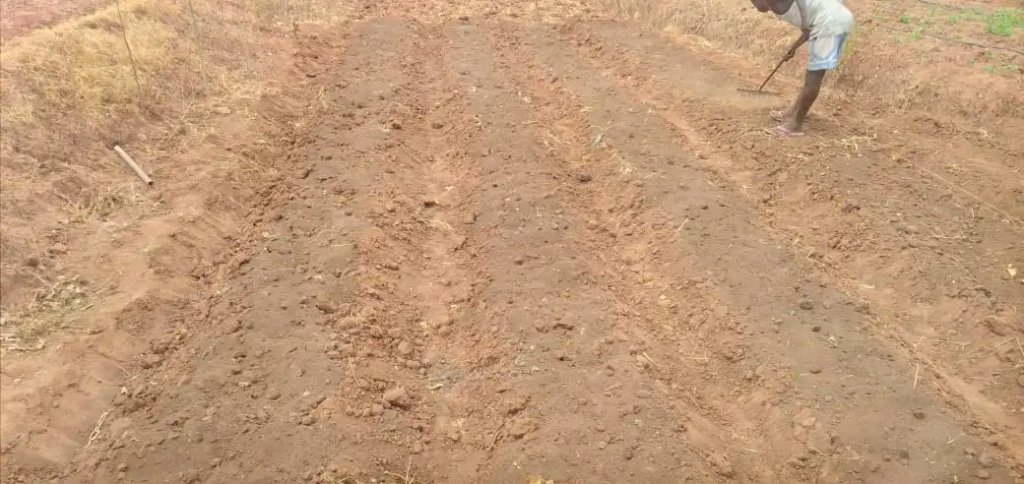
Bulb onions are among the most profitable horticultural crops in Kenya, but success starts long before the harvest. The way you prepare your beds determines whether your onions grow strong, resist disease, and yield abundantly.
Why Beds Matter
Raised beds are essential because onions are shallow-rooted and highly sensitive to waterlogging. In areas like Kajiado, Meru, and Nakuru, where onion farming thrives, proper bed preparation ensures good drainage, aeration, and ease of management.
Step-by-Step Bed Preparation
- Land clearing: Remove weeds, stumps, and stones to create a clean working area.
- Ploughing: Till the soil deeply to break clods and improve root penetration.
- Manure incorporation: Mix in well-decomposed farmyard manure (10–20 tons per acre) to enrich soil fertility.
- Bed formation: Raise beds 15–20 cm high, 1–1.2 m wide, with 30–40 cm paths between them. This spacing allows easy irrigation and weeding.
- Soil testing: Onions prefer pH 6.0–6.8. Apply lime if soil is too acidic.
- Seed sowing: Sow seeds in shallow drills (1–2 cm deep), cover lightly, and mulch to conserve moisture.
- Watering: Irrigate gently after sowing, keeping soil moist but not waterlogged.
key points
- Rotate onions with crops like maize or beans to reduce disease pressure.
- Keep beds weed-free during the first 6 weeks to avoid competition.
- Transplant seedlings when they are pencil-thin and about 15 cm tall.
Making proper beds is not just about structure, it’s about setting the stage for healthy onions and profitable harvests. Farmers who invest time in bed preparation often see better yields and fewer losses to disease.
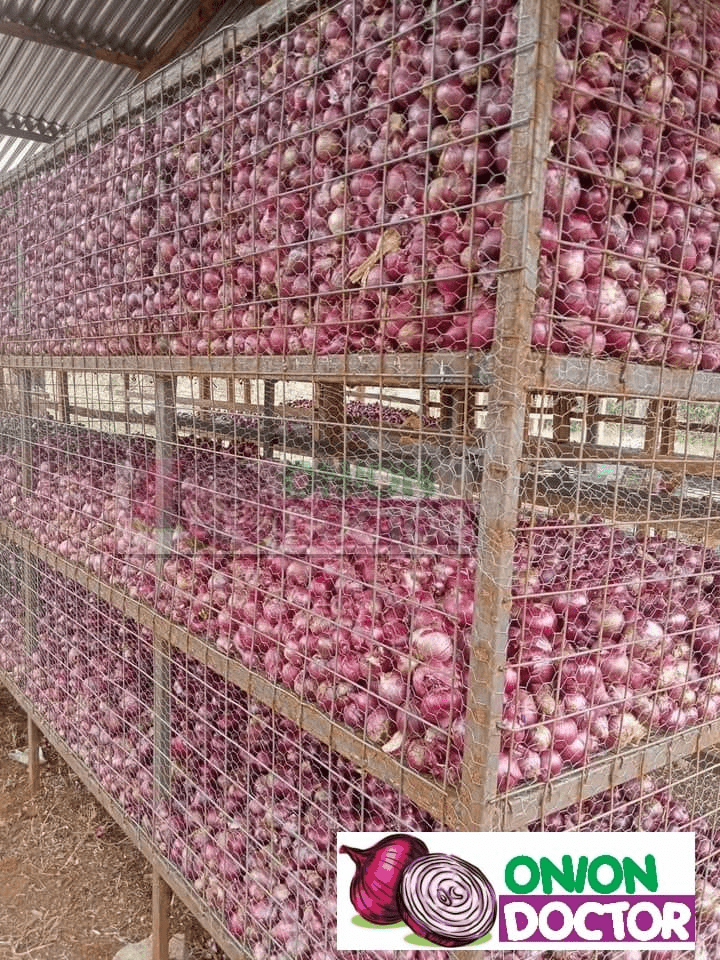
From the soil to the store by onion doctor
Onion farming success doesn’t start at harvest—it begins with the soil beneath your feet. Well-prepared land is the silent partner that nurtures every bulb, ensuring strong roots, healthy growth, and bountiful yields. So, invest the time, till with care, and let your soil tell the story of abundance.
Remember: Great onions grow from great preparation… and your farm could be the next success story waiting to sprout!