
Onion farming in Kenya has emerged as one of the most lucrative agricultural ventures for smallholder and commercial farmers alike. With onions being a staple ingredient in virtually every Kenyan household, hotel, and food processing industry, the demand for quality bulbs remains consistently high throughout the year. Whether you’re a young entrepreneur looking to break into agriculture or an experienced farmer seeking to diversify your crops, onion farming in Kenya offers an incredible opportunity to build wealth from the soil up. The beauty of onion farming in Kenya lies in its relatively moderate capital requirements compared to other agribusiness ventures, combined with strong profit margins that can transform a modest investment into a million-shilling enterprise. In this comprehensive guide, we’ll walk you through everything you need to know about onion farming in Kenya from selecting the right varieties and preparing your land, to managing pests, harvesting, and marketing your produce for maximum returns.
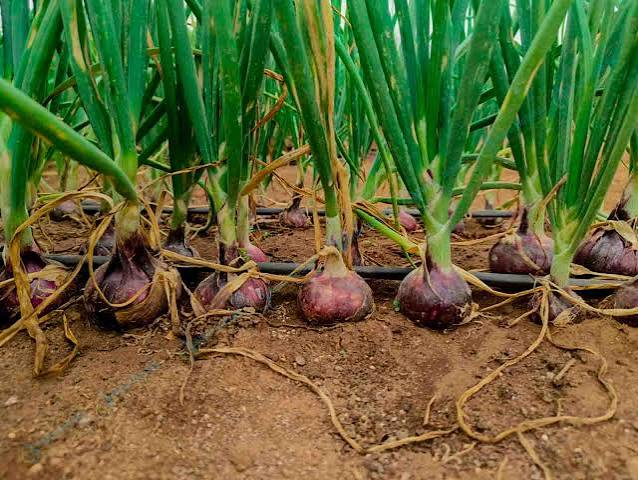
Understanding the Onion Market in Kenya:
The Growing Demand for Onions in Kenya
Onion farming in Kenya benefits from an ever-expanding market. Onions are not just a cooking ingredient; they are an essential component of Kenyan cuisine. From the famous sukuma wiki to rich beef stews, pilau, and chapati accompaniments, onions form the flavor foundation of countless dishes. This universal demand means that onion farming in Kenya enjoys a stable market that rarely experiences prolonged slumps.According to agricultural experts, local onion production in Kenya has improved significantly over the years, supplying a large portion of domestic demand. However, during periods of local shortage, imports from neighboring countries supplement supply, creating opportunities for Kenyan farmers to capture more of this market through strategic timing of their harvest
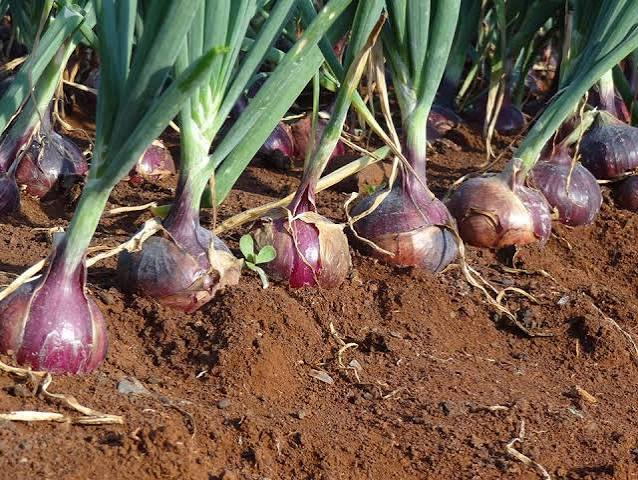
Step 1: Choosing the Best Onion Varieties for Kenya:
Your variety choice is the foundation of successful onion farming in Kenya. The wrong variety means small bulbs, disease susceptibility, and poor marketability. The right variety? Bigger bulbs, higher yields, and buyers lining up at your farm gate.
Top-Performing Onion Varieties in Kenya:
| Variety | Maturity (Days) | Yield (kg/acre) | Key Features | Best For |
|---|---|---|---|---|
| Red Pinoy F1 | 90 | 15,000 | Fastest maturing, 6-month shelf life, disease tolerant | Quick turnaround, export markets |
| Red Coach F1 | 110–120 | 16,000 | Deep dark red, stores 5 months, uniform bulbs | Premium local & export markets |
| Jambar F1 | 90–120 | 10,000 | Dark red, easy to cure, greenhouse-compatible | All-year production |
| African Red F1 | 120 | 18,000 | Pink root & purple blotch tolerant, 5-month storage | Disease-prone areas |
| Red Creole | 150 | 16,000 | Excellent storage, pungent flavor, drought-tolerant | Long-term storage, dry areas |
| Bombay Red | 120–150 | 16,000 | Globe-shaped, deep purple-red, widely adapted | Beginners, diverse climates |
| Texas Grano | 120 | 12,000 | White/golden, mild taste, ideal for salads | Salad onion market |
| Neptune F1 | 110–120 | 15,000 | Firm shiny red, pink root resistant, 5–6 month storage | High-value markets |
Hybrid vs. Open-Pollinated: The Cost-Yield Debate:
Hybrid F1 varieties like Red Coach and Neptune cost between KSh20,000–KSh50,000 per kg of seed but deliver yields of 15–20tonnes per acre. Open-pollinated varieties like Red Creole cost as little as KSh6,000–KSh25,000 per kg but yield 2–10tonnes per acre.
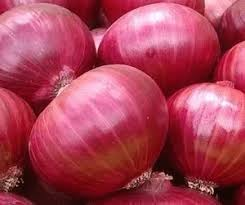
Step 2: Land Preparation: The Make-or-Break Phase:
Onions are shallow-rooted. Poor land preparation is the #1 reason farmers fail at onion farming in Kenya. Here’s how to get it right:
Soil Requirements:
- Soil Type: Well-drained sandy loam (avoid heavy clay and waterlogged areas)
- pH Level: 6.0–6.8 (test your soil before planting!)
- Organic Matter: Rich in compost or well-decomposed manure
- Drainage: Critical onions rot in standing water
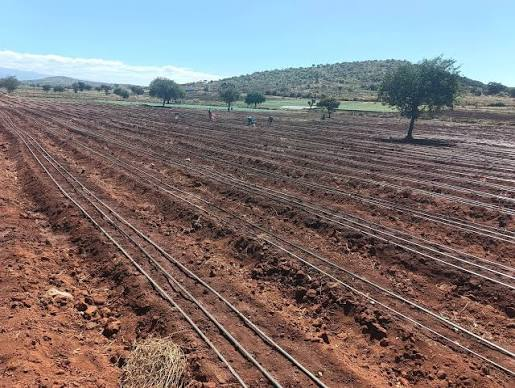
Land Preparation Checklist:
- Clear the field: Remove all weeds, rocks, and debris. Use a non-selective herbicide 10–14 days before planting.
- Plough deeply: To a depth of at least 20 cm to break hardpans.
- Harrow to fine tilth: Onion roots are delicate; clods and compacted soil will stunt growth.
- Add organic manure: well-decomposed manure improves structure and water retention.
- Apply basal fertilizer: DAP or NPK based on soil test recommendations.
- Form raised beds: 1 meter wide, 10–15 cm high, especially in areas with heavy rainfall.
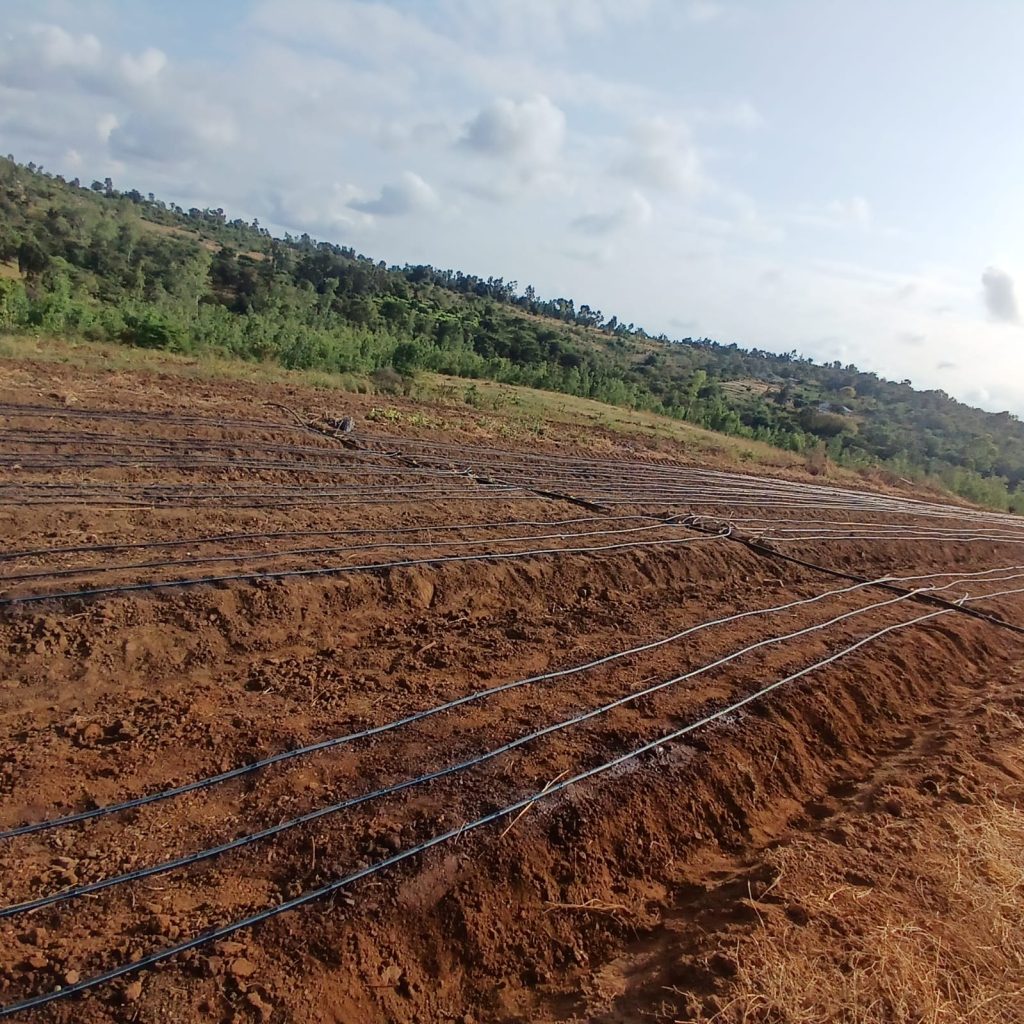
Step 3: Nursery Management: Raising Champion Seedlings:
Most successful onion farming in Kenya starts in the nursery. Direct seeding in the field leads to poor germination and weak seedlings. Here’s the nursery blueprint:
Nursery Bed Setup:
- Bed dimensions: 1 meter wide, any convenient length
- Height: 10–15 cm raised beds for drainage
- Soil mix: Fine topsoil + well-decomposed manure
Sowing and Care:
- Sow thinly: Broadcast seeds evenly and cover lightly with fine soil.
- Water gently: Use a fine rose can to avoid washing away seeds. Keep soil consistently moist.
- Shade lightly: Protect from intense midday sun for the first week.
- Weed promptly: Onion seedlings are poor competitors.
- Thin if overcrowded: Aim for sturdy, pencil-thick seedlings.
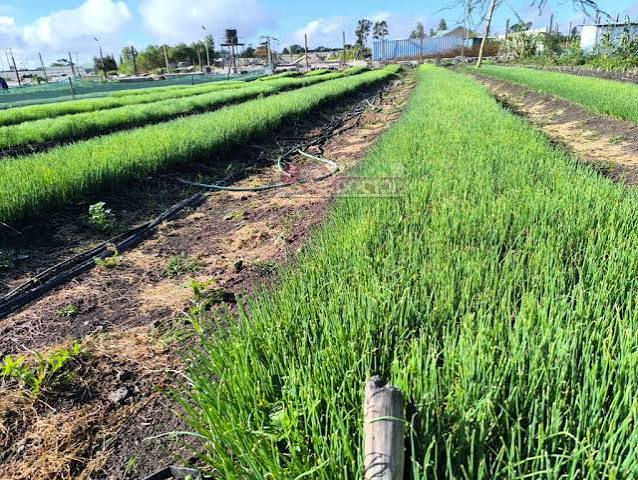
Transplanting time: 6–8 weeks after sowing, when seedlings are about 15 cm tall.
Step 4: Transplanting for Maximum Bulb Size:
Transplanting is a delicate operation in onion farming in Kenya. Do it wrong, and you’ll lose 20–30% of your crop to shock.
Transplanting Best Practices:
- Timing: Early morning or late evening (avoid midday heat)
- Spacing: 30 cm between rows, 8–10 cm between plants (closer spacing = smaller bulbs)
- Depth: Plant at the same depth as in the nursery don’t bury the crown
- Water immediately Soak the soil after transplanting to settle roots
- Handle with care Damaged roots don’t recover well
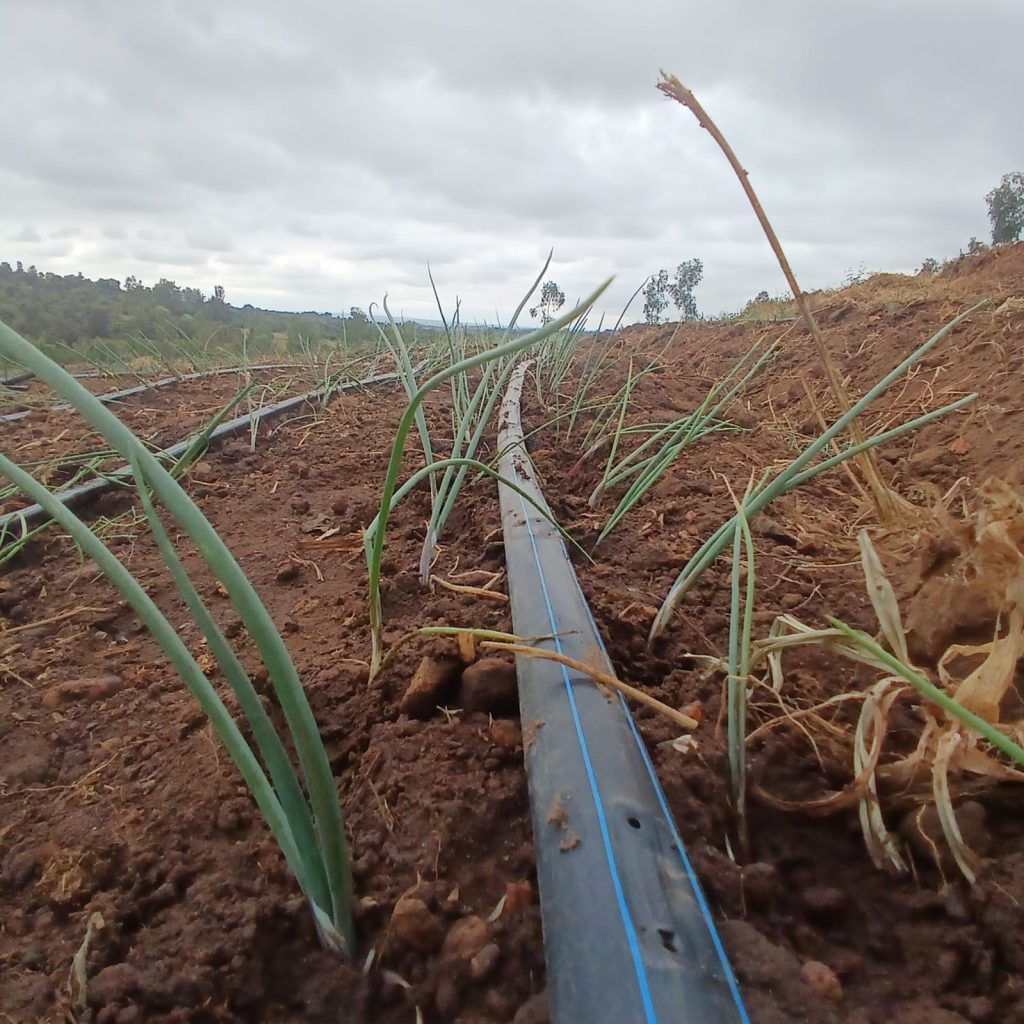
The Spacing Secret: Want bigger bulbs? Space plants 10–15 cm apart within rows. Want more plants per acre? Use 8 cm spacing but expect smaller bulbs. Market preference in Kenya favors medium-to-large bulbs, so don’t overcrowd.
Step 5: Water Management: The Lifeline of Your Crop:
Water can make or break onion farming in Kenya. Onions have shallow root systems and need frequent, light watering not deep flooding.
Irrigation Strategies:
| Growth Stage | Water Needs | Frequency |
|---|---|---|
| Establishment (Weeks 1–4) | High | Every 2–3 days |
| Vegetative growth | Moderate-High | Every 3–4 days |
| Bulb formation | Consistent moisture | Every 2–3 days |
| Maturation (2–3 weeks before harvest) | Reduce gradually | Every 5–7 days |
Drip Irrigation: The Game Changer for Onion Farming in Kenya:
In 2026, drip irrigation is the gold standard for commercial onion farming in Kenya. Here’s why:
- Water savings: Up to 60% reduction compared to furrow irrigation
- Disease prevention: Keeps foliage dry, reducing fungal infections
- Uniform growth: Consistent moisture = uniform bulb size
- Labor savings: Automated systems reduce manual watering
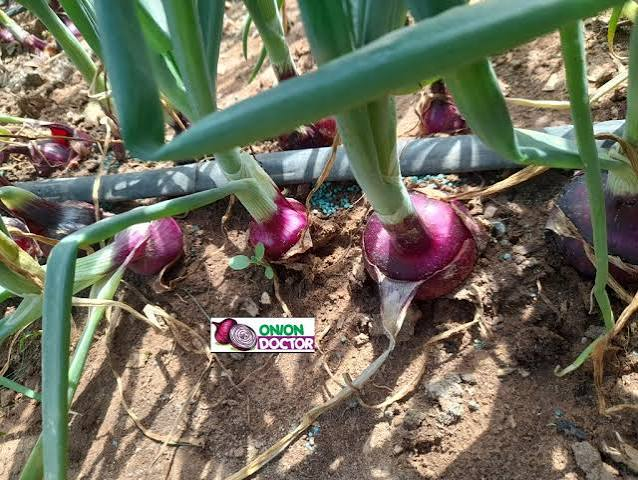
Investment reality: A drip irrigation system pays for itself within one season through water savings, higher yields, and better bulb quality. For farmers serious about scaling onion farming in Kenya, this is non-negotiable.
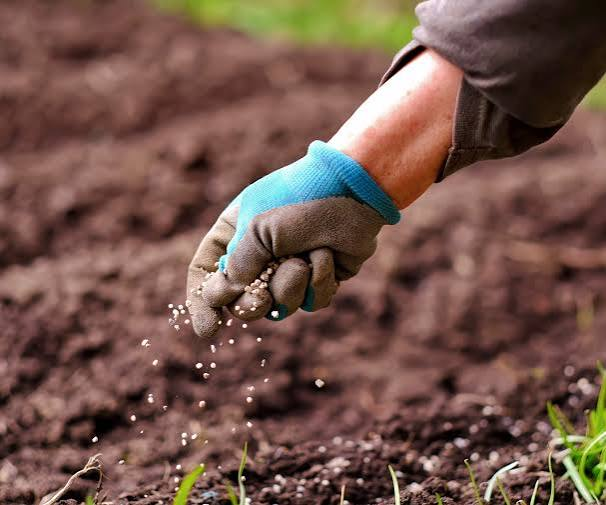
Step 6: Fertilizer and Nutrition Management:
Onions are heavy feeders. Starve them, and you’ll get small, thin-necked bulbs that nobody wants to buy.
Fertilizer Program for Onion Farming in Kenya:
| Application Timing | Fertilizer Type | Rate/Acres | Purpose |
|---|---|---|---|
| Basal (at planting) | DAP or NPK + manure | 50–100 kg DAP | Root development |
| Top-dress 1 (3 weeks after transplanting) | CAN or Urea | 50 kg | Leaf growth |
| Top-dress 2 (6 weeks after transplanting) | CAN or Urea | 50 kg | Continued vegetative growth |
| Bulb formation stage | Potassium-rich fertilizer | As recommended | Bulb swelling and firmness |
| Foliar feeding | Micronutrients (Boron, Zinc, Magnesium) | Every 2 weeks | Prevent deficiencies, boost sizing. |
Common Nutrient Deficiencies in Onion Farming in Kenya:
- Boron deficiency: Hollow bulbs, cracked skins
- Zinc deficiency: Stunted growth, yellowing leaves
- Magnesium deficiency: Interveinal chlorosis (yellowing between leaf veins)
Apply foliar feeds containing these micronutrients during the bulb-swelling stage for maximum impact.
Step 7: Pest and Disease Control: Protecting Your Investment:
The warm Kenyan climate that makes onion farming in Kenya possible also favors pests and diseases. Vigilance is your best defense.
Major Pests in Onion Farming in Kenya:
| Pest | Damage | Control Measures |
|---|---|---|
| Thrips | Silvery streaks on leaves, stunted growth | Monitor weekly; apply insecticides when thresholds exceed 5 thrips per plant |
| Onion flies / Cutworms | Seedling death, root damage | Soil drenches, good nursery sanitation, crop rotation |
| Aphids | Sap-sucking, virus transmission | Biological controls, selective insecticides |
| Leaf miners | Tunneling in leaves | Timely spraying, field sanitation |
Major Diseases in Onion Farming in Kenya:
| Disease | Symptoms | Prevention & Control |
|---|---|---|
| Downy mildew | Pale patches on leaves, fuzzy growth | Proper spacing for airflow, fungicides, avoid overhead irrigation |
| Purple blotch | Purple lesions on leaves, bulb rot | Crop rotation, fungicides, remove infected plants |
| Fusarium basal rot | Yellowing, wilting, rotting at base | Certified seeds, crop rotation, soil fumigation |
| Bacterial soft rot | Water-soaked lesions, foul smell | Avoid injuries during harvest, proper curing, copper-based sprays |
| Pink/White root rot | Discolored roots, stunted plants | Resistant varieties (Neptune F1, Red Coach F1), well-drained soil |
Integrated Pest Management (IPM) for Sustainable Onion Farming in Kenya:
The 2026 approach to onion farming in Kenya emphasizes IPM:
- Cultural practices: Crop rotation, proper spacing, field sanitation
- Biological controls :Beneficial insects, biopesticides
- Chemical use: Only when thresholds are exceeded, rotate modes of action
This reduces pesticide costs, protects the environment, and prevents resistance buildup.
Step 8: Weed Management: The Silent Yield Killer:
Onions are among the worst weed competitors in agriculture. A weedy onion field can lose 40–60% of its yield.
Weed Control Strategy:
- Pre-emergence: Apply herbicide 10–14 days after transplanting
- Manual weeding: 2–3 times during the growing season be careful not to damage shallow onion roots
- Mulching: Organic mulch suppresses weeds and conserves moisture
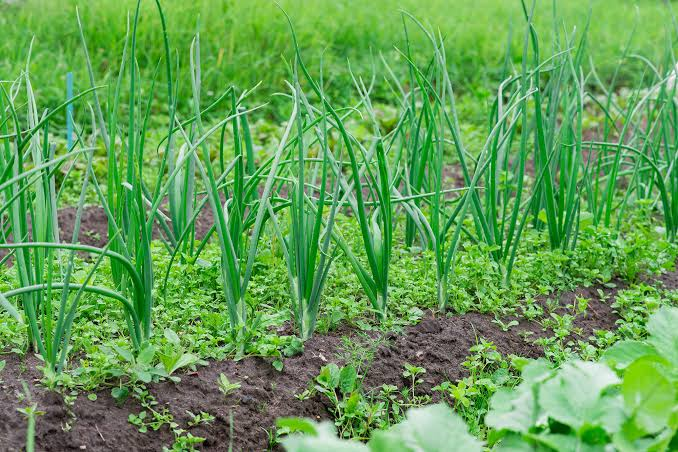
Never let weeds go to seed in your onion field you’ll be fighting them for years to come
Step 9: Harvesting, Curing, and Post-Harvest Handling:
The harvest phase determines whether your onion farming in Kenya venture makes a profit or a loss. Get this wrong, and months of hard work go to waste.
When to Harvest:
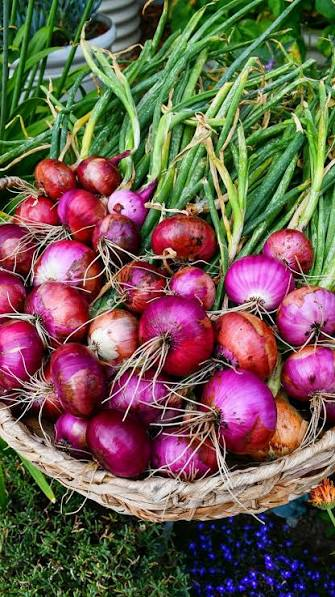
Harvest when:
- 50–80% of the tops have fallen over
- Necks have softened and dried
- Outer skins show a shiny, papery membrane
- Bulbs have reached full size
Harvesting Technique:
- Loosen soil with a fork don’t pull directly, or bulbs will bruise
- Lift bulbs gently and leave them in the field for 2–3 days to start drying
- Cure under shade for 7–14 days this is CRITICAL for storage life
- Trim roots and necks once completely dry
- Sort and grade separate by size and quality
Storage for Onion Farming in Kenya:
- Ideal conditions: Cool , dry, well-ventilated
- Ambient storage: Most Kenyan farmers use ventilated storehouses with wooden slats
- Shelf life: Properly cured Red Creole can store 3 months; hybrids like Red Coach up to 6 months
- Check regularly Remove any sprouting or rotting bulbs immediately
The Curing Secret: Many beginners in onion farming in Kenya skip proper curing. Don’t be one of them. Curing transforms perishable bulbs into storable commodities that command higher prices during scarcity periods.
Value Addition Opportunities:
- Onion powder: Long shelf life, high demand from food processors
- Dried onion flakes: Export market potential
- Pre-packed retail packs: Premium pricing in supermarkets
- Pickled onions : Niche market for restaurants and hotels
Are you in need of in-depth knowledge on onion and garlic production? If yes, we are a call away. Contact us for: Onion seedlings, Garlic seedlings, Germinated garlic cloves, Farm planning services, Soil testing, training on onion and garlic growing, Drip irrigation installation and maintenance, Agronomic support, Onion and Garlic value pack and Farm management. For free consultation, placing orders or booking a visit with an agronomist, please contact us via Call or what’s app +254703982228, Email: info@oniondoctor.co.ke You can also check out our social media handles for daily updates on TikTok: https://www.tiktok.com/@oniondoctorke0706252490?_r=1&_t=ZS-96UPUyx6ESL Instagram:https://www.instagram.com/oniondoctorke?igsh=MW5sZzJ6c3BnZ3Z0dw==Facebook:https://www.facebook.com/share/1HouRgLCwS/Twitter:https://x.com/OnionDoctorKe?s=20