
If you are searching for a high-value crop with consistent demand and excellent returns, onion farming in Kenya should be at the top of your list. In 2026, onion farming in Kenya has evolved from a subsistence activity into a highly profitable commercial enterprise that is transforming livelihoods across the country. Whether you are a beginner looking to start your first plot or an experienced grower scaling your operations, this comprehensive guide by Onion Doctor will walk you through everything you need to know about successful onion farming in Kenya.The demand for bulb onions continues to outpace local supply, making onion farming in Kenya one of the most lucrative horticultural ventures. From the red onion fields of Nakuru to the thriving farms in Kajiado and Meru, onion farming in Kenya is creating millionaires. In this 2026 update, we dive deep into the varieties, climate requirements, soil preparation, pest management, and market strategies that define profitable onion farming in Kenya.
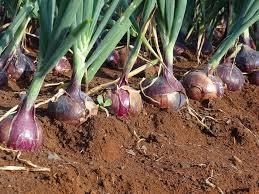
1. The Economic Potential of Onion Farming in Kenya:
The economic case for onion farming in Kenya has never been stronger. With Kenya importing thousands of tons of onions annually from Tanzania and other neighboring countries, local production gaps present a massive opportunity. A well-managed acre of onions can yield between 15,000 to 25,000 kilograms, and with wholesale prices ranging from KES 40 to KES 80 per kilogram depending on the season, onion farming in Kenya offers gross revenues of KES 600,000 to KES 1,000,000 per acre. What makes onion farming in Kenya particularly attractive is the crop’s relatively short maturity period. Most bulb onion varieties mature in 3 to 4 months, allowing farmers to have multiple planting cycles per year. Additionally, onion farming in Kenya requires less capital compared to other horticultural crops like greenhouse tomatoes or capsicum, making it accessible to smallholder farmers. The government of Kenya, through the Agricultural Sector Transformation and Growth Strategy, has identified horticulture including onion farming in Kenya as a priority sector for export growth and food security. This policy support, combined with growing urban demand, means that onion farming in Kenya is positioned for explosive growth throughout 2026 and beyond.
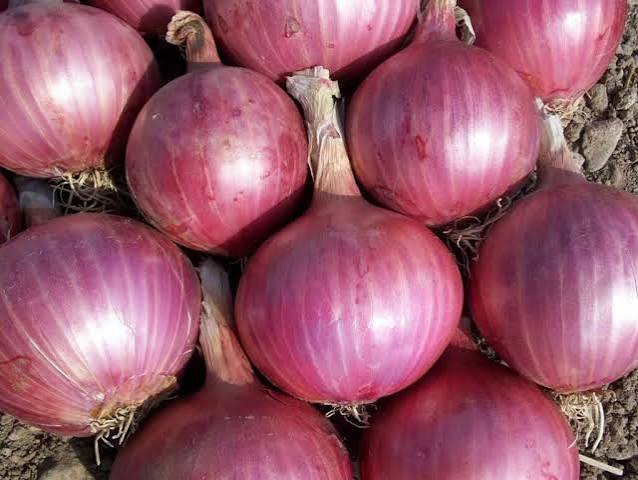
2. Best Onion Varieties for Kenyan Farmers in 2026:
Choosing the right variety is the foundation of successful onion farming in Kenya. Not all onions perform equally across Kenya’s diverse agro-ecological zones. In 2026, these varieties dominate onion farming in Kenya:
Open-Pollinated (Heirloom) Varieties:
| Variety | Type | Maturity | Yield (per acre) | Key Features | Best Climate |
|---|---|---|---|---|---|
| Red Creole | Red, short-day | ~110 days | Moderate | Heat-tolerant, long shelf life, excellent storage & transport, disease resistant (pink root rot) | Hot & Dry (Kajiado, Narok, Kitui) |
| Red Pinnoy | Red, short-day | 120–150 days | Up to 30 tons | Long shelf life, disease resistant (Downy Mildew), adaptable to tropical areas | Tropical & short-day regions |
| Red Bombay | Red | ~150 days | 16–17 tons | Bold, pungent flavor, deep red color, medium–large bulbs, good disease tolerance | Warm climates, well-drained soils |
| Texas Grano | Yellow/White, short-day | Medium | High | Large bulbs, sweeter taste, shorter maturity, thrives in cooler temperatures | Cool Highlands (Nyeri, Meru, Mt. Elgon) |
| Spring Onions | Green | 30–40 days | Multiple harvests | Quick maturing, versatile, low-maintenance, rich in vitamins & antioxidants | All zones (continuous production) |
Hybrid F1 Varieties:
| Variety | Type | Maturity | Yield (per acre) | Key Features | Best Climate |
|---|---|---|---|---|---|
| Jambar F1 | Red | 90 days | High | Heat-tolerant, disease resistant, uniform bulbs, long shelf life, deep red color | Hot & Dry / All zones |
| Red Passion F1 | Red | Medium | Up to 25 tons | High tolerance to pink rot disease, maintains quality after drying, dark red color, perfectly shaped bulbs | Grows in almost every part of Kenya |
| Malbec F1 | Red | Early | 20–25 tons | Dark red, flattened globe shape, good skin retention after drying, highly tolerant to bolt & downy mildew | All zones |
| Russet F1 | Red | Medium | High | Heat-tolerant, medium-sized bulbs, long shelf life, excellent for storage & transport | Hot & Dry (Kajiado, Narok, Kitui) |
| Neptune F1 | Red | Medium | High | Heat-tolerant, medium-sized bulbs, long shelf life, excellent for storage & transport | Hot & Dry (Kajiado, Narok, Kitui) |
| Red Coach F1 | Red | Medium | High | High yield, disease resistance, longer shelf life, commercial preferred | All zones |
3.Climate and Soil Requirements for Onion Farming in Kenya:
Understanding the environmental needs of the crop is critical for profitable onion farming in Kenya. Onions are cool-season biennials that are grown as annuals, and they thrive under specific conditions.
Temperature:
Successful onion farming in Kenya requires temperatures between 15°C and 25°C during the vegetative growth stage. However, bulb formation is triggered by longer daylight hours and slightly warmer temperatures. This is why onion farming in Kenya is most successful during the dry seasons when day-length and temperature conditions are optimal.
Rainfall and Altitude:
While onions need consistent moisture, excessive rainfall promotes fungal diseases. The best regions for onion farming in Kenya receive moderate, well-distributed rainfall or have access to reliable irrigation. Ideal altitudes range from 0 to 1,900 meters above sea level, which covers most of Kenya’s agricultural land.
Soil Requirements:
The soil is the engine of onion farming in Kenya. Onions demand well-drained, fertile soils with a pH between 6.0 and 6.8. Sandy loam soils are ideal because they allow for easy bulb expansion and harvesting. Before starting onion farming in Kenya, conduct a soil test to determine pH and nutrient levels. Heavy clay soils should be avoided unless properly amended with organic matter and sand to improve drainage.
4. Step-by-Step Guide to Starting Onion Farming in Kenya:
If you are ready to begin onion farming in Kenya, follow this proven roadmap developed by Onion Doctor:
Step 1: Land Preparation:
Proper land preparation separates amateur attempts from professional onion farming in Kenya. Plough the land to a fine tilth to a depth of at least 20 cm. Remove all weeds, rocks, and debris. Onion roots are shallow and delicate; compacted soil will destroy your dreams of successful onion farming in Kenya.
Step 2: Seedbed Preparation (For Nursery):
Most successful onion farming in Kenya starts with a nursery. Prepare raised seedbeds about 1 meter wide and apply well-decomposed manure. Sow seeds thinly and cover lightly with soil. Consistent watering is essential in this early phase of onion farming in Kenya.
Step 3: Transplanting:
Seedlings are ready for transplanting 6 to 8 weeks after sowing, or when they have 3 to 5 true leaves. This is a delicate stage in onion farming in Kenya. Space seedlings 10 cm between plants and 30 cm between rows. Transplant in the evening or on cloudy days to reduce transplant shock.
Step 4: Weed Management:
Onions are poor competitors with weeds. Manual weeding or careful herbicide application is non-negotiable in onion farming in Kenya. Weeds not only compete for nutrients but also harbor pests and diseases.
5. Irrigation and Water Management Strategies:
Water management can make or break onion farming in Kenya. Onions have shallow root systems and require frequent, light irrigation rather than deep flooding.
Drip Irrigation: The Game Changer:
In 2026, drip irrigation has become the gold standard for commercial onion farming in Kenya. Drip systems deliver water directly to the root zone, reducing water waste by up to 60% and preventing foliar diseases caused by overhead wetting. For farmers serious about scaling onion farming in Kenya, investing in drip irrigation pays for itself within one season.
Water Scheduling:
During the first 4 weeks after transplanting, water every 2 to 3 days. As bulbs begin to form, maintain consistent moisture but reduce watering frequency 2 to 3 weeks before harvest to allow bulbs to mature and skins to harden. This technique is essential for quality onion farming in Kenya.
6. Pest and Disease Control in Onion Farming in Kenya:
Protecting your crop from biological threats is a daily priority in onion farming in Kenya. The warm Kenyan climate favors several pests and pathogens.
Major Pests:
- Thrips: These tiny insects are the most destructive pest in onion farming in Kenya. They suck sap from leaves, causing silvery streaks and stunted growth. Monitor weekly and apply appropriate insecticides when thresholds are exceeded.
- Onion flies and cutworms: These soil pests attack young seedlings. Soil drenches and good nursery sanitation are critical defenses in onion farming in Kenya.
- Aphids: These sap-suckers transmit viral diseases and reduce bulb quality.
Major Diseases:
- Downy mildew: Favored by high humidity, this disease causes pale patches on leaves. Proper spacing and fungicide application are vital in onion farming in Kenya.
- Purple blotch: Characterized by purple lesions on leaves, this fungal disease can devastate fields. Crop rotation and fungicides are essential management tools.
- Fusarium basal rot: This soil-borne disease causes yellowing and wilting. Using certified seeds and practicing crop rotation are the best preventive measures for onion farming in Kenya.
Integrated Pest Management (IPM) is the recommended approach for sustainable onion farming in Kenya in 2026. Combine cultural practices, biological controls, and judicious chemical use.
7. Fertilizer and Nutrient Management:
Onions are heavy feeders, and nutrient management is a science in onion farming in Kenya. A balanced fertilization program includes:
Basal Application:
Before planting, apply well-decomposed organic manure . Add DAP or NPK fertilizer based on soil test recommendations. This initial nutrition sets the stage for successful onion farming in Kenya.
Top-Dressing:
Apply CAN (Calcium Ammonium Nitrate) or urea in split applications at 3 and 6 weeks after transplanting. Onions need nitrogen for leaf growth, but excessive nitrogen late in the season delays maturity and reduces storage life. Mastering this balance is key to expert-level onion farming in Kenya.
Micronutrients
Boron, zinc, and magnesium deficiencies are common in onion farming in Kenya. Foliar feeds containing these micronutrients should be applied during the bulb-swelling stage for maximum yields.
8. Harvesting, Curing, and Post-Harvest Handling:
The harvest phase determines your final profits in onion farming in Kenya. Harvest too early, and bulbs won’t store well. Harvest too late, and bulbs may split or rot.
When to Harvest:
Harvest when 50% to 80% of the tops have fallen over and necks have dried. In onion farming in Kenya, this typically occurs 90 to 120 days after transplanting, depending on the variety.
Curing:
Curing is a step that many beginners in onion farming in Kenya ignore, yet it is crucial for storage. After lifting bulbs from the soil, leave them in the field for 2 to 3 days to dry, then cure under shade for 7 to 14 days until the outer skins are papery and the neck is completely dry. Proper curing can extend storage life from weeks to months.
Storage
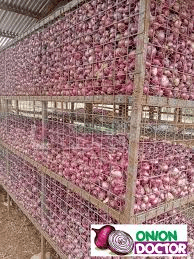
Store cured onions in a cool, dry, well-ventilated area. For large-scale onion farming in Kenya, consider constructing a ventilated storehouse with wooden slats that allow air circulation. Temperatures between 0°C and 5°C with low humidity are ideal, though most Kenyan farmers use ambient storage with excellent ventilation.
Are you in need of in-depth knowledge on onion and garlic production? If yes, we are a call away. Contact us for: Onion seedlings, Garlic seedlings, Germinated garlic cloves, Farm planning services, Soil testing, training on onion and garlic growing, Drip irrigation installation and maintenance, Agronomic support, Onion and Garlic value pack and Farm management. For free consultation, placing orders or booking a visit with an agronomist, please contact us via Call or what’s app +254703982228, Email: info@oniondoctor.co.ke You can also check out our social media handles for daily updates on TikTok: https://www.tiktok.com/@oniondoctorke0706252490?_r=1&_t=ZS-96UPUyx6ESL Instagram:https://www.instagram.com/oniondoctorke?igsh=MW5sZzJ6c3BnZ3Z0dw==Facebook:https://www.facebook.com/share/1HouRgLCwS/Twitter:https://x.com/OnionDoctorKe?s=20