
Agriculture remains the backbone of Kenya’s economy, and among the most rewarding ventures for farmers today is onion farming in Kenya. With a growing population, increasing urbanization, and year-round demand from households, restaurants, and food processors, onions have become a high-value crop capable of generating impressive returns. However, achieving success requires more than simply planting seeds and waiting for harvest. Farmers need the right knowledge, quality inputs, proper crop management, and access to reliable expertise. This is where Onion Doctor comes in helping farmers maximize yields, reduce losses, and unlock the full profit potential of their farms. In this comprehensive guide, we explore the opportunities, best practices, and strategies that make onion farming in Kenya a lucrative investment.
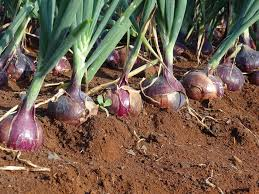
Why Farmers Are Turning to Onion Farming:
One of the key reasons many farmers are embracing onion farming in Kenya is the crop’s attractive return on investment. Benefits include:
- High demand year-round: Onions are used daily in Kenyan cooking.
- Strong market network: Brokers, wholesalers, supermarkets, hotels, and exporters all buy onions.
- Good returns per acre: Onions can generate higher returns than many staple crops.
- Short production cycle: Many varieties mature in about 3 to 5 months, depending on conditions.
- Bulb onions store well: With proper curing and storage, you can sell when prices rise.
Step to step guide on successful onion farming:
1.Choosing the Right Variety:
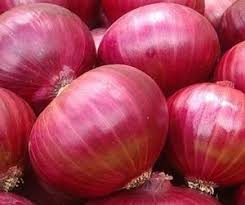
Success begins with selecting suitable onion varieties. Different varieties offer varying benefits such as disease resistance, bulb size, storage life, and market preference. Factors to consider include:
- Climate suitability
- Market demand
- Maturity period
- Disease resistance
- Yield potential
Working with experts like Onion Doctor helps farmers identify the best-performing varieties for their specific regions and production goals. The right variety can significantly improve the profitability of onion farming in Kenya by enhancing both yield and quality.
2.Land Preparation: Building the Foundation for Success:
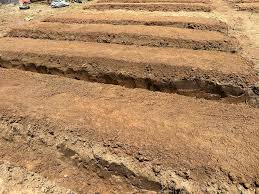
Proper land preparation is essential for achieving healthy onion growth. Recommended practices include:
- Deep plowing to loosen soil
- Removal of weeds and debris
- Incorporation of organic matter
- Soil testing before planting
- Establishment of good drainage systems
Onions perform best in fertile, well-drained soils with adequate nutrient levels. Soil analysis helps farmers apply the correct fertilizers and avoid unnecessary costs. Many successful examples of onion farming in Kenya begin with careful soil preparation long before planting starts.
3.Smart Nursery Management:
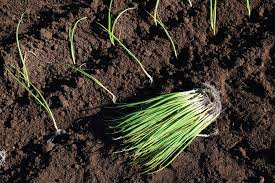
Healthy seedlings are the foundation of a productive onion crop. Key nursery management practices include:
- Using certified seeds
- Preparing raised nursery beds
- Maintaining proper watering schedules
- Protecting seedlings from pests and diseases
- Applying recommended nutrients
Strong seedlings establish quickly after transplanting and are more resilient to environmental stress.
Onion Doctor provides guidance on nursery establishment to ensure farmers achieve uniform and vigorous crop stands.
4.Effective Transplanting Techniques:
Transplanting is a critical stage that influences final yields. Best practices include:
- Transplanting at the recommended seedling age
- Planting during cooler hours
- Maintaining proper spacing
- Watering immediately after transplanting
- Minimizing root damage
Correct spacing improves airflow, reduces disease pressure, and allows bulbs to develop properly. Professional management during this stage contributes significantly to successful onion farming in Kenya.
5.Irrigation Management for Maximum Yields:
Water management plays a major role in onion production. Farmers should:
- Maintain consistent soil moisture
- Avoid overwatering
- Use efficient irrigation systems
- Monitor weather conditions
- Reduce irrigation near harvest
Drip irrigation is particularly effective because it conserves water while delivering moisture directly to plant roots. Efficient irrigation practices are increasingly transforming onion farming in Kenya, especially in areas with limited rainfall.
6.Pest and Disease Control:
| Pest | Damage | Control |
| Thrips | Silvery leaf scars, stunted growth | Use appropriate pesticides. |
| Cutworms | Seedlings cut at base | Use appropriate pesticides. |
| Onion Maggot/Flies | Root/bulb tunneling | Crop rotation, certified seeds, soil drench. |
| Leaf Miner | Serpentine leaf tunnels | Systemic insecticides, weed control. |
| Nematodes | Root galls, stunting | Soil fumigation, resistant varieties. |
| Disease | Symptoms | Prevention/Treatment |
| Downy Mildew | Brown leaf tips, leaf collapse | Use drip irrigation to keep foliage dry, and water early in the morning so the sun can dry leaves by midday. |
| Purple Blotch | Purple-brown leaf lesions | Apply appropriate fungicides. |
| Bacterial Soft Rot | Slimy, foul-smelling bulbs | Avoid injury, dry before storage, crop rotation |
| Pink/White Root Rot | Discolored roots, wilting | Resistant varieties |
| Neck Rot | Soft neck tissue, internal rot | proper curing |
| Botrytis | Gray fuzzy growth | Field hygiene, fungicides |
Onion Doctor’s IPM Strategy:
- Start with certified, disease-free seeds
- Practice 3-year crop rotation (avoid solanaceous crops)
- Maintain 30cm row spacing for ventilation
- Scout weekly early detection saves crops
- Apply fungicides preventively during wet periods
7. Weed Management: The Silent Yield Thief:
Weeds compete aggressively with onions during the first 6 weeks. Carry out manual weeding or use appropriate herbicides.
8. Harvesting & Post-Harvest Handling:
When to Harvest:
- Leaves turn yellow and fall over (80% of tops down)
- Neck tissue softens
- Bulbs have shiny, papery skins
- Timing: Usually 120 days after transplanting (variety-dependent)
Harvesting Best Practices:
- Harvest during dry weather: wet bulbs rot quickly
- Lift gently with a fork bruised bulbs don’t store
- Field dry: 2–3 days in the field (protect from rain)
- Cure properly: 7–14 days in shade with good ventilation this is where shelf life is made or broken.
- Trim: Cut roots and leave 3.5cm of neck
- Grade: Sort by size
10. Common Mistakes Kenyan Onion Farmers Make:
- Wrong variety for the region:planting Jambar F1 in extremely hot areas without irrigation
- Overwatering at maturity causes rotting and splitting
- Skipping soil tests leads to over/under-fertilization
- Poor curing results in storage losses of 40%+
- Ignoring market timing harvesting when everyone else does
- Using saved seeds disease buildup and low germination
- Planting too deep restricts bulb expansion
Are you in need of in-depth knowledge on onion and garlic production? If yes, we are a call away. Contact us for: Onion seedlings, Garlic seedlings, Germinated garlic cloves, Farm planning services, Soil testing, training on onion and garlic growing, Drip irrigation installation and maintenance, Agronomic support, Onion and Garlic value pack and Farm management. For free consultation, placing orders or booking a visit with an agronomist, please contact us via Call or what’s app +254703982228, Email: info@oniondoctor.co.ke You can also check out our social media handles for daily updates on TikTok: https://www.tiktok.com/@oniondoctorke0706252490?_r=1&_t=ZS-96UPUyx6ESL Instagram:https://www.instagram.com/oniondoctorke?igsh=MW5sZzJ6c3BnZ3Z0dw==Facebook:https://www.facebook.com/share/1HouRgLCwS/Twitter:https://x.com/OnionDoctorKe?s=20