Onion Farming

Farming, Onion Farming

Unveiling the Nutritional and Business Wonders of Onions: A Guide to Health and Profitable Onion Farming in Kenya

Are you in need of in-depth knowledge on onion and garlic production? If yes, we are a call away.Contact us for: Onion seedlings, Garlic seedlings, Germinated garlic cloves, Farm planning services, Soil testing, training on onion and garlic growing, Drip irrigation installation and maintenance, Agronomic support, Onion and Garlic value pack and Farm management. For free consultation, placing orders or booking a visit with an agronomist, please contact us via Call or what’s app +254703982228, Email: Info@oniondoctor.co.ke. You can also check out our social media handles for daily updates on TikTok: https://www.tiktok.com/@oniondoctorke?_t=ZM-8wmsTu0qumO&_r=1 Instagram: https://www.instagram.com/oniondoctorke?igsh=MTVoaHF3aWUydTJzaQ==Facebook:https://www.facebook.com/share/16SwgYn2dG/ Youtube:https://youtube.com/@oniondoctorke?si=u5Jnd-r0qU9UDYqL and Twitter: https://x.com/OnionDoctorKe?t=FR3JXlS_oN1vjjUgAtfyzg&s=09 Explore the incredible world of onions, not just as a nutritional powerhouse but also as a lucrative venture for farmers. Discover the health benefits of incorporating onions into your diet and delve into the advantages of commercial onion farming, particularly in Kenya. Join us as we shed light on the many layers of onions – from their nutrient-rich composition to the thriving business opportunities they offer. Onions are great vegetable containing various vitamins, minerals and potent plant compounds that have been shown to promote health in many ways. People are using onions from the ancient times mainly due to their medicinal properties. They are often used to treat ailments like headaches, mouth sores and hearth disease. Depending on the variety, most of the onions are about 1% protein, 9% carbohydrates (including 4% sugar and 2% dietary fiber), 89% water and negligible amount of fat.[1] Onions contain low amounts of essential nutrients and have an energy value of 40 kilocalories in a 100 grams amount. Onions contribute savory flavor to dishes without contributing significant caloric content. Health Benefits of Onions: Onions are packed in various vitamins and minerals. And the medicinal properties of onions have been recognized since ancient times. However, here we are trying to describe about the top health benefits of onions.  Onions are loaded with nutrients. They are low in calories but very high in vitamins and minerals. They are a good source of vitamin C, B and potassium. Consuming onions may help reduce heart disease risk factors (such as high blood pressure). Most of the onions are rich in antioxidants. Red onions are rich in anthocyanins, which are powerful plant pigments that may protect against heart disease, certain cancers and diabetes. A diet rich in allium vegetables (like onions) may have a protective effect against certain cancers. So, you can add onions to your daily diet. Consuming onions regularly may help reduce high blood sugar, due to the many beneficial compounds found in onions. Studies show that onion consumption is associated with improved bone mineral density. Onions have antibacterial properties. They prevent the growth of potentially harmful bacteria like E. coli and S. aureus. Onions are helpful and may help you to boost your digestive health. They are rich source of probiotics, which help to boost digestive health, improve bacterial balance in your gut and benefit your immune system. You can enjoy onions in many different ways. They can easily be added to savory dishes, including eggs, meat dishes, soups and baked goods. Advantages of Onion Farming Business: Large scale or commercial onion farming business is very old and popular in many countries throughout the world. Starting and operating commercial onion farming business is very easy and simple. Even the beginners can also start this business. Commercial onion farming is very profitable and a very good way to earn money. Here we are trying to describe the main benefits/advantages of commercial onion farming business. Growing onions is very easy and simple, even the beginners can also start commercial production. You can make good profit from onion farming business, because commercial onion production is profitable. You will be able to make very good profits within a very short period of time. Both demand and value of onions in the market are good. It is a very popular item in the vegetable market. So, you don’t have to worry much about marketing your products. Caring onion plants is very easy, and the plants generally grow very well. You will be able to care for the plants even if you are a beginner. Commercial onion farming is very profitable, so it can be a good employment source for the rural people. Especially for the educated unemployed people. Commercial production of onions doesn’t require high investment. And you will get back your invested money within a very short period of time. Onions are very nutritious and consuming them on a regular basis has many health benefits. You can enjoy fresh onions (if you like them) if you start your own onion farming business. Onions are not only a staple in our diets but also a gateway to health and prosperity. Whether you’re looking to enhance your well-being through onion consumption or considering a foray into the world of commercial onion farming, this guide has provided insights to help you peel back the layers. Contact Onion Doctor today for quality support and embark on a journey to optimize yields and achieve maximum profits in your onion farming venture. Onion Doctor supports small holder farmers across Africa with quality and affordable Onion and Garlic seedlings, Onion seedlings, Farm planning services, Soil testing, Drip irrigation installation and maintenance, Agronomic support, Onion and Garlic value pack, Farm management, E-extension and on-farm training for farmers to optimize on yields and get maximum profits.

Farming, Onion Farming

Mastering Onion Farming in Kenya: A Comprehensive Guide for Success with Onion Doctor

Are you in need of in-depth knowledge on onion and garlic production? If yes, we are a call away. Contact us for: Onion seedlings, Garlic seedlings, Germinated garlic cloves, Farm planning services, Soil testing, training on onion and garlic growing, Drip irrigation installation and maintenance, Agronomic support, Onion and Garlic value pack and Farm management. For free consultation, placing orders or booking a visit with an agronomist, please contact us via Call or what’s app +254703982228, Email: Info@oniondoctor.co.ke. You can also check out our social media handles for daily updates on TikTok: https://www.tiktok.com/@oniondoctorke?_t=ZM-8wmsTu0qumO&_r=1 Instagram: https://www.instagram.com/oniondoctorke?igsh=MTVoaHF3aWUydTJzaQ==Facebook:https://www.facebook.com/share/16SwgYn2dG/ Youtube:https://youtube.com/@oniondoctorke?si=u5Jnd-r0qU9UDYqL and Twitter: https://x.com/OnionDoctorKe?t=FR3JXlS_oN1vjjUgAtfyzg&s=09 Delve into the world of onion farming in Kenya, where the humble bulb onion takes center stage as a widely cultivated vegetable. Uncover the secrets to successful onion cultivation, from understanding onion types to the expertise of Onion Doctor. This guide,  offers a thorough exploration of the onion farming landscape in Kenya. Understanding Onion Types in Kenya: The onion, belonging to the genus Allium, boasts various types, with bulb onions and spring onions taking precedence in Kenya. Bulb onions, requiring 3 to 4 months to mature, thrive during short rains and offer optimal harvests between January and February. Spring onions, easy to plant in kitchen gardens, contribute to salads and soups, providing health benefits. Despite their distinct characteristics, bulb onions remain more popular in Kenya due to their extended shelf life and delightful taste. Bulb onions; take 3 to 4 months to reach maturity. Short rains are great for bulb onions since they can be harvested between January and February. After the long rains of March, the price of these onions hike and farmers who harvest after these period make good profit margins. Spring onions; are easy to plant, you can even plant them at your kitchen garden. They are commonly used in vegetable salads or as seasoning in soups. Some of the health benefits of spring onions include lower blood sugar and decreasing blood pressure and cholesterol levels. Of the two types, bulb onions are more popular than the spring ones due to their long shelf life and sweet taste. Currently, there are two different varieties of bulb onions in the market. There is the small, thin and firmly layered onion that has a strong pungent smell from Tanzania. The second one is the big loosely held variety that is grown locally, in Kenya. Onions are categorized according to the color, size and shape. Onions can be harvested while still young; there is a perennial type of onion which is rarely attacked by insects or diseases. The onions can be planted by direct seed or by transplanting. The seedling stage requires planting of seedling in a seedling bed, the soil of the bed should be loose which takes 6 weeks for them to be ready for transplant. Transplanting method has a higher rate of succeeding than direct seeds; onions grow well in raised beds or rows at least 4 inches high, the onion should go 4 inches deep only a third of the bulb should be underground, if the onion is deeply planted the growth of the bulb will be restricted. The width between each onion should be 5 inches; the rows should be 12 to 17 inches apart. Select an open garden when planting to avoid being shaded by other plants. The soil should be loose and rich in nitrogen, compact and hard soil will interfere with bulb development, mix the soil with some nitrogen fertilizer at the time of planting, side dress the onion after every two weeks, make sure you repeat the dressing after every two weeks until the onion starts to bulb. How to Plant: To get the best results with onions you need to start them in a Nursery. Here is how to do this; Make a raised nursery bed 1 metre wide and any desired length. Apply well decomposed manure at a rate of 15kg per square metre. Mix and Apply DAP fertilizer at a rate of 20 grams per metre square Make shallow furrows 15 cm apart. Mix the seeds with dry ash, sand or soil at a ratio of 1:3 to help spread the small seeds. Plant the seeds and cover lightly with soil and apply mulches ( Grass or Polythene cover spread over the soil on the nursery bed) After planting irrigate the nursery bed liberally for the first 10 days and continue watering regularly. Germination of seeds will take about 7-10 days after which the mulches are removed and used to make a shade above the tender plants which have not fully developed. Transplanting of the seedlings takes place 6 weeks after planting seeds in the nursery. Transplant when the seedlings have pencil thick base and a height of approximately 15cm. Seedlings should have 3 to 5 well formed leaves at transplanting time. Two weeks before transplanting reduce the shade to improve seedling survival rate in the field. It takes about 4 months for onions to mature Conditions for Onion Farming Onions perform well in well drained, fertile, sandy loam, non-compacted soils. The ideal pH is 5.8 to 6.8. Onion farming is a worthy venture since it’s possible to grow onions throughout the year via irrigation. The ideal temperatures onions need to grow are between 13 – 35 degrees centigrade. This means that onions can grow in most parts of Kenya. In terms of requirements, apart from land that is an obvious fact, other requirements are DAP Fertilizer and seedlings. 1 kg of seedlings can be used in 1 acre while 20 grams of DAP Fertilizer is applied per square meter. You should note that there are different seed varieties and they perform differently under different conditions. Common hybrid varieties available in Kenya include Red Creole, Red Pinnoy, Jambar 1 and Red Bombay. The most popular seed variety in Kenya is the Jambar F1 since it produces high yield and the size of its onions are bigger. Challenges facing Onion Farming in Kenya Rains or Excess Watering: Too much rains or excess watering can water log

Farming, Onion Farming

Navigating the Onion Farming Landscape in Kenya: Best Hybrid and Non-Hybrid Seeds Unveiled

Are you in need of in-depth knowledge on onion and garlic production? If yes, we are a call away. Contact us for: Onion seedlings, Garlic seedlings, Germinated garlic cloves, Farm planning services, Soil testing, training on onion and garlic growing, Drip irrigation installation and maintenance, Agronomic support, Onion and Garlic value pack and Farm management. For free consultation, placing orders or booking a visit with an agronomist, please contact us via Call or what’s app +254703982228, Email: Info@oniondoctor.co.ke. You can also check out our social media handles for daily updates on TikTok: https://www.tiktok.com/@oniondoctorke?_t=ZM-8wmsTu0qumO&_r=1 Instagram: https://www.instagram.com/oniondoctorke?igsh=MTVoaHF3aWUydTJzaQ==Facebook:https://www.facebook.com/share/16SwgYn2dG/ Youtube:https://youtube.com/@oniondoctorke?si=u5Jnd-r0qU9UDYqL and Twitter: https://x.com/OnionDoctorKe?t=FR3JXlS_oN1vjjUgAtfyzg&s=09 Embark on a journey of onion farming success in Kenya as we unravel the secrets behind the best hybrid and non-hybrid onion seeds. From cost-effectiveness to adaptability, discover the ideal seeds that cater to the diverse needs of Kenyan farmers. Hybrid vs. Non-Hybrid Onion Seeds: Decoding the Choices Why should you grow hybrid onions? Cost-Effectiveness: Hybrid seeds are resistant to common pests and diseases, reducing the need for expensive pesticides and herbicides. Profitability: Fast-growing or early-maturing hybrid seeds allow for multiple harvests per year, ensuring high yields and longer shelf life. Sustainability: Many hybrid seeds are tolerant to high temperatures and moisture stress, making them resilient to climate change risks. Why you should grow OPV onions? Cost-Effective: Non-hybrid seeds are generally more affordable, making them a budget-friendly option for farmers. Adaptability: Non-hybrid seeds are often better adapted to local growing conditions, resulting in better yields and quality. Seed Saving: Non-hybrid seeds can be saved from year to year, providing a sustainable source without yearly purchases. Organic Farming: Preferred by organic farmers, non-hybrid seeds are not genetically modified and can be grown without synthetic pesticides and fertilizers. Best Hybrid Onion Seeds in Kenya: Unlocking Excellence Jambar F1: Easy to grow and matures in 90 days Deep red, uniform bulbs with a long shelf life of up to 6 months High yield potential and resistant to bolting Neptune F1: Drought-tolerant variety for dry areas Early-maturity, ready to harvest in 110-120 days Round-shaped bulbs with extended shelf life of 5-6 months Red Coach F1: Highly popular among farmers in Kenya and Uganda Early maturing with flattened globe-shaped bulbs Deep purple-red color, high yield, and resistance to diseases Best OPV Onion Seeds in Kenya: Embracing Tradition Red Creole: Popular heirloom variety for low-altitude areas Small to medium-sized bulbs with a spicy flavor Resistant to pink root rot and suitable for storage Bombay Red: Adaptable and thrives in varied agro-climates Yields up to 20 tons per acre in 120-150 days Resistance to Iris Yellow Spot Virus and thrips Red Pinoy: Well-adapted to rain-fed and irrigation environments Very early maturing, ready in 90 days Potential yield of 25-30 tons per acre Onion Doctor’s Support: Empowering Farmers for Success For smallholder farmers across Africa, Onion Doctor stands as a reliable partner, offering quality and affordable Onion and Garlic seedlings, Farm planning services, Soil testing, Drip irrigation installation and maintenance, Agronomic support, Onion and Garlic value pack, Farm management, E-extension, and on-farm training. This comprehensive support empowers farmers to optimize yields and achieve maximum profits.

Farming, Onion Farming

Mastering the Art of Onion Farming in Kenya: A Comprehensive Guide

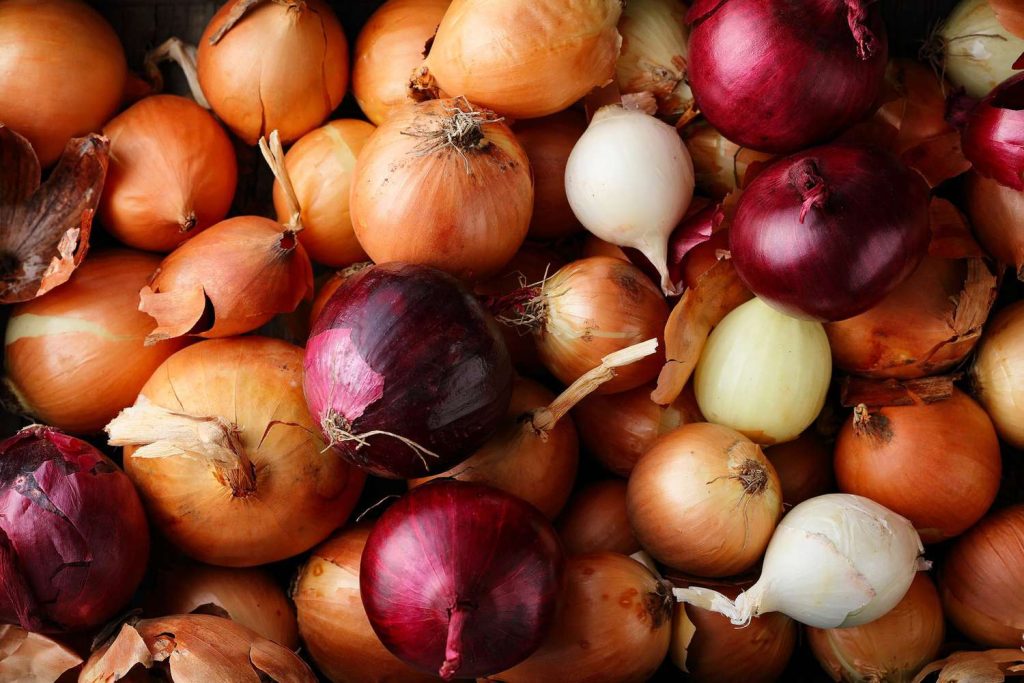
Are you in need of in-depth knowledge on onion and garlic production? If yes, we are a call away.Contact us for: Onion seedlings, Garlic seedlings, Germinated garlic cloves, Farm planning services, Soil testing, training on onion and garlic growing, Drip irrigation installation and maintenance, Agronomic support, Onion and Garlic value pack and Farm management. For free consultation, placing orders or booking a visit with an agronomist, please contact us via Call or what’s app +254703982228, Email: Info@oniondoctor.co.ke. You can also check out our social media handles for daily updates on TikTok: https://www.tiktok.com/@oniondoctorke?_t=ZM-8wmsTu0qumO&_r=1 Instagram: https://www.instagram.com/oniondoctorke?igsh=MTVoaHF3aWUydTJzaQ==Facebook:https://www.facebook.com/share/16SwgYn2dG/ Youtube:https://youtube.com/@oniondoctorke?si=u5Jnd-r0qU9UDYqL and Twitter: https://x.com/OnionDoctorKe?t=FR3JXlS_oN1vjjUgAtfyzg&s=09 Embark on a successful journey into bulb onion farming with this step-by-step guide. From site selection to crop management, learn the essential practices that will set you on the path to a thriving onion farm in Kenya. Site selection : Plant onions in easily broken soils that have high organic matter, that infiltrates, and have good water retention ability. You can manage this by farming on a sandy to silty loam soil. The ideal gradient of the farm should be flat or with a gentle slope. If you will be planting on a high surface or land cultivated on terraces. You need to plant in rows across the main slope. For onions to do well farm them on land with manure and crop residue from the previous season. Onions do well with well-decomposed organic manure. Crop rotation:  Practice crop rotation by planting onions after legumes like beans, tomatoes, and cabbages. As a point of caution do not plant onions in one field for more than two farming seasons. Crop management Transplantation Techniques: Transplant onion seedlings at 6–8 weeks or when the base is pencil thick. Plant in rows, 2.5–3cm deep trenches, with 8–10cm spacing between plants. Irrigate the seedbed before harvesting for damage-free uprooting.:  Ensure to transplant the onion seedlings at 6 – 8 weeks after germination or at 3 to 5 well-formed leaves when the base of the plant is pencil thick. Plan the seedlings in 2.5 to 3cm deep trenches at a spacing of 3 centimeters between the rows. The distance between your plants should be about 8 to 10 centimeters apart. Make sure to irrigate your seedbed prior to harvesting the plants from the bed. This ensures the plants are transplanted without damage during the uprooting stage. To ensure a great transplant to maturity ratio irrigate the desired field a day before the transplanting day. Apply 80 kilograms per acre of TSP/DAP in the field. Carefully pull out the seedlings to avoid damage. Cut off 50 percent of the crop to hasten growth after transplanting. Site selection:  Prepare land at least two weeks before the onset of rains. Doing this allows air into the soil and exposes pests that live in the soil o die. Ensure the soil is well prepared for proper germination and establishment of the crop. Break up all the big soil clods and remove weeds. Spread out well rotten manure at a rate of 10 to 16 tons per acre. This is easily estimated to be between 500 and 800 wheelbarrows. Mix the manure with the soil 30 days before transplanting. Planting:  Plough and harrow a month before sowing and leave the land for a period without planting. Doing this will expose cutworms to their predators. To ensure the farm’s nutrient integrity rotate onions with beans, cabbages, or potatoes. Only use well-decomposed manure or compost since fresh compost and manure can hist cutworms. Use only clean seedlings/ seeds during the planting phase. Avoid using and planting successive onions and don’t plant onions on a farm after cabbages or kales. Soak the seedlings/bulbs in products containing dicofol like Acarin for 30 minutes before planting. You should source and plant resistant varieties like Red Passion F1 and Red Poney F1 to help you in disease management. Onion Doctor supports small holder farmers across Africa with quality and affordable Onion and Garlic seedlings, Onion seedlings, Farm planning services, Soil testing, Drip irrigation installation and maintenance, Agronomic support, Onion and Garlic value pack, Farm management, E-extension and on-farm training for farmers to optimize on yields and get maximum profits.
Farming, Onion Farming

Unlocking Success in Garlic Farming in Kenya: A Comprehensive Guide

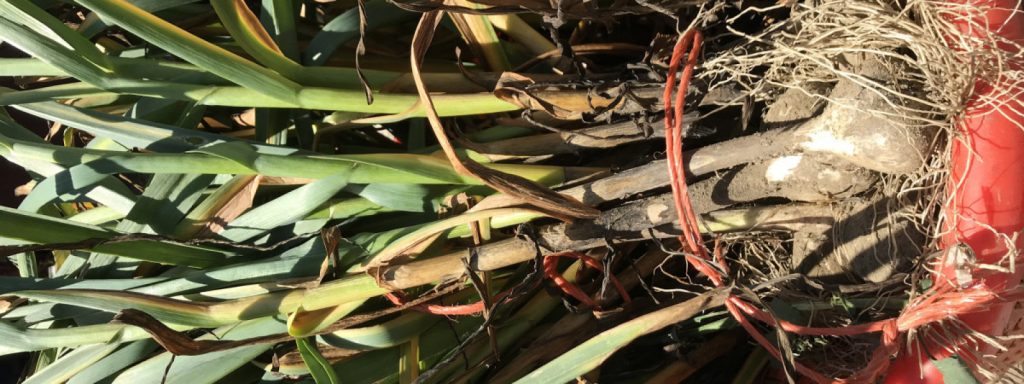
Are you in need of in-depth knowledge on onion and garlic production? If yes, we are a call away. Contact us for: Onion seedlings, Garlic seedlings, Germinated garlic cloves, Farm planning services, Soil testing, training on onion and garlic growing, Drip irrigation installation and maintenance, Agronomic support, Onion and Garlic value pack and Farm management. For free consultation, placing orders or booking a visit with an agronomist, please contact us via Call or what’s app +254703982228, Email: Info@oniondoctor.co.ke. You can also check out our social media handles for daily updates on TikTok: https://www.tiktok.com/@oniondoctorke?_t=ZM-8wmsTu0qumO&_r=1 Instagram: https://www.instagram.com/oniondoctorke?igsh=MTVoaHF3aWUydTJzaQ==Facebook:https://www.facebook.com/share/16SwgYn2dG/ Youtube:https://youtube.com/@oniondoctorke?si=u5Jnd-r0qU9UDYqL and Twitter: https://x.com/OnionDoctorKe?t=FR3JXlS_oN1vjjUgAtfyzg&s=09 Embarking on garlic farming in Kenya is a straightforward yet rewarding endeavor that requires minimal effort. This guide provides insights into the key aspects of successful garlic cultivation, including suitable conditions, garlic varieties, and essential tips for planting and harvesting. Growing Garlic: Conditions and Planting Tips: Soil Requirements: Garlic thrives in well-drained soil, particularly soil rich in organic matter and slightly acidic with a pH range of 5.5 to 6.5. Choose a sunny spot that receives at least 8 hours of direct sunlight daily. Planting Process: Separate garlic bulbs into individual cloves. Plant cloves 2-3 inches apart, barely covered with soil. Water regularly to maintain moist but not soggy soil. Mulch around plants with straw or grass clippings to retain moisture and suppress weeds. Different Varieties of Garlic to Grow: Elephant Garlic: Mild-flavored with large cloves, suitable for roasting or baking whole. Russian Red Garlic: Unique variety with a spicier flavor, ideal for salads and dishes without overpowering taste. Music Garlic: Mild flavor, suitable for pickling and canning recipes. Italian Purple: Robust flavored variety, adds a punch of flavor to any dish. Suitable Location and Climate Conditions for Garlic Farming: Climate Requirements: Thrives in areas with both warm and cool climates. Ideal temperatures for garlic farming in Kenya are between 18-20 degrees Celsius. Optimal altitude is less than 1500 meters. Soil Conditions: Well-draining, fertile soils with good organic matter content. Rainfall and Planting Season: Plant during the dry season to ensure a period of dormancy before harvesting. Garlic needs plenty of water but not excessive rainfall. Harvesting and Curing: Harvesting Process: Choose a dry day for harvesting. Loosen the soil and carefully pull out the bulbs with the stalk attached. Curing Process: Tie the top of the stalks in bundles and hang them bulb down in a dark, dry, and well-ventilated place for about three weeks. Ensure the whole stalk is brown, and the bulb has formed several layers of papery skin before cleaning and storing. Onion Doctor supports small holder farmers across Africa with quality and affordable Onion and Garlic seedlings, Onion seedlings, Farm planning services, Soil testing, Drip irrigation installation and maintenance, Agronomic support, Onion and Garlic value pack, Farm management, E-extension and on-farm training for farmers to optimize on yields and get maximum profits.
Farming, Onion Farming

Mastering Onion Transplant Production: A Comprehensive Guide for Kenyan Farmers”

Are you in need of in-depth knowledge on onion and garlic production? If yes, we are a call away. Contact us for: Onion seedlings, Garlic seedlings, Germinated garlic cloves, Farm planning services, Soil testing, training on onion and garlic growing, Drip irrigation installation and maintenance, Agronomic support, Onion and Garlic value pack and Farm management. For free consultation, placing orders or booking a visit with an agronomist, please contact us via Call or what’s app +254703982228, Email: Info@oniondoctor.co.ke. You can also check out our social media handles for daily updates on TikTok: https://www.tiktok.com/@oniondoctorke?_t=ZM-8wmsTu0qumO&_r=1 Instagram: https://www.instagram.com/oniondoctorke?igsh=MTVoaHF3aWUydTJzaQ==Facebook:https://www.facebook.com/share/16SwgYn2dG/ Youtube:https://youtube.com/@oniondoctorke?si=u5Jnd-r0qU9UDYqL and Twitter: https://x.com/OnionDoctorKe?t=FR3JXlS_oN1vjjUgAtfyzg&s=09 As onions continue to gain popularity among Kenyan farmers, the demand for high-quality onion transplants is on the rise. In this guide, we explore the key factors affecting onion transplant production, from temperature control to watering practices and nutrient management. Learn valuable insights to enhance the quality of your onion transplants and ensure a successful harvest. Onion transplants are subject to stretching . Growers wishing to keep their onion transplants compact should maintain their night temperature  warmer than the daytime temperature. So, if a grower is maintaining their nighttime temperature then they should be keeping the temperature in their greenhouse during the day.  Water quality should be assessed prior to growing any transplants, but onions grow best when the water source has a pH range of 5.5 to 7.0 with a low  salt level. Moisture management is critical in growing high-quality onion transplants. Overwatering can lead to damping off, poor root growth, or disease development. The edges of onion plug trays can also dry out before the center of the tray so a grower should monitor moisture levels regularly. While we do not like to see moisture stressed plants, most successful onion transplant growers try to confine their watering to the morning hours. Late afternoon watering under cloudy gray skies leads to longer drying times which could promote foliar diseases in the onion plugs. Onion transplants are considered to be light feeders. The starter fertilizer charge in most potting media will last 2-3 weeks. About 2-3 weeks after onion germination and after the first true leaf has developed growers can begin to apply nutrients via fertigation. Growers should be applying fertilizer precisely using a calibrated fertilizer injector. Growers can opt to fertilize the crop once a week at 100 ppm nitrogen or use 50 ppm nitrogen via constant liquid feed. While many different water-soluble fertilizers can be used, I would opt for a 15-5-15 fertilizer. This fertilizer has a lower phosphorus level which will reduce the likelihood of stretching. Trimming onion transplants can be a controversial topic since the physical removal of onion foliage would seemingly encourage the risk of disease because of the wounding process. While this is a valid concern, growers find that trimming onion foliage in the transplant house yields a stronger more compact plant that is easier to mechanically transplant. Growers that advocate for trimming recommend trimming the onion plants to 4″ in height after the first true-leaf develops and repeating the procedure if necessary. As growers move closer to transplanting their onions in the field, they should consider hardening them off. Approximately one week prior to transplanting in the field consider moving the onions outdoors. Reduce watering and fertilization to slow growth and encourage hardening. Some growers like to make a single insecticide application to the onions outdoors while in the plug trays to discourage onion maggots from laying their eggs on the onion foliage. Onion Doctor supports small holder farmers across Africa with quality and affordable Onion and Garlic seedlings, Onion seedlings, Farm planning services, Soil testing, Drip irrigation installation and maintenance, Agronomic support, Onion and Garlic value pack, Farm management, E-extension and on-farm training for farmers to optimize on yields and get maximum profits.
Farming, Onion Farming

Best Soil Conditions for Onion Seedlings

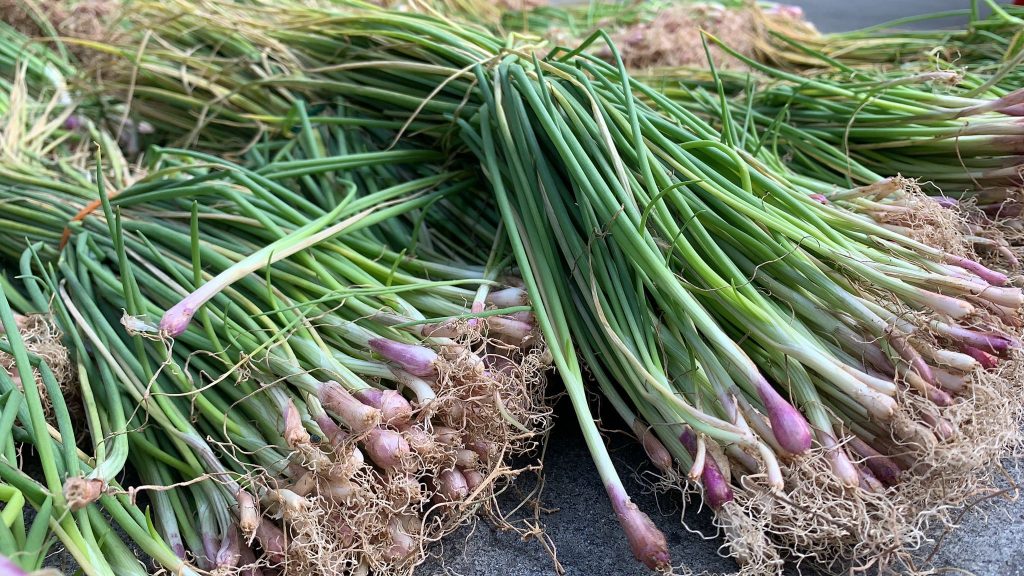
Are you in need of in-depth knowledge on onion and garlic production? If yes, we are a call away. Contact us for: Onion seedlings, Garlic seedlings, Germinated garlic cloves, Farm planning services, Soil testing, training on onion and garlic growing, Drip irrigation installation and maintenance, Agronomic support, Onion and Garlic value pack and Farm management. For free consultation, placing orders or booking a visit with an agronomist, please contact us via Call or what’s app +254703982228, Email: Info@oniondoctor.co.ke. You can also check out our social media handles for daily updates on TikTok: https://www.tiktok.com/@oniondoctorke?_t=ZM-8wmsTu0qumO&_r=1 Instagram: https://www.instagram.com/oniondoctorke?igsh=MTVoaHF3aWUydTJzaQ==Facebook:https://www.facebook.com/share/16SwgYn2dG/ Youtube:https://youtube.com/@oniondoctorke?si=u5Jnd-r0qU9UDYqL and Twitter: https://x.com/OnionDoctorKe?t=FR3JXlS_oN1vjjUgAtfyzg&s=09 When choosing a spot for your onion bed, look for well-drained soil that is not too loose or moist. Clean sandy loam with a pH between 6.6 and 6.8 is the best soil for growing onions. The area should never have puddles of water after watering or rain because onion bulbs rot if sitting in moisture too long. If your soil is too mucky, you can add sand to it, mixing it in with a garden rake. Before planting your onion seedlings, make sure the soil is free of stones and any other debris. Even coarse gravel can interfere with seedling growth. Take care to pulverize any soil clumps into a fine texture. Incorporating a thick layer of organic manure also adds nutrients to the soil for growing large onions. How Far Apart to Plant Onion Seedlings: Once you have worked the soil into a soft, loose bed, use the corner of a hoe to make one-inch deep furrows in your garden, spaced about 14-inches apart. This will give plenty of room for large bulbs to grow and provide air circulation to the bulbs. Plant your seedlings three to four inches apart, depending on the cultivar you have. Larger onions need more space. How to Set the Onion Seedlings in the Soil: If your seedlings have tall, thin stems, you can trim them back to about three-inches tall before planting them. Trimming back the onion stems allows the seedlings to develop a strong root system. Follow these steps for setting your onion seedlings in your furrows: Hold the seedling in your hand and place the seedling root into the furrow. Use your other hand to press the plant into place in the soft soil. Press the soil firmly against the roots. Fill up the hole with soil and smooth it out. Water the seedlings. Maintaining Onion Seedlings: Water your onion plants weekly but let them dry out between weekly watering. As your seedlings grow, the slender stems will get longer. To maximize growth of your seedlings, weed around the roots regularly, so they don’t block the sunlight from the young plants. You can hand-pull the weeds or use a hoe around the plants. If any of the seedlings or bulbs should get dislodged from underground, just press them back into place. Applying organic mulch around your onion seedlings can help with weed prevention. Onion Doctor supports small holder farmers across Africa with quality and affordable Onion and Garlic seedlings, Onion seedlings, Farm planning services, Soil testing, Drip irrigation installation and maintenance, Agronomic support, Onion and Garlic value pack, Farm management, E-extension and on-farm training for farmers to optimize on yields and get maximum profits.
Farming, Onion Farming

Mastering Onion Farming in Kenya: Yield Potential, Varieties, and Expert Guidance”

Are you in need of in-depth knowledge on onion and garlic production? If yes, we are a call away. Our service chatter includes: Onion seedlings, Garlic seedlings, Farm planning services, Soil testing, Drip irrigation installation and maintenance, Agronomic support, Onion and Garlic value pack and Farm management. For free consultation, placing orders or booking a visit with an agronomist, please contact us via Call or what’s app +254703982228, Email: Info@oniondoctor.co.ke. Unlock the potential of onion farming in Kenya with a comprehensive guide. From the high market demand to easy cultivation and versatile growing regions, onion farming in Kenya offers a host of benefits. This article explores the art of growing, caring for, and harvesting onions, focusing on various onion varieties, suitable locations, climate conditions, market dynamics, and potential challenges in the world of onion farming. Benefits of Onion Farming in Kenya Onion farming in Kenya has a number of benefits. The most obvious benefit is that you can make money from it. Onion is a crop that has a high demand in the market, and you can get good prices for it. But there are other benefits as well. Onion farming is a good way to diversify your farming portfolio. It is also a good crop to grow in areas where other crops do not do well. And finally, it is a very sustainable crop – you can grow it with very little water and without using pesticides or fertilizers. Market Demand for Onion in Kenya Onion is a very important vegetable crop in Kenya. The country is the largest producer of Onion in the region. Onion is grown all over the country but the main production is from Central, Rift Valley and Eastern provinces. The demand for Onion is very high in the local market. The demand for fresh Onion is higher than that of processed onion. The main consumers of fresh Onion are hotels, restaurants and households. The major buyers of processed Onion are industries such as beverage, canning, flour milling, ice cream and potato chip factories. The price of fresh Onion ranges from 40 to 60 shillings per kilogram while the price of processed Onion ranges from 25 to 45 shillings per kilogram. Common Onion Varieties Grown in Kenya Red Pinoy Yield per Acre: Approximately 12-15 tons Characteristics: Red Pinoy is known for its deep red color and globe-shaped bulbs. It has a strong flavor and is suitable for both fresh consumption and storage. It tends to have good resistance to diseases. Important Considerations: Adequate spacing and proper irrigation are crucial for preventing disease and ensuring bulb development. Texas Grano Yield per Acre: Around 14-17 tons Characteristics: Texas Grano onions are large, sweet, and mild-flavored. They are excellent for slicing and using in salads. They have a light yellow to brown skin color and store well. Important Considerations: Texas Grano onions require well-drained soil and consistent moisture to achieve their optimal yield and flavor. Bombay Red Yield per Acre: Approximately 10-14 tons Characteristics: Bombay Red onions have a distinctive red color and a pungent flavor. They are suitable for cooking and are commonly used in traditional Kenyan dishes. Important Considerations: Adequate spacing and proper soil preparation are essential for healthy bulb development. Regular weeding and disease management are important. Red Creole Yield per Acre: About 12-16 tons Characteristics: Red Creole onions have a reddish-brown skin and a slightly flattened shape. They have a strong and tangy flavor, making them a favorite for various culinary uses. Important Considerations: These onions thrive in well-drained, sandy loam soils. Adequate sunlight and spacing between plants are crucial for optimal yield. Grano 502 Yield per Acre: Around 13-16 tons Characteristics: Grano 502 onions are medium-sized with a golden-yellow skin. They have a mild and sweet flavor, making them versatile for different dishes. Important Considerations: Proper soil fertility and adequate irrigation are necessary for achieving the desired yield and quality of Grano 502 onions. Conditions for Onion Farming Onion farming requires specific conditions for optimal growth and yield. Proper attention to these factors ensures healthy plant development, bulb formation, and overall success in your onion farming. 1. Climate: Onions thrive in cool to mild climates with moderate temperatures. The ideal temperature range for onion growth is around 13°C to 24°C. Avoid extreme temperature fluctuations, as they can lead to poor bulb development. 2. Soil: Choose well-drained soils with good water-holding capacity, preferably sandy loam to clay loam. The soil pH should be slightly acidic to neutral, ideally ranging from 6.0 to 7.5. Ensure proper soil preparation, including loosening, leveling, and incorporation of organic matter. 3. Irrigation: Onions require consistent moisture throughout their growth cycle, especially during bulb formation. Drip irrigation is recommended to provide targeted and efficient watering while minimizing water contact with foliage. 4. Sunlight: Onions thrive in full sunlight. Ensure your onion field receives at least 12 to 14 hours of direct sunlight daily. 5. Spacing: Proper plant spacing is crucial for healthy bulb development and disease prevention. Generally, onions should be spaced 10 to 15 cm apart within rows, and rows should be spaced 20 to 30 cm apart. Onions Nursery bed preparation Onions are planted on a raised seedbed for germination and later transplanted into the field. Therefore, preparing the seedbed two to three weeks before sowing is encouraged. To make your seedbed, proceed as follows; Prepare raised seedbeds of 1.2m wide with a length of your choice. Add two 20 liters per square of organic fertilizer, mix it with the soil, and rake it evenly. Irrigate the raised seedbed one day before sowing seeds. Make evenly spread rows of 10-15cm from row to row. Field Preparation for Onion Farming Plow the land one month before transplanting the onion seedlings. Rake the soil to fine particles for two weeks before transplanting the onions. Next, Incorporate 20 -25 tonnes per hectare of ripe animal manure (Poultry or cow dung) into the field. This makes the soil rigid and increases moisture retention for an extended period. Mix the organic fertilizer well with the ground, then prepare the furrows you like. Add the organic manure to every hole during transplanting

Farming, Onion Farming

Discover the Secret to Massive Profits: Onion Farming in Kenya

Are you in need of in-depth knowledge on onion and garlic production? If yes, we are a call away. Contact us for: Onion seedlings, Garlic seedlings, Germinated garlic cloves, Farm planning services, Soil testing, training on onion and garlic growing, Drip irrigation installation and maintenance, Agronomic support, Onion and Garlic value pack and Farm management. For free consultation, placing orders or booking a visit with an agronomist, please contact us via Call or what’s app +254703982228, Email: Info@oniondoctor.co.ke. You can also check out our social media handles for daily updates on TikTok: https://www.tiktok.com/@oniondoctorke?_t=ZM-8wmsTu0qumO&_r=1 Instagram: https://www.instagram.com/oniondoctorke?igsh=MTVoaHF3aWUydTJzaQ==Facebook:https://www.facebook.com/share/16SwgYn2dG/ Youtube:https://youtube.com/@oniondoctorke?si=u5Jnd-r0qU9UDYqL and Twitter: https://x.com/OnionDoctorKe?t=FR3JXlS_oN1vjjUgAtfyzg&s=09 Explore the world of onion farming in Kenya, where the benefits go beyond profits. Discover how this thriving industry not only boosts the economy but also creates jobs and enhances food security. From the profitability of onion cultivation to its role in ensuring self-sufficiency, this article sheds light on the advantages of being an onion farmer in Kenya. Profitability and income generation This farming brings good money. Farmers make a lot of cash from selling onions. The crop grows fast, and farmers can sell it 3-5 months after planting. Onion prices are always high in the market, too. This helps farmers earn more profits. Many success stories show that onion farming is a great way to make money. Also, about half of the red onions sold in Kenya come from other countries, like Tanzania. This means there is room for Kenyan onion farmers to grow and sell more onions in their own country! Job creation and economic growth Onion farming in Kenya not only provides profitable opportunities for farmers but also contributes to job creation and economic growth. Many Kenyan farmers have found success in onion farming, leading to increased employment opportunities within the agricultural sector. As onion cultivation is widespread across the country, more people are able to find work through planting, harvesting, packaging, and selling onions. This not only improves livelihoods but also stimulates local economies by generating income and supporting businesses involved in the production and distribution of onions. With its potential for high profits and job creation, onion farming plays a significant role in boosting Kenya’s agricultural sector and overall economic development. Food security and self-sufficiency Farming plays a crucial role in ensuring food security and self-sufficiency. With onion cultivation being widespread across the country, it helps meet the domestic demand for this essential vegetable. By producing onions locally, Kenya reduces its reliance on imported onions from neighboring countries like Tanzania. This not only strengthens food security but also promotes self-sufficiency by reducing dependence on external sources for such a staple crop. Additionally, it provides income opportunities for farmers and contributes to economic growth, further enhancing the overall agricultural productivity of Kenya. Land preparation and soil management Preparing the land for onion farming is important to ensure healthy plant growth. Here are some techniques for land preparation and soil management: Clear the field of weeds, rocks, and debris before planting. Plow or till the soil to loosen it and create a suitable seedbed. Incorporate organic matter such as compost or manure into the soil to improve fertility. Conduct a soil test to determine nutrient levels and pH. Based on the soil test results, add appropriate fertilizers to meet the crop’s nutrient requirements. Ensure proper drainage by leveling the field and creating ridges or raised beds if needed. Irrigate the field before planting to ensure adequate moisture. Onion Doctor supports small holder farmers across Africa with quality and affordable Onion and Garlic seedlings, Onion seedlings, Farm planning services, Soil testing, Drip irrigation installation and maintenance, Agronomic support, Onion and Garlic value pack, Farm management, E-extension and on-farm training for farmers to optimize on yields and get maximum profits.
Farming, Onion Farming

Mastering the Art of Onion Farming in Kenya: From Nursery to Pest Control

Are you in need of in-depth knowledge on onion and garlic production? If yes, we are a call away. Contact us for: Onion seedlings, Garlic seedlings, Germinated garlic cloves, Farm planning services, Soil testing, training on onion and garlic growing, Drip irrigation installation and maintenance, Agronomic support, Onion and Garlic value pack and Farm management. For free consultation, placing orders or booking a visit with an agronomist, please contact us via Call or what’s app +254703982228, Email: Info@oniondoctor.co.ke. You can also check out our social media handles for daily updates on TikTok: https://www.tiktok.com/@oniondoctorke?_t=ZM-8wmsTu0qumO&_r=1 Instagram: https://www.instagram.com/oniondoctorke?igsh=MTVoaHF3aWUydTJzaQ==Facebook:https://www.facebook.com/share/16SwgYn2dG/ Youtube:https://youtube.com/@oniondoctorke?si=u5Jnd-r0qU9UDYqL and Twitter: https://x.com/OnionDoctorKe?t=FR3JXlS_oN1vjjUgAtfyzg&s=09 Successful onion farming in Kenya begins with meticulous planning and execution. From establishing the nursery to controlling pests and diseases, every step plays a vital role in ensuring a bountiful harvest. Nursery Establishment: Where It All Begins Creating a Raised Nursery Bed: Start by crafting a raised nursery bed, ideally 1 meter wide and of the desired length. To enrich the soil, apply well-decomposed manure at a rate of 15 kg per square meter. Seeding and Dormancy Breakage: Mix DAP (Diammonium Phosphate) at a rate of 20g per square meter to promote seedling growth. Make shallow furrows with a 15cm separation and mix the onion seeds with sand for even distribution. After sowing the seeds, apply a solution consisting of 10g of loyalty, 100g of pyramid, and 20mls of optimizer mixed with water. This mixture aids in controlling early pests and diseases while breaking seed dormancy. Transplanting: The Next Crucial Step Timing and Seedling Criteria: Transplant your onion seedlings 6 weeks after germination. Opt for seedlings with a pencil-size thickness and a length of approximately 15cm. Ensure they have 3-5 well-formed leaves before transplanting. Weed Control: A Clean Canvas for Onions Importance of Weed Control: Keep your onion field free from weeds, as they can host pests and diseases while competing for essential nutrients. Chemical weed control is the preferred method; use a selective herbicide known as Commander two weeks after transplanting. Combatting Pests and Diseases: Safeguarding Your Crop Dealing with Thrips: Thrips can damage your onion crop by sucking sap and causing silvery white leaves. This affects bulb formation. Control thrips using Alternate Profile and Alonze at the recommended rates. Managing Leaf-Eating Caterpillars: Leaf-eating caterpillars pose a threat to your onion field. Combat them with Alternate Escort and Profile at the specified rates. Addressing Purple Blotch: Purple blotch manifests as water-soaked lesions with white centers on onion leaves. Spray Tower/Fortress Gold at the suggested rate to manage this issue. Mastering onion farming in Kenya requires a structured approach, from nursery establishment to pest control. By meticulously preparing your nursery, selecting the right seedlings, managing weeds, and addressing potential threats like thrips, caterpillars, and purple blotch, you can increase your chances of a successful onion harvest. Onion Doctor is dedicated to assisting smallholder farmers across Africa, offering quality and affordable Onion and Garlic seedlings, Farm planning services, Soil testing, Drip irrigation installation and maintenance, Agronomic support, Onion and Garlic value packs, Farm management, E-extension, and on-farm training. Join forces with Onion Doctor to optimize your yields and maximize profits in the world of onion farming.

Scroll to Top
Scan the code
Call Now Button