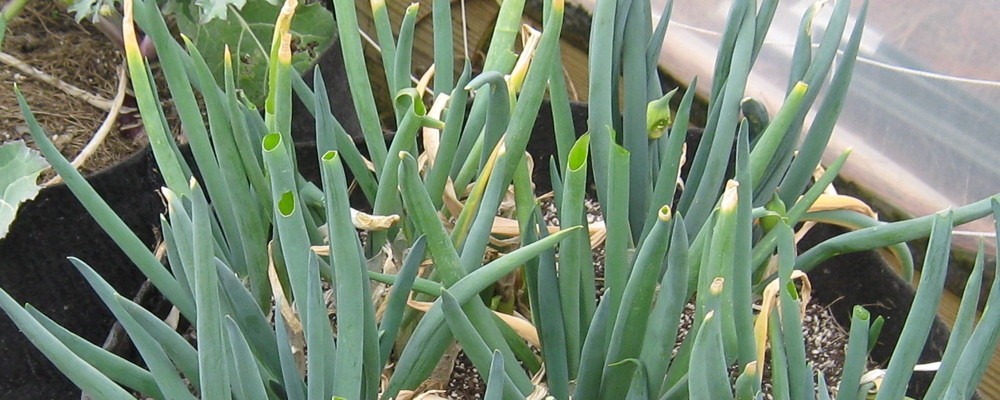
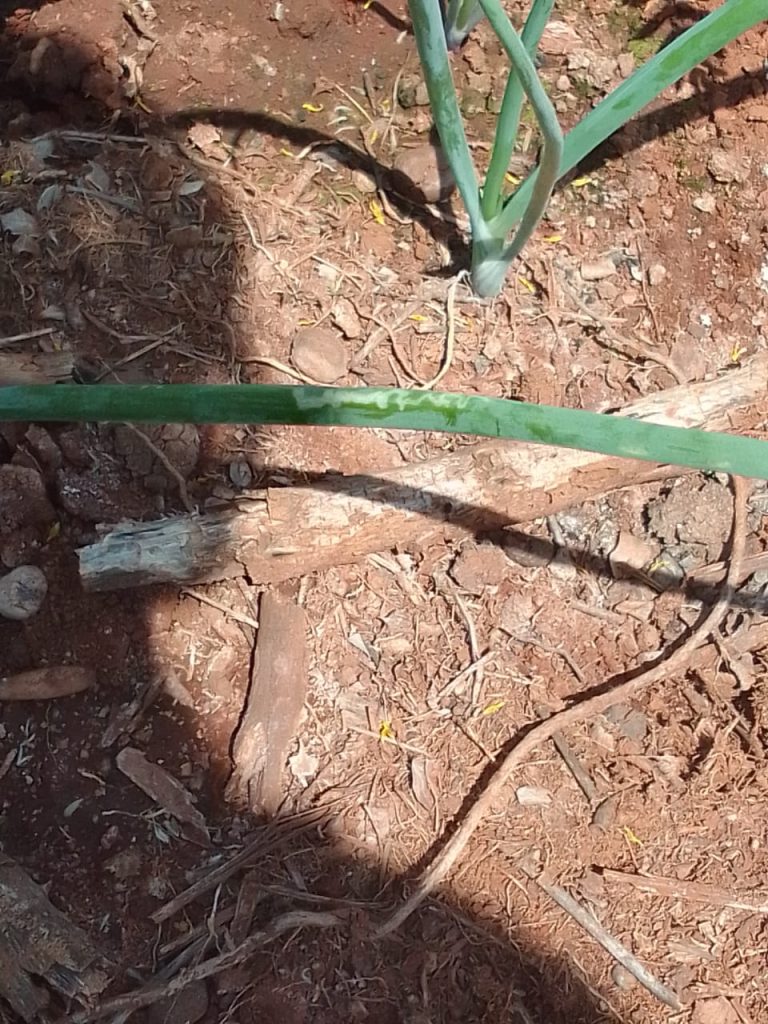
Category: Pest

  • Cutworms in Onion Farming: Identification, Damage, and Control with Onion Doctor

    Are you in need of in-depth knowledge on onion and garlic production? If yes, we are a call away. Contact us for: Onion seedlings, Garlic seedlings, Germinated garlic cloves, Farm planning services, Soil testing, training on onion and garlic growing, Drip irrigation installation and maintenance, Agronomic support, Onion and Garlic value pack and Farm management. For free consultation, placing orders or booking a visit with an agronomist, please contact us via Call or what’s app +254703982228, Email: Info@oniondoctor.co.ke. You can also check out our social media handles for daily updates on TikTok: https://www.tiktok.com/@oniondoctorke?_t=ZM-8wmsTu0qumO&_r=1 Instagram: https://www.instagram.com/oniondoctorke?igsh=MTVoaHF3aWUydTJzaQ==Facebook:https://www.facebook.com/share/16SwgYn2dG/ Youtube:https://youtube.com/@oniondoctorke?si=u5Jnd-r0qU9UDYqL and Twitter: https://x.com/OnionDoctorKe?t=FR3JXlS_oN1vjjUgAtfyzg&s=09

    Cutworms, particularly the Black Cutworm (Agrotis ipsilon), are destructive pests that attack onion crops. These nocturnal caterpillars belong to the Noctuidae family and feed at night while hiding in the soil during the day. Cutworms are notorious for cutting young onion seedlings at the base, leading to significant crop losses if left unchecked.

    Cutworm damage can be devastating to onion crops. Look out for the following symptoms:

    Cut-off Seedlings – Young onion plants are severed at or just below the soil surface, causing wilting and plant death.

    Patchy Damage in the Field – Infestations often appear in irregular patches, with some areas showing complete plant loss.

    Missing Plants – Severe infestations can wipe out entire rows or sections of onion fields.

    Presence of Larvae – During the day, cutworms hide in the soil near damaged plants. When disturbed, they curl into a C-shape under the soil.

    Soil Disturbance – Slight mounds or loose soil around the base of affected plants indicate cutworm burrowing activity.

    Several factors contribute to cutworm outbreaks in onion farms:

    🔹 Black Cutworm (Agrotis ipsilon) – The most common species affecting onions, though the Variegated Cutworm (Peridroma saucia) can also be problematic.

    🔹 Weedy Fields & Poor Sanitation – Weeds and plant debris provide shelter for cutworm larvae.

    🔹 Over-irrigation – Moist conditions favor cutworm activity and survival.

    Crop Loss – Cutworms feed on seedlings, leading to poor plant stands and early crop failure.
    Reduced Yields – Severe infestations result in fewer onion plants, reducing overall harvest potential.
    Increased Costs – Farmers may need to replant fields, leading to higher production costs.

    Onion Doctor recommends the following preventive measures to protect your crops from cutworm damage:

    Scouting & Monitoring – Regularly inspect fields for cutworm symptoms, especially during early plant growth.

    Field Sanitation – Remove weeds, plant debris, and volunteer crops that may harbor cutworm larvae.

    Crop Rotation – Rotate onions with non-host crops to disrupt cutworm life cycles.

    Tillage Practices – Plow or cultivate fields before planting to expose and destroy cutworm larvae and pupae.

    Irrigation Management – Avoid excessive moisture, as cutworms thrive in damp conditions.

    If cutworms are already damaging your onion crop, consider these control methods:

    Chemical Control – Use insecticides when pest populations exceed economic thresholds. Recommended options include:

    • Chlorpyrifos – A systemic organophosphate that disrupts the pest’s nervous system.
    • Lambda-Cyhalothrin – A fast-acting pyrethroid for foliar applications.
    • Bifenthrin – A pyrethroid with residual soil activity, effective against soil-dwelling larvae.
    • Spinosad – A natural insecticide that targets cutworm nervous systems with minimal impact on beneficial insects.

    Cultural Controls – Strengthen farm practices to reduce cutworm risks:

    • Remove weeds and debris that harbor cutworms.
    • Use pheromone traps to monitor adult moth activity.
    • Encourage natural predators like birds and ground beetles.

    Integrated Pest Management (IPM) – Combine cultural and chemical controls strategically to reduce environmental impact and prevent pesticide resistance.

    Onion Doctor supports small holder farmers across Africa with quality and affordable Onion and Garlic seedlings, Onion seedlings, Farm planning services, Soil testing, Drip irrigation installation and maintenance, Agronomic support, Onion and Garlic value pack, Farm management, E-extension and on-farm training for farmers to optimize on yields and get maximum profits.

    Need expert help managing your onion farm? Contact Onion Doctor today for tailored agronomic support and farm solutions!
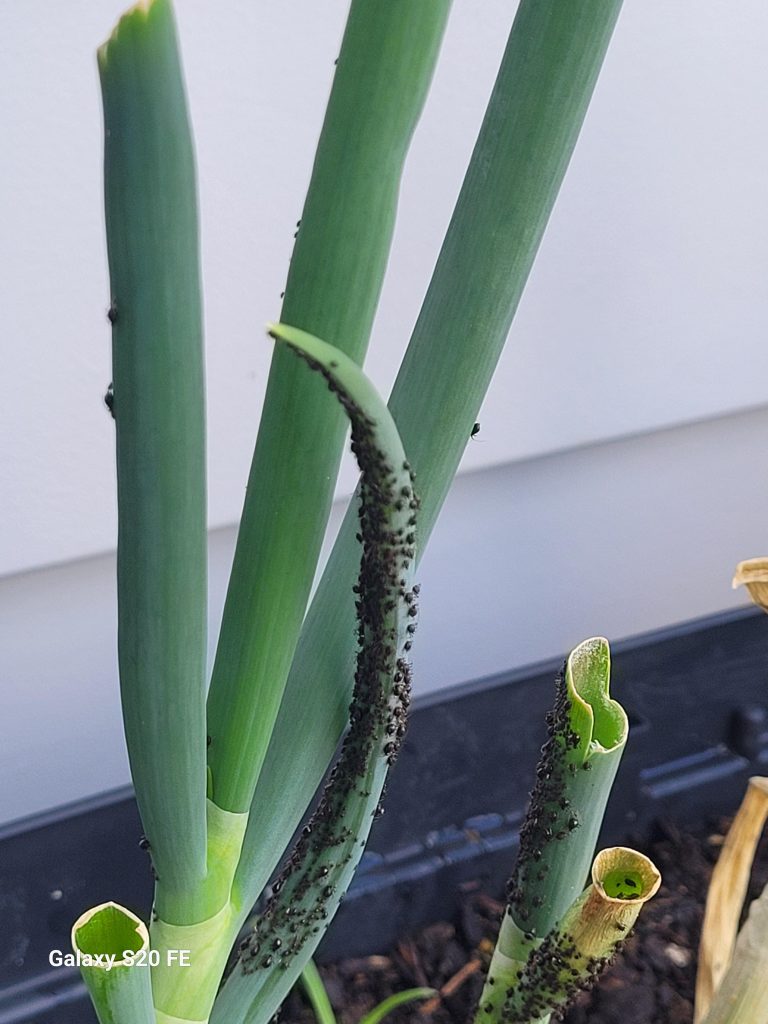
  • Onion Aphids: How to Identify, Prevent, and Control This Destructive Onion Pest with Onion Doctor

    Are you in need of in-depth knowledge on onion and garlic production? If yes, we are a call away. Contact us for: Onion seedlings, Garlic seedlings, Germinated garlic cloves, Farm planning services, Soil testing, training on onion and garlic growing, Drip irrigation installation and maintenance, Agronomic support, Onion and Garlic value pack and Farm management. For free consultation, placing orders or booking a visit with an agronomist, please contact us via Call or what’s app +254703982228, Email: Info@oniondoctor.co.ke. You can also check out our social media handles for daily updates on TikTok: https://www.tiktok.com/@oniondoctorke?_t=ZM-8wmsTu0qumO&_r=1 Instagram: https://www.instagram.com/oniondoctorke?igsh=MTVoaHF3aWUydTJzaQ==Facebook:https://www.facebook.com/share/16SwgYn2dG/ Youtube:https://youtube.com/@oniondoctorke?si=u5Jnd-r0qU9UDYqL and Twitter: https://x.com/OnionDoctorKe?t=FR3JXlS_oN1vjjUgAtfyzg&s=09

    Onion aphids are small, pear-shaped insects that pose a significant threat to onion crops. These sap-sucking pests weaken plants by extracting essential nutrients from the leaves, causing them to curl, distort, and turn yellow. Onion aphids also secrete a sticky substance known as honeydew, which attracts ants and promotes the growth of sooty mold, further reducing plant health and yield.

    • Wilting and yellowing of onion leaves.
    • Stunted plant growth due to nutrient loss.
    • Distorted or curled leaves as a result of aphid feeding.
    • Presence of sticky honeydew on plant surfaces, which encourages sooty mold formation.
    • Visible colonies of onion aphids clustering on leaves and bulbs.
    • Aphids are naturally attracted to Allium species (onions, garlic, leeks, and chives) due to the sulfur compounds responsible for their strong aroma.
    • Overcrowded planting and excessive nitrogen fertilization create an ideal environment for rapid aphid population growth.
    • Mild temperatures and lack of natural predators allow aphid populations to multiply quickly.
    • Reduced Onion Yields: Heavy infestations weaken plants, causing them to dry out and collapse, leading to significant yield losses.
    • Poor Plant Health: The loss of sap reduces the plant’s ability to photosynthesize, making it more susceptible to diseases.
    • Spread of Viral Diseases: Onion aphids can transmit harmful plant viruses, further impacting crop productivity.
    • Quality Reduction: The presence of honeydew and sooty mold reduces the marketability of onions.

    1. Crop Rotation: Avoid planting onions or related crops in the same field consecutively to disrupt the aphid life cycle.

    2. Sanitation Practices: Regularly remove and destroy plant debris and volunteer Allium species that can serve as breeding grounds for aphids.

    3. Companion Planting: Grow aromatic herbs like rosemary, mint, or basil near onions to naturally repel aphids.

    4. Balanced Fertilization: Avoid excessive nitrogen, as it encourages excessive vegetative growth, making onions more attractive to aphids.

    5. Encourage Natural Predators: Beneficial insects such as ladybugs, lacewings, and parasitic wasps help keep aphid populations in check.

    • Natural Predators: Introducing lady beetles, lacewings, and parasitic wasps can effectively reduce aphid numbers in the field.
    • Water Sprays: A strong jet of water can physically remove aphids from onion plants, reducing their population.
    • Insecticidal Soaps: These help to break down the outer protective layer of aphids, leading to their elimination.
    • Neem Oil: A natural insecticide that disrupts the growth and reproduction of aphids while being safe for beneficial insects.
    • Systemic Insecticides: If infestations are severe, insecticides may be necessary, but they should be used responsibly to prevent harming pollinators and other beneficial organisms.

    At Onion Doctor, we are committed to helping smallholder farmers across Africa combat onion pests and maximize their yields. We provide expert guidance, quality onion seedlings, soil testing, drip irrigation solutions, agronomic support, and integrated pest management strategies. Our goal is to help you grow healthier onions while minimizing losses due to pests like onion aphids.

    For expert onion farming support and premium onion seedlings, contact Onion Doctor today!

  • Onion Maggot Infestation: Prevention, Treatment & How Onion Doctor Can Help Farmers

    Are you in need of in-depth knowledge on onion and garlic production? If yes, we are a call away. Our service chatter includes: Onion seedlings, Garlic seedlings, Farm planning services, Soil testing, Drip irrigation installation and maintenance, Agronomic support, Onion and Garlic value pack and Farm management. For free consultation, placing orders or booking a visit with an agronomist, please contact us via Call or what’s app +254703982228, Email: Info@oniondoctor.co.ke.

    Onion maggots are one of the most devastating pests affecting onion crops. These tiny larvae tunnel into onion bulbs, compromising plant health and leading to severe economic losses for farmers. Effective prevention and treatment strategies are crucial to ensuring a successful onion harvest.

    • Wilting and Yellowing Leaves: The maggots feed on below-ground tissues, leading to yellow and wilted foliage.
    • Soft, Decaying Bulbs: Infested bulbs rot from the inside out, emitting a foul odor.
    • Tunnel Damage: Visible tunnels inside onion bulbs are a clear indication of maggot activity.
    • Plant Death: Severe infestations lead to complete plant collapse, reducing overall yields.
    • Adult Flies Laying Eggs Near Onion Plants: The maggots hatch and burrow into the bulbs.
    • Cool, Moist Soil Conditions: These favor egg survival and larval development.
    • Lack of Crop Rotation: Continuous onion cultivation increases the risk of infestation.
    • Yield Loss: Damaged bulbs lead to lower production and reduced profits.
    • Secondary Infections: Infested onions become vulnerable to bacterial and fungal diseases.
    • Post-Harvest Losses: Infected onions continue to rot during storage, affecting marketable produce.

    Crop Rotation: Avoid planting onions in the same field season after season. Rotating with non-host crops breaks the pest’s life cycle.
    Field Sanitation: Remove and destroy plant debris that could serve as breeding grounds for onion maggots.
    Proper Drainage: Ensuring good soil drainage reduces the cool, moist conditions that favor maggot development.
    Floating Row Covers: These prevent adult flies from laying eggs near the onion plants.
    Soil Solarization: Using clear plastic to heat the soil before planting can kill maggot eggs and larvae.

    • Trenching & Burying Infested Plants: Removing and burying affected plants deep in the soil prevents pupation and further spread.
    • Planting Resistant Onion Varieties: Some onion varieties are less susceptible to maggot damage.
    • Timing of Planting: Avoiding peak egg-laying periods can significantly reduce infestation risks.

    At Onion Doctor, we provide comprehensive solutions to help smallholder farmers across Africa combat onion maggot infestations and maximize yields. Our services include:

    🌱 High-Quality Onion & Garlic Seedlings – Disease-resistant varieties to reduce pest vulnerability.
    📊 Farm Planning & Soil Testing – Ensuring proper crop rotation and ideal soil conditions.
    💧 Drip Irrigation Installation & Maintenance – Reducing excess moisture that attracts onion maggots.
    🌾 Agronomic Support & Farm Management – Expert guidance on pest prevention strategies.
    📡 E-Extension & On-Farm Training – Educating farmers on sustainable and effective pest control methods.

  • How to Identify, Prevent, and Control Cutworms in Onion Farming with Onion Doctor +254703982228

    Are you in need of in-depth knowledge on onion and garlic production? If yes, we are a call away. Contact us for: Onion seedlings, Garlic seedlings, Germinated garlic cloves, Farm planning services, Soil testing, training on onion and garlic growing, Drip irrigation installation and maintenance, Agronomic support, Onion and Garlic value pack and Farm management. For free consultation, placing orders or booking a visit with an agronomist, please contact us via Call or what’s app +254703982228, Email: Info@oniondoctor.co.ke. You can also check out our social media handles for daily updates on TikTok: https://www.tiktok.com/@oniondoctorke?_t=ZM-8wmsTu0qumO&_r=1 Instagram: https://www.instagram.com/oniondoctorke?igsh=MTVoaHF3aWUydTJzaQ==Facebook:https://www.facebook.com/share/16SwgYn2dG/ Youtube:https://youtube.com/@oniondoctorke?si=u5Jnd-r0qU9UDYqL and Twitter: https://x.com/OnionDoctorKe?t=FR3JXlS_oN1vjjUgAtfyzg&s=09

    Scientific Name: Black Cutworm (Agrotis ipsilon)

    Cutworms are the larval stage of moths from the Noctuidae family. These nocturnal caterpillars feed on plants at night and hide in the soil or plant debris during the day. They cause significant damage to onion crops by cutting seedlings at the base, leading to poor stand establishment and reduced yields.

    Cutworms are soil-dwelling larvae that attack young onion plants, cutting them off at or just below ground level. They hide in the soil during daylight hours and become active at night. The most common species affecting onions is the Black Cutworm (Agrotis ipsilon), though others like the Variegated Cutworm (Peridroma saucia) can also cause damage.

    1. Cut-Off Seedlings: Young onion seedlings appear “clipped” at ground level, lying wilted on the soil surface.
    2. Patchy Damage in the Field: Infestation occurs in irregular patches, with some areas showing complete plant loss while others remain unaffected.
    3. Missing Plants: Severe infestations can cause entire sections of the field to lose plants overnight.
    4. Presence of Larvae: Cutworms can be found curled in a C-shape under the soil near damaged plants during the day.
    5. Soil Disturbance: Loose or disturbed soil around affected plants indicates cutworm activity.
    • Favorable Conditions: Moist soil and dense plant debris create an ideal environment for cutworm survival.
    • Presence of Weeds: Weeds provide alternate hosts for cutworm larvae.
    • Continuous Cropping: Monoculture practices encourage cutworm buildup in onion fields.
    1. Crop Loss: Cutworms feed on seedlings and young onion plants, leading to significant stand reduction.
    2. Yield Reduction: Infestation results in uneven plant populations, leading to lower onion yields.
    3. Replanting Costs: Severe damage may require replanting, increasing production costs.
    1. Scouting and Monitoring: Regular field inspections help detect early infestations.
    2. Pheromone Traps: Monitoring moth activity helps time control measures effectively.
    3. Field Sanitation: Removing plant debris and weeds reduces cutworm habitats.
    4. Crop Rotation: Rotating onions with non-host crops lowers cutworm populations.
    5. Tillage: Plowing fields before planting exposes and kills larvae and pupae.
    6. Irrigation Management: Avoid excessive irrigation, as cutworms thrive in moist conditions.
    • Chlorpyrifos: Organophosphate insecticide affecting the nervous system; applied as soil drench or foliar spray.
    • Lambda-Cyhalothrin: Pyrethroid insecticide causing paralysis; effective as a foliar spray.
    • Bifenthrin: Pyrethroid with residual soil activity; applied as a granular or liquid soil drench.
    • Spinosad: Natural insecticide targeting the nervous system; applied as a foliar spray.
    • Parasitic Nematodes: Natural predators that target cutworm larvae in the soil.
    • Bacillus thuringiensis (Bt): A biological insecticide that effectively controls cutworms without harming beneficial insects.
    • Combining cultural and chemical controls to reduce environmental impact.
    • Applying chemical controls only when pest populations exceed economic thresholds.

    At Onion Doctor, we support smallholder farmers across Africa with expert pest control solutions, high-quality Onion and Garlic seedlings, Soil Testing, Drip Irrigation Installation & Maintenance, Agronomic Support, Onion & Garlic Value Pack Solutions, Farm Management, E-extension Services, and On-Farm Training.

    For professional guidance on controlling cutworms and other pests affecting onion farming, visit Onion Doctor today!

    #OnionDoctor #OnionFarming #CutwormContro#OnionPestManagement

  • Leaf Miner Infestation in Onion Farming: Identification, Impact, and Effective Control with Onion Doctor +254703982228

    Are you in need of in-depth knowledge on onion and garlic production? If yes, we are a call away. Contact us for: Onion seedlings, Garlic seedlings, Germinated garlic cloves, Farm planning services, Soil testing, training on onion and garlic growing, Drip irrigation installation and maintenance, Agronomic support, Onion and Garlic value pack and Farm management. For free consultation, placing orders or booking a visit with an agronomist, please contact us via Call or what’s app +254703982228, Email: Info@oniondoctor.co.ke. You can also check out our social media handles for daily updates on TikTok: https://www.tiktok.com/@oniondoctorke?_t=ZM-8wmsTu0qumO&_r=1 Instagram: https://www.instagram.com/oniondoctorke?igsh=MTVoaHF3aWUydTJzaQ==Facebook:https://www.facebook.com/share/16SwgYn2dG/ Youtube:https://youtube.com/@oniondoctorke?si=u5Jnd-r0qU9UDYqL and Twitter: https://x.com/OnionDoctorKe?t=FR3JXlS_oN1vjjUgAtfyzg&s=09

    Pest Name: Leaf Miner

    Scientific Name: Liriomyza spp. (Common species: Liriomyza huidobrensis, Liriomyza sativa

    Leaf miners are small fly larvae from the Liriomyza genus that cause significant damage to onion plants. The adult flies are tiny, with dark bodies and transparent wings. They lay their eggs on the surface of onion leaves, and once hatched, the larvae tunnel between the upper and lower leaf layers. These feeding tunnels weaken the plant’s vascular system, impairing its ability to transport water and nutrients.

    Leaf miners primarily damage onion crops during their larval stage. Adult flies lay eggs on the leaf surface, and once hatched, the larvae burrow into the leaf, creating distinctive tunnels. The mining activity severely affects the plant’s ability to photosynthesize, leading to reduced onion yield and quality.

    • Temperature Range: 18°C to 28°C (64°F to 82°F)
    • High Humidity: Enhances larval survival within the leaf tissue.
    • Warm Climates: Speed up the reproductive cycle, increasing infestation rates.
    1. Mining Trails: Light-colored, winding trails on leaves caused by larvae burrowing.
    2. Yellowing (Chlorosis): Due to reduced photosynthetic capacity in affected leaves.
    3. Leaf Deformation: Leaves become curled and distorted due to internal tissue damage.
    4. Small Holes in Leaves: Larvae create irregular holes as they exit after feeding.
    5. Premature Leaf Drop: Severely damaged leaves dry out and fall off, reducing overall plant health.
    6. Stunted Growth: Continuous feeding weakens the plant, resulting in smaller onion bulbs and slow growth.
    1. Warm and Humid Conditions: The ideal environment for leaf miners to thrive and reproduce.
    2. Overcrowded Onion Fields: Poor air circulation increases humidity, encouraging infestations.
    3. Excessive Irrigation: Creates a damp environment that supports larvae development.
    4. Weeds in Onion Fields: Weeds serve as breeding grounds, increasing pest pressure on onion crops.
    1. Reduced Photosynthesis: Mining activity disrupts nutrient transport, weakening plants.
    2. Lower Onion Yield: Infested plants produce smaller bulbs, reducing overall market value.
    3. Increased Susceptibility to Diseases: Damaged leaves allow pathogens like fungi and bacteria to enter.
    4. Poor Onion Quality: Onion bulbs from affected plants may be undersized and unmarketable.
    1. Remove and Destroy Infested Leaves: Regularly inspect crops and remove affected leaves to minimize pest spread.
    2. Use Floating Row Covers: Prevent adult flies from laying eggs on onion leaves.
    3. Ensure Proper Plant Spacing: Improves air circulation, reducing favorable conditions for pests.
    4. Encourage Natural Predators: Introduce parasitic wasps (Diglyphus isaea) to naturally control larvae populations.
    5. Early Detection & Monitoring: Regular scouting for early signs of leaf miner activity enables timely intervention.

    Treatment Options for Leaf Miner Infestation:

    • Insecticides: Spinosad and pyrethroids effectively control leaf miner larvae if applied early.
    • Neem Oil & Insecticidal Soaps: These organic treatments act as repellents and growth regulators.
    • Parasitic Wasps: Diglyphus isaea effectively reduces larvae populations by parasitizing them.
    • Natural Sprays: Neem-based solutions can disrupt larvae development without harming beneficial insects.
    • Handpicking & Destroying Infected Leaves: Prevents further spread and reduces pest numbers.

    At Onion Doctor, we empower smallholder farmers across Africa by providing top-quality Onion and Garlic seedlings, Soil Testing, Drip Irrigation Installation & Maintenance, Agronomic Support, Onion & Garlic Value Pack Solutions, Farm Management, E-extension Services, and On-Farm Training. Our goal is to help farmers maximize yields and profits while ensuring sustainable pest management strategies.

    For expert advice on controlling leaf miners and other pests affecting onion farming, visit Onion Doctor today! #OnionDoctor #OnionFarming #LeafMinerControl #OnionPestManagement

Scan the code
Call Now Button