Category: Onion Farming

  • Onion Farming in Kenya: Profitable Onion Production in Kenya.

    Onion Farming in Kenya: Profitable Onion Production in Kenya.


    Are you in need of in-depth knowledge on onion and garlic production? If yes, we are a call away.  Contact us for: Onion seedlings, Garlic seedlings, Germinated garlic cloves, Farm planning services, Soil testing, training on onion and garlic growing, Drip irrigation installation and maintenance, Agronomic support, Onion and Garlic value pack and Farm management. For free consultation, placing orders or booking a visit with an agronomist, please contact us via Call or what’s app +254703982228, Email: Info@oniondoctor.co.ke. You can also check out our social media handles for daily updates on TikTok: https://www.tiktok.com/@oniondoctorke?_t=ZM-8wmsTu0qumO&_r=1 Instagram: https://www.instagram.com/oniondoctorke?igsh=MTVoaHF3aWUydTJzaQ==Facebook:https://www.facebook.com/share/16SwgYn2dG/ Youtube:https://youtube.com/@oniondoctorke?si=u5Jnd-r0qU9UDYqL and Twitter: https://x.com/OnionDoctorKe?t=FR3JXlS_oN1vjjUgAtfyzg&s=09


    Yes, it is possible to make your first Million in Agriculture through Onion Farming. First, understand this is not a get-rich-quick scheme at all. You certainly won’t make Ksh1 million overnight. But with smart choices and hard work, you really can make a decent income growing them. At the same time, as with any other business, it is important to start small, growing a few proven varieties the first season, and introducing more varieties as your knowledge improves or as you discover new options To attain this type of profitability , a farmer needs to consider the following factors:-

    •  Market Demand: Conduct thorough market research to understand the current and projected demand for onions in Kenya. Identify potential buyers, including wholesalers, retailers, supermarkets, restaurants, and export opportunities. Consider both the local and international markets to maximize profitability.
    • Variety Selection: Choose onion varieties that are well-suited to the local climate, market preferences, and have a good yield potential. Popular onion varieties in Kenya include Jambar F1, Red Pinoy F1, Texas Grano, and Bombay Red. Selecting the right varieties can contribute to higher yields and market acceptance.If you are unsure of the right variety for your locality,please do not hesitate to give us a call.
    • Quality Seed Acquisition: Obtain high-quality onion seeds from reputable suppliers or produce your own seed. Ensure the seeds are disease-free, certified, and have a high germination rate. Healthy seedlings lead to strong and productive onion crops.
    • Soil Preparation and Fertility: Prepare the soil adequately by removing weeds, breaking clods, and incorporating organic matter. Conduct soil tests to determine nutrient deficiencies and pH levels. Address any deficiencies by adding appropriate organic or mineral fertilizers to optimize onion growth and yield.
    •  Proper Planting and Spacing: Plant onion seedlings at the correct depth and spacing to ensure optimum plant growth. Typically, onion seedlings are transplanted at a spacing of 10 cm between plants and 30 cm between rows. Proper spacing allows for good air circulation and reduces competition for resources, resulting in higher yields.
    • Irrigation and Water Management: Onions require consistent moisture throughout their growth stages.While there are various methods of irrigation such as furrow,basin,over-head and rainhose, drip irrigation is the most efficient method. It not only helps in labor management but also weed management ,water efficiency and water usage.For yield optimization ,we highly recommend drip irrigation. We offer drip installation and maintenance at very competitive prices.
    •  Weed and Pest Control: Effective weed control is crucial in onion farming to minimize competition for nutrients and resources. Employ mechanical methods, mulching, or herbicides to manage weeds. Implement integrated pest management strategies to control common onion pests such as onion thrips, onion flies, and onion maggots.
    • Fertilization and Nutrient Management: Apply fertilizers based on soil test results and crop nutrient requirements. Proper nutrient management ensures healthy plant growth and improved bulb development. Supplement with additional fertilizers as needed during different growth stages.
    • Harvesting and Post-Harvest Handling: Harvest onions when the foliage turns yellow and begins to dry. Carefully lift the bulbs from the soil and allow them to cure in a well-ventilated, shaded area. Proper curing helps extend shelf life and enhances bulb quality. Handle onions carefully during storage and transportation to avoid bruising or damage.
    • Cost Management and Efficiency: Monitor and control production costs, including labor, irrigation, fertilizers, pest control, and harvesting expenses. Optimize resource utilization and employ efficient farming practices to minimize costs without compromising quality and yield.
    • Marketing and Sales Strategy: Develop a marketing plan to sell your onions. Establish relationships with potential buyers, such as wholesalers, retailers, restaurants, or export markets. Consider direct sales to consumers through farmers’ markets or online platforms. Implement effective marketing strategies, including branding, packaging, and promotion, to attract customers and achieve higher prices.
    • Continuous Learning and Improvement: Stay updated with the latest onion farming techniques, market trends, and research findings. Attend agricultural workshops, connect with other onion farmers, and seek guidance from agricultural experts to enhance your farming practices and remain competitive.


    Onion Doctor supports small holder farmers across Africa with quality and affordable Onion and Garlic seedlings, Onion seedlings, Farm planning services, Soil testing, Drip irrigation installation and maintenance, Agronomic support, Onion and Garlic value pack, Farm management, E-extension and on-farm training for farmers to optimize on yields and get maximum profits.
  • Red Creole Onion Farming in Kenya

    Red Creole Onion Farming in Kenya

    Are you in need of in-depth knowledge on onion and garlic production? If yes, we are a call away. Contact us for: Onion seedlings, Garlic seedlings, Germinated garlic cloves, Farm planning services, Soil testing, training on onion and garlic growing, Drip irrigation installation and maintenance, Agronomic support, Onion and Garlic value pack and Farm management. For free consultation, placing orders or booking a visit with an agronomist, please contact us via Call or what’s app +254703982228, Email: Info@oniondoctor.co.ke. You can also check out our social media handles for daily updates on TikTok: https://www.tiktok.com/@oniondoctorke?_t=ZM-8wmsTu0qumO&_r=1 Instagram: https://www.instagram.com/oniondoctorke?igsh=MTVoaHF3aWUydTJzaQ==Facebook:https://www.facebook.com/share/16SwgYn2dG/ Youtube:https://youtube.com/@oniondoctorke?si=u5Jnd-r0qU9UDYqL and Twitter: https://x.com/OnionDoctorKe?t=FR3JXlS_oN1vjjUgAtfyzg&s=09

    Onion farming in Kenya is widely done in small-scale in either open gardens or green houses. Onions are always at a sought-after in Kenya for spicing as well as giving food a sweet flavor. The common types of onions grown in Kenya are the red, white, and yellow onions.

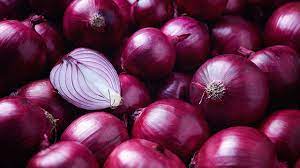
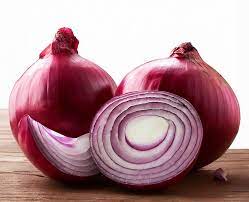
    Red creole onions have 4 major qualities that makes them to be outstanding among the other red onions. Red creole onions are known to be medium maturing onion, they have a dark red color, and they have awesome yield potential. The red creole onions have tight rings. For you to be able to different the red creole from the other onions, you should check its outer scale, you will definitely see very light red lines that runs to the center of the bulb; they have a pungent taste that makes them not to be as sweet as other onions though excellent in cooking and making salads. 

    Favorable climate for the red creole onions The best time to plant red creole onions in Kenya is during mild temperatures seasons. In simple words, they grow well in a location that has full sun as well as medium rain; in fact, the best time to plant onions in Kenya is during hot months like January. The red creole onions are very hard and therefore they require water moderately. The good thing is that they can also grow well in places that have intense cold temperatures; favoring the farmers.

    Which is the best soil to grow red creole onions? Well, the red creole onions can do well in clay, loamy, or sandy soils. The P.H should at least range between 6.0 to about 7.0. This range P.H logically tells the potential farmers that they should grow this type of onions in places that have weak acidic or neural areas.

    How to Plant Red Creole Onion in Kenya Red creole onions are very easy to grow as long us you grow them in their perfect temperature with the right type of soil. These type of onions require mild temperatures. In simple words, they grow in a location that has full sun as well as medium rain; in fact, the best time to grow onions in Kenya is on hot months like January. The red creole onions are very hard and therefore they require water moderately. 

    Harvest your onions The red creole onions are usually very hard compared to other onions and they are also flat. In 100 to 175 days your onions will be ready for harvest. The good thing is that the green onions are also good and they can be harvested in not more than 3 weeks. The best time to harvest your onions is during October and January; this is because most Kenyans depend on Tanzania imports. 

    Red Creole Onion Benefits: Onions prevent our bodies from getting infected with cancer Cancer disease has cause a number of death in the country for making cells grow in an controllable manner, it divides and get to invade other tissues. Red creole onions contains a chemical that is very powerful for fighting cancer referred to as quercetin. Quercetin is the reason the onions are red in color and the chemical belongs to flavonoids, sprout pigments. 

    Red creole onions improves human oral health Logically, one can avoid chewing onions for causing bad breath. Right? When you compare the bad breath with the benefits that the onions will cause in your month, we are sure you will take a crisp and start chewing. The first thing is that chewing of raw onions is known to fight off tooth decay bacteria. 

    Climate Change As told earlier the best climate for growing red creole onions is full sun. This means that during rainy seasons onion growing areas in Kenya are greatly affected. For instance this year, almost every part of Kenya has been having heavy rains causing a very high increase in the onion prices. 

    Pests and diseases If pest and disease are not controlled, they will highly reduce the quality of your red creole onions leading to low red creole yield per acre. This is because foliar diseases, fungal diseases, as well as bulb rots are prone to attack onions. The fungal diseases include the mildew, leaf rot, neck rot, as well as rust. If not controlled, it will highly spread to your other plots causing low yields of onion production per acre. 

    Onion Doctor supports small holder farmers across Africa with quality and affordable Onion and Garlic seedlings, Onion seedlings, Farm planning services, Soil testing, Drip irrigation installation and maintenance, Agronomic support, Onion and Garlic value pack, Farm management, E-extension and on-farm training for farmers to optimize on yields and get maximum profits.
  • Onion Farming in Kenya: Onion Varieties in Kenya.

    Onion Farming in Kenya: Onion Varieties in Kenya.


    Are you in need of in-depth knowledge on onion and garlic production? If yes, we are a call away.  Contact us for: Onion seedlings, Garlic seedlings, Germinated garlic cloves, Farm planning services, Soil testing, training on onion and garlic growing, Drip irrigation installation and maintenance, Agronomic support, Onion and Garlic value pack and Farm management. For free consultation, placing orders or booking a visit with an agronomist, please contact us via Call or what’s app +254703982228, Email: Info@oniondoctor.co.ke. You can also check out our social media handles for daily updates on TikTok: https://www.tiktok.com/@oniondoctorke?_t=ZM-8wmsTu0qumO&_r=1 Instagram: https://www.instagram.com/oniondoctorke?igsh=MTVoaHF3aWUydTJzaQ==Facebook:https://www.facebook.com/share/16SwgYn2dG/ Youtube:https://youtube.com/@oniondoctorke?si=u5Jnd-r0qU9UDYqL and Twitter: https://x.com/OnionDoctorKe?t=FR3JXlS_oN1vjjUgAtfyzg&s=09


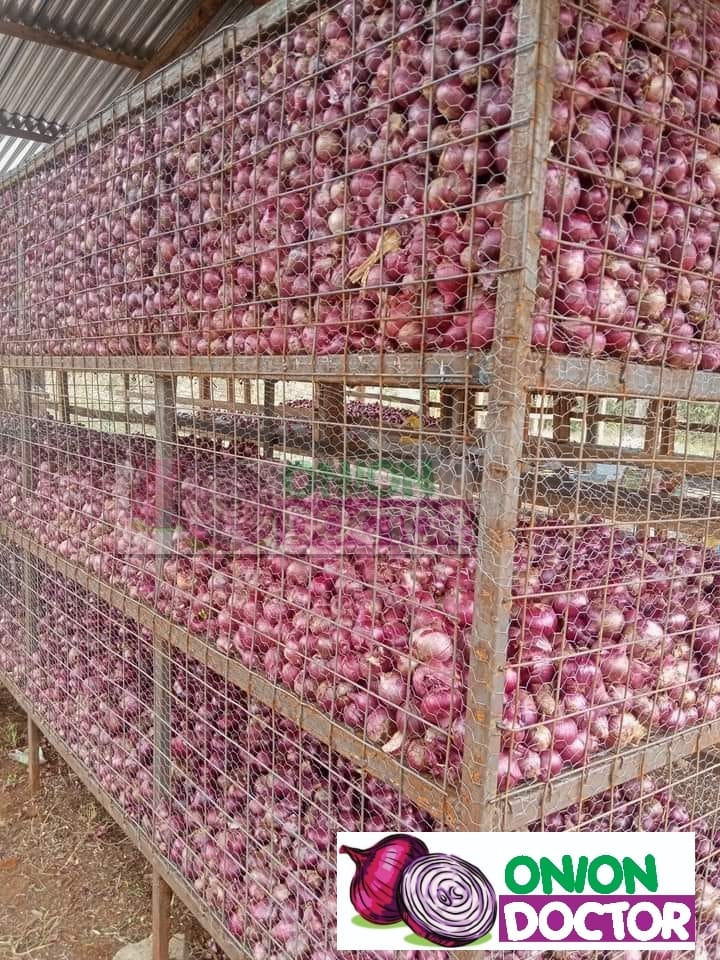
    Kenya is known for its diverse onion production, with several onion varieties grown throughout the country. The choice of onion variety depends on factors such as market demand, growing conditions, and desired characteristics. Here are some popular onion varieties grown in Kenya:

    •  Africa Red: Africa Red is a popular red onion variety in Kenya. It produces medium-sized bulbs with deep red skin and has a pungent flavor. This variety is well-suited for both fresh consumption and storage purposes.
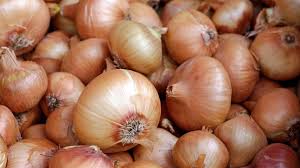
    • Texas Grano 502 PRR: Texas Grano 502 PRR is a yellow onion variety widely grown in Kenya. It produces large bulbs with golden-brown skin and has a mild and sweet flavor. This variety is known for its good storage capabilities and is popular for cooking and processing.
    • Red Coach : Red Coach is a red onion variety that has gained popularity in Kenya. It produces medium to large-sized bulbs with dark red skin. Red Coach onions have a sweet and mild flavor, making them suitable for salads, sandwiches, and other culinary uses.
    •  Neptune F1: Neptune F1 is a hybrid onion variety that is gaining popularity in Kenya. It is a yellow onion variety known for its high yields and uniform bulb size. Neptune F1 onions have a mild and sweet flavor and are suitable for both fresh consumption and storage.
    •  Red Creole: Red Creole is a red onion variety that performs well in Kenya’s climate. It produces medium-sized bulbs with reddish-brown skin and has a strong flavor. Red Creole onions are often used in cooking and can be stored for an extended period.
    •  Bombay White: Bombay White is a white onion variety grown in Kenya. It produces medium to large-sized bulbs with white skin and has a mild and sweet flavor. This variety is suitable for fresh consumption and storage purposes.


    Consult with us for more information in pest and disease management, drip irrigation systems and choosing an onion variety suitable for your location.


    Onion Doctor supports small holder farmers across Africa with quality and affordable Onion and Garlic seedlings, Onion seedlings, Farm planning services, Soil testing, Drip irrigation installation and maintenance, Agronomic support, Onion and Garlic value pack, Farm management, E-extension and on-farm training for farmers to optimize on yields and get maximum profits.
  • Onion Farming in Kenya: How to store onions after harvesting.

    Onion Farming in Kenya: How to store onions after harvesting.


    Are you in need of in-depth knowledge on onion and garlic production? If yes, we are a call away.  Contact us for: Onion seedlings, Garlic seedlings, Germinated garlic cloves, Farm planning services, Soil testing, training on onion and garlic growing, Drip irrigation installation and maintenance, Agronomic support, Onion and Garlic value pack and Farm management. For free consultation, placing orders or booking a visit with an agronomist, please contact us via Call or what’s app +254703982228, Email: Info@oniondoctor.co.ke. You can also check out our social media handles for daily updates on TikTok: https://www.tiktok.com/@oniondoctorke?_t=ZM-8wmsTu0qumO&_r=1 Instagram: https://www.instagram.com/oniondoctorke?igsh=MTVoaHF3aWUydTJzaQ==Facebook:https://www.facebook.com/share/16SwgYn2dG/ Youtube:https://youtube.com/@oniondoctorke?si=u5Jnd-r0qU9UDYqL and Twitter: https://x.com/OnionDoctorKe?t=FR3JXlS_oN1vjjUgAtfyzg&s=09

    Post-Harvest handling can lead to either producing high quality onions or making total losses. To avoid losses, here are some guidelines for onion storage:

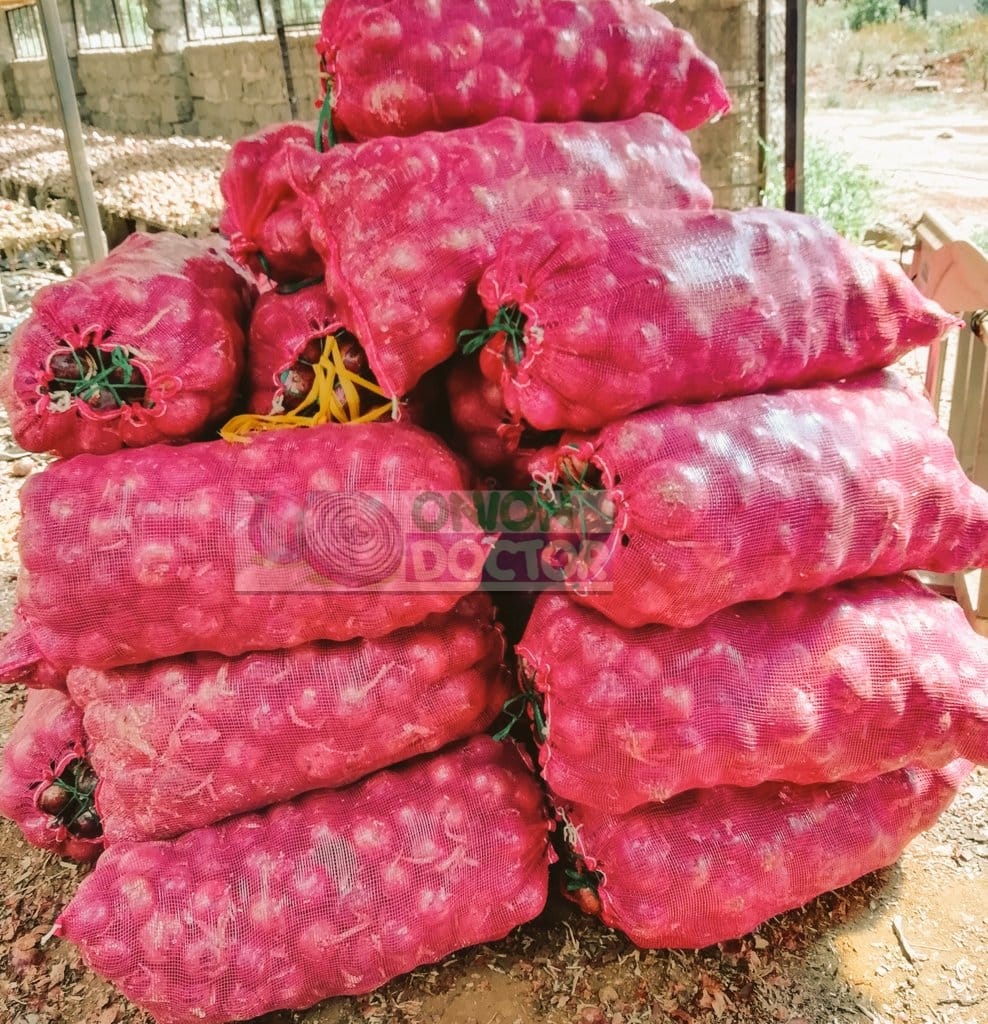
    • CuringAfter harvesting onions, it’s important to cure them before storage. Curing helps to dry out the outer layers of the onions and promotes better storage. Lay the harvested onions in a single layer in a well-ventilated and shaded area for about two to three weeks. Avoid exposing the onions to direct sunlight, as this can cause them to deteriorate.( refer to the cover photo)
    • Cleaning: Once the onions are properly cured, remove any excess soil or dirt by gently brushing or shaking them. Avoid washing the onions, as moisture can lead to spoilage during storage.
    •  Bulb Selection: Prioritize storing onions that are undamaged and free from cuts, bruises, or disease. Damaged onions are more prone to spoilage and can affect the quality of the surrounding onions during storage.
    • Storage Conditions: Onions should be stored in a cool, dry, and well-ventilated area.  
    • Regular Monitoring: Regularly check the stored onions for any signs of rot, mold, or sprouting. Remove any spoiled onions promptly to prevent the spread of deterioration.
    • Proper Handling: When handling stored onions, do so gently to minimize bruising or damage. Rough handling can increase the chances of spoilage.
    • Storage Containers: Use mesh bags, wooden crates, or well-ventilated containers for onion storage. These containers allow for airflow and help prevent moisture buildup. Avoid using plastic bags or airtight containers, as they can trap moisture and promote spoilage.


    Onion Doctor supports small holder farmers across Africa with quality and affordable Onion and Garlic seedlings, Onion seedlings, Farm planning services, Soil testing, Drip irrigation installation and maintenance, Agronomic support, Onion and Garlic value pack, Farm management, E-extension and on-farm training for farmers to optimize on yields and get maximum profits.
  • Onion Farming in Kenya: Average Farm Gate Price.

    Onion Farming in Kenya: Average Farm Gate Price.


    Are you in need of in-depth knowledge on onion and garlic production? If yes, we are a call away.  Contact us for: Onion seedlings, Garlic seedlings, Germinated garlic cloves, Farm planning services, Soil testing, training on onion and garlic growing, Drip irrigation installation and maintenance, Agronomic support, Onion and Garlic value pack and Farm management. For free consultation, placing orders or booking a visit with an agronomist, please contact us via Call or what’s app +254703982228, Email: Info@oniondoctor.co.ke. You can also check out our social media handles for daily updates on TikTok: https://www.tiktok.com/@oniondoctorke?_t=ZM-8wmsTu0qumO&_r=1 Instagram: https://www.instagram.com/oniondoctorke?igsh=MTVoaHF3aWUydTJzaQ==Facebook:https://www.facebook.com/share/16SwgYn2dG/ Youtube:https://youtube.com/@oniondoctorke?si=u5Jnd-r0qU9UDYqL and Twitter: https://x.com/OnionDoctorKe?t=FR3JXlS_oN1vjjUgAtfyzg&s=09


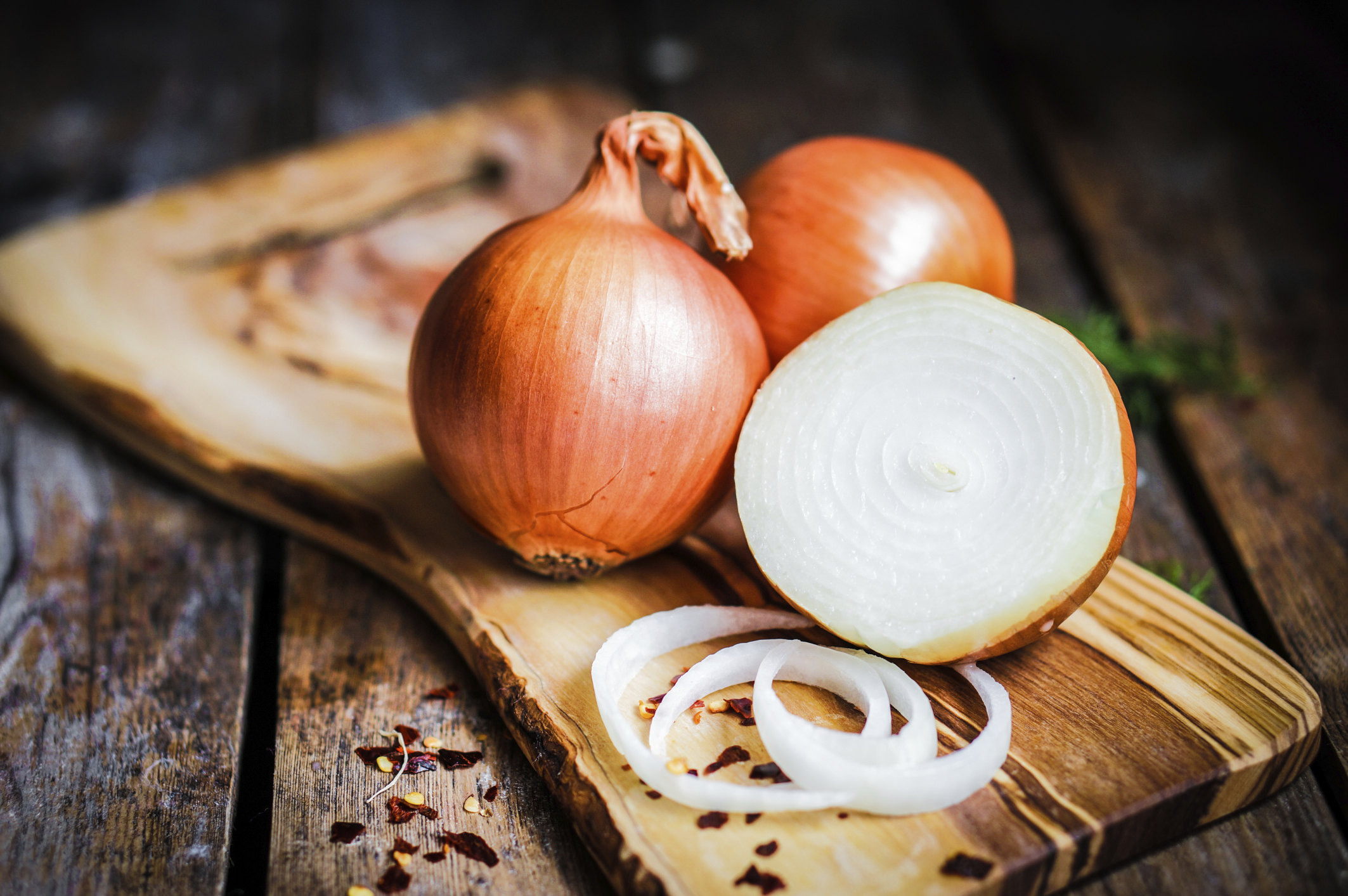
    The average farm gate price for onions in Kenya varies depending on factors such as the onion variety, quality, season, and market conditions. However, to provide a rough estimate, the farm gate price for onions in Kenya typically ranges from approximately 30 Kenyan Shillings to 90 Kenyan Shillings per kilogram.


    In the recent past, the Kenyan market has experienced extreme price variation, thus we recommend year round production to stay ahead and maximize profit.


    Onion Doctor supports small holder farmers across Africa with quality and affordable Onion and Garlic seedlings, Onion seedlings, Farm planning services, Soil testing, Drip irrigation installation and maintenance, Agronomic support, Onion and Garlic value pack, Farm management, E-extension and on-farm training for farmers to optimize on yields and get maximum profits.
  • What Is the Function of an Onion Cell?

    What Is the Function of an Onion Cell?

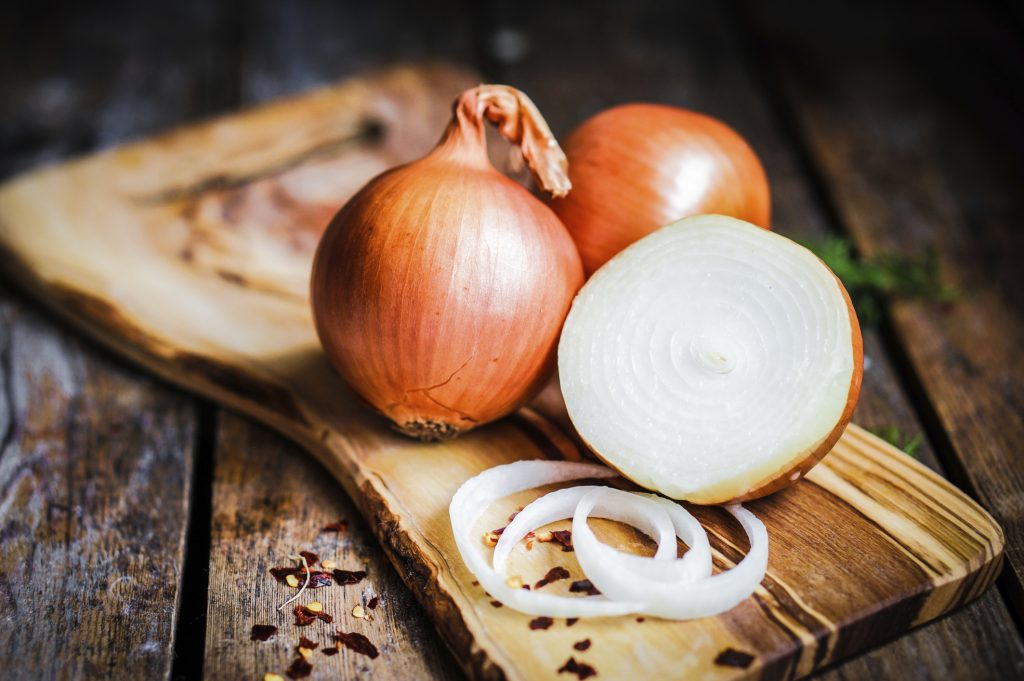
    Golden onions on rustic wooden background

    Are you in need of in-depth knowledge on onion and garlic production? If yes, we are a call away.  Contact us for: Onion seedlings, Garlic seedlings, Germinated garlic cloves, Farm planning services, Soil testing, training on onion and garlic growing, Drip irrigation installation and maintenance, Agronomic support, Onion and Garlic value pack and Farm management. For free consultation, placing orders or booking a visit with an agronomist, please contact us via Call or what’s app +254703982228, Email: Info@oniondoctor.co.ke. You can also check out our social media handles for daily updates on TikTok: https://www.tiktok.com/@oniondoctorke?_t=ZM-8wmsTu0qumO&_r=1 Instagram: https://www.instagram.com/oniondoctorke?igsh=MTVoaHF3aWUydTJzaQ==Facebook:https://www.facebook.com/share/16SwgYn2dG/ Youtube:https://youtube.com/@oniondoctorke?si=u5Jnd-r0qU9UDYqL and Twitter: https://x.com/OnionDoctorKe?t=FR3JXlS_oN1vjjUgAtfyzg&s=09

    The function of an onion cell is to organize the biological processes of an onion. The onion, like other complex organisms, has different cells. There are cells that make up its leaves and flowers, cells that make up the onion bulb and cells that make up its roots.

    The type of onion cell in the plant is determined by the proteins the cell produces. As in most living things, the onion’s DNA creates the blueprint for all the proteins the plant produces. As a plant cell, the onion cell is different from the cell of an animal. For one thing, it has a cell wall that surrounds the cell membrane, which an animal cell lacks. At least some kinds of onion cells have chloroplasts, which is where photosynthesis takes place. Photosynthesis creates fuel for the plant.

    An onion cell also has mitochondria, which are the power plants for the cell. Onion cells also have nuclei, which contains proteins, DNA and nucleoli. There are also Golgi bodies, which are flat bodies that prepare carbohydrates and proteins to be exported out of the cell. There are large, watery spaces called vacuoles and ribosomes. Ribosomes contain RNA, which copy the blueprints of proteins made by the DNA. Everything floats in a jelly-like substance called cytoplasm.

    Onion Doctor supports small holder farmers across Africa with quality and affordable Onion and Garlic seedlings, Onion seedlings, Farm planning services, Soil testing, Drip irrigation installation and maintenance, Agronomic support, Onion and Garlic value pack, Farm management, E-extension and on-farm training for farmers to optimize on yields and get maximum profits.
  • Onion Farming in Kenya; Spring Onion Farming in Kenya

    Onion Farming in Kenya; Spring Onion Farming in Kenya


    Are you in need of in-depth knowledge on onion and garlic production? If yes, we are a call away.  Contact us for: Onion seedlings, Garlic seedlings, Germinated garlic cloves, Farm planning services, Soil testing, training on onion and garlic growing, Drip irrigation installation and maintenance, Agronomic support, Onion and Garlic value pack and Farm management. For free consultation, placing orders or booking a visit with an agronomist, please contact us via Call or what’s app +254703982228, Email: Info@oniondoctor.co.ke. You can also check out our social media handles for daily updates on TikTok: https://www.tiktok.com/@oniondoctorke?_t=ZM-8wmsTu0qumO&_r=1 Instagram: https://www.instagram.com/oniondoctorke?igsh=MTVoaHF3aWUydTJzaQ==Facebook:https://www.facebook.com/share/16SwgYn2dG/ Youtube:https://youtube.com/@oniondoctorke?si=u5Jnd-r0qU9UDYqL and Twitter: https://x.com/OnionDoctorKe?t=FR3JXlS_oN1vjjUgAtfyzg&s=09


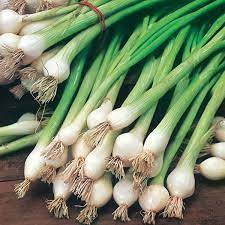
    Spring onions, also known as scallions or green onions, are popularly used in various culinary dishes and are in demand in Kenya. They are relatively easy to cultivate and can be a profitable crop for farmers with an acre yielding up-to 8 tonnes in 3.5 months. Here are some key points to consider for spring onion farming in Kenya:

    Varieties of Spring Onions Grown in Kenya

    • White lisbon.
    • Spring green bunching.
    • American flay.
    • Italian giant.

    Ecological Requirements for Growing Spring Onions

    • Light and well-drained soil with a pH of 6.0- 7.0.
    • Temperature range between 15-30°c.
    • Well distributed rainfall between 500-700mm.
    • Altitude of 500-2000m above sea level.

    Propagation


    Spring onions can be propagated directly by seeds or by first raising the seeds in a nursery then transplanted later. That take about 4 to 6 weeks in the nursery.

    Nursery Preparation & Planting


    The first step is to prepare raised beds about 1-meter-wide and furrows which should be 5 cm apart and 2cm deep. Apply organic manure/well-decomposed manure on the prepared land. You can also add phosphate fertilizers to enhance soil fertility. Plant the seeds in the furrows at a spacing of 15 cm apart. After planting, add a thin layer of mulch above the planted seeds. Germination will occur after about 10 days. At this stage, you can remove the mulch and place it above the seed bed to provide a partial shade.

    Transplanting


    Transplanting is done after 4-6 weeks of sowing, when the seedlings have developed thick bases and attained a height of 10-15 cm. It should be done early in the morning or late in the evening when it is still cool. Proper watering needs to be done before and after transplanting to provide enough moisture for the plants. 4 weeks after transplanting, topdressing should be done using CANAbout 90kg is enough for an acre.

    Pests and Diseases


    Common pests that attack spring onions include leaf miners, onion fly and onion thrips. Diseases include downy mildew, purple blotch, onion rust and fusarium wilt. The pests and diseases can be controlled by using recommended pesticides & insecticides, practicing proper field hygiene and crop rotation.

    Harvesting


    Spring onions take about 2 months to be ready for harvesting. They can be harvested once the leaves are green and succulent. Harvesting is done by simply uprooting the entire plant or lightly cutting the succulent leaves. One acre of land can yield about 8 tonnes of spring onions depending on the spacing used.

    The Market for Spring Onions in Kenya


    The market for spring onions in Kenya is very wide. Their demand is high in the local markets. They can be sold in open-air markets, local mama mboga stalls, groceries or supplied to institutions such as schools, hotels and restaurants.


    Onion Doctor supports small holder farmers across Africa with quality and affordable Onion and Garlic seedlings, Onion seedlings, Farm planning services, Soil testing, Drip irrigation installation and maintenance, Agronomic support, Onion and Garlic value pack, Farm management, E-extension and on-farm training for farmers to optimize on yields and get maximum profits.
  • Onion Farming in Kenya; Commercial Onion Farming in Kenya.

    Onion Farming in Kenya; Commercial Onion Farming in Kenya.


    Are you in need of in-depth knowledge on onion and garlic production? If yes, we are a call away. Our service chatter includes: Onion seedlings, Garlic seedlings, Farm planning services, Soil testing, Drip irrigation installation and maintenance, Agronomic support, Onion and Garlic value pack and Farm management. For free consultation, placing orders or booking a visit with an agronomist, please contact us via Call or WhatsApp +254703982228, Email: Info@oniondoctor.co.ke.

    Introduction:


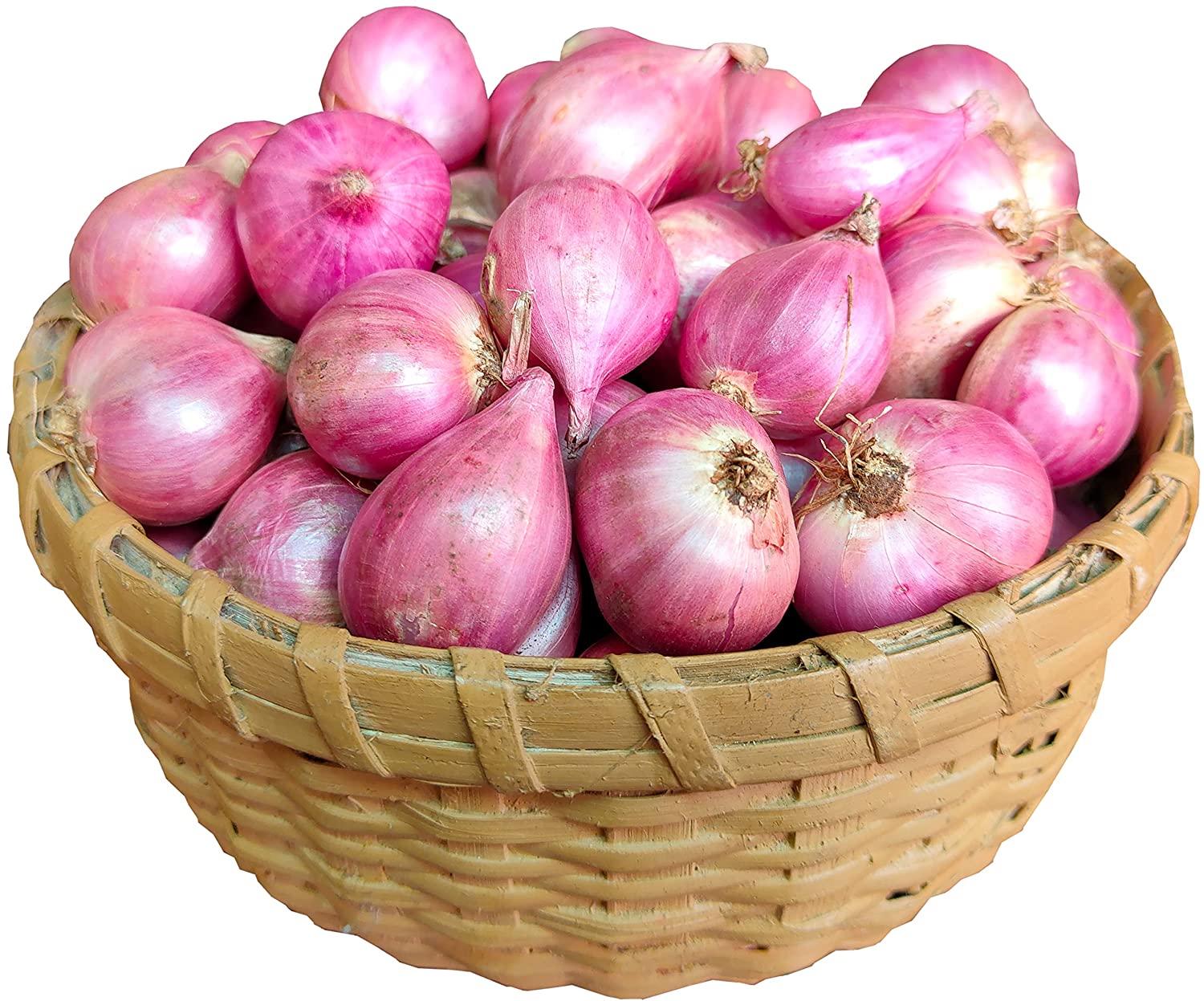
    Bulb Onion is one of the most widely grown & consumed vegetables in Kenya. It is a biennial plant but considered an annual because it is harvested in its first growing stage. It is a profitable crop. However, it requires a lot of labor during transplanting and weeding. It is an important spice for foods when cooked or served raw. It is rich in Calcium, Iron, Potassium, Vitamin B6 & B9, Vitamin E and has medicinal properties. Nearly each household consumes at least two bulb onions in a day. Bulb onions do well in a hot, low humid environment. The growing season has 6 weeks in the nursery and 12 weeks in the main field. They do well under irrigation, where optimization and precision is achieved. The market size is estimated to be 122 million tonnes per year (AFDB Data). The market/farm gate price ranges from Sh.25 Ksh-90 Ksh, depending on supply and demand forces. Only 30% of the onions consumed in Kenya are produced locally thus there’s a huge demand for production and trade.

    Common varieties


    Kenya is known for its diverse onion production, with several onion varieties grown throughout the country. The choice of onion variety depends on factors such as market demand, growing conditions, and desired characteristics. Here are some popular onion varieties grown in Kenya:

    •   Africa Red: Africa Red is a popular red onion variety in Kenya. It produces medium-sized bulbs with deep red skin and has a pungent flavor. This variety is well-suited for both fresh consumption and storage purposes.
    • Texas Grano 502 PRR: Texas Grano 502 PRR is a yellow onion variety widely grown in Kenya. It produces large bulbs with golden-brown skin and has a mild and sweet flavor. This variety is known for its good storage capabilities and is popular for cooking and processing.
    • Red Coach: Red Coach is a red onion variety that has gained popularity in Kenya. It produces medium to large-sized bulbs with dark red skin. Red Coach onions have a sweet and mild flavor, making them suitable for salads, sandwiches, and other culinary uses.
    • Neptune F1Neptune F1 is a hybrid onion variety that is gaining popularity in Kenya. It is a yellow onion variety known for its high yields and uniform bulb size. Neptune F1 onions have a mild and sweet flavor and are suitable for both fresh consumption and storage.
    • Red Creole: Red Creole is a red onion variety that performs well in Kenya’s climate. It produces medium-sized bulbs with reddish-brown skin and has a strong flavor. Red Creole onions are often used in cooking and can be stored for an extended period.
    • Bombay White: Bombay White is a white onion variety grown in Kenya. It produces medium to large-sized bulbs with white skin and has a mild and sweet flavor. This variety is suitable for fresh consumption and storage purposes.

    Optimal Ecological Requirements


    Altitude: Onion can be cultivated up to 1,900 m above sea level

    Rainfall: Onions require well-distributed rainfall of between 500 and 700 mm during the growing period. Dry spell is needed at maturity. However, when irrigation is factored in, onion can be grown any time of the year.


    Temperature: The optimum temperature for growth is 15 – 30°C . If the temperature exceeds 30°C , maturity is hastened & small bulbs are produced, consequently lowering the yields. When the temperature is low, growth is slowed or the plant may result in flowering. Cold weather is also associated with increased leaf diseases.


    Soil: Onions require fertile and well-drained soil. The optimum pH range is 6.0 – 6.8. Sandy to silty loams with fine tilth are adequate. We recommend conducting a soil test prior to planting so as to do the necessary soil corrections.

    Key pointers on production

    • Climate and Season: Onions thrive in cool, dry climates. The major onion-growing regions in Kenya include Kajiado, Nyeri, Mt. Elogon, Meru and Isiolo. The primary onion-growing season is from May to August, known as the long rains season. However, onions can also be grown during other seasons with proper irrigation.
    • Soil Preparation: Onions require well-drained soil with good organic content. Prepare the soil by plowing, harrowing, and removing weeds. Conduct a soil test to determine nutrient levels and adjust accordingly. Onions prefer a soil pH between 6.0 and 6.8.
    • Variety Selection: Select onion varieties suitable for commercial cultivation. Consult with your local agronomist or contact us to guide you through the selection of a variety suited to your local climate.
    • Seedling Production: Onion seeds are usually sown in seedbeds or trays. Start seedling production 6-8 weeks before the transplantation period. Provide adequate water and shade during seedling development. Transplant healthy and disease-free seedlings to the main field. We offer seed propagation services, nursery establishment and ready seedlings at very competitive prices.
    • Planting and Spacing: Prepare the field by creating ridges or raised beds. Plant onion seedlings at a spacing of 10-15 cm between plants and 20-30 cm between rows. Proper spacing allows bulbs to develop fully.
    • Crop Management: Onions require regular watering to maintain soil moisture, especially during dry periods. Weed management is crucial to prevent competition for nutrients and space. Apply organic or inorganic fertilizers based on soil test results and crop requirements. Onions are prone to diseases like onion thrips, downy mildew, and onion white rot, so implement appropriate pest and disease control measures. We offer spray and feeding programs that will guide a farmer throughout the growing period.
    • Harvesting and Storage: Harvest onions when the foliage turns yellow and starts to fall over. Lift the bulbs gently using a fork or spade. Cure the onions by leaving them in the field for 1-2 weeks to dry. After curing, store them in a cool, dry place with good ventilation to avoid spoilage. We have previously done a blog on how to store onions after planting to avoid post-harvest losses.
    https://www.oniondoctor.co.ke/blog/post-10
    • Market and Sales: Before starting onion farming, research the market demand and potential buyers. Consider selling to local markets, supermarkets, hotels, restaurants, or directly to wholesalers. Networking with other farmers and participating in farmers’ markets can also help in finding buyers.

    Profitability of Onion Farming/Acre


    The profit per acre in onion farming can vary depending on various factors such as yield, market prices, production costs, and management practices. It’s important to note that onion farming profitability is influenced by specific circumstances and market dynamics. However, we can provide you with a general estimate based on average yields and market prices.

    • Yield: The average yield of onions can vary depending on several factors, including variety, climate, soil fertility, and farming practices. In Kenya, with proper management, an average yield of 15 to 20 tons per acre is achievable for bulb onions.
    • Market Prices: Onion prices fluctuate throughout the year due to seasonal variations and market demand. The prices can also vary based on the quality, size, and market channel. In 2023, the average market price is 50 Ksh /kg.
    • Production costs: Include expenses such as land preparation, seed acquisition, labor, irrigation, fertilizers, pest and disease control, harvesting, storage, and marketing. The costs can vary depending on individual circumstances and management practices. Proper cost management and efficiency are essential to maximize profitability.


    Based on these factors, here’s a simplified example calculation of onion profit per acre: Estimated yield: 18 tons (18,000 kilograms) Market price: KES 50 per kilogram Total revenue: 18,000 kg x KES 50/kg = KES 900,000 Production costs: Let’s assume the production costs amount to KES 300,000 per acre. Profit: Total revenue – Production costs = KES 900,000 – KES 300,000 = KES 600,000


    Please note that this is a simplified example, and actual profitability can vary based on specific circumstances, market conditions, and individual farm management practices. It’s crucial to conduct a detailed financial analysis considering your specific costs, yields, and market prices to estimate the profitability accurately for your onion farming venture.


    Onion Doctor supports small holder farmers across Africa with quality and affordable Onion and Garlic seedlings, Onion seedlings, Farm planning services, Soil testing, Drip irrigation installation and maintenance, Agronomic support, Onion and Garlic value pack, Farm management, E-extension and on-farm training for farmers to optimize on yields and get maximum profits.
  • Onion Farming in Kenya: Post Harvest Losses in Onion Production.

    Onion Farming in Kenya: Post Harvest Losses in Onion Production.


    Are you in need of in-depth knowledge on onion and garlic production? If yes, we are a call away.  Contact us for: Onion seedlings, Garlic seedlings, Germinated garlic cloves, Farm planning services, Soil testing, training on onion and garlic growing, Drip irrigation installation and maintenance, Agronomic support, Onion and Garlic value pack and Farm management. For free consultation, placing orders or booking a visit with an agronomist, please contact us via Call or what’s app +254703982228, Email: Info@oniondoctor.co.ke. You can also check out our social media handles for daily updates on TikTok: https://www.tiktok.com/@oniondoctorke?_t=ZM-8wmsTu0qumO&_r=1 Instagram: https://www.instagram.com/oniondoctorke?igsh=MTVoaHF3aWUydTJzaQ==Facebook:https://www.facebook.com/share/16SwgYn2dG/ Youtube:https://youtube.com/@oniondoctorke?si=u5Jnd-r0qU9UDYqL and Twitter: https://x.com/OnionDoctorKe?t=FR3JXlS_oN1vjjUgAtfyzg&s=09


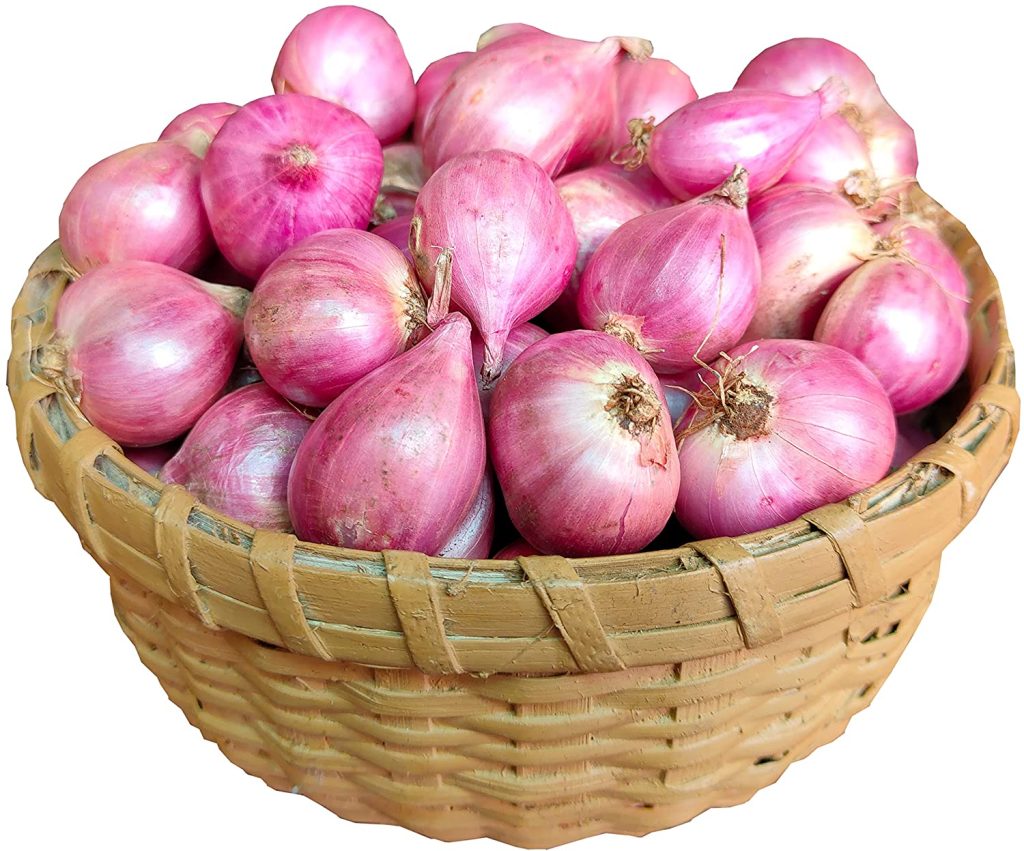
    Post-harvest losses in onion production can be a significant challenge in Kenya, as in many other countries. Several factors contribute to these losses. Here are some common causes of post-harvest losses in onion production in Kenya:

    • Improper Harvesting: Harvesting onions at the wrong stage of maturity or using inappropriate methods can lead to losses. Onions should be harvested when the foliage turns yellow and starts to fall over naturally. Improper handling during harvesting can cause mechanical damage to bulbs, making them susceptible to rot and decay.
    • Inadequate Curing: Curing is an essential step after harvesting onions. It involves drying the bulbs in a well-ventilated area to remove excess moisture and toughen the outer skins. Inadequate curing or improper storage conditions can result in high moisture content, leading to rot and sprouting.
    • Lack of Proper Storage Facilities:Onions should be kept at temperatures between 10-15°C and with relative humidity between 60-70%. This will help to preserve their freshness and quality, and to prevent them from rotting or sprouting. Another method of storage is grading and sorting the onions according to size, shape, and color.
    • Untimely application of nitrogenous fertilizer :Nitrogenous fertilizer should be applied from week 3 to week 4 after transplanting . Later application will lead to inferior bulb quality that is susceptible to rotting.
    • Pest and Disease Infestation: Onions are susceptible to pests and diseases both in the field and during storage. Common pests include onion thrips and onion maggots, while diseases such as downy mildew and onion white rot can cause significant losses. Lack of proper pest and disease management practices can result in reduced quality and quantity of onions.
    • Poor Packaging and Transportation: Improper packaging and transportation can lead to physical damage, bruising, and increased susceptibility to rot. Onions should be packed in appropriate containers that provide ventilation and protection. Rough handling during transportation can also result in losses.
    • Market Constraints: Inadequate market access, price fluctuations, and lack of proper storage and processing infrastructure can contribute to post-harvest losses. If farmers cannot sell their onions promptly or find suitable buyers, the quality and value of the produce may deteriorate.


    To minimize post-harvest losses in onion production in Kenya, the following measures can be taken:

    • Harvest onions at the appropriate stage of maturity and handle them gently to avoid damage.Onions should be well cured in the farm before harvesting.
    • Implement proper curing techniques to remove excess moisture from the bulbs.
    • Invest in proper storage facilities with controlled temperature, humidity, and ventilation.
    • Implement integrated pest and disease management practices to minimize losses from infestations.
    • Improve packaging and transportation methods to protect onions during handling and transit.
    • Strengthen market linkages, explore value addition opportunities, and improve access to markets.
    • Promote farmer education and training on post-harvest handling practices.


    We have done another blog illustrating how to avoid post harvest losses . Here is the link https://www.oniondoctor.co.ke/blog/post-3/


    Onion Doctor supports small holder farmers across Africa with quality and affordable Onion and Garlic seedlings, Onion seedlings, Farm planning services, Soil testing, Drip irrigation installation and maintenance, Agronomic support, Onion and Garlic value pack, Farm management, E-extension and on-farm training for farmers to optimize on yields and get maximum profits

  • Onion Farming in Kenya; Ways to Transport Onion in Kenya

    Onion Farming in Kenya; Ways to Transport Onion in Kenya


    Are you in need of in-depth knowledge on onion and garlic production? If yes, we are a call away.  Contact us for: Onion seedlings, Garlic seedlings, Germinated garlic cloves, Farm planning services, Soil testing, training on onion and garlic growing, Drip irrigation installation and maintenance, Agronomic support, Onion and Garlic value pack and Farm management. For free consultation, placing orders or booking a visit with an agronomist, please contact us via Call or what’s app +254703982228, Email: Info@oniondoctor.co.ke. You can also check out our social media handles for daily updates on TikTok: https://www.tiktok.com/@oniondoctorke?_t=ZM-8wmsTu0qumO&_r=1 Instagram: https://www.instagram.com/oniondoctorke?igsh=MTVoaHF3aWUydTJzaQ==Facebook:https://www.facebook.com/share/16SwgYn2dG/ Youtube:https://youtube.com/@oniondoctorke?si=u5Jnd-r0qU9UDYqL and Twitter: https://x.com/OnionDoctorKe?t=FR3JXlS_oN1vjjUgAtfyzg&s=09


    Transporting onions in Kenya requires careful handling to prevent damage and maintain their quality. Here are some common methods used for transporting onions:

    • Crates or Boxes: Onions can be packed in wooden or plastic crates or boxes. These containers should be sturdy and properly ventilated to allow air circulation and prevent moisture buildup. The onions should be arranged in layers, with appropriate padding or dividers between the layers to minimize movement and avoid bruising during transportation.
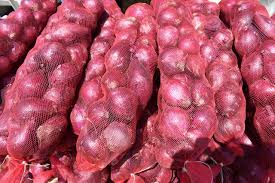
    • Mesh Bags: Onions can be placed in mesh bags, which allow for airflow and help maintain the quality of the bulbs. The bags should be strong enough to withstand handling and prevent the onions from falling out. Avoid overfilling the bags to prevent excessive pressure on the onions, which can lead to damage.
    • Jute or Sisal Bags: Traditional jute or sisal bags can also be used for transporting onions. These bags provide some airflow and protection while allowing excess moisture to escape. Ensure the bags are clean and in good condition to prevent contamination.
    • Ventilated Plastic Containers: Plastic containers with ventilation holes or slots can be suitable for transporting onions. These containers provide protection while allowing airflow to prevent moisture buildup. Ensure the containers are clean and in good condition to avoid any contamination during transportation.
    • Transportation Vehicles: Use clean and well-maintained transportation vehicles to prevent contamination or damage to the onions. Trucks or vans with proper ventilation are ideal for transporting onions in bulk. Secure the crates, bags, or containers properly within the vehicle to minimize movement and potential damage.
    • Temperature Control: Onions are generally not highly sensitive to temperature fluctuations, but it’s advisable to avoid extreme heat or cold during transportation. If possible, maintain a moderate temperature in the transportation vehicle to ensure the quality of the onions is preserved. Another important factor to consider when transporting onions is to ensure that the temperature during the transportation is maintained at the right level. Onions should be transported at temperatures between 10-15°C to prevent them from rotting or sprouting.
    • Handling Precautions: Handle onions with care during loading and unloading to minimize bruising and damage. Avoid dropping or throwing the onions, as this can lead to spoilage and reduced quality.


    Onion Doctor supports small holder farmers across Africa with quality and affordable Onion and Garlic seedlings, Onion seedlings, Farm planning services, Soil testing, Drip irrigation installation and maintenance, Agronomic support, Onion and Garlic value pack, Farm management, E-extension and on-farm training for farmers to optimize on yields and get maximum profits.
Scan the code
Call Now Button