
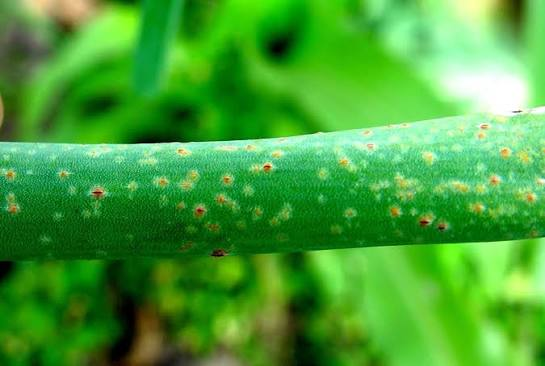
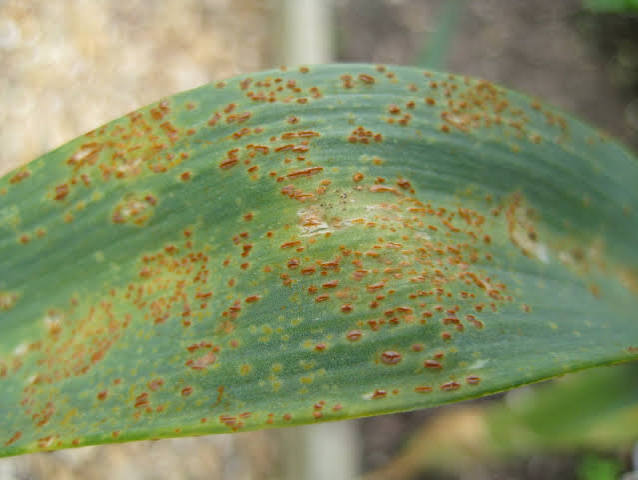
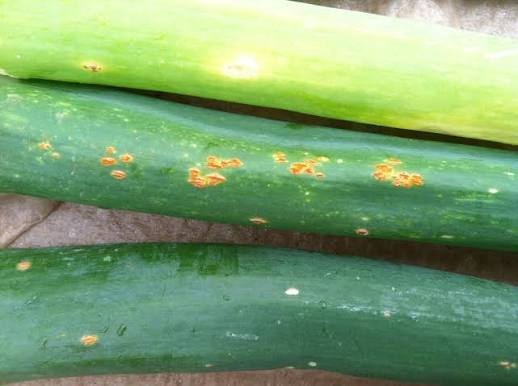
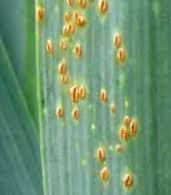
Onion farming in Kenya faces numerous challenges, but fungal diseases remain among the most destructive. Onion rust, caused by the fungus Puccinia allii, is a particularly aggressive pathogen that attacks the leaves of onion plants. For anyone involved in onion farming in Kenya, recognizing the early symptoms of this disease can mean the difference between a bountiful harvest and total crop failure.The disease first appears as small, orange-yellow pustules on the leaves. As the infection progresses, these pustules turn dark brown or black, severely reducing the photosynthetic capacity of the plant. Farmers practicing onion farming in Kenya often notice these symptoms during the wet season when humidity levels create perfect conditions for fungal proliferation.The impact on onion farming in Kenya cannot be overstated. Infected plants produce smaller bulbs, and in severe cases, the entire crop may become unmarketable. With the growing demand for onions in local markets and for export, protecting onion farming in Kenya from rust disease has become a national agricultural priority.
Why Onion Rust is Spreading in Kenyan Farms:
Several factors contribute to the increasing prevalence of rust in onion farming in Kenya. Climate change has altered rainfall patterns, creating extended periods of moisture that favor fungal growth. Additionally, many farmers engaged in onion farming in Kenya lack access to certified disease-free seeds, inadvertently introducing pathogens into their fields.Poor crop rotation practices also exacerbate the problem in onion farming in Kenya. When onions are planted continuously in the same field, soil-borne pathogens accumulate to dangerous levels. Experts recommend that onion farming in Kenya should follow a strict rotation schedule, ideally leaving at least three years between onion crops in the same field.Another contributing factor is the limited knowledge about integrated pest management among those practicing onion farming in Kenya. Many small-scale farmers rely solely on chemical interventions rather than adopting holistic approaches to disease prevention. Education and extension
Economic Impact on Onion Farming in Kenya:
The economic consequences of rust disease for onion farming in Kenya are staggering. Estimated yield losses range from 30% to 70% in severely affected farms. For a country where agriculture employs a significant portion of the population, the threat to onion farming in Kenya translates directly into food insecurity and lost income for farming families.Export markets are particularly sensitive to quality standards, and rust-infected onions often fail to meet international requirements. This means that onion farming in Kenya misses out on valuable foreign exchange earnings. Strengthening disease management protocols is essential if onion farming in Kenya is to compete in global markets.The cost of fungicides also places a heavy burden on farmers involved in onion farming in Kenya. Many smallholders cannot afford the recommended protective sprays, leaving their crops vulnerable. Government subsidies and cooperative purchasing programs could help make inputs more accessible for onion farming in Kenya.
Prevention Strategies for Onion Farming in Kenya:
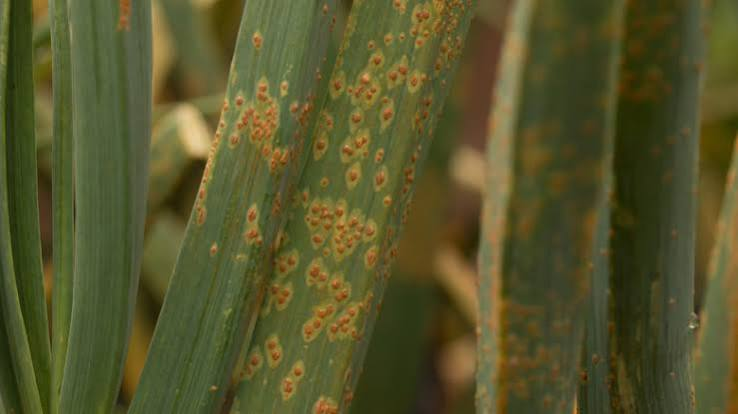
Prevention remains the most cost-effective approach for protecting onion farming in Kenya from rust disease. The first line of defense starts with selecting certified, disease-free seeds or seedlings. Reputable suppliers who understand the unique challenges of onion farming in Kenya can provide varieties with improved resistance.Proper spacing is another critical factor for successful onion farming in Kenya. Overcrowded plants create humid microclimates that encourage fungal growth. Experts recommend row spacing of 30-40 cm and plant spacing of 10-15 cm for optimal air circulation in onion farming in Kenya.Irrigation management plays a vital role in onion farming in Kenya. Overhead watering spreads spores and keeps foliage wet, creating ideal conditions for rust. Drip irrigation systems, though initially expensive, offer significant long-term benefits for onion farming in Kenya by delivering water directly to the root zone while keeping leaves dry.Regular field scouting should be standard practice in onion farming in Kenya. Farmers should inspect their crops at least twice weekly, looking for the characteristic pustules on older leaves. Early detection allows for timely intervention before the disease spreads throughout the entire onion farming in Kenya operation.Weed control is often overlooked in onion farming in Kenya, but many weed species serve as alternate hosts for rust fungi. Keeping fields clean eliminates potential reservoirs of infection. Mulching with organic materials can also suppress weeds while improving soil health for onion farming in Kenya.
Chemical and Biological Control Methods:
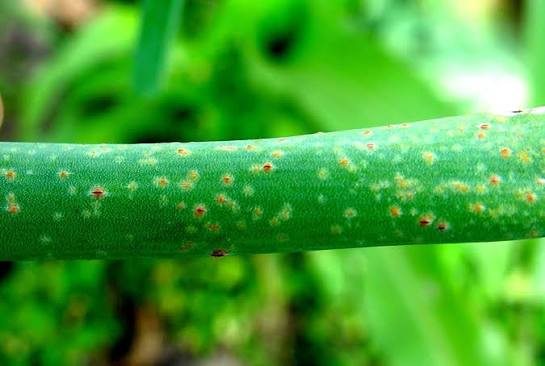
When preventive measures are insufficient, chemical control becomes necessary in onion farming in Kenya. Fungicides containing active ingredients like mancozeb, chlorothalonil, or propiconazole can effectively manage rust outbreaks. However, farmers practicing onion farming in Kenya must follow label instructions carefully to avoid resistance development and ensure food safety. Timing is everything when applying fungicides in onion farming in Kenya. Protective sprays should begin before symptoms appear, especially during wet weather periods. Once rust is established, curative applications may be less effective. Calendar-based spray programs are commonly used in commercial onion farming in Kenya. Biological control offers promising alternatives for sustainable onion farming in Kenya. Beneficial microorganisms such as Trichoderma species and Bacillus subtilis can suppress fungal pathogens through competition and antibiosis. Research institutions across Kenya are actively studying these biocontrol agents for use in onion farming in Kenya. Plant extracts and botanical pesticides also show potential for managing rust in onion farming in Kenya. Neem oil, garlic extracts, and other natural compounds possess antifungal properties that may help protect crops. While not as potent as synthetic chemicals, these options support organic onion farming in Kenya.
Conclusion:
Onion rust disease poses a serious threat, but it need not determine the fate of onion farming in Kenya. Through a combination of resistant varieties, proper cultural practices, timely chemical interventions, and supportive policies, farmers can protect their crops and livelihoods. The resilience of Kenyan agriculture has been proven time and again, and onion farming in Kenya is no exception.Every stakeholder has a role to play in securing the future of onion farming in Kenya. Farmers must adopt best practices, researchers must develop solutions, government must create enabling policies, and consumers must support local produce. Together, we can ensure that onion farming in Kenya continues to flourish for generations to come.Whether you are a seasoned commercial grower or a beginner starting your first plot, the principles outlined in this guide apply to all scales of onion farming in Kenya. Stay vigilant, stay informed, and stay committed to excellence in your agricultural endeavors. The potential of onion farming in Kenya is limited only by our collective willingness to invest in its success.As global food systems face increasing pressure, the importance of local production intensifies. Onion farming in Kenya contributes not just to food security but to economic empowerment and rural development. Protecting this sector from threats like rust disease is a national imperative.The journey toward sustainable onion farming in Kenya requires patience, investment, and continuous learning. No single solution will eliminate rust disease, but integrated approaches offer the best path forward. Farmers who embrace innovation while respecting traditional wisdom will lead onion farming in Kenya into a prosperous future.We invite you to share your experiences with rust management in the comments below. Your insights could help fellow farmers improve their onion farming in Kenya. Subscribe to our blog for more expert advice on crop protection and agricultural best practices tailored for onion farming in Kenya.Remember, healthy onions start with informed farmers. By applying the knowledge shared in this article, you are taking an important step toward safeguarding your onion farming in Kenya against rust and other challenges. The harvest you protect today is the livelihood you secure for tomorrow.
Thank you for reading, and may your onion farming in Kenya be blessed with abundant, disease-free
Are you in need of in-depth knowledge on onion and garlic production? If yes, we are a call away. Contact us for: Onion seedlings, Garlic seedlings, Germinated garlic cloves, Farm planning services, Soil testing, training on onion and garlic growing, Drip irrigation installation and maintenance, Agronomic support, Onion and Garlic value pack and Farm management. For free consultation, placing orders or booking a visit with an agronomist, please contact us via Call or what’s app +254703982228, Email: info@oniondoctor.co.ke You can also check out our social media handles for daily updates on TikTok: https://www.tiktok.com/@oniondoctorke0706252490?_r=1&_t=ZS-96UPUyx6ESL Instagram:https://www.instagram.com/oniondoctorke?igsh=MW5sZzJ6c3BnZ3Z0dw==Facebook:https://www.facebook.com/share/1HouRgLCwS/Twitter:https://x.com/OnionDoctorKe?s=20