
If you’re searching for a high-value crop with consistent market demand, onion farming in Kenya stands out as one of the most profitable agribusiness ventures today. With Kenya consuming over 500,000 metric tons of onions annually and local production struggling to meet demand, the opportunity for farmers has never been better. Whether you’re a beginner or an experienced grower, understanding the cost structure of onion farming in Kenya is the first step toward building a sustainable income stream. The beauty of onion farming in Kenya lies in its relatively short growing cycle, high market prices, and ability to thrive in diverse climatic zones from Naivasha to Kajiado, Meru to Bungoma. However, many aspiring farmers fail because they underestimate the input costs. This comprehensive guide breaks down every shilling you’ll spend on onion farming in Kenya, so you can plan, budget, and profit.
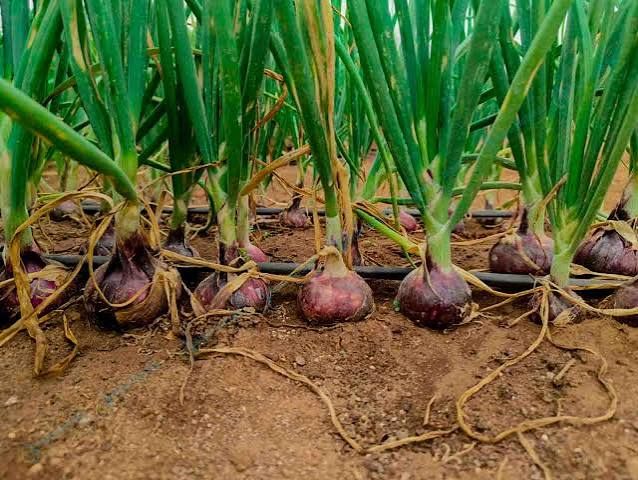
Why Invest in Onion Farming in Kenya?
Before diving into the numbers, let’s explore why onion farming in Kenya deserves your attention:
- High Demand, Low Supply: Kenya imports onions from Tanzania to bridge the gap. Local onion farming in Kenya reduces this dependency while putting money in farmers’ pockets.
- Short Maturity Period: Most varieties mature in 3–4 months, allowing for multiple cycles per year.
- Excellent Returns: A well-managed acre can yield 15,000–20,000 kg, selling at KES 30–80 per kg depending on the season.
- Export Potential: Quality onions from onion farming in Kenya meet regional standards for Uganda, Rwanda, and even the Middle East.
- Low Land Requirement: You don’t need hundreds of acres. Onion farming in Kenya is highly scalable, starting with just one acre.
Complete Cost Breakdown for Onion Farming in Kenya (Per Acre):
Understanding the financial investment required for onion farming in Kenya helps you avoid cash flow problems mid-season. Below is a detailed cost estimate for one acre based on 2026 market rates in Kenya.
1. Land Preparation Costs:
| Item | Cost (KES) |
|---|---|
| Ploughing (tractor) | 6,000 – 8,000 |
| Harrowing | 4,000 – 5,500 |
| Ridging / Bed Formation | 3,500 – 5,000 |
| Subtotal | 13,500 – 18,500 |
Proper land preparation is non-negotiable in onion farming in Kenya. Onions thrive in well-drained, fertile loam soils with a pH of 6.0–6.8. Skipping this step leads to poor bulb formation and devastating losses.
2. Seed/Seedling Costs:
Table
| Item | Cost (KES) |
|---|---|
| Certified onion seeds (e.g., Red Creole, Bombay Red, Texas Early Grano) | 30,000 – 55,000 |
| Seedling trays & media (if raising nurseries) | 4,000 – 6,000 |
| Subtotal | 34,000 – 61,000 |
Seed choice is critical in onion farming in Kenya. Hybrid seeds cost more upfront but offer superior yields, disease resistance, and uniformity. Open-pollinated varieties like Red Creole are cheaper and popular among small-scale farmers practicing onion farming in Kenya.
3. Fertilizer & Soil Amendment Costs:
Table
| Item | Cost (KES) |
|---|---|
| DAP / planting fertilizer (1–2 bags) | 8,000 – 10,000 |
| CAN / top-dressing fertilizer (2–3 bags) | 6,000 – 9,000 |
| Compost / manure (optional but recommended) | 5,000 – 9,000 |
| Subtotal | 19,000 – 28,000 |
Soil fertility management separates successful onion farming in Kenya from failed projects. Onions are heavy feeders, especially during the bulb development stage.
4. Irrigation Costs:
| Item | Cost (KES) |
|---|---|
| Drip irrigation kit | 170,000 – 200,000 |
| Water pumping (fuel/electricity for 3–4 months) | 6,000 – 12,000 |
| Subtotal | 176,000 – 212,000 |
Water is the lifeline of onion farming in Kenya. Drip irrigation is highly recommended for water efficiency and disease prevention. Areas with reliable rainfall may spend less, but irrigation gives you control essential for commercial onion farming in Kenya.
5. Pest & Disease Control Costs:
| Item | Cost (KES) |
|---|---|
| Fungicides (downy mildew, purple blotch) | 5,000 – 8,000 |
| Insecticides (thrips, onion flies) | 4,500 – 6,000 |
| Spraying labor & equipment | 4,000 – 6,500 |
| Subtotal | 13,500 – 20,500 |
Thrips are the number one enemy of onion farming in Kenya. Early detection and consistent spraying protect your investment.
6. Labor Costs:
| Item | Cost (KES) |
|---|---|
| Nursery management | 6,000 – 8,000 |
| Transplanting | 5,000 – 10,000 |
| Weeding (2–3 times) | 5,000 – 8,000 |
| Spraying & scouting | 3,000 – 5,000 |
| Harvesting & sorting | 5,000 – 8,000 |
| Subtotal | 24,000 – 39,000 |
Labor is a significant component of onion farming in Kenya. Hiring experienced workers improves transplanting survival rates and harvest quality.
7. Miscellaneous Costs:
| Item | Cost (KES) |
|---|---|
| Transportation of inputs | 2,000 – 4,000 |
| Packaging materials (sacks, crates) | 3,000 – 6,000 |
| Extension services / agronomist consultation | 2,000 – 5,000 |
| Subtotal | 7,000 – 15,000 |
Revenue & Profit Potential in Onion Farming in Kenya:
Now for the exciting part returns. Here’s what successful onion farming in Kenya can generate:
| Metric | Conservative | Optimistic |
|---|---|---|
| Yield per acre | 15,000 kg | 25,000 kg |
| Farm-gate price per kg | KES 35 | KES 60 |
| Gross Revenue | KES 525,000 | KES 1,500,000 |
| Less: Total Costs | (250,000) | (350,000) |
| Net Profit | KES 275,000 | KES 1,150,000 |
These figures explain why onion farming in Kenya is attracting serious investors. Even under conservative assumptions, you can triple your investment in under four months.
Step-by-Step Guide to Successful Onion Farming in Kenya:
Step 1: Site Selection:
Choose well-drained land with full sunlight. Avoid fields previously planted with crops in the allium family. Proper site selection is foundational to profitable onion farming in Kenya.
Step 2: Nursery Establishment:
Raise seedlings for 6–8 weeks before transplanting. Many failures in onion farming in Kenya stem from poor nursery management.
Step 3: Transplanting:
Transplant 4–6 week-old seedlings at a spacing of 30 cm between rows and 15 cm between plants. This gives you approximately 150,000–200,000 plants per acre optimal for high-yield onion farming in Kenya.
Step 4: Fertilizer Application:
Apply DAP at planting, then top-dress with CAN at 3 and 6 weeks after transplanting. Balanced nutrition is non-negotiable for onion farming in Kenya.
Step 5: Water Management:
Maintain consistent soil moisture, especially during bulb formation. Reduce watering 2–3 weeks before harvest to improve storage quality. Smart irrigation defines successful onion farming in Kenya.
Step 6: Pest & Disease Management:
Scout weekly. Thrips, downy mildew, and purple blotch are the main threats to onion farming in Kenya. Use integrated pest management (IPM) to minimize chemical residues.
Step 7: Harvesting & Curing:
Harvest when 50–80% of leaves have toppled. Cure under shade for 7–10 days to improve shelf life. Proper post-harvest handling distinguishes professional onion farming in Kenya from amateur efforts.
Common Challenges in Onion Farming in Kenya:
Even with excellent planning, onion farming in Kenya faces hurdles:
- Unpredictable Weather: Droughts and erratic rainfall affect rain-fed onion farming in Kenya.
- Pest Pressure: Thrips can destroy entire fields if not controlled early.
- Market Fluctuations: Prices crash during peak harvest seasons. Timing is everything in onion farming in Kenya.
- Post-Harvest Losses: Poor storage leads to 20–40% losses. Investing in proper curing and storage transforms onion farming in Kenya from a gamble into a business.
- Counterfeit Inputs: Fake seeds and fertilizers plague onion farming in Kenya. Buy only from certified dealers like Onion Doctor.
Are you in need of in-depth knowledge on onion and garlic production? If yes, we are a call away. Contact us for: Onion seedlings, Garlic seedlings, Germinated garlic cloves, Farm planning services, Soil testing, training on onion and garlic growing, Drip irrigation installation and maintenance, Agronomic support, Onion and Garlic value pack and Farm management. For free consultation, placing orders or booking a visit with an agronomist, please contact us via Call or what’s app +254703982228, Email: info@oniondoctor.co.ke You can also check out our social media handles for daily updates on TikTok: https://www.tiktok.com/@oniondoctorke0706252490?_r=1&_t=ZS-96UPUyx6ESL Instagram:https://www.instagram.com/oniondoctorke?igsh=MW5sZzJ6c3BnZ3Z0dw==Facebook:https://www.facebook.com/share/1HouRgLCwS/Twitter:https://x.com/OnionDoctorKe?s=20