
Kenya’s agricultural sector faces a critical challenge: water scarcity. With unpredictable rainfall patterns and growing demand for food, farmers across the country are turning to drip irrigation as the ultimate solution. Drip irrigation in Kenya isn’t just a trend it’s a transformative technology that’s helping smallholder farmers and large-scale agricultural operations alike achieve consistent harvests regardless of weather conditions. In this comprehensive guide, we’ll explore everything you need to know about drip irrigation systems, from initial setup costs to long-term profitability. Whether you’re growing tomatoes in Nakuru, mangoes in Mombasa, or flowers in Naivasha, drip irrigation offers a precise, efficient way to deliver water directly to your crops’ root zones.
What is Drip Irrigation?
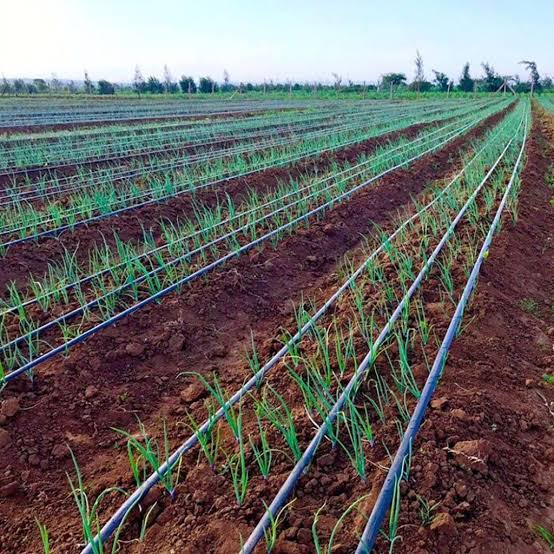
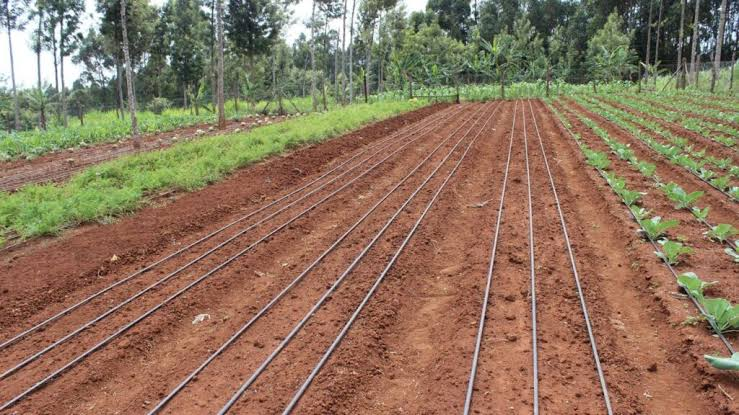
Drip irrigation is a micro-irrigation method that delivers water slowly and directly to the base of each plant through a network of valves, pipes, tubing, and emitters. Unlike traditional flood or sprinkler systems, drip irrigation minimizes water waste by targeting only the root zone.The beauty of drip irrigation lies in its precision. Every drop counts, and in a water-stressed country like Kenya, this efficiency translates directly into higher profits and sustainable farming practices.
7 Powerful Benefits of Drip Irrigation for Kenyan Farmers:
1. Massive Water Savings:
Drip irrigation uses up to 60% less water compared to conventional irrigation methods. For Kenyan farmers dealing with erratic rains, drip irrigation ensures that every liter of water reaches the plant instead of evaporating or running off.
2. Higher Crop Yields:
Farmers using drip irrigation consistently report yield increases of 20-50%. By maintaining optimal soil moisture, drip irrigation creates the perfect growing environment for high-value crops like tomatoes, capsicum, onions, and French beans.
3. Reduced Weed Growth:
Since drip irrigation delivers water only to the crop root zone, the spaces between rows remain dry. This significantly suppresses weed germination, saving farmers countless hours of labor and reducing herbicide costs.
4. Precision Fertigation:
Modern drip irrigation systems allow farmers to inject fertilizers directly into the irrigation lines a process called fertigation. This means nutrients are delivered precisely when and where plants need them, maximizing absorption efficiency.
5. Disease Prevention:
Wet foliage is a breeding ground for fungal diseases. Because drip irrigation applies water at soil level, leaves stay dry, dramatically reducing the incidence of blights, mildews, and other moisture-related diseases.
6. Farming on Sloped Terrain:
Kenya’s diverse topography includes many hilly regions where traditional irrigation is impossible. Drip irrigation works effectively on slopes because the slow application rate prevents runoff and soil erosion.
7. Year-Round Production:
With drip irrigation, Kenyan farmers are no longer at the mercy of rainy seasons. Drip irrigation enables continuous cultivation, allowing farmers to supply markets during off-peak seasons when prices are highest.
Popular Crops for Drip Irrigation in Kenya:
Drip irrigation is versatile enough to support virtually any crop, but some Kenyan favorites particularly thrive with this technology:
- Tomatoes: Perhaps the most popular drip irrigation crop in Kenya, greenhouse and open-field tomatoes achieve exceptional quality and quantity with consistent moisture.
- Capsicum (Pili Pili Hoho):Drip irrigation prevents blossom end rot and ensures uniform fruit development.
- Onions: These shallow-rooted crops benefit enormously from the frequent, light watering that drip irrigation provides.
- French Beans and Snow Peas: Export-oriented farmers rely on drip irrigation to meet the strict quality standards of European markets.
- Passion Fruit: This high-value crop thrives under drip irrigation, producing larger, sweeter fruits.
Cost of Drip Irrigation in Kenya (2026):
One of the most common questions Kenyan farmers ask is: “How much does drip irrigation cost?”The investment for drip irrigation varies based on farm size, crop type, and system complexity:
| Farm Size | Approximate Cost (KES) | Crops Suitable |
|---|---|---|
| 1/8 acre | 15,000 – 35,000 | Kitchen garden, tomatoes |
| 1/4 acre | 40,000 – 70,000 | Vegetables, onions |
| 1/2 acre | 80,000 – 150,000 | Mixed vegetables, capsicum |
| 1 acre | 170,000 – 200,000 | Commercial tomatoes, beans |
| 5+ acres | Custom quotation | Large-scale operations |
While the upfront cost of drip irrigation may seem significant, most Kenyan farmers recover their investment within one to two growing seasons through water savings, increased yields, and reduced labor costs. Many agricultural finance institutions now offer loans specifically for drip irrigation equipment, making it more accessible than ever.
Step-by-Step: Setting Up Your Drip Irrigation System:
Step 1: Water Source Assessment:
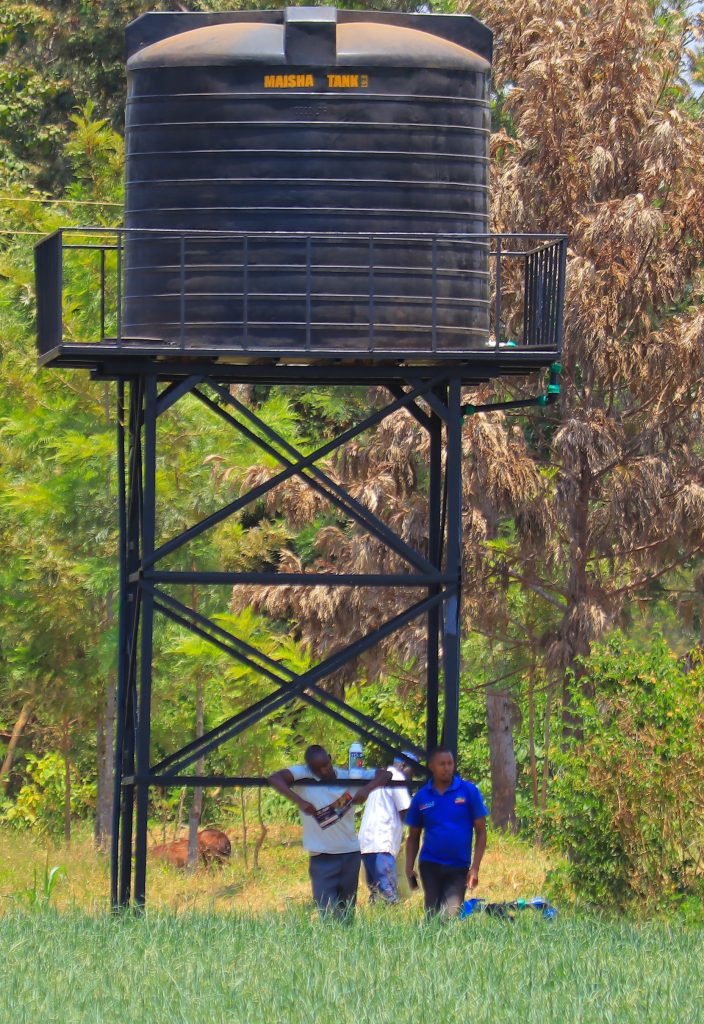
Every successful drip irrigation system starts with a reliable water source. This could be a borehole, river, dam, or rainwater harvesting tank. Ensure your source can supply sufficient water for your drip irrigation needs.
Step 2: Water Quality Testing:
Drip irrigation emitters can clog if water contains high levels of sediment or minerals. Test your water and install appropriate filters this is critical for maintaining your drip irrigation system long-term.
Step 3: System Design:
Map your farm and design the drip irrigation layout. Consider crop spacing, topography, and water pressure. Many drip irrigation suppliers in Kenya offer free design services with purchase.
Step 4: Installation:
Lay your mainlines, sub-mainlines, and lateral drip irrigation lines. Install filters, pressure regulators, and valves. If you’re new to drip irrigation, consider hiring a professional installer for the first setup.
Step 5: Testing and Calibration:
Before planting, run your drip irrigation system and check every emitter. Adjust pressure and flow rates to ensure uniform water distribution across the entire farm
Step 6: Operation and Monitoring:
Once crops are established, monitor soil moisture regularly. The best drip irrigation farmers in Kenya use simple soil moisture sensors or even just their finger to test to ensure plants receive adequate water.
Maintenance Tips for Long-Lasting Drip Irrigation:
To maximize the lifespan of your drip irrigation investment:
- Flush the system weekly to prevent sediment buildup in drip irrigation lines.
- Clean filters regularly clogged filters are the number one cause of drip irrigation failure.
- Check emitters monthly for blockages and replace any that are malfunctioning.
- Store components properly during off-seasons; UV exposure degrades drip irrigation tubing over time.
- Winterize if applicable though Kenya’s climate is generally favorable, protect your drip irrigation system during unusually cold periods.
- Use quality fertilizers that are compatible with drip irrigation to prevent chemical precipitation and clogging.
Are you in need of in-depth knowledge on onion and garlic production? If yes, we are a call away. Contact us for: Onion seedlings, Garlic seedlings, Germinated garlic cloves, Farm planning services, Soil testing, training on onion and garlic growing, Drip irrigation installation and maintenance, Agronomic support, Onion and Garlic value pack and Farm management. For free consultation, placing orders or booking a visit with an agronomist, please contact us via Call or what’s app +254703982228, Email: info@oniondoctor.co.ke You can also check out our social media handles for daily updates on TikTok: https://www.tiktok.com/@oniondoctorke0706252490?_r=1&_t=ZS-96UPUyx6ESL Instagram:https://www.instagram.com/oniondoctorke?igsh=MW5sZzJ6c3BnZ3Z0dw==Facebook:https://www.facebook.com/share/1HouRgLCwS/Twitter:https://x.com/OnionDoctorKe?s=20