
If there is one challenge that keeps Kenyan onion growers awake at night, it is weeds. Onion farming in Kenya has grown into one of the most profitable horticultural ventures, yet many farmers watch their potential profits vanish because of poor weed management. Onions are notoriously weak competitors against weeds due to their upright, slender leaves that barely shade the soil surface. This makes onion farming in Kenya particularly vulnerable to weed infestations that steal nutrients, water, and sunlight from your crop. Whether you are a smallholder in Kajiado, a commercial grower in Nakuru, or an emerging farmer in Meru, understanding how to control weeds is the difference between harvesting 20 tons per acre and losing your entire investment. In this comprehensive guide, we dive deep into everything you need to know about weed management in onion farming in Kenya from identifying the enemy to deploying the most effective control strategies.
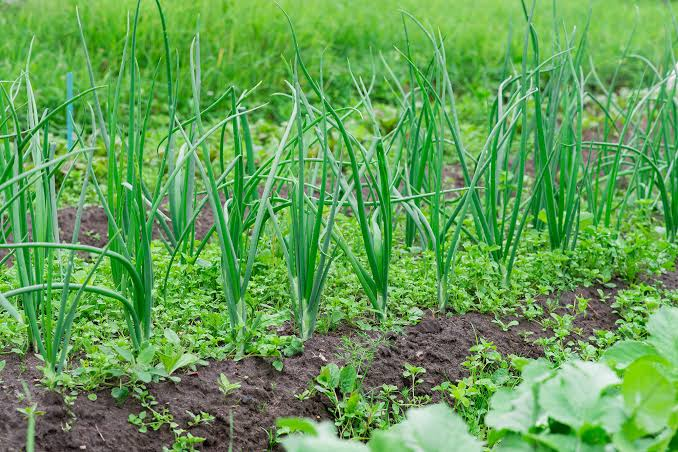
The Most Common Weeds Attacking Onion Farms in Kenya:
Understanding your enemy is the first step to defeating it. In onion farming in Kenya, several weed species consistently cause problems across different agro-ecological zones. Here are the worst offenders:
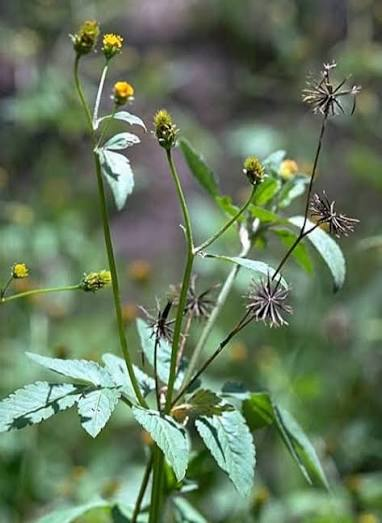
1. Blackjack (Bidens pilosa):
Blackjack is arguably the most widespread weed in onion farming in Kenya. This fast-growing annual weed germinates quickly and produces seeds that stick to clothing, equipment, and animals, spreading rapidly across farms. It competes aggressively for nutrients and can harbor pests that later attack onion crops.
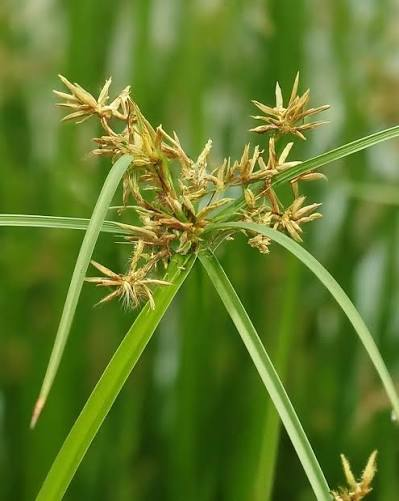
2. Nutgrass (Cyperus spp.):
Nutgrass is especially prevalent in irrigated onion farming in Kenya. This perennial sedge reproduces through underground tubers, making it extremely difficult to control with hand weeding alone. Once established in onion fields, nutgrass can form dense mats that choke young onion seedlings.
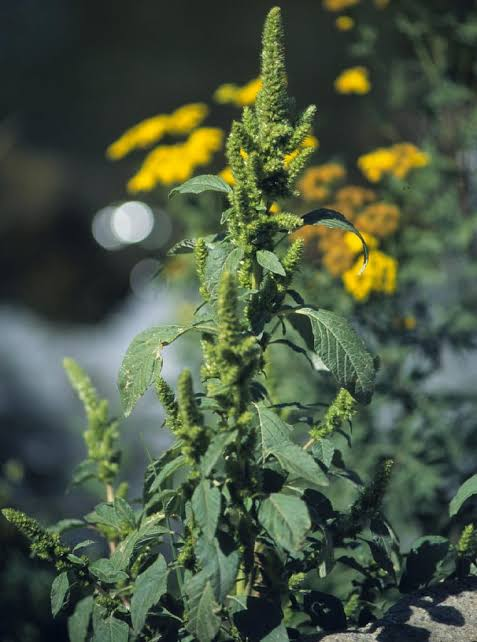
3. Pigweed:
Pigweed is a highly aggressive, fast-growing annual with red upright stems and soft green leaves. It germinates year-round and produces massive quantities of tiny black seeds. In onion farming in Kenya, pigweed is particularly problematic because it develops resistance to common herbicides quickly.
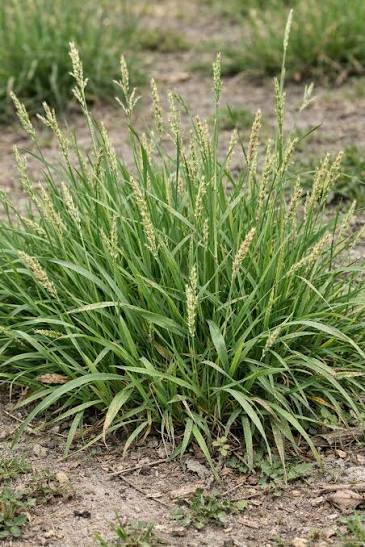
4.Couch Grass:
This perennial grass spreads through stolons and rhizomes, forming dense mats that compete fiercely with onions for water and nutrients. It is a major constraint in onion farming in Kenya, especially in areas with consistent irrigation.
The Critical Weed-Free Window: First 6 Weeks:
The most important principle in onion farming in Kenya is this: keep your field weed-free during the first six weeks after transplanting. This period is when onion plants are establishing their root systems and developing their first true leaves. Any competition during this window permanently stunts bulb development .Studies in onion farming in Kenya have shown that weeding every two weeks during the early growth stage can increase yields to approximately 10 tons per hectare, while poor weed control can drop yields below 2 tons per hectare. The message is clear early and consistent weed management is non-negotiable for successful onion farming in Kenya.
Weed Management Strategies for Onion Farming in Kenya:
Effective weed control in onion farming in Kenya requires an integrated approach that combines cultural, chemical, mechanical, and preventive methods. No single strategy works alone.
1. Land Preparation: Your First Defense:
Before you even plant your onions, the battle against weeds begins. Proper land preparation is the foundation of successful onion farming in Kenya:
- Clear all existing vegetation at least 3–4 weeks before planting.
- Plough deeply to expose weed seeds and perennial roots to sunlight, which kills them.
- Harrow thoroughly to break clods and create a fine tilth.
- Apply a non-selective herbicide during land preparation to kill all emerged weeds.
Farmers who invest time in proper land preparation see significantly lower weed pressure throughout the season. This is a proven best practice in commercial onion farming in Kenya.
2. Cultural Weed Control Methods:
Cultural practices are cost-effective and environmentally friendly ways to suppress weeds in onion farming in Kenya:
- a) Proper Spacing: Plant onions at 10 cm between plants and 20–30 cm between rows. This spacing allows bulbs to expand while improving air circulation. More importantly, proper spacing enables the onion canopy to close faster, shading out weeds naturally.
- b) Mulching: Mulching is one of the most effective organic weed control methods in onion farming in Kenya .Mulch suppresses weed germination, retains soil moisture, and regulates soil temperature.
- c) Crop Rotation: Avoid planting onions in the same field season after season. Rotate with non-allium crops such as maize, beans, or legumes. This breaks weed cycles and reduces the buildup of onion-specific pests and diseases. Crop rotation is a cornerstone of sustainable onion farming in Kenya.
- ) Use of Certified Seeds: Certified seeds produce vigorous, uniform seedlings that establish quickly and compete better against weeds. Weak, diseased seedlings are easily overwhelmed by weeds. Always buy certified seeds and seedlings from reputable suppliers like Onion Doctor for successful onion farming in Kenya.
3.Chemical Weed Control: Herbicides That Work:
Herbicides are the most popular weed control method in large-scale onion farming in Kenya because they are fast, effective, and reduce labor costs. However, using the wrong herbicide or applying it incorrectly can damage your crop or fail to control weeds.
Important: Always read herbicide labels carefully. Onions are sensitive to many chemicals. Applying the wrong product at the wrong stage can destroy your crop. This is one of the most common mistakes in onion farming in Kenya.
4. Mechanical Weed Control:
Hand weeding and shallow cultivation remain important in onion farming in Kenya, especially for smallholder farmers who may not afford herbicides. However, onions have shallow, fibrous root systems that are easily damaged by deep cultivation.
Best practices for mechanical weeding:
- Weed shallowly never go deeper than 5 cm.
- Weed when the soil is slightly moist to avoid breaking roots.
- Remove weeds before they set seed.
- Focus on the critical first 6–8 weeks after transplanting.
Integrated Weed Management (IWM): The Winning Formula:
The most successful practitioners of onion farming in Kenya do not rely on a single method. Instead, they use Integrated Weed Management (IWM) a combination of strategies tailored to their specific farm conditions.
A typical IWM program for onion farming in Kenya looks like this:
- Pre-planting: Clear field, deep plough and harrow.
- At transplanting: Apply pre-emergence herbicide.
- Weeks 1–2 after transplanting: Scout for emerged weeds; apply post-emergence herbicide if needed.
- Weeks 3–6: Hand weed or cultivate shallowly between rows.
- Weeks 6–8: Apply mulch or conduct second hand weeding.
- Bulbing stage: Minimize disturbance; allow canopy to suppress late weeds.
This layered approach ensures that even if one method fails, others provide backup protection. IWM is the gold standard for profitable onion farming in Kenya.
The Hidden Costs of Poor Weed Management:
Many farmers underestimate the financial impact of weeds. In onion farming in Kenya, the costs extend far beyond yield loss:
- Increased pest pressure: Weeds like blackjack and pigweed harbor thrips, aphids, and cutworms that later migrate to onion plants.
- Disease spread: Dense weed growth creates humid microclimates that favor fungal diseases like downy mildew and purple blotch.
- Harvest contamination: Weed seeds and debris reduce the quality grade of harvested onions, lowering market prices.
- Higher labor costs: Delayed weeding requires more labor and often damages onion roots in the process.
For a crop where profit margins are already tight, these hidden costs can turn a promising season into a financial disaster. Smart onion farming in Kenya means never letting weeds gain the upper hand.
Common Weed Control Mistakes in Onion Farming in Kenya:
Even experienced farmers make errors that cost them dearly. Here are the most frequent mistakes in onion farming in Kenya:
- Delaying the first weeding: Waiting until weeds are visible above the onion canopy is too late. By then, damage has already occurred.
- Using the wrong herbicide: Applying non-selective herbicides after crop emergence kills onions. Always confirm the herbicide is labeled for onions.
- Deep cultivation: Damaging onion roots during weeding causes more harm than the weeds themselves.
- Ignoring perennial weeds: Hand weeding nutgrass or couch grass leaves underground tubers intact, allowing regrowth.
- Poor calibration: Applying too little herbicide fails to control weeds; too much damages the crop and wastes money.
- Skipping land preparation: Planting into a field with existing weed pressure guarantees problems throughout the season.
Avoiding these mistakes is essential for anyone serious about onion farming in Kenya.
Are you in need of in-depth knowledge on onion and garlic production? If yes, we are a call away. Contact us for: Onion seedlings, Garlic seedlings, Germinated garlic cloves, Farm planning services, Soil testing, training on onion and garlic growing, Drip irrigation installation and maintenance, Agronomic support, Onion and Garlic value pack and Farm management. For free consultation, placing orders or booking a visit with an agronomist, please contact us via Call or what’s app +254703982228, Email: info@oniondoctor.co.ke You can also check out our social media handles for daily updates on TikTok: https://www.tiktok.com/@oniondoctorke0706252490?_r=1&_t=ZS-96UPUyx6ESL Instagram:https://www.instagram.com/oniondoctorke?igsh=MW5sZzJ6c3BnZ3Z0dw==Facebook:https://www.facebook.com/share/1HouRgLCwS/Twitter:https://x.com/OnionDoctorKe?s=20