
If you’re searching for a high-value crop that can transform your agricultural venture, garlic farming in Kenya stands out as one of the most lucrative opportunities in the horticulture sector. Whether you’re a smallholder farmer in Nakuru or an aspiring agripreneur in Nairobi, understanding the ins and outs of garlic farming in Kenya could be your gateway to consistent profits and sustainable agriculture.In this comprehensive guide, we’ll explore everything you need to know about garlic farming in Kenya from selecting the right varieties and preparing your soil, to harvesting bumper crops and finding ready buyers. By the end, you’ll see why garlic farming in Kenya is rapidly gaining popularity among forward-thinking farmers.
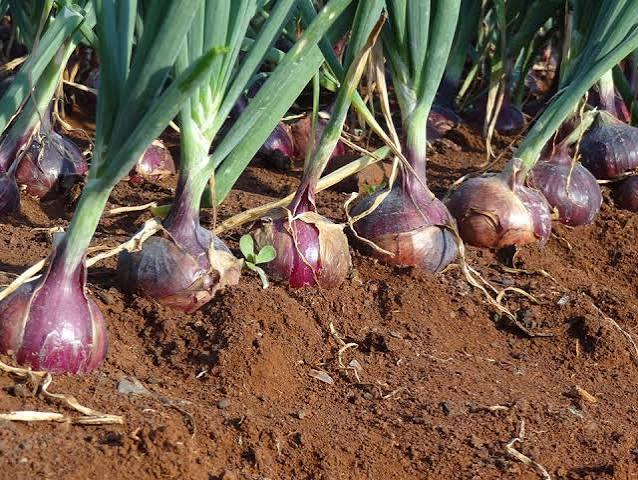
Why Garlic Farming in Kenya Is a Goldmine:
The demand for fresh and dried garlic has skyrocketed across East Africa. Garlic farming in Kenya addresses a significant market gap, as the country still imports large quantities of garlic from China and Egypt. Local production through garlic farming in Kenya not only reduces import dependency but also offers farmers premium prices often ranging between KSh 150 to KSh 300 per kilogram depending on the season.What makes garlic farming in Kenya particularly attractive is the crop’s relatively low input requirements compared to its high returns. A quarter-acre of well-managed garlic farming in Kenya can yield up to 4,000 kilograms, translating to substantial revenue for rural households. Additionally, garlic farming in Kenya requires less water than many traditional crops, making it suitable for arid and semi-arid regions. With proper training, garlic farming in Kenya can become a year-round income source, especially when farmers adopt greenhouse and irrigation technologies
Understanding the Climate for Garlic Farming in Kenya:
Climate plays a pivotal role in the success of garlic farming in Kenya. Garlic thrives in cool to warm conditions with temperatures between 12°C and 24°C. The beauty of garlic farming in Kenya is that the country’s diverse agro-ecological zones from the highlands of Nyandarua to the warmer regions of Machakos offer suitable conditions for different garlic varieties. For optimal garlic farming in Kenya, elevation matters. Areas between 500m and 2,000m above sea level generally provide the best environment. However, successful garlic farming in Kenya isn’t limited to highlands; with strategic irrigation, even lower-altitude farmers can achieve excellent results.Rainfall distribution affects garlic farming in Kenya significantly. Garlic requires consistent moisture during early growth stages but needs drier conditions as bulbs mature. This is why many practitioners of garlic farming in Kenya prefer supplemental irrigation over pure rain-fed agriculture, ensuring they control the moisture levels precisely.
Soil Preparation: The Foundation of Successful Garlic Farming in Kenya:
You cannot talk about profitable garlic farming in Kenya without emphasizing soil health. Garlic demands well-drained, fertile soils with a pH between 5.5 and 6.8. Before starting garlic farming in Kenya, conduct a soil test to determine nutrient deficiencies and pH levels. Preparing land for garlic farming in Kenya involves deep plowing to loosen the soil, followed by harrowing to create a fine tilth. Incorporate plenty of well-decomposed manure because garlic farming in Kenya performs best in soils rich in organic content. Raised beds are highly recommended for garlic farming in Kenya, especially in areas prone to waterlogging, as garlic bulbs rot quickly in soggy conditions.Proper drainage is non-negotiable in garlic farming in Kenya. Many beginners fail at garlic farming in Kenya simply because they plant in poorly drained fields. Invest in good drainage channels, and your garlic farming in Kenya venture will already be ahead of 60% of new growers.
Best Garlic Varieties for Garlic Farming in Kenya:
Variety selection can make or break your garlic farming in Kenya enterprise. The most commonly grown types in garlic farming in Kenya include:
- Softneck varieties – These are ideal for warmer regions and store longer, making them favorites for commercial garlic farming in Kenya.
- Hardneck varieties – Better suited for cooler highlands, these produce scapes and often command higher prices in niche markets for garlic farming in Kenya.
- Elephant garlic – Though technically a leek relative, it’s increasingly popular in garlic farming in Kenya due to its large bulbs and mild flavor.
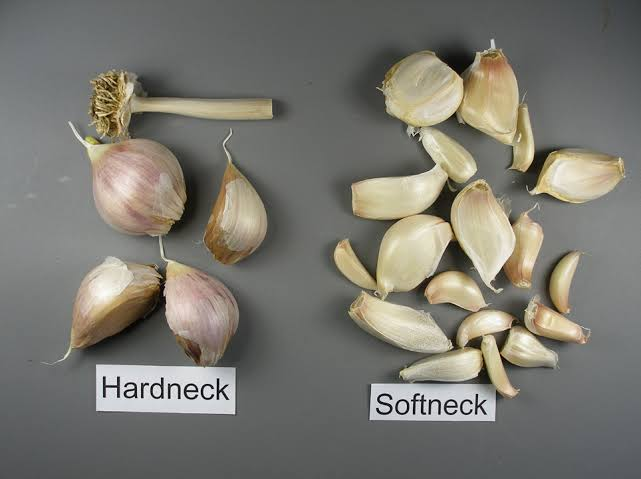
When sourcing seeds for garlic farming in Kenya, always use certified planting material from Onion Doctor. Using supermarket garlic as seed is a common mistake in garlic farming in Kenya that leads to poor germination and disease susceptibility. Reputable seed suppliers across the country now cater specifically to garlic farming in Kenya, offering varieties adapted to local conditions.
Step-by-Step Planting Guide for Garlic Farming in Kenya:
Here’s how to plant for successful garlic farming in Kenya:
- Break bulbs into cloves: A day before planting in your garlic farming in Kenya plot, carefully separate cloves, keeping the papery skin intact.
- Treat cloves: Soak in a mild fungicide solution to prevent soil-borne diseases. This step is crucial for disease-free garlic farming in Kenya.
- Planting depth and spacing: In garlic farming in Kenya, plant cloves 2-3 cm deep with the pointed end facing up. Space them 10-15 cm apart in rows 30 cm apart.
- Cover and mulch: After planting in your garlic farming in Kenya field, cover lightly with soil and apply mulch to conserve moisture and suppress weeds.
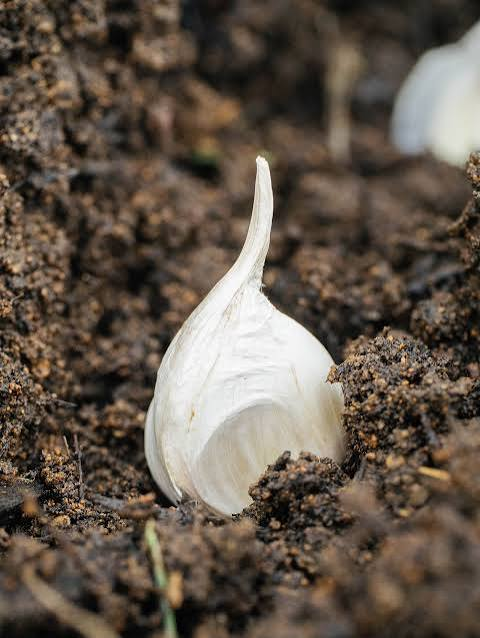
Consistency in spacing ensures uniform bulb development, a hallmark of professional garlic farming in Kenya.
Water Management in Garlic Farming in Kenya:
Irrigation strategy separates amateur attempts from professional garlic farming in Kenya. During the first six weeks, garlic needs regular watering to establish roots. In garlic farming in Kenya, drip irrigation is the gold standard it delivers water directly to roots while keeping foliage dry, reducing disease pressure. As bulbs begin to form usually around the eighth week gradually reduce watering. One of the secrets of veteran garlic farming in Kenya experts is to stop irrigation entirely 2-3 weeks before harvest. This forces the plant to divert energy to bulb maturation and prevents rotting during storage.
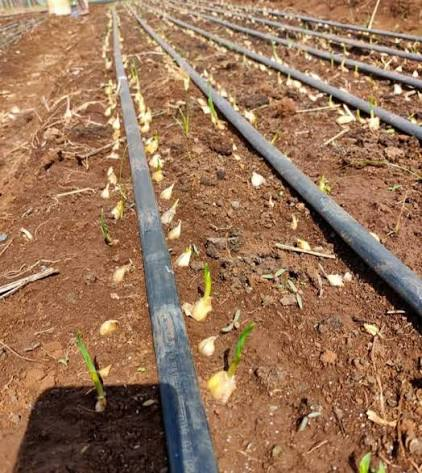
Water scarcity doesn’t have to limit garlic farming in Kenya. Many successful operations in semi-arid Kitui and Makueni counties prove that with efficient water harvesting and drip systems, garlic farming in Kenya flourishes even in challenging climates.
Fertilization and Nutrient Management:
Balanced nutrition is the engine of high-yield garlic farming in Kenya. Garlic is a heavy feeder, particularly requiring nitrogen during vegetative growth and potassium during bulb formation.A typical fertilization program for garlic farming in Kenya includes:
- Basal application: Apply compost or manure plus DAP at planting.
- Top-dressing: Apply CAN or urea 3-4 weeks after emergence in your garlic farming in Kenya plot.
- Bulb-boosting stage: Apply potassium-rich fertilizers when bulb swelling begins.
Micronutrients like sulfur, zinc, and boron also play vital roles in garlic farming in Kenya. Deficiencies manifest as yellowing leaves and stunted bulbs problems no serious garlic farming in Kenya operation can afford. Consider foliar feeding for quick nutrient uptake during critical growth phases
Pest and Disease Control in Garlic Farming in Kenya:
Protecting your crop is essential for profitable garlic farming in Kenya. Common pests include thrips, onion flies, and nematodes. In garlic farming in Kenya, integrated pest management (IPM) approaches work best combining cultural practices, biological controls, and judicious pesticide use.Diseases pose significant threats to garlic farming in Kenya:
- Purple blotch and downy mildew are fungal diseases that thrive in humid conditions.
- White rot is devastating to garlic farming in Kenya and can persist in soil for years.
- Rust affects leaves and reduces photosynthesis.
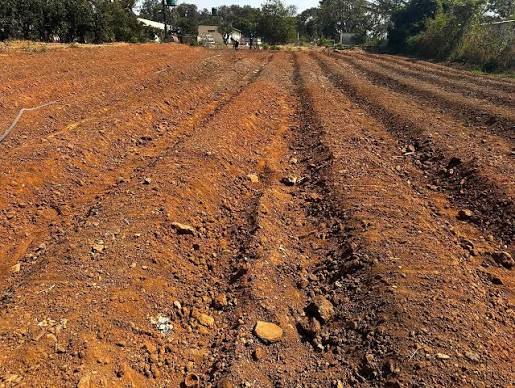
Crop rotation is your first line of defense in garlic farming in Kenya. Never plant garlic or other alliums in the same field consecutively. Proper spacing and avoiding overhead irrigation also minimize humidity-related diseases in garlic farming in Kenya.
Weed Management Strategies:
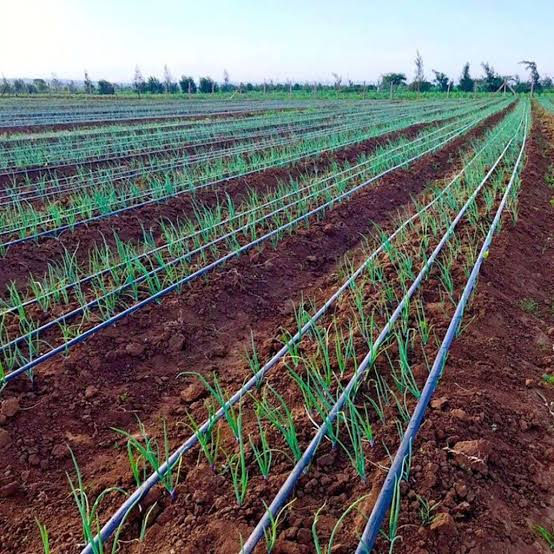
Weeds compete aggressively for nutrients and must be controlled for successful garlic farming in Kenya. Because garlic is a shallow-rooted crop, hand weeding is safest during early stages. However, for large-scale garlic farming in Kenya, mechanical cultivation between rows saves labor costs.Mulching serves dual purposes in garlic farming in Kenya: moisture conservation and weed suppression. Organic mulches like straw or grass clippings are excellent choices for garlic farming in Kenya, breaking down to add organic matter.Some progressive garlic farming in Kenya practitioners use plastic mulch in drip-irrigated systems, achieving near-perfect weed control while boosting early growth through soil warming.
Harvesting: The Rewarding Phase of Garlic Farming in Kenya:
Knowing when to harvest distinguishes experienced practitioners of garlic farming in Kenya from novices. Typically, garlic is ready 4-5 months after planting, when 50-75% of the leaves have turned yellow and dried. Harvesting technique matters immensely in garlic farming in Kenya. Use a fork to loosen soil gently pulling bulbs directly can bruise them, creating entry points for storage rot. In garlic farming in Kenya, harvest during dry weather and avoid leaving bulbs in the sun for extended periods.For small-scale garlic farming in Kenya, manual harvesting is practical. Large commercial garlic farming in Kenya operations may invest in specialized harvesting equipment to reduce labor costs and speed up the process.
Post-Harvest Handling and Curing:
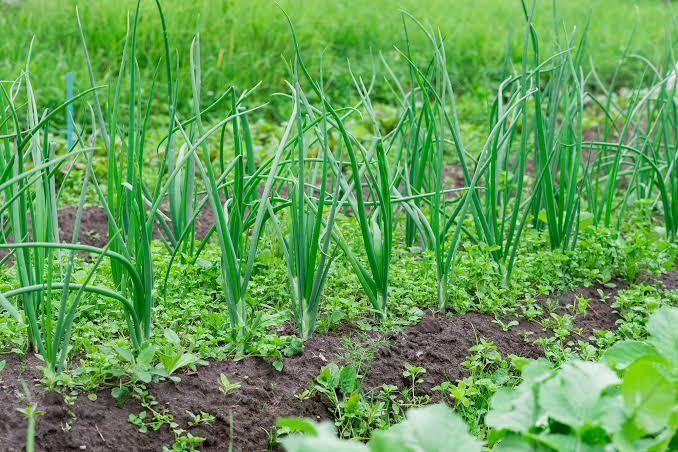
Proper curing is what transforms good garlic farming in Kenya into exceptional garlic farming in Kenya. Curing involves drying bulbs with tops intact in a well-ventilated, shaded area for 2-4 weeks. This process is critical in garlic farming in Kenya because it hardens the outer skins, sealing the bulb for long storage. After curing in your garlic farming in Kenya operation, trim roots and tops, then grade bulbs by size. Large, well-cured bulbs from garlic farming in Kenya fetch premium prices in supermarkets and export markets. Properly cured garlic from garlic farming in Kenya can store for 6-8 months under ideal conditions. Invest in good storage facilities ventilated crates or mesh bags hung in cool, dry rooms. Many failures in garlic farming in Kenya occur not in the field, but in storage, where poor ventilation leads to mold and losses.
Are you in need of in-depth knowledge on onion and garlic production? If yes, we are a call away. Contact us for: Onion seedlings, Garlic seedlings, Germinated garlic cloves, Farm planning services, Soil testing, training on onion and garlic growing, Drip irrigation installation and maintenance, Agronomic support, Onion and Garlic value pack and Farm management. For free consultation, placing orders or booking a visit with an agronomist, please contact us via Call or what’s app +254703982228, Email: info@oniondoctor.co.ke You can also check out our social media handles for daily updates on TikTok: https://www.tiktok.com/@oniondoctorke0706252490?_r=1&_t=ZS-96UPUyx6ESL Instagram:https://www.instagram.com/oniondoctorke?igsh=MW5sZzJ6c3BnZ3Z0dw==Facebook:https://www.facebook.com/share/1HouRgLCwS/Twitter:https://x.com/OnionDoctorKe?s=20