
If you are looking for a high-value agricultural venture with consistent demand, onion farming in Kenya stands out as one of the most profitable opportunities in 2026. With Kenya consuming over 500,000 metric tons of onions annually and local production meeting only a fraction of that demand, the market gap is enormous. Smart onion farming in Kenya is no longer just about planting bulbs and waiting for the rains it is about precision agriculture, climate-smart techniques, and market intelligence. In this comprehensive guide, we will explore everything you need to know about successful onion farming in Kenya, from selecting the right varieties to leveraging technology for maximum yield. Whether you are a beginner or an experienced farmer looking to scale, this guide will serve as your definitive resource for onion farming in Kenya.
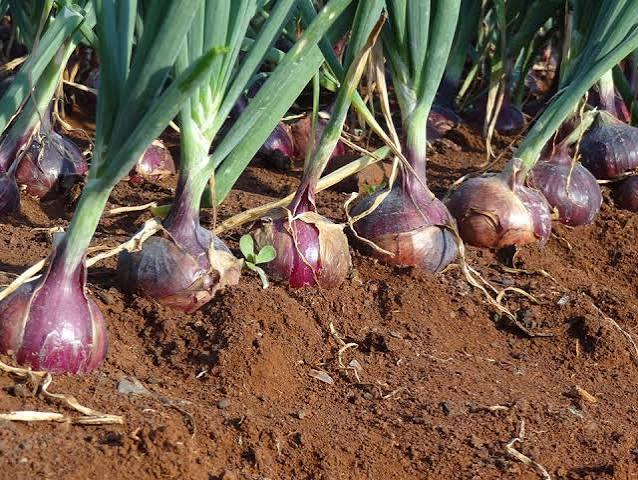
1. The Economic Potential of Onion Farming in Kenya:
Before you plant your first seedling, understanding the economics of onion farming in Kenya is crucial. Onions are a staple in nearly every Kenyan household, used in everything from sukuma wiki to nyama choma marinades. Here is why onion farming in Kenya makes financial sense:
- High Market Demand: Kenya imports onions from Tanzania, yet local onion farming in Kenya could easily replace these imports with the right techniques.
- Profit Margins: A well-managed acre of onion farming in Kenya can yield 15–20 tons, selling at KSh 40–80 per kilogram depending on the season.
- Short Growing Cycle: Unlike tree crops, onion farming in Kenya allows you to harvest within 3–4 months, enabling multiple cycles per year.
- Export Potential: With proper certification, onion farming in Kenya can access regional markets in Uganda, Rwanda, and even the Middle East.
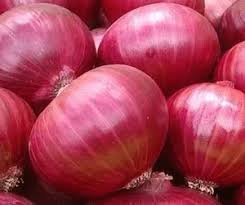
Farmers who have embraced smart onion farming in Kenya report returns of KSh 300,000 to KSh 600,000 per acre after deducting input costs. The key is moving from traditional methods to precision-driven onion farming in Kenya.
2. Climate and Soil Requirements for Onion Farming in Kenya:
Successful onion farming in Kenya begins with understanding your environment. Onions are cool-season crops that require specific conditions to thrive.
Ideal Climate Conditions:
For optimal onion farming in Kenya, you need:
- Temperature: 15°C to 25°C during the vegetative stage. Extreme heat causes bolting (premature flowering), which ruins bulb formation.
- Rainfall: 500–700mm well-distributed, though drip irrigation is recommended for consistent onion farming in Kenya.
- Altitude: 0 to 1,900 meters above sea level. This makes regions like Narok, Kajiado, Laikipia, and parts of Central Kenya ideal for onion farming in Kenya.
Soil Requirements:
The foundation of productive onion farming in Kenya is healthy soil:
- Soil Type: Well-drained loamy soils with good organic matter. Clay soils cause waterlogging and bulb rot.
- pH Level: 6.0 to 6.8. If your soil is too acidic, apply agricultural lime before starting onion farming in Kenya.
- Soil Depth: At least 30cm deep to allow proper root penetration.
Pro Tip: Always conduct a soil test before beginning onion farming in Kenya. A KSh 5,000 soil analysis from Onion Doctor can save you KSh 50,000 in fertilizer mistakes.
3. Best Onion Varieties for Onion Farming in Kenya:
Variety selection is where smart onion farming in Kenya separates hobbyists from professionals. The wrong variety means poor yields, disease susceptibility, and market rejection.
Top Varieties for Onion Farming in Kenya:
| Variety | Type | Days to Maturity | Best For |
|---|---|---|---|
| Red Creole | Red, small bulb | 150–160 days | Local markets, long storage |
| Bombay Red | Red, flat bulb | 150 days | Fresh market, high demand |
| Texas Grano | Yellow/White | 120–140 days | Early harvest, export |
| Red Coach F1 | Red, globe-shaped | 140–150 days | High yield, disease resistance |
| Neptune F1 | Hybrid red | 120 days | Commercial onion farming in Kenya |
For large-scale onion farming in Kenya, hybrid varieties like Neptune F1 and Red Coach offer disease resistance, uniform maturity, and higher yields. For smallholder onion farming in Kenya, open-pollinated varieties like Red Creole are more affordable and store better.
4. Land Preparation for Successful Onion Farming in Kenya:
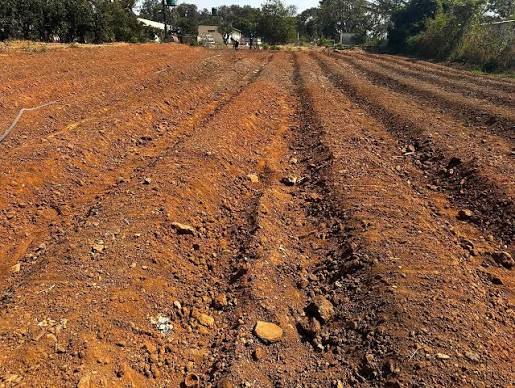
Proper land preparation can increase your onion farming in Kenya yields by 30%. Onions have shallow root systems and compete poorly with weeds.
Step-by-Step Land Preparation:
- Clear the Land: Remove all weeds and crop residues. Onions are poor competitors, so starting clean is non-negotiable for onion farming in Kenya.
- Ploughing: Plough to a depth of 20–25cm to loosen the soil.
- Harrowing: Break down clods to create a fine tilth. Large soil particles deform bulbs in onion farming in Kenya.
- Bed Formation: Raise beds 15–20cm high and 1 meter wide. This improves drainage, which is critical for onion farming in Kenya during the rainy season.
- Incorporate Manure: Mix well-decomposed manure per acre into the beds.
5. Smart Planting Techniques for Onion Farming in Kenya:
How you plant determines 50% of your harvest. Modern onion farming in Kenya relies on precision planting rather than broadcasting.
Direct Seeding vs. Transplanting:
| Method | Pros | Cons |
|---|---|---|
| Direct Seeding | Lower labor costs, no transplant shock | Uneven germination, higher weed pressure |
| Transplanting | Uniform stands, better yield control, easier weeding | Higher labor, nursery management needed |
Transplanting Best Practices:
- Nursery Preparation: Prepare a 1m-wide nursery bed. Mix DAP. Sow seeds thinly and cover with a thin layer of soil.
- Seed Rate: 1.5–2kg of seed per acre for onion farming in Kenya.
- Watering: Keep the nursery moist but not waterlogged.
- Transplanting Time: Seedlings are ready at 6–8 weeks old.
- Spacing: 30cm between rows and 8–10cm between plants. Proper spacing prevents disease and ensures uniform bulb sizing in onion farming in Kenya.
6. Irrigation and Water Management in Onion Farming in Kenya:
Water is the single most critical input in onion farming in Kenya. Onions are 89% water, yet they are highly sensitive to both drought and waterlogging.
Smart Irrigation Systems:
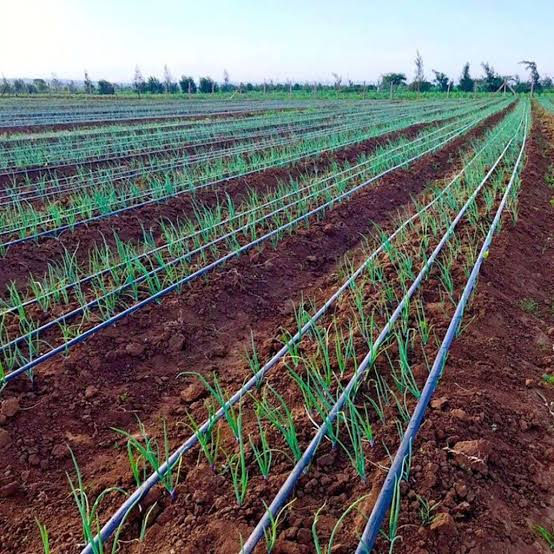
- Drip Irrigation: The best system for onion farming in Kenya. It delivers water directly to the root zone, reduces disease pressure, and saves 40–60% of water compared to furrow irrigation.
Water Requirements by Growth Stage:
| Stage | Water Need | Frequency |
|---|---|---|
| Establishment | High | Daily light irrigation |
| Vegetative | Moderate-High | Every 2–3 days |
| Bulbing | High | Every 2 days |
| Maturation | Low | Reduce gradually; stop 2 weeks before harvest |
Critical Warning: Inconsistent watering causes splitting and doubles in onion farming in Kenya. Never allow the soil to completely dry out during bulbing.
7. Fertilizer and Nutrient Management for Onion Farming in Kenya:
Onions are heavy feeders. A proper fertilization schedule is the backbone of high-yielding onion farming in Kenya.
Fertilizer Schedule:
| Timing | Fertilizer | Rate per Acre | Purpose |
|---|---|---|---|
| At planting | DAP | 50kg | Root development |
| 2 weeks after transplanting | CAN or Urea | 50kg | Leaf growth |
| 4 weeks after transplanting | NPK | 50kg | Balanced growth |
| Bulbing stage | Sulfate of Potash | 50kg | Bulb enlargement |
Micronutrients:
Boron and zinc deficiencies are common in onion farming in Kenya. Apply foliar feeds containing these micronutrients every two weeks during the vegetative stage. Onion Doctor offers a spray and feeding program at a discounted price so that you can have a guide on what chemicals and fertilizers are required by your crop. They also offer a crop protection package with onion seedlings and the required agrochemicals.
8. Pest and Disease Management in Onion Farming in Kenya:
Pests and diseases can wipe out an entire onion farming in Kenya investment within weeks. Prevention is far cheaper than cure
Major Pests:
| Pest | Damage | Control |
|---|---|---|
| Onion Thrips | Silvery patches on leaves, stunted growth | Blue sticky traps, insecticides like Spiromesifen |
| Onion Fly | Maggots attack roots and bulbs | Crop rotation, soil drenching |
| Cutworms | Seedlings cut at base | Handpicking, biological control |
| Aphids | Virus transmission, honeydew | Neem oil, predatory insects |
Major Diseases:
| Disease | Symptoms | Management |
|---|---|---|
| Downy Mildew | Purple-gray fuzz on leaves | Copper-based fungicides, proper spacing |
| Purple Blotch | Purple lesions with yellow halos | Mancozeb sprays, avoid overhead irrigation |
| Botrytis (Neck Rot) | Gray mold at neck during storage | Harvest at proper maturity, cure properly |
| Fusarium Basal Rot | Yellowing, basal rot | Soil fumigation, resistant varieties |
| Pink Root | Pink roots, stunted plants | Solarization, pH adjustment |
Integrated Pest Management (IPM): IPM combining biological controls, cultural practices, and minimal chemical use. This reduces costs and meets export standards.
Onion Doctor App: The future of onion farming in Kenya enables farmers to scan their onion crop and identify onion diseases correctly.
9. Weed Control in Onion Farming in Kenya:
Weeds are the silent killers of onion farming in Kenya. Onions grow slowly in the first six weeks and cannot outcompete aggressive weeds.
Weed Management Strategies:
- Manual Weeding: Labor-intensive but necessary. Weed at 2, 4, and 6 weeks after transplanting.
- Mulching: Apply dry grass or straw mulch between rows. This suppresses weeds and conserves moisture essential for onion farming in Kenya in arid areas.
- Herbicides: Pre-emergent herbicides can be used before transplanting. Post-emergent options must be selective to avoid damaging onion crops.
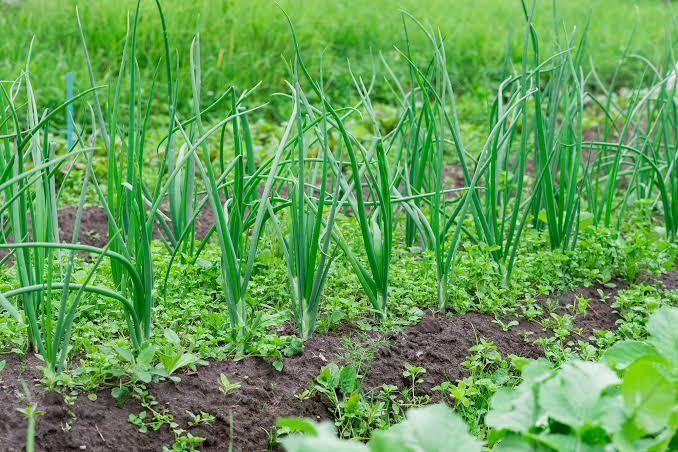
Rule of Thumb: Keep your onion farming in Kenya field weed-free for the first 60 days. After that, the onion canopy will suppress most weeds naturally.
10. Harvesting and Post-Harvest Handling:
Harvesting at the right time determines your profit margin in onion farming in Kenya. Harvest too early, and bulbs will not store well. Harvest too late, and bulbs may split or rot.
When to Harvest:
- Signs of Maturity: 50–80% of tops have fallen over, and the necks feel soft.
- Timing: Stop irrigation 10–14 days before harvesting to allow bulbs to mature and skins to dry.
- Method: Uproot carefully using a fork or hand-pull if the soil is loose. Cut roots but leave 2–3cm of tops.
Curing and Storage:
Curing is the most overlooked step in onion farming in Kenya. Proper curing extends shelf life from 2 weeks to 6 months.
- Field Curing: Leave harvested bulbs in the field for 3–5 days under shade if rain is expected.
- Shade Curing: Arrange bulbs in a well-ventilated shed for 2–3 weeks. The necks should be completely dry and tight.
- Storage: Store in mesh bags or slatted crates in a cool, dry, well-ventilated room. Ideal storage conditions are 0–5°C with 65–70% humidity.
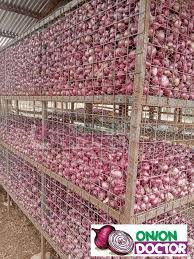
Post-Harvest Loss: Kenyan farmers lose 30–40% of their harvest due to poor curing and storage. Fixing this alone can double your net income from onion farming in Kenya
Are you in need of in-depth knowledge on onion and garlic production? If yes, we are a call away. Contact us for: Onion seedlings, Garlic seedlings, Germinated garlic cloves, Farm planning services, Soil testing, training on onion and garlic growing, Drip irrigation installation and maintenance, Agronomic support, Onion and Garlic value pack and Farm management. For free consultation, placing orders or booking a visit with an agronomist, please contact us via Call or what’s app +254703982228, Email: info@oniondoctor.co.ke You can also check out our social media handles for daily updates on TikTok: https://www.tiktok.com/@oniondoctorke0706252490?_r=1&_t=ZS-96UPUyx6ESL Instagram:https://www.instagram.com/oniondoctorke?igsh=MW5sZzJ6c3BnZ3Z0dw==Facebook:https://www.facebook.com/share/1HouRgLCwS/Twitter:https://x.com/OnionDoctorKe?s=20