
Onion farming in Kenya has emerged as one of the most profitable agricultural ventures in East Africa, with smallholder farmers and large-scale producers alike recognizing the immense potential of this crop. However, a tiny yet devastating pest threatens the success of onion farming in Kenya the onion thrips (Thrips tabaci). These microscopic insects can reduce yields by up to 60% if left unmanaged, making them the single most destructive pest facing onion farming in Kenya today In this comprehensive guide, we’ll explore everything you need to know about onion thrips, from identification and life cycle to integrated pest management strategies specifically tailored for onion farming in Kenya. Whether you’re a seasoned farmer or just starting your journey into onion farming in Kenya, this article will equip you with the knowledge to protect your crop and maximize your profits.
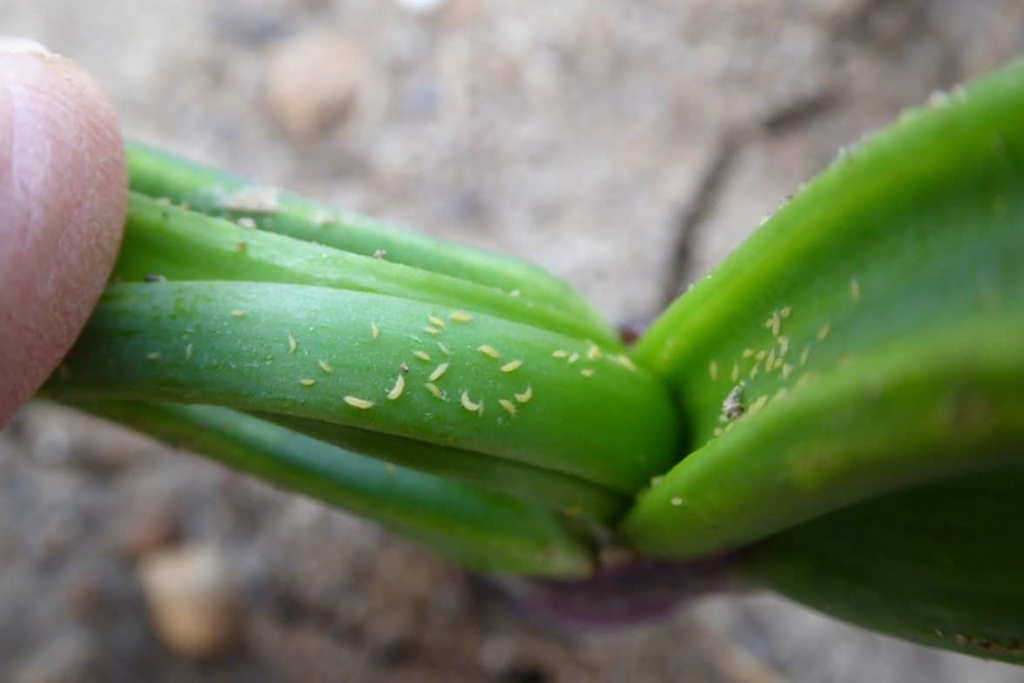
What Are Onion Thrips?
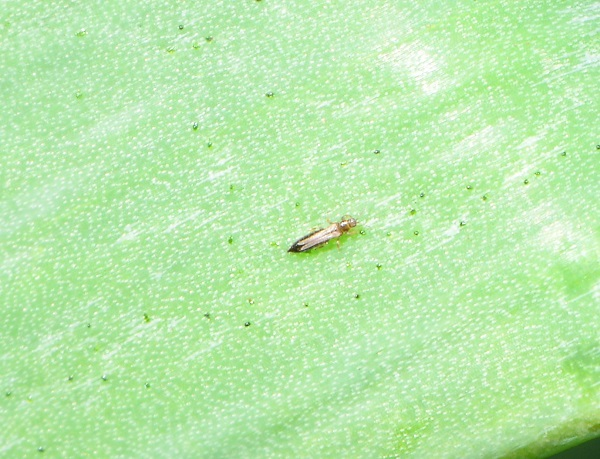
Onion thrips (Thrips tabaci), also known as the tobacco thrips or potato thrips, are slender, winged insects measuring just 1-2 millimeters in length. Despite their tiny size, they pose a massive threat to onion farming in Kenya and worldwide. These pests belong to the order Thysanoptera and are characterized by their fringed wings and rasping-sucking mouthparts.
Physical Identification:
- Adults: Pale yellow to dark brown, approximately 1.5 mm long, with two pairs of narrow wings fringed with long hairs
- Nymphs: Wingless, light green to yellow, smaller versions of adults
- Eggs: Kidney-shaped, laid singly within plant tissues
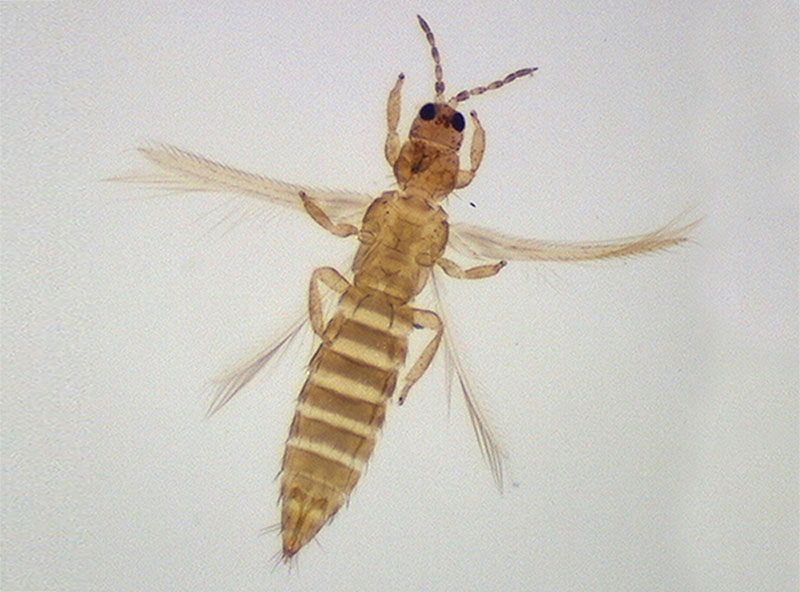
The color variation often depends on the host plant and environmental conditions prevalent in onion farming in Kenya.
Why Onion Thrips Are Particularly Problematic for Onion Farming in Kenya:
Onion farming in Kenya faces unique challenges when it comes to thrips management. The country’s diverse agro-ecological zones from the hot, dry lowlands to the cooler highlands create varying conditions that can either suppress or accelerate thrips populations.
Climate Factors Affecting Thrips in Onion Farming in Kenya:
The tropical and subtropical climate across many onion-growing regions of onion farming in Kenya provides ideal conditions for thrips proliferation:
- Temperature: Thrips thrive in warm conditions between 20-30°C, which are common in most onion farming in Kenya regions
- Low Humidity: Dry conditions favor rapid reproduction unfortunately, many areas practicing onion farming in Kenya experience prolonged dry spells
- Wind Patterns: Thrips are weak fliers but excellent hitchhikers on wind currents, allowing them to spread quickly across onion farming in Kenya fields
Economic Impact on Onion Farming in Kenya:
The financial toll of onion thrips on onion farming in Kenya is staggering:
| Impact Factor | Estimated Loss |
|---|---|
| Direct yield reduction | 30-60% |
| Quality degradation (unmarketable bulbs) | 20-40% |
| Increased production costs (pesticides) | 15-25% |
| Export rejection due to cosmetic damage | Significant |
The Life Cycle of Onion Thrips in Onion Farming in Kenya:
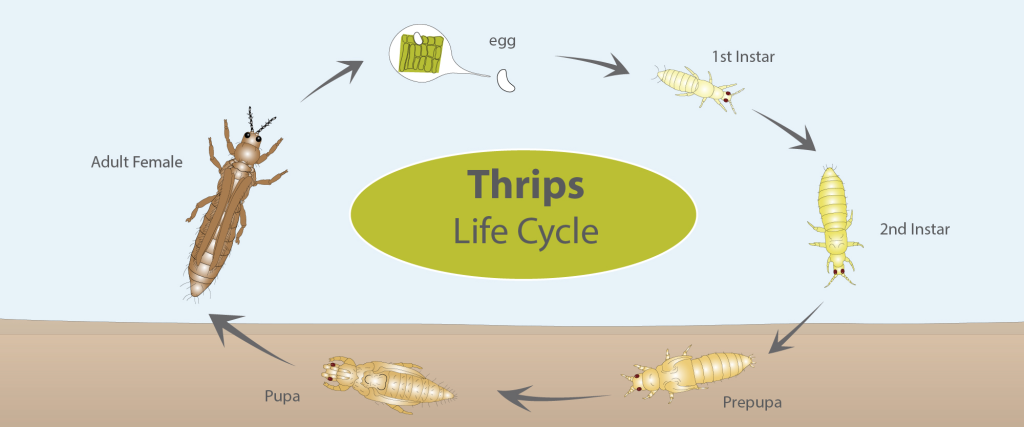
Understanding the life cycle is crucial for effective management in onion farming in Kenya. Under optimal conditions, onion thrips can complete a generation in just 10-14 days, leading to explosive population growth.
Stage 1: Egg (3-5 days):
Females insert eggs into leaf tissues, making them difficult to target with contact pesticides a major challenge for onion farming in Kenya.
Stage 2: Larval Instars (4-6 days):
Two active feeding stages where most damage occurs. Larvae feed voraciously on leaf sap in onion farming in Kenya fields.
Stage 3: Prepupa and Pupa (3-5 days):
Non-feeding stages occurring in soil or leaf litter. This soil-dwelling phase is often overlooked in onion farming in Kenya management programs.
Stage 4: Adult (20-30 days):
Winged adults emerge, disperse, and begin feeding and reproduction immediately. A single female can lay 50-300 eggs in her lifetime, creating exponential pressure on onion farming in Kenya.
Recognizing Onion Thrips Damage in Onion Farming in Kenya:
Early detection is critical for successful management in onion farming in Kenya. Farmers should scout their fields at least twice weekly during vulnerable growth stages.
Visual Symptoms:
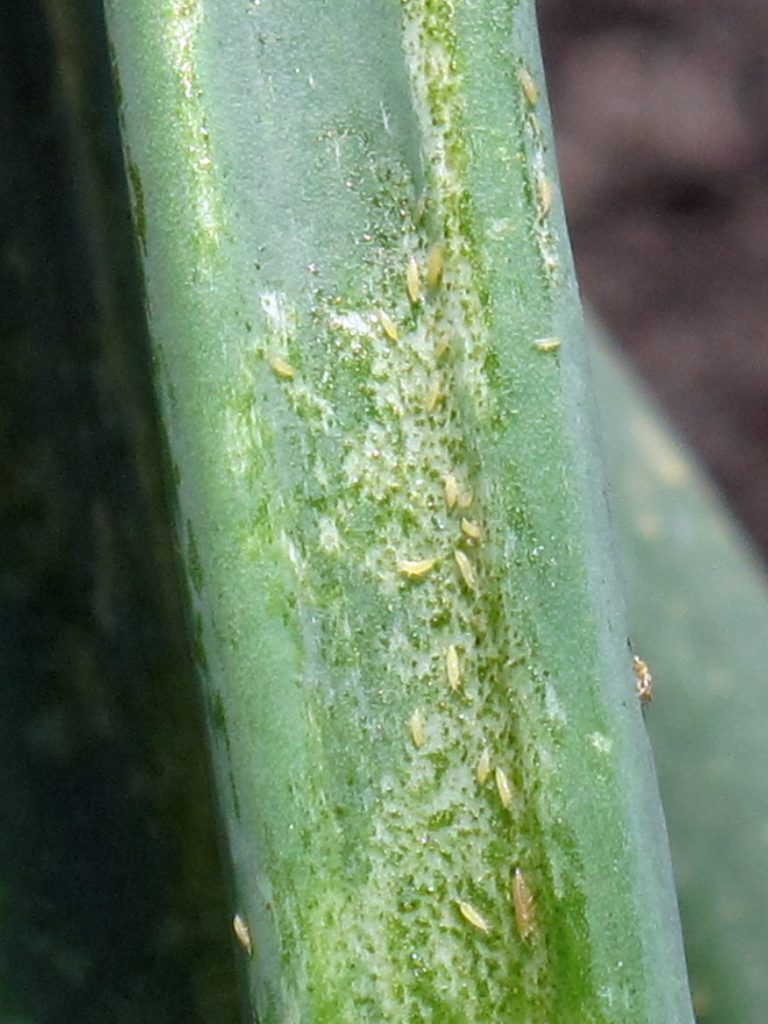
- Silvering and stippling: Tiny white or silver spots on leaves where thrips have rasped away surface cells
- Leaf curling and distortion: Severe feeding causes leaves to curl downward, a common sight in onion farming in Kenya
- Bronzing: Leaves take on a bronze or brownish appearance as damage progresses
- Scarring on bulbs: Feeding on neck tissues can lead to scarring that reduces marketability in onion farming in Kenya
- Stunted growth: Heavy infestations reduce photosynthetic capacity, leading to smaller bulbs
Scouting Techniques for Onion Farming in Kenya:
Professional scouts in onion farming in Kenya recommend:
- Direct observation: Examine 5 plants per sampling point across the field
- Tap method: Gently tap leaves over white paper to dislodge thrips for counting
- Blue or yellow sticky traps: Monitor adult populations; economic thresholds vary but typically 5-10 thrips per plant trigger intervention in onion farming in Kenya
Integrated Pest Management (IPM) for Onion Thrips in Onion Farming in Kenya:
Successful onion farming in Kenya requires a holistic approach combining multiple control strategies. Relying solely on chemical pesticides leads to resistance development, environmental contamination, and increased costs.
1. Cultural Control Methods in Onion Farming in Kenya:
Crop Rotation:
- Avoid planting onions after host crops like tomatoes, potatoes, or brassicas
- A 2-3 year rotation with non-host crops significantly reduces thrips pressure in onion farming in Kenya
Sanitation:
- Remove crop residues immediately after harvest thrips survive in debris
- Control weeds in and around fields, as many serve as alternative hosts
- This practice is fundamental to sustainable onion farming in Kenya
Resistant Varieties:
- Research institutions supporting onion farming in Kenya are developing thrips-tolerant varieties
- Red onion varieties generally show more resistance than white or yellow types
- Consult Onion Doctor for recommendations specific to onion farming in Kenya
Irrigation Management:
- Maintaining adequate soil moisture reduces plant stress, making onions less susceptible in onion farming in Kenya.
Plant Spacing and Fertilization:
- Proper spacing improves air circulation and reduces favorable microclimates
- Balanced fertilization avoid excessive nitrogen which promotes succulent growth attractive to thrips
- These agronomic practices are cost-effective foundations of onion farming in Kenya
2. Biological Control in Onion Farming in Kenya:
Natural enemies play a vital role in sustainable onion farming in Kenya:
Predatory Bugs:
- Minute pirate bugs and big-eyed bugs are common in Kenyan agro-ecosystems
- Conservation of natural vegetation around fields supports these beneficial insects in onion farming in Kenya
3. Chemical Control Strategies for Onion Farming in Kenya:
When cultural and biological methods prove insufficient, judicious pesticide use becomes necessary in onion farming in Kenya. However, resistance management is paramount.
Resistance Management Principles:
- Rotate insecticides with different modes of action
- Never apply the same chemical class consecutively
- Follow label rates precisely sub-lethal doses accelerate resistance
- These principles are non-negotiable for long-term onion farming in Kenya sustainability
Application Best Practices:
- Apply in early morning or late evening when thrips are less active
- Ensure thorough coverage thrips hide in leaf axils and under sheaths
- Use adjuvants to improve penetration in the waxy onion foliage
- Proper application technique distinguishes professional onion farming in Kenya from amateur attempts
Pre-Harvest Intervals (PHI):
- Strictly observe PHI to ensure food safety
Conclusion: Securing the Future of Onion Farming in Kenya:
Onion thrips represent the most significant biotic constraint to profitable onion farming in Kenya, but they are manageable. Success requires knowledge, vigilance, and a commitment to integrated approaches rather than reactive chemical dependence. By implementing the strategies outlined in this guide from resistant varieties and biological control to judicious pesticide use and community-wide management farmers engaged in onion farming in Kenya can protect their crops, reduce costs, and access premium markets both domestically and internationally.The future of onion farming in Kenya is bright for those who invest in understanding and managing this pervasive pest. Start today by assessing your current practices, identifying gaps in your thrips management program, and taking proactive steps toward more resilient and profitable onion farming in Kenya.
Are you in need of in-depth knowledge on onion and garlic production? If yes, we are a call away. Contact us for: Onion seedlings, Garlic seedlings, Germinated garlic cloves, Farm planning services, Soil testing, training on onion and garlic growing, Drip irrigation installation and maintenance, Agronomic support, Onion and Garlic value pack and Farm management. For free consultation, placing orders or booking a visit with an agronomist, please contact us via Call or what’s app +254703982228, Email: info@oniondoctor.co.ke You can also check out our social media handles for daily updates on TikTok: https://www.tiktok.com/@oniondoctorke0706252490?_r=1&_t=ZS-96UPUyx6ESL Instagram:https://www.instagram.com/oniondoctorke?igsh=MW5sZzJ6c3BnZ3Z0dw==Facebook:https://www.facebook.com/share/1HouRgLCwS/Twitter:https://x.com/OnionDoctorKe?s=20