
Onion farming in Kenya has emerged as one of the most profitable agribusiness ventures for smallholder and commercial farmers alike. With rising domestic demand and export opportunities to neighboring countries like Tanzania, onion farming in Kenya presents a golden opportunity for agricultural entrepreneurs. However, there is a silent killer lurking in every onion field that can reduce yields by up to 60% if left unmanaged weeds.Weeds are not just an aesthetic nuisance. In onion farming in Kenya, they are aggressive competitors that steal sunlight, water, nutrients, and growing space from your onion plants. Because onions are shallow-rooted and slow-growing in their early stages, they are particularly vulnerable to weed pressure during the first 8–10 weeks after transplanting. This comprehensive guide explores everything you need to know about managing weeds in onion farming in Kenya, from identification and prevention to integrated control strategies that protect both your crop and the environment.
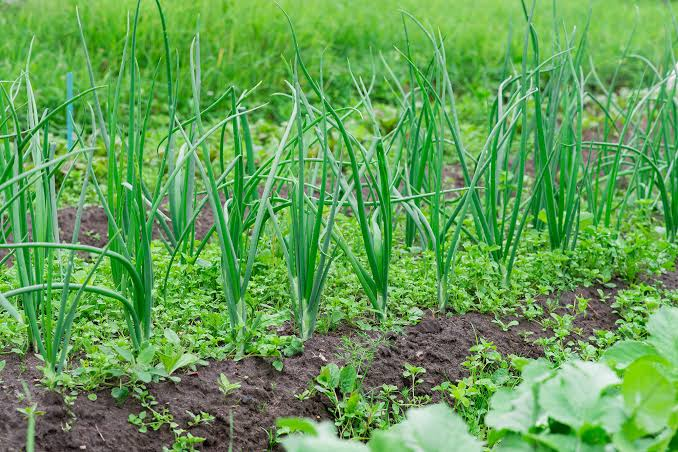
The Economic Impact of Weeds on Onion Farming in Kenya:
Weeds are among the top three constraints affecting onion farming in Kenya, alongside pests and diseases. The economic losses caused by uncontrolled weed infestations are staggering:
- Yield Reduction: Weeds can reduce onion bulb yields by 30–60% depending on the severity of infestation and the stage of crop growth.
- Quality Degradation: Weeds interfere with bulb development, leading to smaller, misshapen onions that fetch lower market prices.
- Increased Labor Costs: Manual weeding is labor-intensive and can consume up to 40% of the total production cost in onion farming in Kenya.
- Disease and Pest Vectors: Weeds serve as alternate hosts for pests like the onion thrips, aphids, and diseases such as downy mildew and bacterial soft rot.
- Harvesting Challenges: Dense weed growth makes mechanical harvesting difficult and increases post-harvest losses.
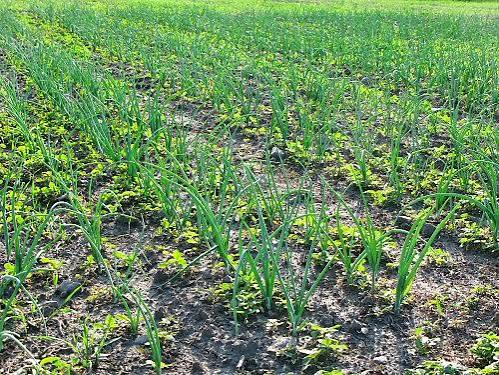
For farmers engaged in onion farming in Kenya, understanding the specific weed species that invade onion fields is the first step toward effective management.
Common Weeds Found in Onion Farming in Kenya:
Kenya’s diverse agro-ecological zones from the semi-arid regions of Kajiado and Machakos to the high-potential areas of Nakuru, Narok, and Laikipia host a wide variety of weed species. The following are the most problematic weeds in onion farming in Kenya:
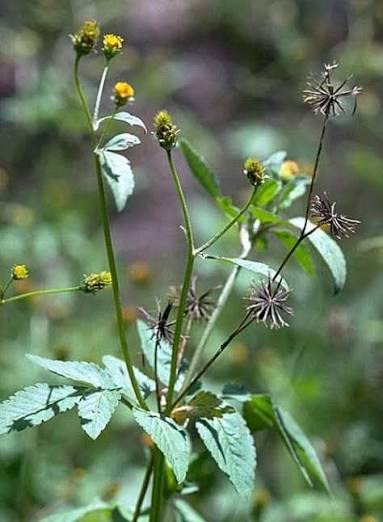
1. Blackjack:
One of the most widespread weeds in onion farming in Kenya, Blackjack is an annual broadleaf weed that germinates rapidly after the onset of rains. Its deeply toothed leaves and black seeds with hooked bristles make it easily recognizable. It competes aggressively for nutrients and can grow taller than young onion seedlings, shading them out completely.
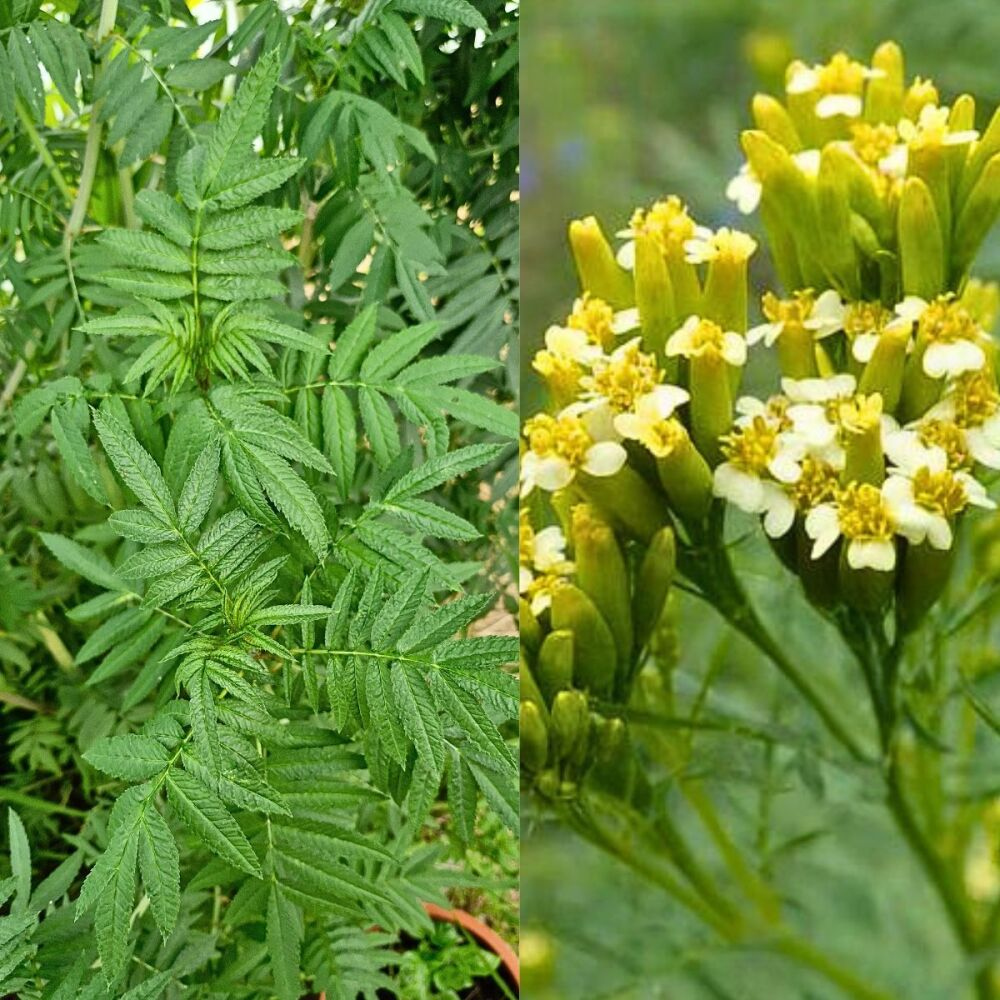
2. Mexican Marigold:
This invasive weed is increasingly problematic in onion farming in Kenya, particularly in the Rift Valley and Central Highlands. It produces allelopathic chemicals that inhibit onion seed germination and early growth. Its rapid growth and prolific seed production make it a formidable opponent.
3. Nutgrass:
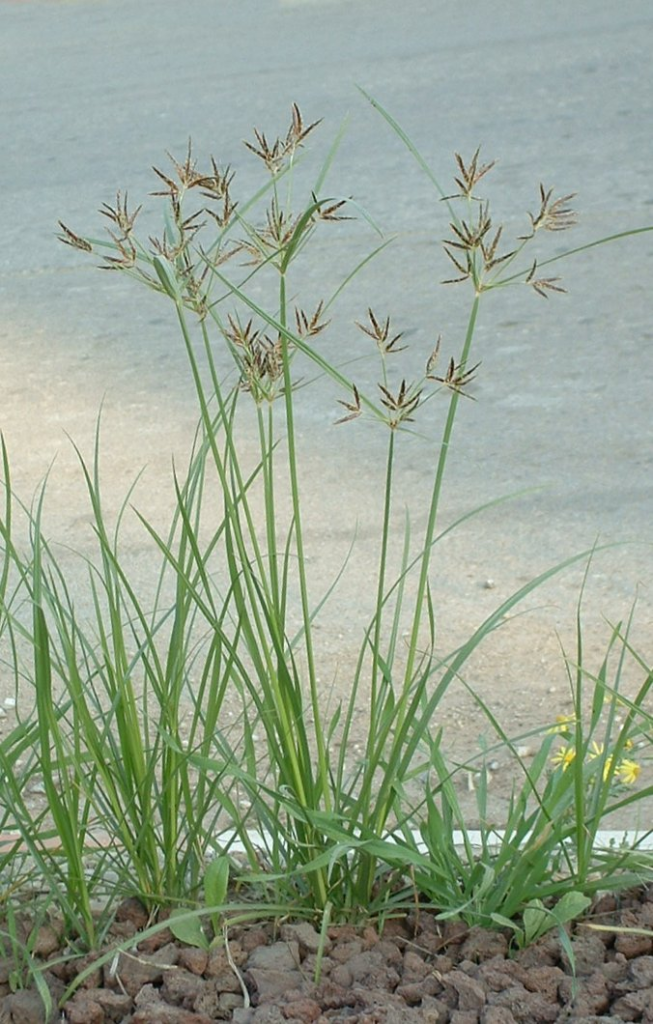
Nutgrass is arguably the most difficult weed to control in onion farming in Kenya. This perennial sedge reproduces through underground tubers (nutlets) that can remain dormant in the soil for years. Hand weeding often breaks the tubers, causing them to multiply. Nutgrass is especially prevalent in irrigated onion fields.
4. Pigweed:
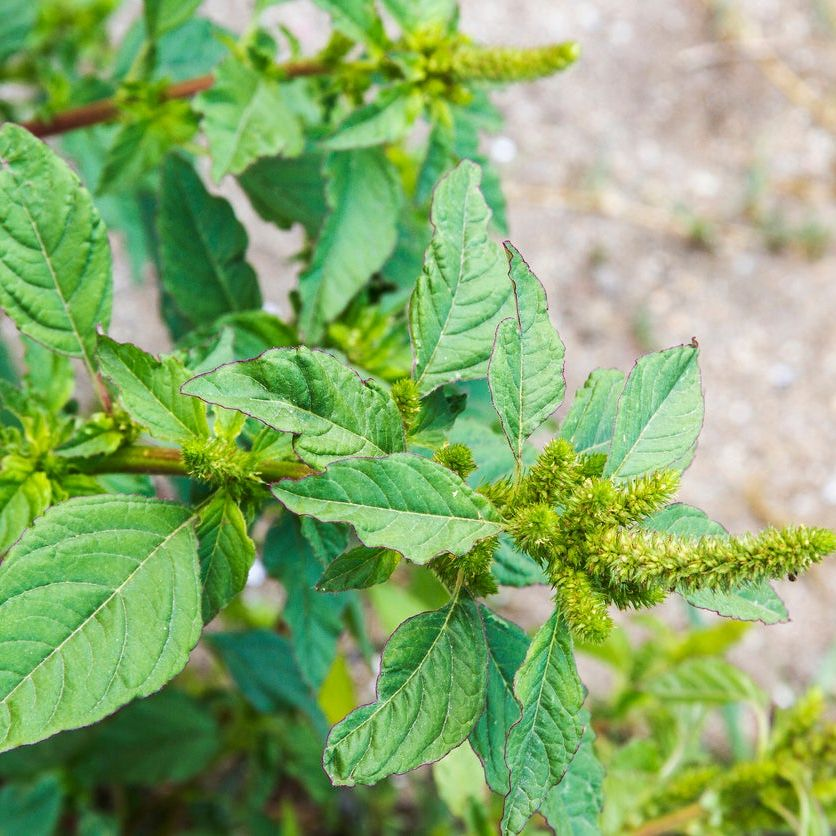
Pigweed species are fast-growing broadleaf weeds that are highly competitive in onion farming in Kenya. They are particularly problematic in the short rains season and can grow up to 2 meters tall if left unchecked, completely overshadowing onion crops.
5. Couch Grass:
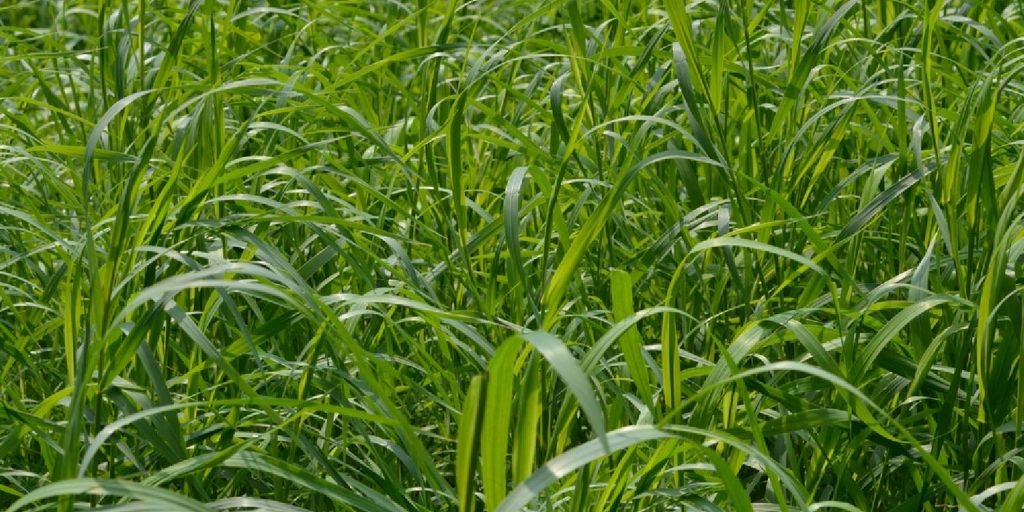
Couch Grass forms dense mats in onion farming in Kenya fields, competing for both nutrients and water. It is particularly problematic in drier areas where water is already a limiting factor.
Integrated Weed Management Strategies for Onion Farming in Kenya:
Effective weed management in onion farming in Kenya requires an integrated approach combining cultural, mechanical, biological, and chemical methods. Relying on a single method is rarely sufficient, especially against perennial weeds like Nutgrass.
1. Cultural Weed Control Methods:
Proper Land Preparation:
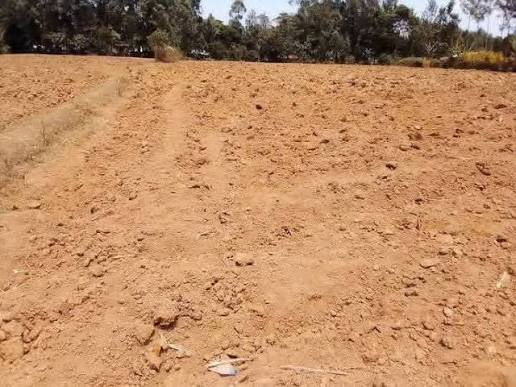
The foundation of weed management in onion farming in Kenya begins before planting. Thorough land preparation helps reduce the weed seed bank in the topsoil:
- Deep Ploughing: Turn the soil to a depth of 20–25 cm to bury weed seeds and expose perennial weed rhizomes to desiccation.
- Harrowing: Break down clods and create a fine tilth that allows for easy weed removal later.
- Leveling: Ensure the field is level to prevent waterlogging in depressions, which favors weed growth.
Crop Rotation:
Practicing crop rotation is one of the most effective cultural strategies in onion farming in Kenya. Rotating onions with crops like maize, beans, or pasture grasses helps break weed life cycles and reduces the buildup of weed-specific populations. Avoid rotating onions with other Allium crops (garlic, shallots, leeks) as they share similar pests and diseases.
Proper Spacing and Plant Population:
Using the correct spacing in onion farming in Kenya (typically 10 cm between plants and 30 cm between rows) allows onions to form a closed canopy more quickly, shading out late-emerging weeds. Higher plant populations can suppress weeds but may increase disease pressure due to poor air circulation.
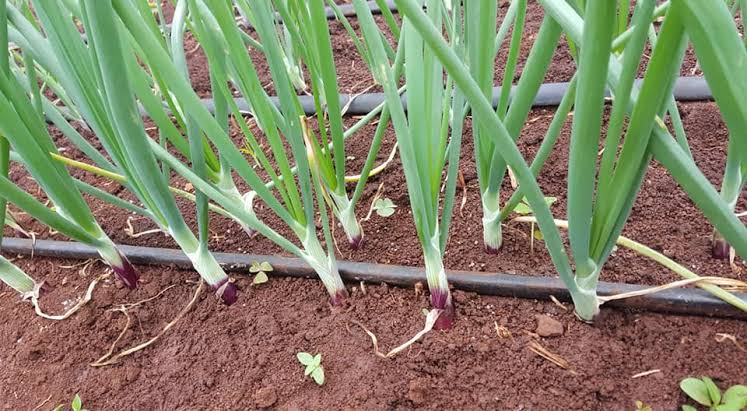
Mulching:
Organic mulching with dry grass, straw, or maize stover is highly effective in onion farming in Kenya, especially for small-scale farmers. A layer of mulch:
- Suppresses weed germination by blocking light
- Conserves soil moisture
- Regulates soil temperature
- Adds organic matter to the soil as it decomposes
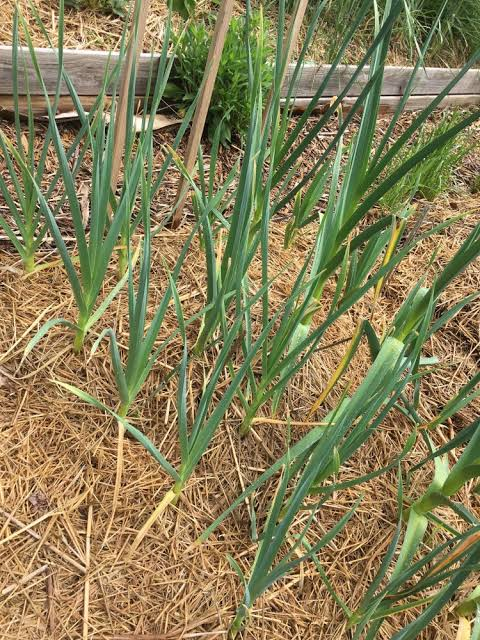
In onion farming in Kenya, mulching is particularly valuable in drier areas like Kajiado and Machakos where water conservation is critical.
2. Mechanical Weed Control Methods:
Hand Weeding:
Hand weeding remains the most common weed control method in onion farming in Kenya, particularly among smallholder farmers. While effective, it is labor-intensive and must be done carefully:
- Weed when the soil is moist to allow easy removal of weed roots
- Remove weeds before they set seed to prevent replenishing the weed seed bank
- Be gentle around onion roots to avoid damage
- For Nutgrass, remove the entire tuber; breaking it will cause multiplication
Hoeing:
Light hoeing between rows is effective in onion farming in Kenya for controlling weeds in the inter-row spaces. However, avoid deep cultivation as onions have shallow root systems (concentrated in the top 15 cm of soil) that are easily damaged.
Cultivation:
Mechanical cultivation using hand-pushed or tractor-mounted cultivators is suitable for larger-scale onion farming in Kenya operations. Cultivate shallowly (2–5 cm deep) to avoid damaging onion roots while uprooting young weeds.
3. Chemical Weed Control Methods:
Herbicides play an important role in onion farming in Kenya, especially for commercial operations where labor costs are high. However, they must be used judiciously to avoid crop damage, environmental contamination, and herbicide resistance development.
Pre-Emergence Herbicides:
Applied before onion emergence or transplanting, these herbicides form a chemical barrier on the soil surface that kills germinating weed seeds
Post-Emergence Herbicides:
Applied after onions and weeds have emerged, these require careful selection to avoid crop injury.
Herbicide Application Best Practices in Onion Farming in Kenya:
- Always read and follow label instructions
- Calibrate sprayers to ensure correct application rates
- Apply when weeds are small and actively growing
- Avoid application during windy conditions to prevent drift
- Use protective equipment to safeguard your health
- Rotate herbicide modes of action to prevent resistance development
4. Biological Weed Control Methods:
While still an emerging area in onion farming in Kenya, biological control offers sustainable long-term solutions:
- Cover Crops: Planting cover crops like desmodium or mucuna during the off-season can suppress weeds through competition and allelopathy.
- Bioherbicides: Research is ongoing on fungal pathogens that specifically target problematic weeds without harming onions.
- Grazing: In some onion farming in Kenya systems, allowing sheep or goats to graze weed regrowth during fallow periods can reduce weed pressure.
Common Mistakes to Avoid in Weed Management for Onion Farming in Kenya:
Even experienced farmers can make costly errors in weed management. Here are the most common mistakes in onion farming in Kenya:
- Delaying the First Weeding: Waiting until weeds are visible from a distance is too late. By then, significant yield damage has already occurred.
- Shallow Cultivation Near Plants: Hoeing too close to onion plants damages the shallow root system, causing more harm than the weeds themselves.
- Incomplete Nutgrass Removal: Breaking Nutgrass tubers during weeding causes them to multiply. Always remove the entire plant.
- Over-Reliance on Herbicides: Using herbicides as the sole weed control method leads to resistance development and can damage soil health.
- Ignoring the Off-Season: Weeds that grow during the fallow period replenish the seed bank. Manage weeds year-round, not just during the onion growing season.
- Using Contaminated Manure: Manure from animals fed on weed seeds can introduce new weed species to your onion farming in Kenya field.
- Poor Sprayer Calibration: Applying herbicides at incorrect rates leads to either poor weed control (under-dosing) or crop injury (over-dosing).
Conclusion: Mastering Weed Control for Profitable Onion Farming in Kenya:
Weed management is not just another task in the onion farming in Kenya calendar it is a fundamental determinant of profitability. The difference between a successful onion harvest and a disappointing one often comes down to how well weeds were controlled during the critical early growth period. By understanding the specific weed species that threaten your crop, implementing an integrated management approach that combines cultural, mechanical, chemical, and biological methods, and adapting your strategy to your specific agro-ecological zone, you can significantly reduce weed pressure and maximize your onion yields. Remember, onion farming in Kenya is a competitive business. The farmers who achieve the highest yields and best-quality bulbs are those who treat weed management with the same seriousness they give to fertilization, irrigation, and pest control. Start your weed management plan before you plant a single seedling, maintain vigilance throughout the growing season, and carry your sanitation practices through to the post-harvest period.
The future of onion farming in Kenya is bright for those who master the art and science of weed control. Whether you are a smallholder farmer in Machakos with half an acre or a commercial producer in Nakuru with fifty hectares, the principles outlined in this guide will help you protect your investment and reap the rewards of a weed-free onion harvest.
Are you in need of in-depth knowledge on onion and garlic production? If yes, we are a call away. Contact us for: Onion seedlings, Garlic seedlings, Germinated garlic cloves, Farm planning services, Soil testing, training on onion and garlic growing, Drip irrigation installation and maintenance, Agronomic support, Onion and Garlic value pack and Farm management. For free consultation, placing orders or booking a visit with an agronomist, please contact us via Call or what’s app +254703982228, Email: info@oniondoctor.co.ke You can also check out our social media handles for daily updates on TikTok: https://www.tiktok.com/@oniondoctorke0706252490?_r=1&_t=ZS-96UPUyx6ESL Instagram:https://www.instagram.com/oniondoctorke?igsh=MW5sZzJ6c3BnZ3Z0dw==Facebook:https://www.facebook.com/share/1HouRgLCwS/Twitter:https://x.com/OnionDoctorKe?s=20