
If you’ve been searching for a high-value crop that can transform your agricultural income, garlic farming in Kenya might just be the golden opportunity you’ve been waiting for. Known locally as Kitunguu Saumu, garlic is one of the most profitable horticultural crops in the country, yet Kenya still imports approximately 80% of its garlic supply mainly from China and India. This massive import gap creates an incredible opportunity for local farmers to dominate the market. Garlic farming in Kenya isn’t just about growing a pungent bulb; it’s about tapping into a multi-million-shilling industry that serves both culinary and medicinal markets. Whether you’re a smallholder farmer in Nyeri, a commercial agripreneur in Nakuru, or a beginner exploring high-value crops, this comprehensive guide will walk you through every aspect of garlic farming in Kenya from selecting the right varieties to maximizing your profits.
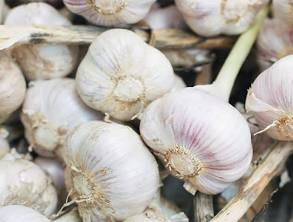
What Is Garlic Farming in Kenya:
Garlic farming in Kenya refers to the cultivation of Allium sativum (garlic) for commercial or subsistence purposes. Garlic belongs to the onion family and is valued worldwide for its strong flavor, medicinal properties, and versatility in cooking. In Kenya, garlic farming in Kenya is gaining traction as farmers realize its superior profitability compared to traditional crops like maize or beans. The demand for garlic in Kenya is driven by several factors: the growing middle class, health-conscious consumers, the restaurant industry, and the pharmaceutical sector. With proper management, garlic farming in Kenya can yield between 4,000 to 6,000 kg per acre, with market prices ranging from KSh 150 to KSh 400 per kilogram depending on the season.

Why Choose Garlic Farming in Kenya?
1. Exceptional Profitability:
Garlic farming in Kenya offers some of the highest returns per acre in the agricultural sector. Under optimal conditions, a well-managed acre can produce 4,000–5,000 kg of garlic, generating gross revenues of KSh 1,000,000 to KSh 2,000,000 per harvest cycle. Even after accounting for production costs (typically KSh 180,000–KSh 520,000 per acre), net profits can range from KSh 680,000 to KSh 1,980,000 per acre in just 4–5 months.
2. Growing Local and Export Demand:
Kenya’s demand for garlic rises by approximately 7% annually, yet local production meets only a fraction of this demand. Garlic farming in Kenya presents opportunities not only for the domestic market but also for export to neighboring East African Community countries, the Middle East, and Europe. Restaurants, supermarkets, and processing companies are constantly seeking reliable local suppliers.
3. Dual-Purpose Crop:
One of the unique advantages of garlic farming in Kenya is that garlic serves both culinary and medicinal purposes. From boosting immune systems to managing blood pressure and cholesterol, garlic’s health benefits drive consistent demand throughout the year. This dual utility makes garlic farming in Kenya a recession-resistant investment.
4. Shorter Growing Cycle:
Unlike many perennial crops, garlic farming in Kenya offers a quick turnaround. Most varieties mature within 4–6 months, allowing farmers to harvest twice a year or rotate with other crops. This rapid cycle means faster cash flow and lower financial risk.
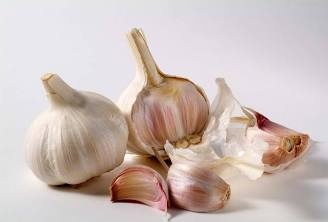
Best Regions for Garlic Farming in Kenya:
Garlic farming in Kenya thrives in specific climatic zones. The ideal conditions include:
- Altitude: 500–2,000 meters above sea level
- Temperature: 12°C–24°C (cool to temperate climate)
- Rainfall: 500–1,000 mm annually, well-distributed
- Soil: Well-drained, fertile loam or sandy loam with pH 5.5–7.0
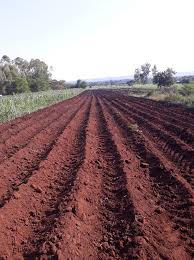
Garlic Varieties for Farming in Kenya:
Choosing the right variety is critical for successful garlic farming in Kenya. The two main categories are:
Softneck Garlic (Most Popular for Garlic Farming in Kenya):
Softneck varieties are the backbone of garlic farming in Kenya because they adapt well to the country’s warm climate and offer longer storage life (6+ months). Popular softneck varieties include:
| Variety | Bulb Size | Flavor | Maturity | Yield Potential |
|---|---|---|---|---|
| Africa Giant | Large | Strong | 120–150 days | High |
| Arusha Giant | Large | Strong | 130–160 days | High |
| Rwanda Giant | Medium | Strong | 120–150 days | Medium-High |
| Spanish Roja | Medium | Mild | 130–150 days | Medium |
| Italian White | Medium | Mild | 120–140 days | Medium |
| Chinese Flat Garlic | Medium | Strong | 110–130 days | High |
Hardneck Garlic:
Hardneck varieties produce fewer but larger cloves and are ideal for cooler highland regions. While less common in garlic farming in Kenya, they fetch premium prices:
| Variety | Bulb Size | Flavor | Maturity | Best Region |
|---|---|---|---|---|
| Elephant Garlic | Very Large | Mild | 150–180 days | Nyandarua, Nyeri |
| Purple Stripe | Medium | Strong | 130–160 days | High-altitude areas |
| Creole Garlic | Medium | Strong | 140–170 days | Cool highlands |
Certified Seed Sources for Garlic Farming in Kenya:
For successful garlic farming in Kenya, always source certified, disease-free seed cloves from Onion Doctor. Quality seeds cost KSh 750 per kg, but they directly impact your yield and disease resistance.
Step-by-Step Guide to Garlic Farming in Kenya:
Step 1: Land Preparation for Garlic Farming in Kenya:
Before starting garlic farming in Kenya, proper land preparation is essential:
- Soil Testing: Test your soil pH and nutrient levels. Ideal pH is 6.0–7.0. Apply agricultural lime if pH is below 6.0, ideally 30 days before planting.
- Ploughing and Harrowing: Break hard pans to achieve fine tilth. The soil should be loose and well-drained.
- Organic Matter: Incorporate 16 tons of well-decomposed manure per acre or 3–4 inches of compost into planting beds.
- Crop Rotation: Avoid planting garlic in fields that grew onions, tomatoes, or other alliums in the past 2–3 years. This is crucial for disease management in garlic farming in Kenya.
- Bed Formation: Create raised beds 20–25 cm high to improve drainage especially important during Kenya’s rainy seasons.

Step 2: Planting Garlic in Kenya:
Timing is everything in garlic farming in Kenya:
- Clove Selection: Choose large, firm, disease-free cloves. Bigger cloves produce bigger bulbs.
- Planting Depth: 2–3 cm deep, with the pointed end facing up
- Spacing: 10–15 cm between plants, 30–40 cm between rows
- Seed Rate: Approximately 300 kg of seed cloves per acre

Pro Tip for Garlic Farming in Kenya: Soak seed cloves in a fungicide solution before planting to prevent soil-borne diseases.
Step 3: Fertilizer Management in Garlic Farming in Kenya:
Garlic is a heavy feeder. For optimal garlic farming in Kenya, follow this fertilizer program:
| Stage | Fertilizer | Rate | Timing |
|---|---|---|---|
| Basal (Planting) | DAP or NPK 17:17:17 | 60–80 kg/acre | At planting |
| Top-dressing | CAN | 0.5 bag/acre | Week 3–4 (when shoots are 15cm) |
| Bulbing Phase | Potassium-rich fertilizer | As needed | When bulbing begins |
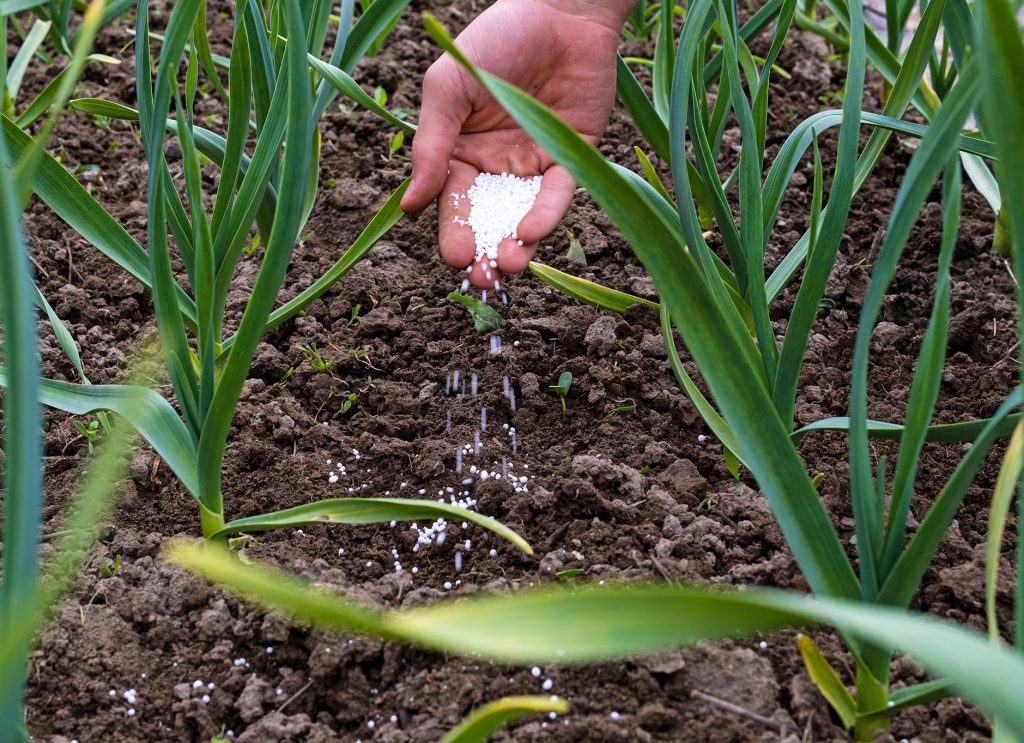
Important: Stop nitrogen applications once bulbing begins to prevent excessive leaf growth at the expense of bulb development
Step 4: Irrigation for Garlic Farming in Kenya:
Garlic has a shallow root system, making consistent moisture critical:
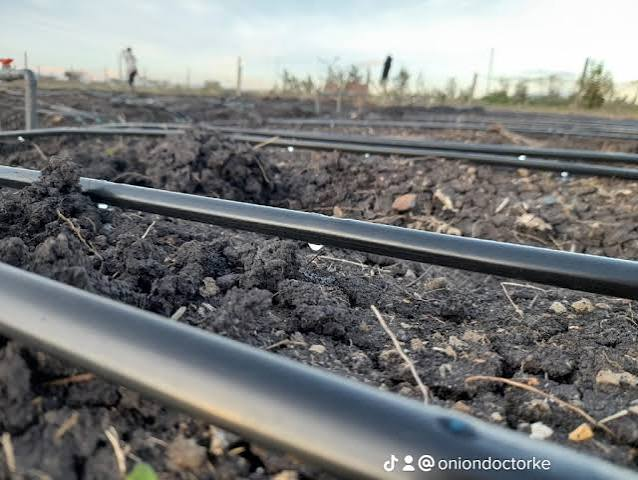
- Irrigation Systems: Drip irrigation is highly recommended for garlic farming in Kenya it delivers water directly to roots, reduces disease, and saves water.
- Water Schedule: Maintain consistent soil moisture, especially during the first 6 weeks and bulbing phase.
- Critical Rule: Stop watering 2–4 weeks before harvest to allow bulbs to mature and prevent rotting.
- Drip Kit Cost: KSh 170,000–KSh 200,000 per acre (one-time investment).
Step 5: Weed Management in Garlic Farming in Kenya:
Weeds compete aggressively with garlic for nutrients and water:
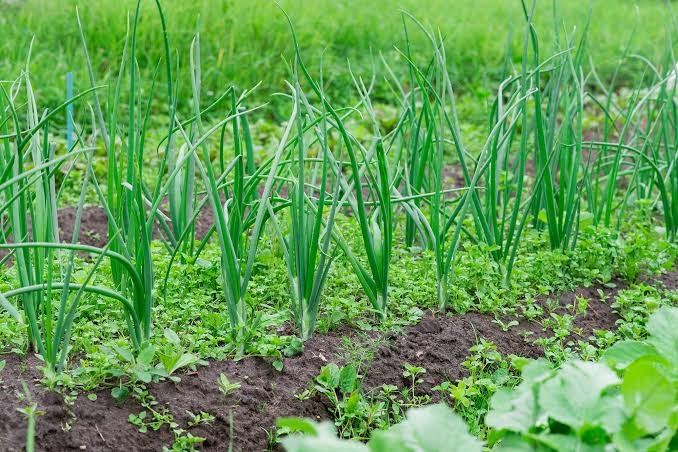
- Mulching: Apply straw or grass mulch to suppress weeds and retain soil moisture.
- Hand Weeding: Conduct 2–3 weeding sessions during the growing period.
- Herbicides: Use carefully, as garlic is sensitive to many herbicides. Always consult an agronomist
Step 6: Pest and Disease Control in Garlic Farming in Kenya:
Protecting your crop is vital for profitable garlic farming in Kenya:
Common Pests:
- Thrips: Cause silvery streaks on leaves. Control with insecticides or neem-based solutions.
- Nematodes: Attack roots, causing stunted growth. Practice crop rotation and soil solarization.
- Onion Maggots: Damage bulbs. Use certified seeds and proper sanitation.

Common Diseases:
- White Rot: The most devastating disease in garlic farming in Kenya. Prevent through crop rotation and soil fumigation.
- Rust : Orange pustules on leaves. Use resistant varieties and fungicides.
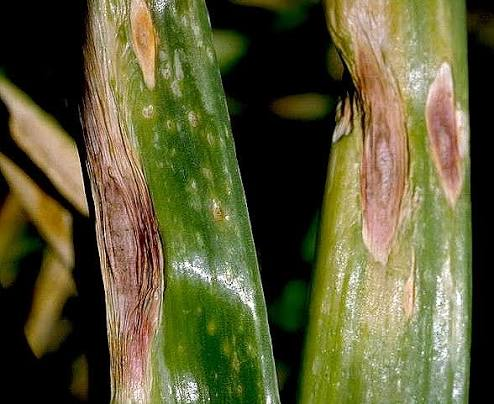
- Purple Blotch: Brown lesions with purple margins. Improve air circulation and apply fungicides.
- Downy Mildew: Yellowing and fuzzy growth. Avoid overhead irrigation.
Prevention is better than cure in garlic farming in Kenya. Use certified seeds, practice crop rotation, and maintain field hygiene.
Harvesting and Post-Harvest Handling in Garlic Farming in Kenya:
When to Harvest Garlic in Kenya:
Knowing the right harvest time is critical for garlic farming in Kenya:
- Timing: 4–6 months after planting, depending on variety
- Visual Cues: Harvest when 50–60% of leaves have turned brown while upper leaves remain slightly green
- Bulb Check: Dig a few bulbs to confirm they have formed proper cloves
Harvesting Techniques:
- Loosen Soil: Use a fork or hoe to loosen soil around bulbs without damaging them
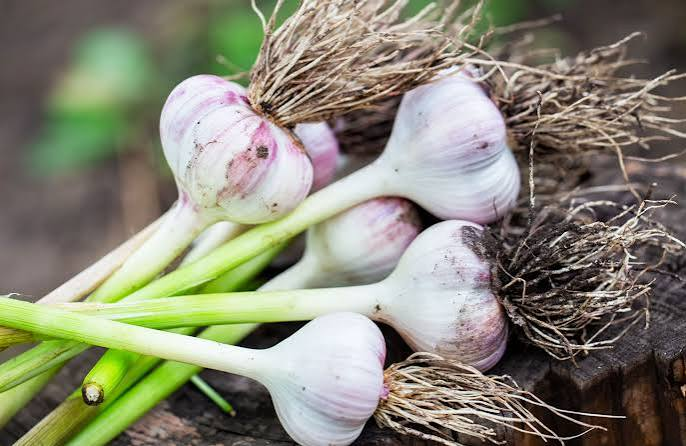
- Pull Gently: Extract bulbs with tops attached
- Avoid Bruising: Damaged bulbs rot quickly and fetch lower prices
Curing and Storage for Garlic Farming in Kenya:
Proper post-harvest handling determines your final profit in garlic farming in Kenya:
- Curing: Hang bulbs in a dry, well-ventilated, shaded area for 2–3 weeks. This hardens the outer skin and extends shelf life.
- Trimming: Cut roots and trim tops to 2–3 cm after curing
- Storage Conditions: Store at 0–4°C with 60–70% humidity. Properly cured garlic can store for 6+ months.
- Sorting: Grade bulbs by size large bulbs command premium prices (KSh 300–400/kg) while smaller ones sell for KSh 150–200/kg.

Value Addition Opportunities in Garlic Farming in Kenya:
Smart farmers in garlic farming in Kenya don’t just sell raw bulbs they add value:
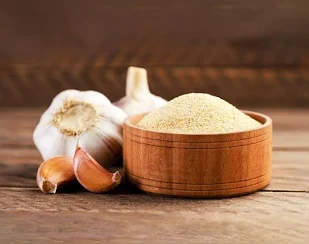
- Garlic Powder: Process dried garlic into powder for the spice market
- Garlic Oil: Extract oil for medicinal and cosmetic industries
- Dried Garlic Flakes: Package for export markets
- Pre-peeled Garlic: Supply to restaurants and food processors
Are you in need of in-depth knowledge on onion and garlic production? If yes, we are a call away. Contact us for: Onion seedlings, Garlic seedlings, Germinated garlic cloves, Farm planning services, Soil testing, training on onion and garlic growing, Drip irrigation installation and maintenance, Agronomic support, Onion and Garlic value pack and Farm management. For free consultation, placing orders or booking a visit with an agronomist, please contact us via Call or what’s app +254703982228, Email: info@oniondoctor.co.ke You can also check out our social media handles for daily updates on TikTok: https://www.tiktok.com/@oniondoctorke0706252490?_r=1&_t=ZS-96UPUyx6ESL Instagram:https://www.instagram.com/oniondoctorke?igsh=MW5sZzJ6c3BnZ3Z0dw==Facebook:https://www.facebook.com/share/1HouRgLCwS/Twitter:https://x.com/OnionDoctorKe?s=20