
Onion farming in Kenya has become one of the most rewarding agricultural ventures for smallholder and commercial farmers alike. With its high demand in local markets and export potential, mastering the choice between seeds and seedlings can make or break your success in onion farming in Kenya. This educative blog dives deep into the science, economics, and practical realities of seeds versus seedlings, tailored specifically for onion farming in Kenya. Onions are biennial crops typically grown as annuals. Farmers must decide early whether to use direct seeding or transplant seedlings. In onion farming in Kenya, this decision influences everything from germination rates to harvest timelines, especially under varying climatic conditions across regions like Nyandarua, Meru, and Nakuru.Onion farming in Kenya relies heavily on informed choices at the propagation stage. Many beginners overlook how seeds and seedlings affect soil preparation, pest management, and irrigation needs unique to onion farming in Kenya.
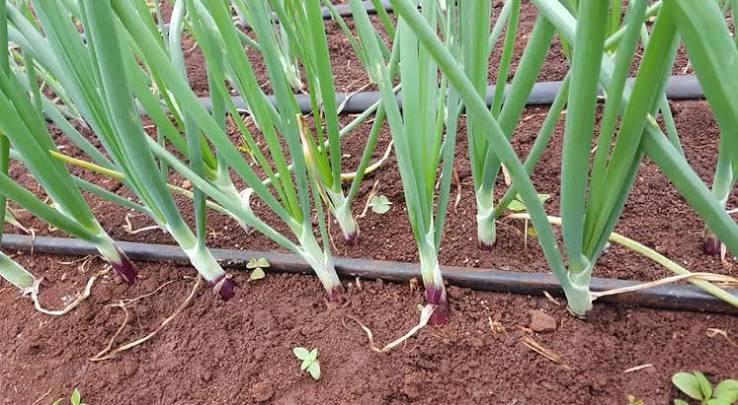
Growing Onions from Seeds: Pros, Cons, and Techniques:
Direct seeding involves sowing onion seeds straight into the field or nursery beds. This method is cost-effective because seeds are cheaper than purchasing or raising seedlings. In onion farming in Kenya, seed varieties like Red Creole and Texas Grano perform exceptionally well when sown during the right seasons.
Advantages:
- Lower initial investment.
- Stronger root systems that develop naturally in the soil.
- Potential for higher plant density if thinning is done correctly.
Disadvantages:
- Slower establishment (germination can take 10-14 days).
- Higher vulnerability to weeds, pests, and erratic weather.
- Uneven stands leading to variable bulb sizes.
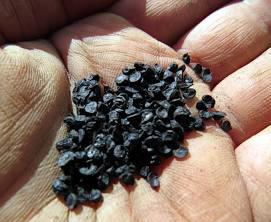
- For successful seed-based onion farming in Kenya, prepare raised beds with well-drained loamy soil, pH 6.0-7.0, and apply organic manure generously. Sow seeds at 1-2 cm depth, spacing rows 30 cm apart. In onion farming in Kenya, consistent moisture during germination is critical to avoid crusting.
- Onion farming in Kenya benefits from seed treatment with fungicides to combat damping-off diseases common in humid highlands. Farmers practicing onion farming in Kenya often report that seed methods require more labor for thinning but yield significant savings on transplant costs. Onion farming in Kenya continues to evolve with hybrid seeds that offer better disease resistance.
- Onion farming in Kenya demonstrates the resilience of direct seeding when combined with mulching to retain soil moisture. Many success stories in onion farming in Kenya highlight how proper seed selection leads to bountiful harvests. Onion farming in Kenya also shows the importance of timely weeding in seed-planted fields.
- Onion farming in Kenya requires careful monitoring of seedling emergence rates when using direct seeding.
Growing Onions from Seedlings (Transplants): Faster Path to Harvest:
Raising or buying seedlings for transplanting accelerates the crop cycle by 4-6 weeks compared to seeds. In onion farming in Kenya, this head start is invaluable during short rainy seasons or when targeting premium early markets.
Advantages:
- Uniform plant stands and bulb sizes.
- Reduced exposure to early pests and weeds.
- Higher survival rates in challenging soils.
- Earlier maturity allowing double-cropping in some areas.
Disadvantages:
- Higher upfront costs for nursery management or purchased seedlings.
- Transplant shock if not handled carefully.
- Risk of introducing diseases from poor-quality seedlings.
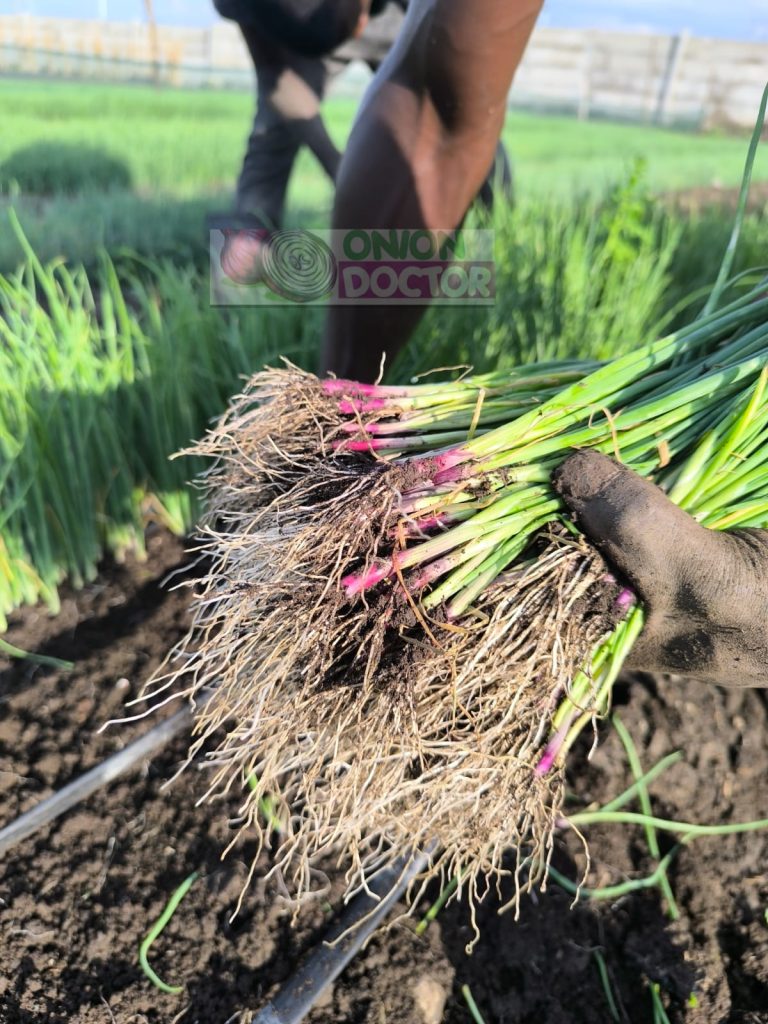
- In onion farming in Kenya, nurseries are established 6-8 weeks before transplanting. Sow seeds densely in trays or beds, then harden seedlings before moving them to the main field at 10-15 cm height. Onion farming in Kenya favors this method in regions with reliable water for nurseries.
- Onion farming in Kenya has seen increased adoption of seedling transplants due to labor availability and better market timing. Farmers engaged in onion farming in Kenya appreciate the predictability seedlings bring to bulb development. Onion farming in Kenya often integrates drip irrigation for transplanted fields to minimize stress.
- Onion farming in Kenya proves that healthy seedlings lead to larger, marketable bulbs. The practice of onion farming in Kenya benefits enormously from certified seedling suppliers. Onion farming in Kenya continues to expand as more growers recognize transplant advantages.
- Onion farming in Kenya highlights the need for proper spacing (10 cm between plants) when using seedlings.
Seeds vs Seedlings: Head-to-Head Comparison for Onion Farming in Kenya:
| Aspect | Seeds | Seedlings |
|---|---|---|
| Cost | Lower | Higher |
| Time to Harvest | Longer (120-150 days) | Shorter (90-120 days) |
| Uniformity | Variable | High |
| Labor | High (thinning, weeding) | Moderate (transplanting) |
| Risk in Dry Spells | Higher | Lower |
| Suitability in Kenya | Ideal for large-scale | Ideal for intensive, market-driven |
This comparison underscores key trade-offs in onion farming in Kenya shows that seedling methods can increase yields by 20-30% in onion farming in Kenya under optimal management.Onion farming in Kenya demands evaluating land size, water access, and market windows before choosing. In highland areas, onion farming in Kenya leans toward seedlings for frost-sensitive early growth stages. Onion farming in Kenya also reveals that hybrid seeds combined with transplants maximize returns.Onion farming in Kenya illustrates how seeds suit resource-limited farmers while seedlings favor those with capital for inputs.
Best Practices Tailored for Onion Farming in Kenya:
Success in onion farming in Kenya hinges on integrated management:
- Soil testing and balanced fertilization.
- Integrated pest management against thrips and onion flies.
- Proper curing and storage post-harvest.
Onion farming in Kenya thrives when farmers rotate crops to break disease cycles. Onion farming in Kenya encourages the use of certified inputs from Onion Doctor.
Challenges and Solutions in Onion Farming in Kenya:
- Common hurdles include erratic rainfall, pest outbreaks, and market price fluctuations. In onion farming in Kenya, seeds may fail in waterlogged soils while seedlings recover better with proper drainage.
- Onion farming in Kenya addresses climate variability through greenhouse nurseries for seedlings. Onion farming in Kenya has overcome seed quality issues via Onion Doctor seedlings.
- Onion farming in Kenya requires training on timely transplanting to avoid bolting. Onion farming in Kenya benefits from Onion Doctor`s Training services and Transplanting supervision. Onion farming in Kenya also tackles post-harvest losses with improved storage structures.
Are you in need of in-depth knowledge on onion and garlic production? If yes, we are a call away. Contact us for: Onion seedlings, Garlic seedlings, Germinated garlic cloves, Farm planning services, Soil testing, training on onion and garlic growing, Drip irrigation installation and maintenance, Agronomic support, Onion and Garlic value pack and Farm management. For free consultation, placing orders or booking a visit with an agronomist, please contact us via Call or what’s app +254703982228, Email: info@oniondoctor.co.ke You can also check out our social media handles for daily updates on TikTok: https://www.tiktok.com/@oniondoctorke0706252490?_r=1&_t=ZS-96UPUyx6ESL Instagram:https://www.instagram.com/oniondoctorke?igsh=MW5sZzJ6c3BnZ3Z0dw==Facebook:https://www.facebook.com/share/1HouRgLCwS/Twitter:https://x.com/OnionDoctorKe?s=20