
If you’re looking for a high-value, low-risk agricultural venture that can transform your financial future, garlic farming in Kenya should be at the very top of your list. In 2026, garlic farming in Kenya has emerged as one of the most profitable agribusiness opportunities for smallholder and commercial farmers alike. With demand for both local consumption and export markets continuing to rise, garlic farming in Kenya offers an attractive investment that few other crops can match. The numbers are staggering. A single acre of well-managed garlic farming in Kenya can generate gross revenues between KSh 900,000 and KSh 700,000 with net profits ranging from KSh 400,000 to KSh 600,000 per acre in just one season. Whether you are a beginner exploring horticultural crops or an experienced farmer diversifying your portfolio, this comprehensive guide to garlic farming in Kenya covers everything you need to know to maximize your profitability.Garlic farming in Kenya benefits from a massive supply gap — local production meets less than 20% of national consumption, with approximately 80% of Kenya’s garlic imported from China and India. This creates a golden opportunity for local farmers who produce quality garlic to capture significant market share
Chapter 1: Understanding the Garlic Crop and Its Market Potential:
What Is Garlic?
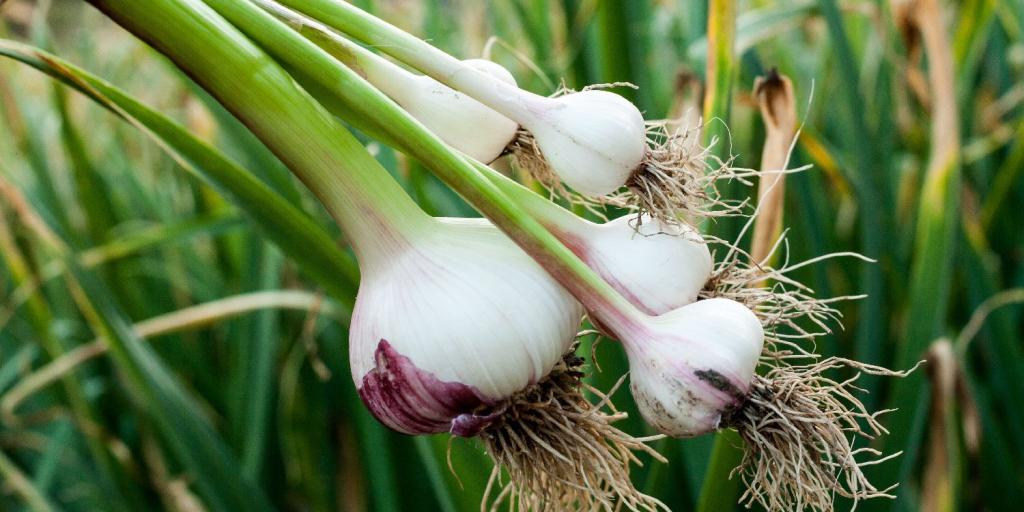
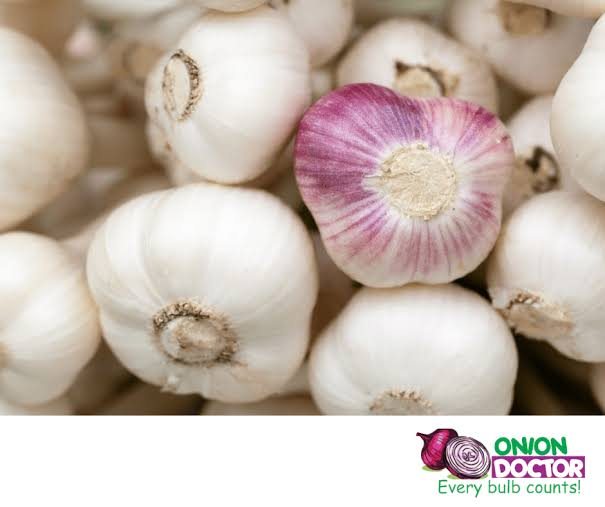
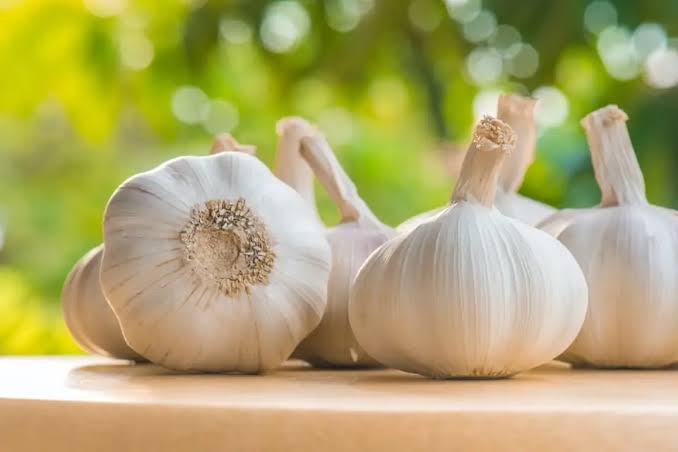
Garlic (Allium sativum), locally referred to as kitunguu saumu, is a high-value crop and herb from the onion family used both for medicinal purposes and to spice food. A piece of garlic is a white or purple head the size of an egg that is made up of small cloves. When used as a food ingredient, garlic has a powerful and delicious aroma that makes it indispensable in Kenyan kitchens, restaurants, and hotels.
Health Benefits Driving Demand for Garlic Farming in Kenya:
The rising demand for garlic in Kenya stems from its powerful health-promoting properties. Research shows garlic’s active compounds strengthen the immune system, helping fight common infections and reducing the severity of cold symptoms. Its natural antioxidants protect cells from damage while supporting heart health by lowering blood pressure and cholesterol levels.
Key health benefits include:
- Boosts the immune system: strengthens defense against bacterial and viral infections
- Promotes cardiovascular health: improves blood circulation and decreases blood pressure.
- Rich in antioxidants: inhibits growth of cancer tumors
- Helps reduce cholesterol levels: supports overall metabolic health

The Economics of Garlic Farming in Kenya:
Garlic farming in Kenya is notably more profitable compared to traditional crops like maize or beans. An acre of garlic can produce between 4 to 5 tons, with market prices ranging from KSh 150 to KSh 400 per kilo. This can translate into profits exceeding KSh 1 million per acre, making garlic an attractive crop for both smallholder farmers and agribusiness investors.
Sample Profit Calculation for Garlic Farming in Kenya (Per Acre):
| Scenario | Conservative | Moderate | Optimistic |
|---|---|---|---|
| Yield | 4,000 kg | 5,000 kg | 6,000 kg |
| Price per kg | KSh 200 | KSh 250 | KSh 300 |
| Gross Revenue | KSh 800,000 | KSh 1,250,000 | KSh 1,800,000 |
| Production Costs | KSh 350,000 | KSh 450,000 | KSh 520,000 |
| Net Profit | KSh 450,000 | KSh 800,000 | KSh 1,280,000 |
Chapter 2: Ecological Requirements for Successful Garlic Farming in Kenya:
Climate and Temperature:
Garlic farming in Kenya performs best in medium to high altitudes ranging from 500 to 2,000 meters above sea level. It requires a moderate climate with consistent temperatures between 24°C and 30°C for optimal bulb development, although cooler temperatures of 12-24°C are preferred during the early vegetative stages. The crop is sensitive to excess moisture and humidity; therefore, it thrives in areas with low rainfall, often supplemented by irrigation during dry spells. Garlic farming in Kenya flourishes in areas with low humidity, low sunshine, moderate rainfall, and consistent temperatures throughout the year.
Best Regions for Garlic Farming in Kenya:
The following regions are highly suitable for garlic farming in Kenya:
- Central Kenya: Nyeri, Murang’a, Kiambu, Kirinyaga, Embu, Meru, Laikipia
- Rift Valley: Nakuru, Narok, Kajiado, Bomet, Nyandarua
- Eastern Kenya: Machakos
- Other suitable areas: Parts of the Rift Valley and highland regions
These areas offer ideal temperatures ranging from 12°C to 24°C and well-drained, fertile soils that contribute to healthy crop development and reduce disease risks.
Rainfall and Water Requirements:
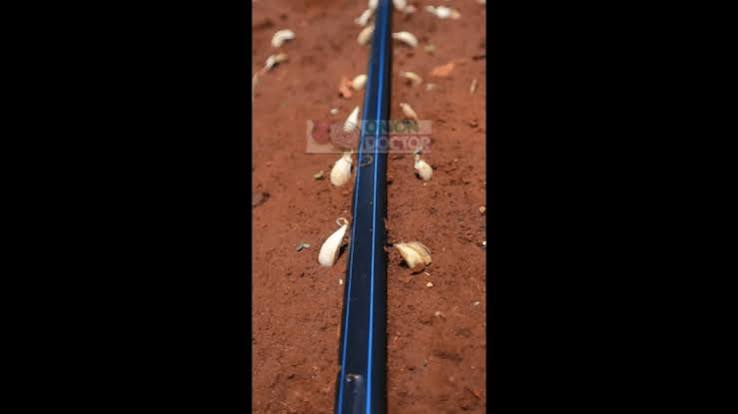
Moderate water is essential for healthy garlic development. The crop typically requires between 400 and 600 mm of rainfall over its growing period. However, excessive rainfall can lead to fungal diseases, particularly if water pools around the bulb. In regions with low or unreliable rainfall, drip irrigation becomes crucial for successful garlic farming in Kenya.
Chapter 3: Soil Requirements and Land Preparation for Garlic Farming in Kenya:
Soil Characteristics:
Garlic requires well-drained, fertile loam or black cotton soil rich in organic matter. The ideal soil pH should range between 5.5 and 6.8. It is critical to avoid heavy clay soils, as they restrict the physical enlargement of the bulbs and lead to poor yields.
Key soil requirements for garlic farming in Kenya:
- Soil type: Sandy loam or loam (light to medium-textured soils)
- pH range: 5.5 to 6.8 (slightly acidic to neutral)
- Drainage: Excellent drainage is mandatory waterlogged soils cause root rot
- Organic matter: Rich in compost or well-rotted manure
- Depth: Loose and airy to a depth of 6–8 inches
Soil Testing:
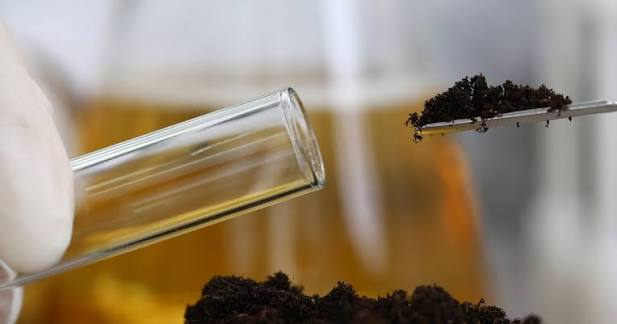
Before starting garlic farming in Kenya, conducting a soil test is essential. It reveals the soil’s pH, texture, and nutrient levels, guiding the farmer on necessary amendments. Where necessary, lime can be applied to raise soil pH, while sulfur can help reduce it.
Land Preparation Steps:
Proper land preparation is the foundation of profitable garlic farming in Kenya:
- Site Selection: Choose land that has not been used to grow any member of the onion family for the past 2-3 years. This helps in disease mitigation as well as soil nutrient replenishment.
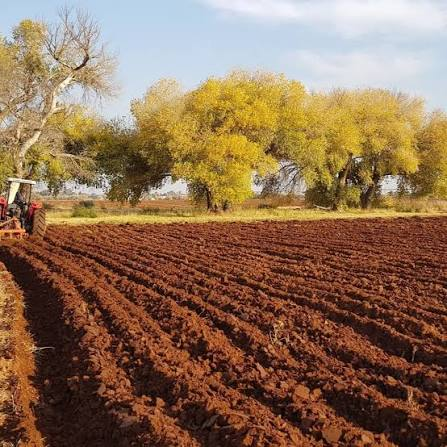
- Clearing and Ploughing: Clear all bushes and plough the land to break hard pans.
- Harrowing: Harrow to achieve fine tilth and a level surface.
- Manure Incorporation: Broadcast and mix the soil with well-decomposed manure a few days before planting.
- Bed Preparation: Create raised beds or ridges about 15-20 cm high. Raised beds facilitate better drainage, reduce waterlogging around the bulbs, and improve air circulation.
Chapter 4: Choosing the Right Garlic Varieties for Garlic Farming in Kenya:
Main Garlic Varieties in Kenya:
Three main garlic varieties dominate garlic farming in Kenya:
1. Softneck Varieties:
Softneck garlic is the most popular among commercial farmers engaged in garlic farming in Kenya because it is easier to grow and has a longer shelf life of up to six months.
2. Hardneck Varieties:
Hardneck varieties produce fewer but larger cloves and are characterized by a woody central stem that produces a false flower stalk known as a scape.While Hardneck garlic is prized for its intense flavor, it does not store as well as Softneck types, making it less ideal for commercial garlic farming in Kenya focused on long-term storage.
3. Elephant Garlic:
Elephant garlic is distinguished by its massive size and subtle, mild odor. It has large bulbs and bigger cloves, but the taste and smell are less strong compared to hard and soft neck species. It is less common in mainstream Kenyan markets but commands premium prices where available.
Why Softneck Garlic Is Preferred:
Softneck garlic remains the preferred choice among Kenyan farmers due to its:
- Extended shelf life (6-8 months when properly stored)
- Consistent market demand
- Higher resistance to local pests
- Milder flavor appealing to most consumers
- Better adaptability to Kenyan climatic conditions
Chapter 5: Planting Guide for Garlic Farming in Kenya:
Seed Selection and Preparation:
Garlic farming in Kenya is done using seed cloves. As an aspiring garlic grower, you must procure certified garlic seeds that have fully matured cloves and are free from any diseases. Such seeds can be bought from garden centers or approved seed companies.
Tips for selecting the best seed cloves:
- Avoid using cloves from the market they may carry diseases
- Choose the largest cloves they yield a better crop compared to small ones
- Ensure cloves are firm, plump, and free from disease or damage
- Purchase certified, disease-free seed cloves from reputable suppliers
Planting Specifications:
For successful garlic farming in Kenya, follow these planting guidelines:
| Parameter | Specification |
|---|---|
| Spacing between plants | 15 cm (6 inches) |
| Spacing between rows | 30 cm (12 inches) |
| Planting depth | 2-3 cm (pointy side up) |
| Seed rate | 300 kg of seed cloves per acre |
| Row spacing | 30-40 cm |
Planting Technique:
- Dig holes or trenches about 25 cm deep
- Sow single garlic cloves with the root end down and the pointy side facing up
- Cover the clove with loose and airy soil
- Water the rows slightly until the soil surface is slightly damp
- Avoid over-watering excess water will make the seed cloves rot before they can grow
Mulching:
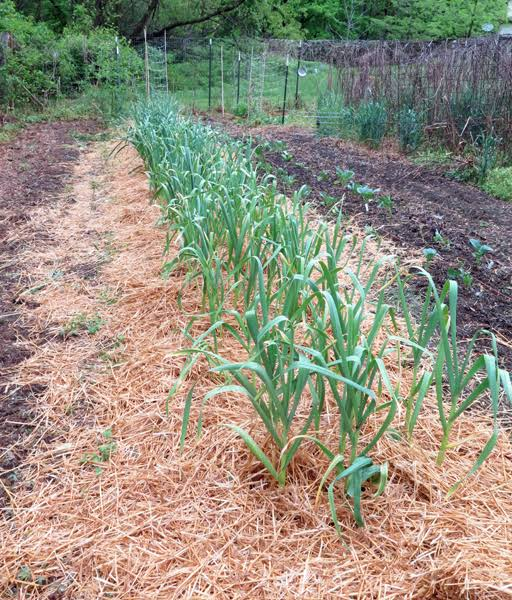
After planting your garlic seeds, safeguard them from harsh conditions using a thick layer of mulch. Use a 4 to 6-inch layer of straw, chopped leaves, or grass and place them above the rows. Mulching helps:
- Insulate seeds from severe weather conditions
- Retain soil moisture
- Suppress weed growth
- Maintain steady soil temperature
Chapter 6: Water Management and Irrigation for Garlic Farming in Kenya:
Water Requirements:
Garlic has a shallow root system, making consistent moisture critical for garlic farming in Kenya. However, the crop requires less water than many other vegetables. When seeds are covered in mulch, no watering may be needed during the rainy season.
Key watering guidelines:
- Light watering (about 1 inch deep) is adequate
- Water after a couple of weeks if the season has little rainfall
- If there are reasonable rains every 10 to 14 days, no additional watering is required
- Critical: Stop watering 2-4 weeks before harvesting to allow proper bulb formation and prevent rot
Irrigation Systems:
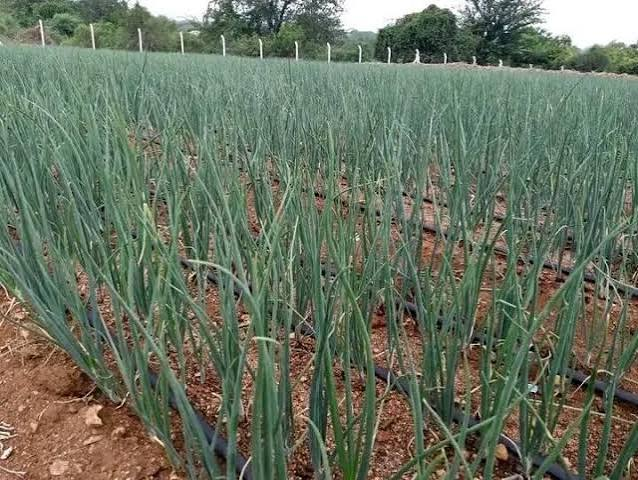
For commercial garlic farming in Kenya, drip irrigation is the preferred method:
- Drip kit cost: KSh 170,000–KSh 200,000 per acre
- Delivers water directly to the root zone while keeping leaves dry
- Minimizes the risk of fungal diseases
- Allows for precise water and fertilizer application
- Transforms garlic farming in Kenya from a rain-dependent gamble into a reliable year-round business
Chapter 7: Fertilization and Nutrition Management:
Nutrient Requirements:
Successful garlic farming in Kenya requires balanced nutrition throughout the growing cycle:
At Planting:
- Incorporate well-decomposed organic manure or compost into the soil
- Apply a balanced NPK fertilizer
During Vegetative Growth:
- Top-dress with nitrogen-based fertilizers every 30 to 40 days
- Apply fertilizer by sprinkling granules around the plants (ensure granules do not touch the actual plant to avoid burning)
Chapter 8: Pest and Disease Management in Garlic Farming in Kenya:
Major Pests:
| Pest | Damage | Control Measures |
|---|---|---|
| Thrips | Cause silvery streaks on leaves | Use insecticidal soap or recommended pesticides |
| Nematodes | Attack roots and bulbs | Practice crop rotation, use certified seed, soil fumigants |
| Aphids | Sap-sucking insects that reduce vigor | Use recommended insecticides, encourage natural predators |
| Red ants | Disturb root systems | Proper field sanitation, biological control |
Common Diseases:
| Disease | Symptoms | Prevention and Control |
|---|---|---|
| White Rot | Most devastating disease; causes plant wilting and death | No cure exists — prevention through certified seed and 5-7 year crop rotation is essential |
| Rust | Orange pustules on leaves | Apply fungicides early, improve air circulation |
| Downy Mildew | Brown leaf tips | Improve air circulation, avoid overhead irrigation |
| Purple Blotch | Fungal infection on leaves | Controlled through fungicides, proper spacing |
| Powdery Mildew | White powdery coating on leaves | Fungicides, proper ventilation |
Integrated Pest Management (IPM):
IPM is the best approach for sustainable garlic farming in Kenya:
- Use certified, disease-free seed cloves
- Practice crop rotation (avoid planting garlic or onions in the same field for 5-7 years)
- Maintain farm hygiene
- Regular monitoring and early intervention
- Use recommended organic pesticides and fungicides where necessary
Chapter 9: Weed Management in Garlic Farming in Kenya:
Weed management is one of the most critical field management practices in garlic farming in Kenya. Weeds compete with garlic for nutrients, light, and water, leading to substantial yield loss if not controlled early.
Weed Control Methods:
- Hand hoeing: remove weeds carefully to avoid damaging shallow garlic roots
- Mulching: suppresses weed growth while retaining moisture
- Cultivation: shallow cultivation to avoid root damage
- Herbicides: use recommended herbicides following manufacturer guidelines
- Crop rotation: plant new garlic seeds in areas that have stayed long without garlic or onion plantings
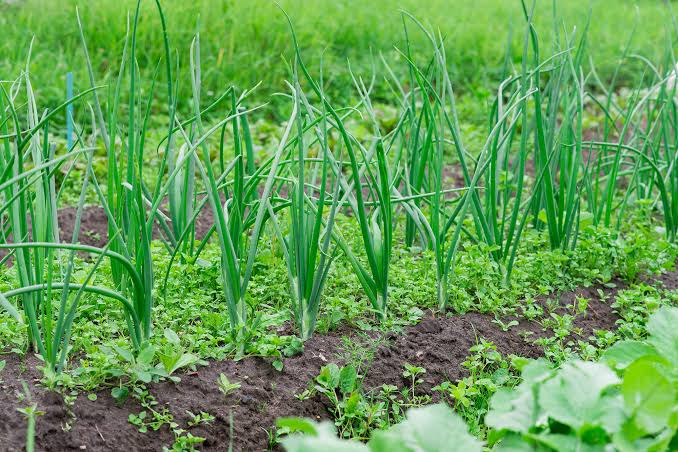
Important: Early weed management is very crucial as it will prevent substantial yield loss in garlic farming in Kenya.
Chapter 10: Harvesting and Post-Harvest Handling:
When to Harvest:
Knowing when to harvest determines your final profit in garlic farming in Kenya:
- Timing: Approximately 4-6 months after planting (varies by variety)
- Signs of maturity: Lower leaves turn brown while upper leaves remain green; approximately 50% of leaves have browned
- Pre-harvest: Stop watering 2-4 weeks before harvesting to allow proper bulb formation and easier harvesting
Harvesting Technique:
- Loosen soil with a fork or spade
- Pull bulbs gently to avoid bruising
- Brush off excess soil
- Do not wash bulbs this can introduce moisture and cause rot during curing
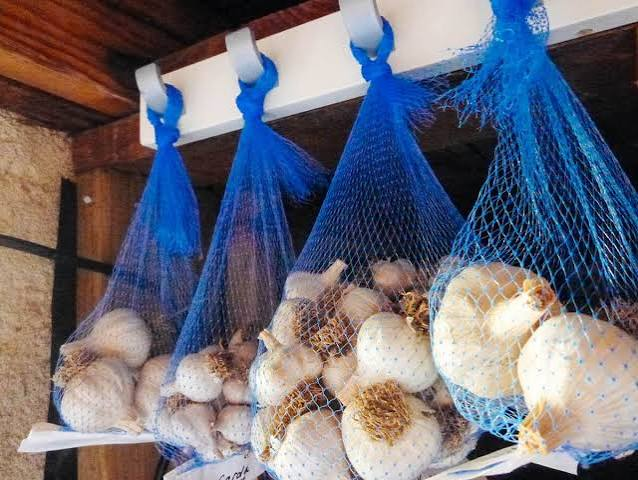
Curing Process:
Proper curing is essential for long-term storage in garlic farming in Kenya:
- Bundle bulbs in tens or fifteens
- Hang bundles or spread on racks in a well-ventilated, shaded area
- Cure for 2-4 weeks until outer skins are papery and necks are completely dry
- Cut down the tops about one inch above the main bulb and roots
- Remove outer skin without exposing the cloves
- Clean off any remaining soil
Storage:
For Table Stock:
- Store at 0–4°C with 60-70% humidity
- Temperatures above 4°C will cause sprouting
- Humidity above 70% will stimulate rooting
For Planting Stock:
- Store at room temperature with 60-70% relative humidity
Properly cured garlic from garlic farming in Kenya can store for 6-8 months, allowing farmers to sell when prices peak rather than during market gluts.
Are you in need of in-depth knowledge on onion and garlic production? If yes, we are a call away. Contact us for: Onion seedlings, Garlic seedlings, Germinated garlic cloves, Farm planning services, Soil testing, training on onion and garlic growing, Drip irrigation installation and maintenance, Agronomic support, Onion and Garlic value pack and Farm management. For free consultation, placing orders or booking a visit with an agronomist, please contact us via Call or what’s app +254703982228, Email: info@oniondoctor.co.ke You can also check out our social media handles for daily updates on TikTok: https://www.tiktok.com/@oniondoctorke0706252490?_r=1&_t=ZS-96UPUyx6ESL Instagram:https://www.instagram.com/oniondoctorke?igsh=MW5sZzJ6c3BnZ3Z0dw==Facebook:https://www.facebook.com/share/1HouRgLCwS/Twitter:https://x.com/OnionDoctorKe?s=20