
If you are looking for a high-value, fast-maturing crop that guarantees consistent income, spring onion farming in Kenya should be at the top of your list. Unlike bulb onions that take 3–4 months to mature, spring onions are ready for harvest in just 60–75 days. This means you can run multiple cycles per year, turning a small piece of land into a profitable enterprise. Spring onion farming in Kenya has exploded in popularity over the past few years, driven by rising demand from urban households, restaurants, supermarkets, and even export markets. Whether you are a first-time farmer or a seasoned commercial grower, spring onion farming in Kenya offers one of the best returns on investment in the horticulture sector. In this comprehensive guide, we will walk you through everything you need to know about spring onion farming in Kenya from selecting the right varieties and preparing your land, to marketing your produce for maximum profit.
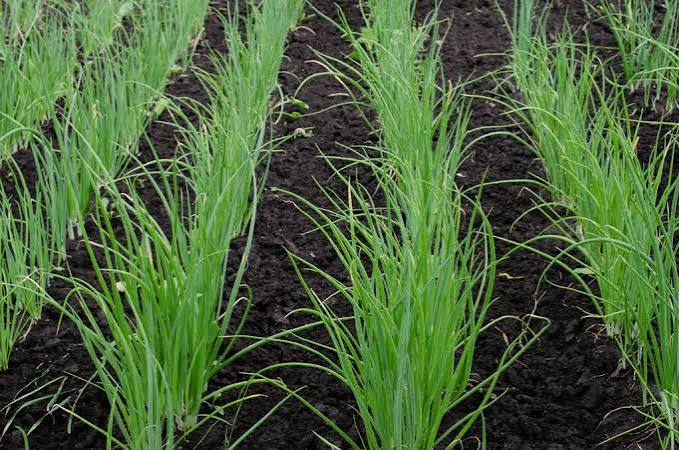
What Are Spring Onions? Understanding the Crop Before You Start:
Before diving into spring onion farming in Kenya, it is important to understand what makes this crop unique. Spring onions are non-bulbing onions grown primarily for their long, hollow green leaves and slender white stems. They are used in salads, soups, stir-fries, and as garnishes making them a staple in Kenyan kitchens and hotel industries.Unlike bulb onions, which require curing and storage, spring onions are sold fresh. This eliminates the risk of post-harvest rot and allows you to sell directly to consumers immediately after harvesting. For small-scale farmers, spring onion farming in Kenya is particularly attractive because it requires minimal capital and matures quickly.
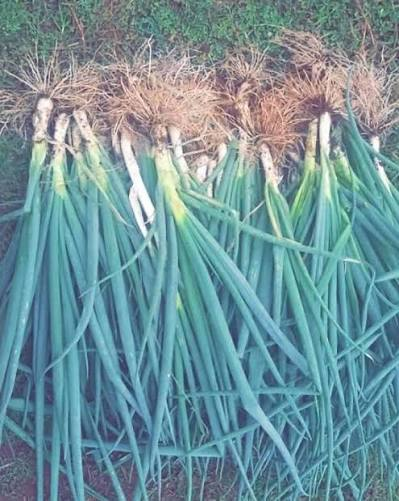
Why Choose Spring Onion Farming in Kenya? Top 6 Benefits:
1. Rapid Maturity and Quick Cash Flow:
One of the biggest advantages of spring onion farming in Kenya is the speed at which you earn returns. With a maturity period of just 60–75 days, you can harvest and sell your first crop within two months of transplanting.
2. Multiple Harvesting Cycles Per Year:
Because spring onions mature so fast, spring onion farming in Kenya allows for 3–4 growing cycles annually on the same piece of land. This multiplies your income potential compared to single-season crops.
3. High Market Demand Year-Round:
The demand for fresh spring onions never drops. From Nairobi’s Wakili Market to Mombasa’s Kongowea Market, and from local mama mbogas to high-end restaurants, spring onion farming in Kenya taps into a market that consumes this crop daily.
4. Low Initial Investment:
You do not need a tractor or expensive machinery to succeed in spring onion farming in Kenya. With basic tools, quality seeds, and proper management, you can start on a quarter-acre and scale up gradually.
5. Suitable for Small Landholdings:
Spring onion farming in Kenya is ideal for farmers with limited land. The crop is compact, allowing for high-density planting. You can even intercrop spring onions with carrots, lettuce, or tomatoes to maximize land use.
6. Health and Nutritional Value:
Spring onions are rich in vitamins A, C, and K, and contain compounds that help lower blood sugar and cholesterol. As health-conscious eating rises in Kenya, spring onion farming in Kenya positions you to supply a nutritionally valued crop.
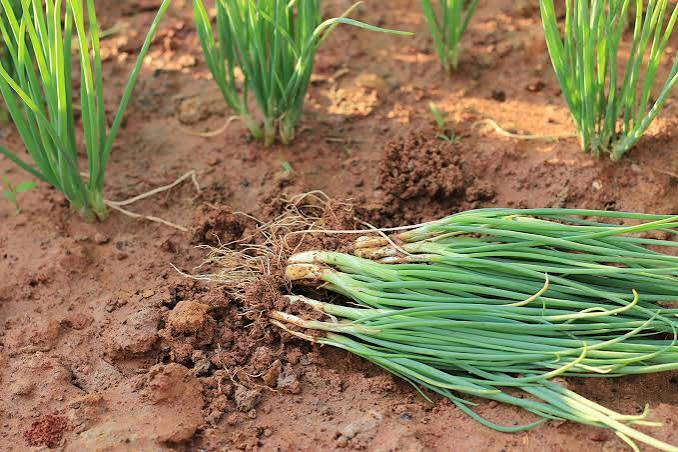
Ideal Growing Conditions for Spring Onion Farming in Kenya:
Climate Requirements:
- Temperature: 13°C to 25°C
- Rainfall: 600mm–1,200mm annually, or supplementary irrigation
- Sunlight: Full sun exposure with protection from strong winds
Soil Requirements:
For optimal spring onion farming in Kenya, your soil should be:
- Well-drained loamy or sandy loam soil
- pH between 6.0 and 7.5
- Rich in organic matter
- Free from waterlogging
Spring onions have shallow root systems, so deep, loose soil is essential for proper root establishment. If your soil is too acidic, add agricultural lime at least 2–3 weeks before planting
Land Preparation: The Foundation of Successful Spring Onion Farming in Kenya:
Proper land preparation is non-negotiable in spring onion farming in Kenya. Follow these steps:
- Clear the land of weeds, rocks, and previous crop residues.
- Deep plow to 15–20cm to break hard pans and loosen the soil.
- Add well-decomposed manure.
- Level the field to ensure uniform water distribution.
- Create raised beds (15cm high) in areas with heavy rainfall or poor drainage.
- Test soil pH and correct using lime or gypsum as needed.
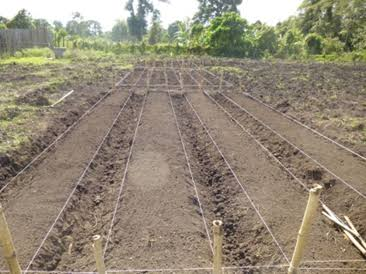
In areas like Kajiado where the climate is hot and semi-arid, spring onion farming in Kenya requires careful bed preparation combined with drip irrigation infrastructure.
Planting Techniques: Nursery vs. Direct Sowing:
There are two main approaches to spring onion farming in Kenya:
Method 1: Nursery Transplanting:
This is the most reliable method for spring onion farming in Kenya.
- Prepare nursery beds 1 meter wide with fine, well-drained soil.
- Mix in phosphatic fertilizer.
- Sow seeds in shallow furrows 1–2cm deep, spaced 15cm apart.
- Cover lightly with soil and apply a mulch of grass or banana leaves to protect seeds from splashing during irrigation.
- Seeds germinate in 10 days. Remove mulch and create a shade structure above the tender seedlings.
- Transplant after 4–6 weeks when seedlings have pencil-thick bases and are about 15cm tall.
- Space transplants 30cm between rows and 8–10cm within rows.
- Reduce shade two weeks before transplanting to harden the seedlings.
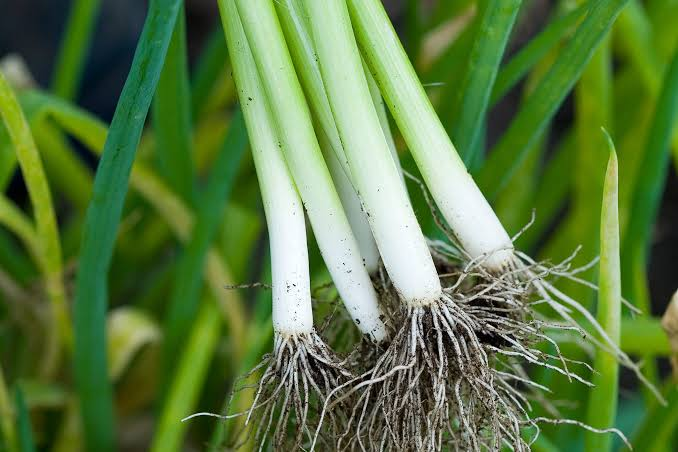
Method 2: Direct Sowing:
Direct sowing works best during the rainy season when soil moisture is reliable. Create furrows 1–2cm deep, space rows 20cm apart, sow thinly, and cover lightly. While simpler, direct sowing has lower germination rates than the nursery method in spring onion farming in Kenya.
Pro Tip: Always transplant in cool weather early morning or late evening to reduce transplant shock.
Fertilizer and Nutrient Management:
Nutrient management is critical for high yields in spring onion farming in Kenya.
Basal Application (At Planting):
- Apply DAP during planting.
- DAP provides phosphorus for root development.
Top-Dressing Schedule:
- Apply CAN after transplanting.
- For continuous harvesting cycles in spring onion farming in Kenya, repeat CAN application every 6 weeks.
Micronutrients:
- Spray foliar feed containing zinc, magnesium, and boron every 2 weeks.
- Apply early morning or late evening to avoid leaf burn.
Organic Supplements:
- Incorporate well-rotted manure during land preparation.
- Use compost tea as a natural fertilizer supplement.
- Practice crop rotation with legumes to fix nitrogen naturally.
Irrigation Best Practices for Spring Onion Farming in Kenya:
Spring onions require consistent moisture without waterlogging. Poor irrigation is one of the leading causes of failure in spring onion farming in Kenya.
Recommended Methods:
- Drip irrigation: The gold standard. Delivers water directly to roots, reduces disease pressure, and allows for fertigation.
- Morning or evening watering: Minimizes evaporation loss.
- Maintain soil moisture at 60–70%: Light, frequent irrigation is better than heavy flooding
Warning Signs:
- Yellowing leaves: Overwatering or poor drainage.
- Wilting: Under-watering.
- Splitting stems: Irregular watering patterns.
In regions like Kajiado and parts of the Rift Valley where rainfall is unreliable, spring onion farming in Kenya is only viable with drip irrigation. Contact Onion Doctor at +254703982228 for guidance on affordable drip irrigation setups.
Pest and Disease Management in Spring Onion Farming in Kenya:
Common Pests:
| Pest | Damage | Control Method |
|---|---|---|
| Thrips | Sap-sucking, stunted growth, silvery patches | Rotate insecticides. Add a sticker to sprays because onion leaves are waxy. |
| Onion maggots | Root damage, seedling death | Use treated seeds, practice crop rotation |
| Cutworms | Seedling collapse at soil level | Apply biological pesticides, hand-pick at night |
| Leaf miners | Tunneling in leaves | Neem oil sprays, remove infected leaves |
| Nematodes | Root galls, stunted growth | Soil solarization, use resistant varieties |
Common Diseases:
| Disease | Symptoms | Prevention |
|---|---|---|
| Purple Blotch | Purple lesions on leaves | Avoid overhead irrigation, ensure proper spacing, apply fungicides |
| Downy Mildew | Brown Leaf Tip | Improve air circulation, use resistant varieties |
| Onion Rust | Orange pustules on leaves | Remove infected plants, apply copper-based fungicides |
| Bacterial Soft Rot | Slimy, foul-smelling decay | Practice field hygiene, avoid mechanical injury during harvest |
Integrated Pest Management (IPM) is essential in spring onion farming in Kenya. Combine crop rotation, biological controls, and judicious chemical use to keep your crop healthy.
Harvesting Techniques for Maximum Profit:
Spring onions are ready for harvest when:
- Leaves are tall, green, and succulent (30–35cm height)
- Stem thickness reaches 1–1.5cm
- The crop has reached 60–75 days after transplanting
Harvesting Methods:
- Complete Uprooting: Use a fork to gently dig around the plant and pull the entire plant with roots intact. This is preferred for fresh market sales where the white stem is valued.
- Selective Cutting: Trim leaves 2–3cm above soil level for continuous harvesting. The plant will regrow for a second or even third cut.
Post-Harvest Tip: Wash gently, bundle in small bunches (10–15 stems), and pack in crates for transport. Avoid leaving harvested spring onions in direct sunlight for extended periods.
Are you in need of in-depth knowledge on onion and garlic production? If yes, we are a call away. Contact us for: Onion seedlings, Garlic seedlings, Germinated garlic cloves, Farm planning services, Soil testing, training on onion and garlic growing, Drip irrigation installation and maintenance, Agronomic support, Onion and Garlic value pack and Farm management. For free consultation, placing orders or booking a visit with an agronomist, please contact us via Call or what’s app +254703982228, Email: info@oniondoctor.co.ke You can also check out our social media handles for daily updates on TikTok: https://www.tiktok.com/@oniondoctorke0706252490?_r=1&_t=ZS-96UPUyx6ESL Instagram:https://www.instagram.com/oniondoctorke?igsh=MW5sZzJ6c3BnZ3Z0dw==Facebook:https://www.facebook.com/share/1HouRgLCwS/Twitter:https://x.com/OnionDoctorKe?s=20