
If you are searching for a high-value, low-risk agricultural venture, garlic farming in Kenya should be at the very top of your list. In 2026, garlic farming in Kenya has emerged as one of the most profitable agribusiness opportunities for smallholder and commercial farmers alike. With demand for both local consumption and export markets continuing to rise, garlic farming in Kenya offers an attractive investment that few other crops can match. The numbers are staggering. A single acre of well-managed garlic farming in Kenya can generate gross revenues between KSh500,000 and KSh 1 million, with net profits ranging from KSh 400,000 to KSh 600,000 per acre in just one season. Whether you are a beginner exploring horticultural crops or an experienced farmer diversifying your portfolio, this comprehensive guide to garlic farming in Kenya covers everything you need to know to maximize your profitability.
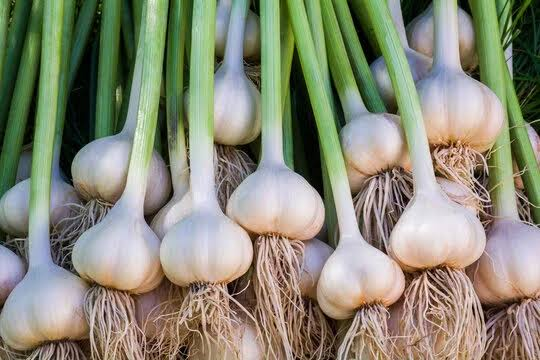
Why Garlic Farming in Kenya Is Highly Profitable in 2026:
Garlic farming in Kenya offers exceptional returns compared to many traditional crops like maize or beans. Here is why smart farmers are switching to this high-value crop:
- High Market Demand: Both fresh and dried garlic command premium prices in local markets, supermarkets, and export channels. Garlic farming in Kenya benefits from a massive supply gap, as local production meets less than 20% of national consumption.
- Low Post-Harvest Losses: When cured and stored properly, garlic can last for 6 to 8 months, reducing the urgency to sell immediately. This is a major advantage of garlic farming in Kenya over perishable crops.
- Small Land Requirements: You can start garlic farming in Kenya on as little as an eighth of an acre and still generate significant income. A quarter-acre farm can generate returns exceeding KSh 100,000 within just four months.
- Repeat Customers: Restaurants, hotels, and households require garlic consistently, creating reliable market streams for anyone engaged in garlic farming in Kenya.
- Export Potential: Garlic farming in Kenya is increasingly attractive for export-oriented farmers.
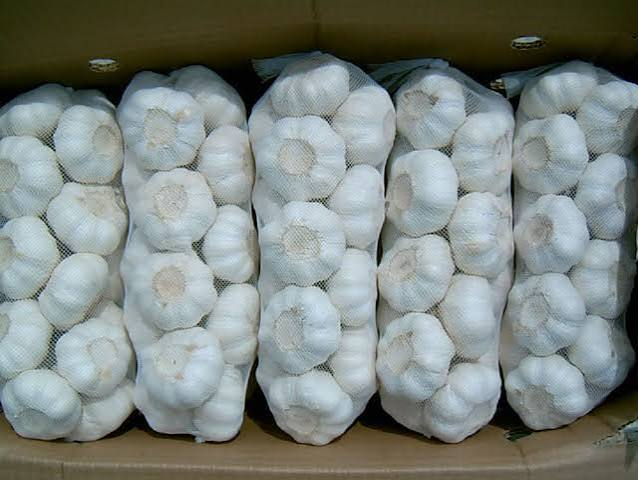
How Much Can You Earn Per Acre? The 2026 Profit Breakdown for Garlic Farming in Kenya:
Understanding the financial potential is crucial before starting garlic farming in Kenya. Here is a detailed breakdown of costs, yields, and profits per acre.
Cost of Garlic Farming in Kenya (Per Acre):
The initial investment for garlic farming in Kenya ranges between KSh 180,000 and KSh 520,000 per acre, depending on location, scale, and farming practices:
| Cost Item | Estimated Cost (KSh) |
|---|---|
| Seed Garlic (300 kg at KSh 750/kg) | 225,000 |
| Land Preparation (plowing, harrowing, beds) | 15,000 |
| Fertilizers & Manure | 25,000 |
| Pesticides & Insecticides | 35,000 |
| Labor (planting, weeding, harvesting) | 30,000 |
| Irrigation (drip system) | 180,000 |
| Miscellaneous (packaging, transport) | 10,000 |
| Total Estimated Cost | KSh 520,000 |
Yield Per Acre in Garlic Farming in Kenya:
Under good agronomic practices, garlic farming in Kenya yields:
- Average yield: 3,000–4,000 kg per acre (3–4tonnes)
- High-yield potential: 5,000–7,000 kg per acre (5–7 tonnes) with premium varieties and optimal management
Revenue and Net Profit from Garlic Farming in Kenya:
Market prices for garlic farming in Kenya vary seasonally:
- Peak season (May–September): KSh 300–400 per kg
- Low season (December–January): KSh 150–200 per kg
- Average price: KSh 200–250 per kg
Sample Profit Calculation for Garlic Farming in Kenya (Per Acre):
| Scenario | Conservative | Moderate | Optimistic |
|---|---|---|---|
| Yield | 4,000 kg | 5,000 kg | 6,000 kg |
| Price per kg | KSh 200 | KSh 250 | KSh 300 |
| Gross Revenue | KSh 800,000 | KSh 1,250,000 | KSh 1,800,000 |
| Production Costs | KSh 350,000 | KSh 450,000 | KSh 520,000 |
| Net Profit | KSh 450,000 | KSh 800,000 | KSh 1,280,000 |
In optimal conditions with premium varieties and direct market access, garlic farming in Kenya can exceed KSh 1 million net profit per acre.
Step-by-Step Guide to Starting Garlic Farming in Kenya:
Step 1:Choosing the right variety:
This is critical for successful garlic farming in Kenya. For garlic farming in Kenya, always use certified, disease-free seed cloves from Onion Doctor to ensure better yields and disease resistance.
Step 2: Site Selection and Land Preparation:
Garlic farming in Kenya thrives in well-drained, fertile loam soils with a pH of 5.5–6.8. Prepare raised beds and incorporate well-decomposed manure. Proper land preparation is the foundation of profitable garlic farming in Kenya.
Step 3: Planting for Garlic Farming in Kenya:
- Spacing: 30 cm between rows, 15 cm between plants
- Depth: Plant cloves 2–3 cm deep, pointy side up
- Seed rate: 300 kg of seed cloves per acre
Step 4: Irrigation and Water Management:
Garlic has a shallow root system, making consistent moisture critical. For garlic farming in Kenya, drip irrigation is preferred:
- Drip kit cost: KSh 170,000–KSh 200,000 per acre
- Watering: Maintain consistent moisture but avoid overwatering
- Critical period: Stop watering 2–4 weeks before harvesting to allow proper bulb formation
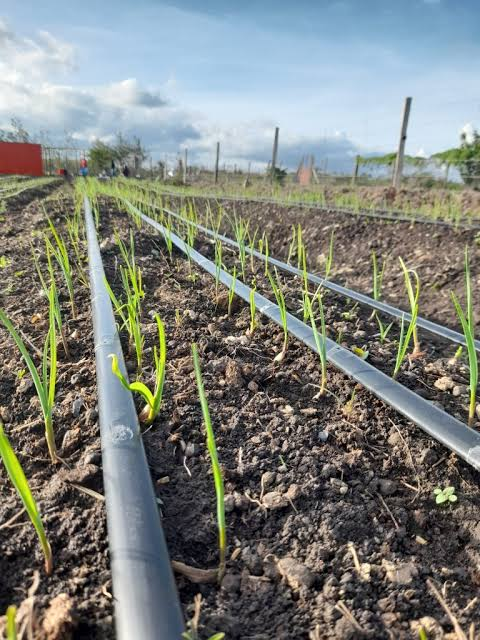
Investing in irrigation transforms garlic farming in Kenya from a rain-dependent gamble into a reliable year-round business.
Step 5: Fertilization and Nutrition:
Successful garlic farming in Kenya requires balanced nutrition:
- Apply NPK fertilizer during planting
- Top-dress with nitrogen-based fertilizers during vegetative growth
- Consider organic options for premium pricing
Step 6: Pest and Disease Management in Garlic Farming in Kenya:
Major Pests:
- Thrips: Cause silvery streaks on leaves; use insecticidal soap or recommended pesticides
- Nematodes: Attack roots and bulbs; practice crop rotation and use certified seed
- Aphids: Sap-sucking insects that reduce vigor
Common Diseases:
- White Rot: The most devastating disease in garlic farming in Kenya; no cure exists, so prevention through certified seed and crop rotation is essential
- Rust: Orange pustules on leaves; apply fungicides early
- Downy Mildew: Brown leaf tips ; improve air circulation and avoid overhead irrigation
- Purple Blotch: Fungal infection controlled through fungicides.
Integrated Pest Management (IPM) is the best approach for sustainable garlic farming in Kenya.
Step 6: Harvesting and Post-Harvest Handling:
Knowing when to harvest determines your final profit in garlic farming in Kenya:
- Signs of maturity: Lower leaves turn brown while upper leaves remain green; approximately 50% of leaves have browned
- Timing: 4–5 months after planting
- Technique: Loosen soil with a fork, pull bulbs gently, and brush off excess soil
Curing Process:
- Hang bulbs in bundles or spread on racks in a well-ventilated, shaded area
- Cure for 2–4 weeks until outer skins are papery and necks are completely dry.
- Properly cured garlic from garlic farming in Kenya can store for 6–8 months
This storage capability allows farmers practicing garlic farming in Kenya to sell when prices peak, rather than during market gluts.
Marketing Strategies for Garlic Farming in Kenya:
Understanding your market is as important as production in garlic farming in Kenya:
Local Market Channels:
- Wakulima Market and Muthurwa Market in Nairobi
- County open-air markets
- Local shops and wholesalers
Formal Retail:
- Supermarket chains like Naivas and Carrefour
- Local grocery stores
High-Volume Buyers:
- Hotels and restaurants (consistent, bulk buyers)
- Food processing companies
Export Markets:
- Middle East and European markets pay premium prices for certified organic garlic
- East African Community (EAC) markets
Value Addition Opportunities in Garlic Farming in Kenya:
- Garlic powder production
- Garlic oil extraction
- Dried garlic flakes
- Pre-peeled garlic packaging
- Organic certification (commands 25–40% higher prices)
Farmers engaged in garlic farming in Kenya who diversify their sales channels and add value significantly increase their profitability.
Challenges in Garlic Farming in Kenya and How to Overcome Them:
While highly profitable, garlic farming in Kenya comes with challenges:
- High Initial Seed Cost: Quality seed garlic can be expensive, but it pays off in yield. Source from Onion Doctor.
- Disease Pressure: White rot can wipe out entire fields. Prevention through certified seed and 5–7 year crop rotation is essential.
- Market Fluctuations: Prices vary seasonally from KSh 150 to KSh 400 per kg. Storage allows farmers practicing garlic farming in Kenya to wait for better prices.
- Counterfeit Inputs: Fake seeds and fertilizers remain a problem. Buy only from reputable suppliers like Onion Doctor.
- Import Competition: Approximately 80% of Kenya’s garlic comes from China and India. Focus on high-quality, organic garlic to differentiate your garlic farming in Kenya produce.
Are you in need of in-depth knowledge on onion and garlic production? If yes, we are a call away. Contact us for: Onion seedlings, Garlic seedlings, Germinated garlic cloves, Farm planning services, Soil testing, training on onion and garlic growing, Drip irrigation installation and maintenance, Agronomic support, Onion and Garlic value pack and Farm management. For free consultation, placing orders or booking a visit with an agronomist, please contact us via Call or what’s app +254703982228, Email: info@oniondoctor.co.ke You can also check out our social media handles for daily updates on TikTok: https://www.tiktok.com/@oniondoctorke0706252490?_r=1&_t=ZS-96UPUyx6ESL Instagram:https://www.instagram.com/oniondoctorke?igsh=MW5sZzJ6c3BnZ3Z0dw==Facebook:https://www.facebook.com/share/1HouRgLCwS/Twitter:https://x.com/OnionDoctorKe?s=20