
If you’ve been searching for a high-value crop that can transform your farm’s profitability, garlic farming in Kenya should be at the top of your list. Despite growing local demand, Kenya still imports approximately 80% of its garlic from countries like China, India, and Tanzania. This massive import gap presents an extraordinary opportunity for local farmers willing to invest in garlic farming in Kenya. Garlic (Allium sativum), locally known as “Kitunguu Saumu,” is one of the most versatile crops you can grow. Used daily in Kenyan households, restaurants, hotels, and food processing industries, garlic is valued for both its culinary flavor and powerful medicinal properties. Whether you’re a smallholder farmer with an eighth of an acre or an aspiring commercial farmer, garlic farming in Kenya offers exceptional returns compared to traditional crops like maize or beans. In this comprehensive guide, we’ll walk you through every stage of garlic farming in Kenya from selecting the right variety and preparing your land to harvesting, curing, and marketing your produce for maximum profit. By the end, you’ll have all the knowledge needed to launch a successful garlic farming in Kenya operation in 2026.
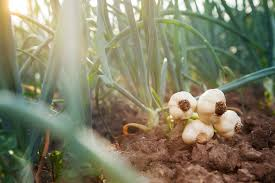
Chapter 1: Understanding the Market Opportunity for Garlic Farming in Kenya:
Before you plant your first clove, it’s crucial to understand why garlic farming in Kenya is such a lucrative venture:
The Demand-Supply Gap:
Kenya’s annual garlic consumption continues to rise, driven by:
- Urbanization and changing dietary habits
- Growth in the hospitality industry (hotels, restaurants, catering)
- Increasing awareness of garlic’s health benefits (immune boosting, antibacterial, cardiovascular support).
- Rising interest in natural remedies and organic products.
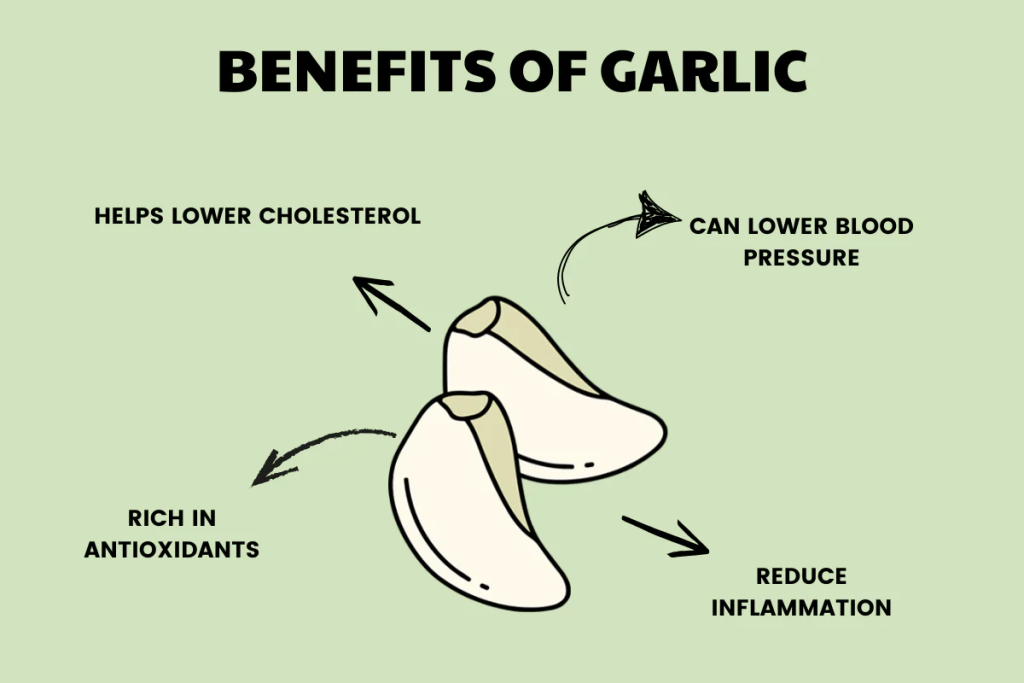
Despite this booming demand, local production remains insufficient. This means farmers practicing garlic farming in Kenya can command premium prices often between KSh 150 and KSh 400 per kilogram, depending on quality and market channel.
Profitability Potential:
Farmers practicing garlic farming in Kenya on just one acre can potentially earn between KSh 400,000 and KSh 700,000 per season, with yields of 4 to 6 tons per acre under good management. Even a quarter-acre plot can generate returns exceeding KSh 100,000 within four to five months. This makes garlic farming in Kenya one of the highest-return-per-acre agricultural enterprises available today.
Chapter 2: Best Garlic Varieties for Garlic Farming in Kenya:
Choosing the right variety is one of the most critical decisions in garlic farming in Kenya. The variety you select will determine your yield, storage life, flavor profile, and marketability.
Main Categories of Garlic:
1. Softneck Garlic:
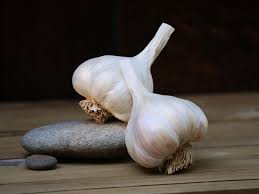
Softneck garlic is the most popular choice for garlic farming in Kenya. It features:
- A flexible stem (no woody center)
- White, paper-like skin
- Strong pungent flavor and aroma
- Long shelf life (up to 6–8 months when properly cured)
- More cloves per bulb
- Adaptability to warm climates
Best Softneck Varieties for Garlic Farming in Kenya:
- Africa Giant – Large bulbs, robust flavor, performs well in highland regions
- Arusha Giant – Early-maturing, adapts well under irrigation
- Rwanda Giant – Medium bulbs, excellent storage quality
2. Hardneck Garlic:
Hardneck garlic is less common in garlic farming in Kenya but valued for its bold flavor and larger individual cloves. It features:
- A stiff central woody stem (scape)
- Fewer but larger cloves per bulb
- Shorter shelf life (2–4 months)
- Better suited for cooler, high-altitude areas
Best Hardneck Varieties for Garlic Farming in Kenya:
- German White – Sweet, pungent aroma; thrives in high altitudes
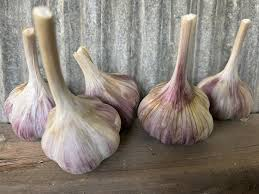
- Purple Stripe – Visually appealing purple skin, strong taste
3. Elephant Garlic: It produces massive bulbs with a mild, subtle flavor ideal for niche and export markets.
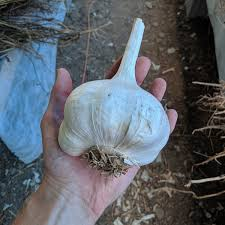
Pro Tip for Garlic Farming in Kenya: Always source certified disease-free seed cloves from reputable suppliers like Onion Doctor. Using cheap “market” garlic for planting is the fastest way to lose your entire investment to diseases like White Rot.
Chapter 3: Climate and Soil Requirements for Successful Garlic Farming in Kenya:
Garlic farming in Kenya succeeds when you match your crop to the right environmental conditions.
Ideal Climate Conditions:
| Factor | Optimal Range |
|---|---|
| Altitude | 500 – 2,000 meters above sea level |
| Temperature | 12°C – 30°C (ideal: 15°C – 25°C) |
| Rainfall | 400 – 700 mm annually (supplemented with irrigation) |
| Growing Season | Cool temperatures preferred during vegetative stage; warmer temps for bulb development |
Important: Excess rainfall and high humidity are enemies of garlic farming in Kenya. Waterlogging causes root rot, fungal diseases, and poor bulb formation. Always ensure good drainage.
Soil Requirements:
For successful garlic farming in Kenya, your soil should have:
- Texture: Well-drained loam or sandy loam
- pH: 5.5 – 7.0 (slightly acidic to neutral)
- Organic Matter: Rich in compost or well-decomposed manure
- Drainage: Excellent avoid heavy clay soils or waterlogged areas
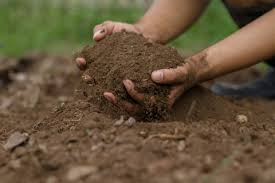
Soil Preparation Steps for Garlic Farming in Kenya:
- Clear the field: Remove all weeds, crop residues, and debris
- Deep plow :Till to a depth of 30 cm to break hardpans
- Harrow: Break down large clumps to achieve fine tilth
- Add organic matter: Incorporate 10–15 tons of well-decomposed manure per acre
- Test soil pH: Adjust with lime (for acidic soils) or sulfur (for alkaline soils)
- Level the field: Ensure uniform drainage
- Create raised beds: 1.0–1.2 meters wide, 20–30 cm high, with 50 cm paths between beds
Chapter 4: Step-by-Step Planting Guide for Garlic Farming in Kenya:
Timing and technique are everything in garlic farming in Kenya. Here’s your complete planting protocol:
When to Plant Garlic in Kenya:
The best planting seasons for garlic farming in Kenya are:
- Long Rains: March to April
- Short Rains: October to November
However, with reliable irrigation, garlic farming in Kenya can be practiced year-round, allowing multiple harvest cycles and better price timing.
Seed Rate and Spacing:
| Parameter | Recommendation |
|---|---|
| Seed Rate | 150–300 kg of cloves per acre |
| Clove Spacing | 10–15 cm apart within rows |
| Row Spacing | 30 cm apart |
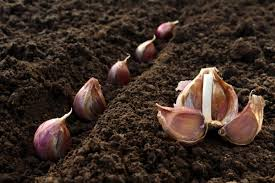
| Planting Depth | 2.5–5 cm (pointed end up) |
| Plant Population | 300,000–400,000 plants per acre |
Pre-Planting Clove Preparation:
- Break bulbs into individual cloves 2–3 days before planting
- Select large outer cloves they produce bigger bulbs
- Discard small, damaged, or diseased cloves
- Do NOT peel the protective papery skin
- Optional: Soak cloves in a mild fungicide solution to prevent soil-borne diseases
Planting Technique:
- Make planting holes or furrows at the recommended depth
- Place each clove with the pointed end facing UP and the flat base (root side) facing DOWN.
- Cover with soil and firm gently
- Water immediately after planting to settle soil around cloves
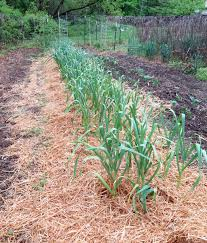
Mulching for Garlic Farming in Kenya:
Apply a 5 cm layer of organic mulch (dry grass, straw, or dried leaves) to:
- Retain soil moisture
- Suppress weed growth
- Regulate soil temperature
- Prevent soil erosion
- Reduce irrigation frequency
Chapter 5: Water Management and Irrigation for Garlic Farming in Kenya:
Water stress is the #1 cause of poor bulb formation in garlic farming in Kenya. Consistent moisture management is non-negotiable.
Critical Watering Stages:
| Growth Stage | Water Requirement |
|---|---|
| Germination (Weeks 1–3) | Keep soil consistently moist |
| Vegetative Growth | Maintain 50–75% field capacity |
| Bulb Formation (Critical!) | Never allow soil to dry completely |
| Pre-Harvest (Last 2–3 weeks) | Reduce/stop irrigation to promote curing |
Best Irrigation System for Garlic Farming in Kenya:
Drip Irrigation (Highly Recommended)
- Delivers water directly to the root zone
- Keeps foliage dry (reduces fungal diseases)
- Saves up to 40% water compared to overhead systems
- Allows precise control of moisture levels
- Install drip lines 15 cm apart for optimal coverage
Chapter 6: Fertilization and Nutrition for High-Yield Garlic Farming in Kenya:
Balanced nutrition is essential for maximizing yields in garlic farming in Kenya. Always base your program on a soil test, but here are general guidelines:
Fertilizer Program:
| Growth Stage | Fertilizer | Rate/Application |
|---|---|---|
| Basal (At Planting) | DAP or Organic Manure | 100–150 kg DAP per acre |
| Top Dressing (3–4 weeks) | CAN or Urea | 100–150 kg CAN per acre |
| Bulb Swelling (6–8 weeks) | NPK | 100 kg per acre |
| Late Stage | Potassium-rich fertilizer | For bulb firmness |
Micronutrients:
- Zinc: Improves bulb firmness
- Boron :Enhances skin quality and storage life
- Calcium: Prevents bulb disorders
Chapter 7: Pest and Disease Management in Garlic Farming in Kenya:
Protecting your crop is crucial for profitable garlic farming in Kenya. Prevention is always better than cure.
Major Pests:
| Pest | Damage | Control Measures |
|---|---|---|
| Thrips | Silvery streaks on leaves, reduced photosynthesis | Insecticidal soap, neem oil, recommended pesticides |
| Nematodes | Root and bulb damage, stunted growth | Crop rotation, certified seed, soil fumigation |
| Onion Fly | Maggots bore into bulbs | Field hygiene, yellow sticky traps |
| Red Ants | Disturb root systems | Organic repellents, proper field sanitation |
| Aphids | Sap sucking, virus transmission | Neem oil, beneficial insects |
Common Diseases:
| Disease | Symptoms | Prevention & Control |
|---|---|---|
| White Rot | White fungal growth at base, plant wilting | Most devastating disease—no cure! Use certified seed, crop rotation (4+ years), strict sanitation |
| Rust | Orange pustules on leaves | Apply fungicides early, improve air circulation |
| Downy Mildew | Yellow patches on leaves, fuzzy growth | Avoid overhead irrigation, fungicides, proper spacing |
| Purple Blotch | Purple lesions on leaves | Fungicides, remove infected plants |
| Powdery Mildew | White powdery coating | Sulfur-based fungicides, spacing |
Integrated Pest Management (IPM) for Garlic Farming in Kenya:
- Use certified disease-free cloves from Onion Doctor.
- Practice crop rotation (avoid planting garlic/onions in the same field for 3–4 years)
- Maintain field hygiene remove crop residues
- Monitor regularly scout for pests and diseases weekly
- Use resistant varieties where available
- Apply biological controls beneficial microbes and insects
- Use chemical controls only when necessary follow pre-harvest intervals
Chapter 8: Weed Management in Garlic Farming in Kenya:
Weeds compete with garlic for nutrients, water, and sunlight. In garlic farming in Kenya, weed control is essential because garlic is a poor competitor, especially in early growth stages.
Weed Control Strategies:
| Method | Timing | Notes |
|---|---|---|
| Mulching | At planting | Suppresses weeds, retains moisture |
| Hand Weeding | 2–3 times during season | Be careful not to damage shallow roots |
| Shallow Cultivation | Early growth stage | Avoid deep tillage near plants |
| Herbicides | Pre-emergence | Use garlic-safe herbicides only |
Critical: Weed garlic fields thoroughly during the first 6–8 weeks. Once the canopy closes, weed pressure decreases significantly.
Chapter 9: Harvesting and Post-Harvest Handling for Garlic Farming in Kenya:
Knowing when and how to harvest determines your final profit in garlic farming in Kenya.
When to Harvest Garlic in Kenya:
Look for these signs:
- 50–70% of lower leaves have turned brown/yellow
- Upper leaves remain partially green
- Bulbs are well-formed with tight, dry outer skins
- Leaves resist gentle tugging (indicating mature bulbs)
- Typically 4–5 months after planting
Harvest during dry weather to prevent bulb damage and fungal infection.
Harvesting Technique:
- Stop irrigation 2–3 weeks before harvest
- Loosen soil around bulbs using a garden fork (don’t use tools that damage bulbs)
- Gently lift plants without pulling stems
- Keep roots and leaves intact
- Brush off excess soil do NOT wash unless processing immediately
- Handle carefully to prevent bruising (bruised bulbs rot quickly)
The Critical Curing Process:
Curing is where many farmers practicing garlic farming in Kenya lose potential profit. Proper curing extends shelf life from weeks to months.
Curing Steps:
- Tie plants in bundles of 10–15 bulbs
- Hang bundles in a well-ventilated, shaded area (NOT in direct sun)
- Alternatively, spread on racks with good air circulation
- Cure for 2–4 weeks until:
- Outer skins become papery and dry
- Necks (stems) are completely dry
Roots are brittle
Properly cured garlic from garlic farming in Kenya can store for 6–8 months, allowing you to sell when market prices peak.
Are you in need of in-depth knowledge on onion and garlic production? If yes, we are a call away. Contact us for: Onion seedlings, Garlic seedlings, Germinated garlic cloves, Farm planning services, Soil testing, training on onion and garlic growing, Drip irrigation installation and maintenance, Agronomic support, Onion and Garlic value pack and Farm management. For free consultation, placing orders or booking a visit with an agronomist, please contact us via Call or what’s app +254703982228, Email: info@oniondoctor.co.ke You can also check out our social media handles for daily updates on TikTok: https://www.tiktok.com/@oniondoctorke0706252490?_r=1&_t=ZS-96UPUyx6ESL Instagram:https://www.instagram.com/oniondoctorke?igsh=MW5sZzJ6c3BnZ3Z0dw==Facebook:https://www.facebook.com/share/1HouRgLCwS/Twitter:https://x.com/OnionDoctorKe?s=20