
Onion Farming In Kenya
If you’ve ever dreamed of harvesting your own crisp, flavorful onions straight from the soil, you’re in the right place. Growing onion seedlings is not just about planting tiny green shoots — it’s about nurturing life, savoring patience, and enjoying the magic of watching nature work its wonders.
From the moment those delicate sprouts peek through the soil, they carry the promise of hearty meals, fragrant kitchens, and the satisfaction of self-sufficiency. Whether you’re a seasoned gardener or just starting your green journey, onion seedlings are a fantastic choice — they’re hardy, rewarding, and full of character.
In the coming posts, we’ll walk together through every step: preparing rich, healthy soil, giving your seedlings the right care, and ensuring they grow into strong, bulbous beauties ready for harvest. Along the way, I’ll share tips, tricks, and farmers secrets to make your onion-growing adventure a success.
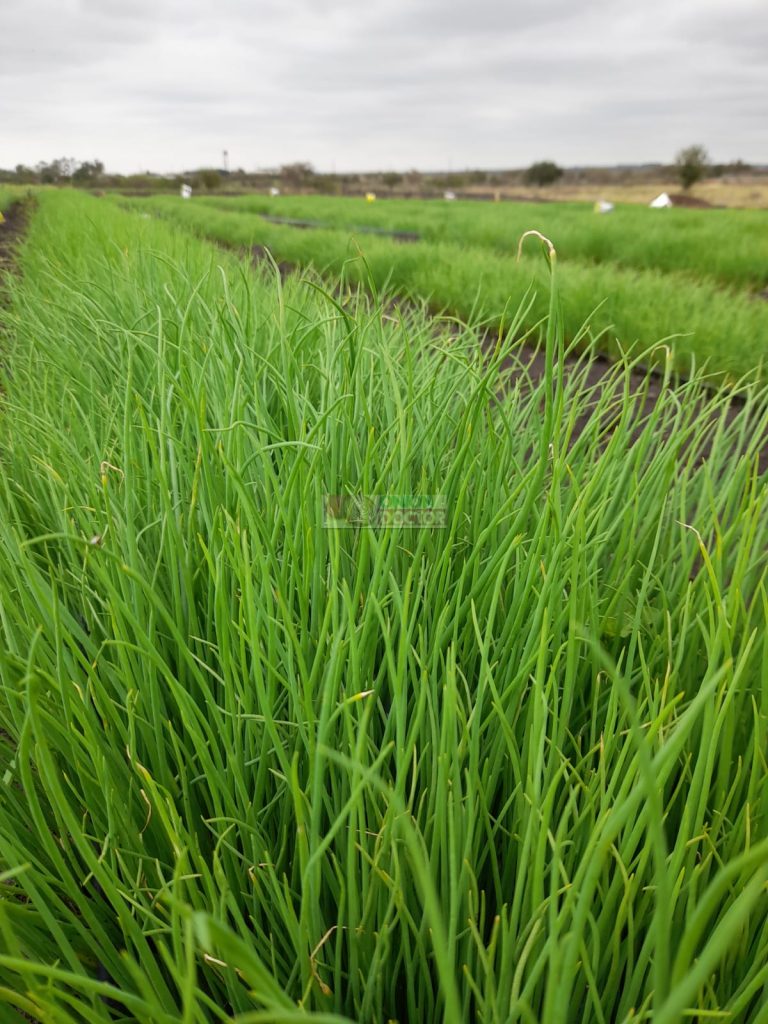
Quality onion seedlings from Onion Doctor.
Onion varieties in Kenya
There are different onion varieties in Kenya;
- African Red F1
- Neptune F1
- Russet F1
- Red coach F1
- Malbec F1
Propagation of bulb onion seedlings in Kenya.
Bulb onion seedlings in Kenya are propagated mainly through direct seeding in nurseries, followed by transplanting into the main field once seedlings are strong enough (4–6 weeks old). Success depends on proper nursery preparation, soil fertility, irrigation, and selecting the right varieties suited to Kenyan climates.
Propagation Process of Bulb Onion Seedlings in Kenya
1. Nursery Establishment
- Site Selection: Choose a well-drained area with sandy loam soil and pH 6.0–6.8.
- Seed Preparation: Use certified seeds (popular varieties include Red Coach F1, African F1 , Neptune F1 and Chui F1).
- Sowing: Seeds are sown in rows 10–15 cm apart, covered lightly with soil.
- Watering: Maintain consistent moisture using drip irrigation.
- Shade: Provide light shade to protect young seedlings from excessive heat.
2. Seedling Management
- Thinning: Remove overcrowded seedlings to reduce competition.
- Weeding: Keep nursery beds weed-free to avoid nutrient competition.
- Fertilization: Apply well-decomposed manure or starter fertilizer (DAP) to boost early growth.
- Pest/Disease Control: Monitor for damping-off, thrips, and fungal infections.
3. Transplanting
- Timing: Transplant seedlings at 4–6 weeks when they reach 15–20 cm height and pencil-thickness stems.
- Spacing: 30 cm between rows, 8–10 cm between plants.
- Field Preparation: Incorporate compost/manure and ensure proper irrigation channels.
How to make a nursery bed for onion seedlings.
- Site selection; Choose a gently slopy area with good drainage.
- Creation of raised beds; Make beds that are 10-15cm high to avoid waterlogging.
- Soil amendment; Collect well-rotted manure or composed and mix with the soil.
- Fine Tilth; Break up large soil chunks and rake the surface smooth and level.
- Water gently; Water the bed using watering can to evenly wet the soil..
How to propagate seeds to a nursery.
There are several steps taken to sow seeds in a nursery;
- The soil is mixed with manure and the ground is watered.
- Drench the pesticide and fungicide on the ground when wet.
- Then sow the seeds in broadcasting method or use lines.
- Cover the soil with a layer of mulch.
- The nursery is watered twice a day early in the morning and late in the evening.
- Uncover the mulch after the seeds have germinated.
- The seedlings are ready to transplant after they have attained a thick pencil size in the nursery.
How to transplant seedlings in the main seedbed
To transplant onion seedlings, water the nursery bed well, gently uproot pencil thick size seedlings with soil intact, trim the tops , and plant them in prepared seed beds, burying only the roots of the onion seedlings to avoid deep planting which hinders bulb formation, then water consistently. Water daily or twice a day depending on evaporation, for the first weeks. Apply nitrogen based fertilizer for 2-3 weeks after transplanting and every few weeks until neck appears. Weed carefully by hand 7-14 days post transplanting.
Starting with healthy onion seedlings is the first and most important step toward a bountiful harvest. By choosing the right variety, preparing your nursery well, and giving your seedlings proper care, you set the foundation for strong, disease-resistant plants that will thrive in the field.
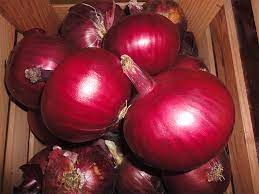
At Onion Doctor we have high quality ready onion seedlings , you can book with us or contact and WhatsApp us on 0703982228/0706252490.